
Love is often described as the most important element in a relationship. When two people care deeply for each other, it can feel like that should be enough. Yet many relationships end, or never even begin, because timing and readiness do not align. Emotional connection and practical preparedness are not the same thing. Two people can feel strongly attached while still lacking the stability, clarity, or maturity required for a relationship. Readiness involves more than love alone. The following slides explore how life stage, personal growth, and external pressures can explain why two people can love each other and still not be ready.
Emotional Intensity Is Not Emotional Stability
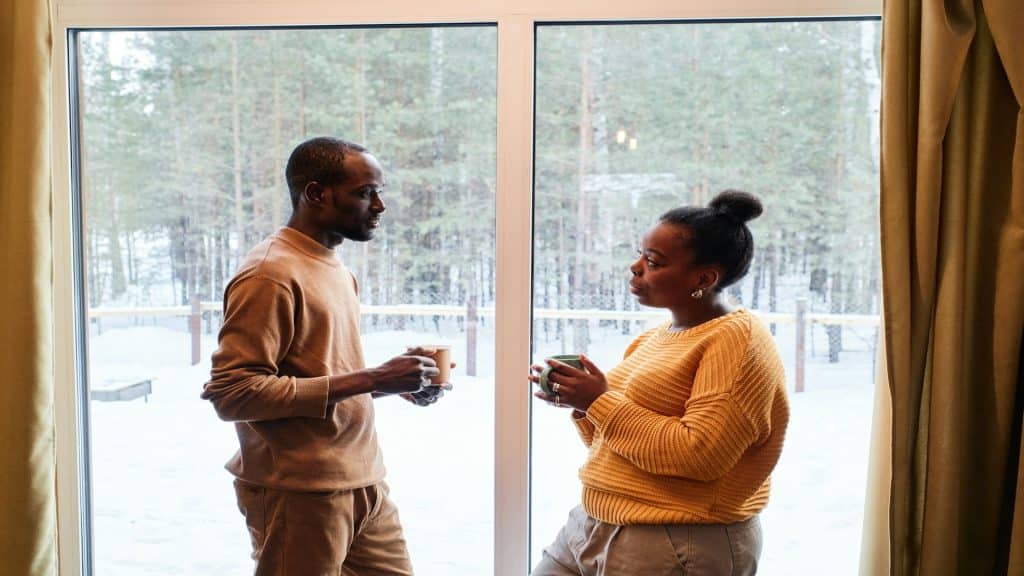
Strong emotions can create a powerful sense of certainty. Passion and attachment often feel like proof that a relationship should work. However, intensity does not automatically equal stability. Emotional stability requires self regulation, patience, and the ability to navigate conflict constructively. Without those skills, love may feel overwhelming rather than grounding. Stability supports long term partnership in ways intensity cannot. Readiness depends on emotional steadiness, not just depth of feeling.
Different Life Stages Create Hidden Tension

Two people may love each other deeply but want different things at the same time. One partner may be focused on building a career or exploring independence, while the other may be thinking about settling down. Life stage differences create subtle but persistent tension. Even if compromise is possible, misalignment can generate resentment over time. Shared direction matters for sustainability. Love alone cannot erase conflicting timelines.
Personal Growth Happens at Different Times

Growth is rarely synchronized between two individuals. One person may be actively developing emotional maturity, while the other is still processing past experiences. When growth speeds differ significantly, compatibility may feel unstable. Supporting each other requires patience and awareness. However, relationships cannot pause indefinitely while one person catches up. Timing becomes crucial when development is uneven. Alignment strengthens readiness.
Unresolved Past Wounds Limits Availability

Love can be genuine even when someone carries unresolved emotional wounds. Past heartbreak, betrayal, or trauma can limit vulnerability. Protective habits may interfere with closeness. Emotional availability requires healing and reflection. Without addressing old pain, new relationships may struggle under the weight of history. Readiness includes being emotionally present without constant defense. Healing influences timing more than affection does.
Fear of Commitment Masks Itself as Doubt

Sometimes hesitation is not about love but about fear. Commitment requires vulnerability and long term responsibility. Fear of losing independence or making the wrong choice can create internal conflict. Doubt may surface even when feelings are strong. Without confronting fear directly, readiness remains incomplete. Emotional courage supports sustainable partnership.
Career Instability Affects Confidence

Professional uncertainty can reduce relational confidence. When identity feels unstable, long term commitment may feel overwhelming. Financial pressure increases stress and decreases emotional bandwidth. Even deep love can feel secondary to survival concerns. Stability in career often supports relational readiness. Confidence influences willingness to invest fully.
External Pressure Distorts Timing
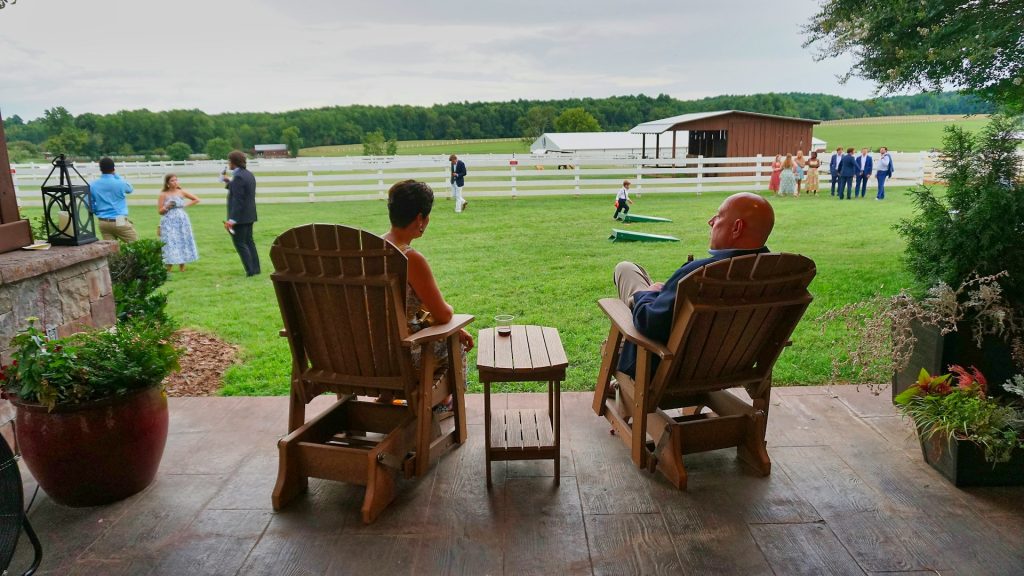
Family expectations, social comparison, and cultural timelines can create urgency. Pressure to commit may not reflect internal readiness. Decisions made to satisfy others often lack emotional grounding. External timelines rarely match personal growth. Rushed commitment can create instability later. Readiness must develop internally.
Communication Skills May Still Be Developing

Love does not guarantee effective communication. Conflict resolution skills take time to build. Without them, misunderstandings repeat. Readiness includes the ability to express needs clearly and listen without defensiveness. Communication shapes long term stability. Emotional connection without skill often leads to frustration.
Attachment Styles Influence Readiness

Attachment patterns strongly influence relationship timing. Avoidant individuals may love deeply but resist closeness. Anxious individuals may seek reassurance before stability exists. These patterns create friction even when feelings are mutual. Awareness of attachment style improves alignment. Without understanding these tendencies, love alone may not stabilize the bond.
Mental Health Affects Emotional Capacity

Stress, anxiety, or depression can reduce emotional availability. Even strong affection may feel overshadowed by internal struggle. Mental health challenges require attention and care. Ignoring internal strain limits readiness. Stability improves when personal well being is prioritized. Emotional capacity shapes timing.
Identity May Still Be Forming

When personal identity is still evolving, long term commitment may feel premature. Clarity about values and goals strengthens partnership decisions. Without self understanding, dependency or confusion can emerge. Readiness includes confidence in personal direction. Stability within self supports stability within relationships.
Different Definitions of “Ready” Create Confusion

One partner may define readiness through financial stability, while the other defines it through emotional certainty. Misaligned definitions create tension. Without explicit conversation, assumptions develop. Clarifying criteria reduces confusion. Alignment strengthens decision making. Timing depends on shared understanding.
Sacrifice Feels Heavier at Certain Stages
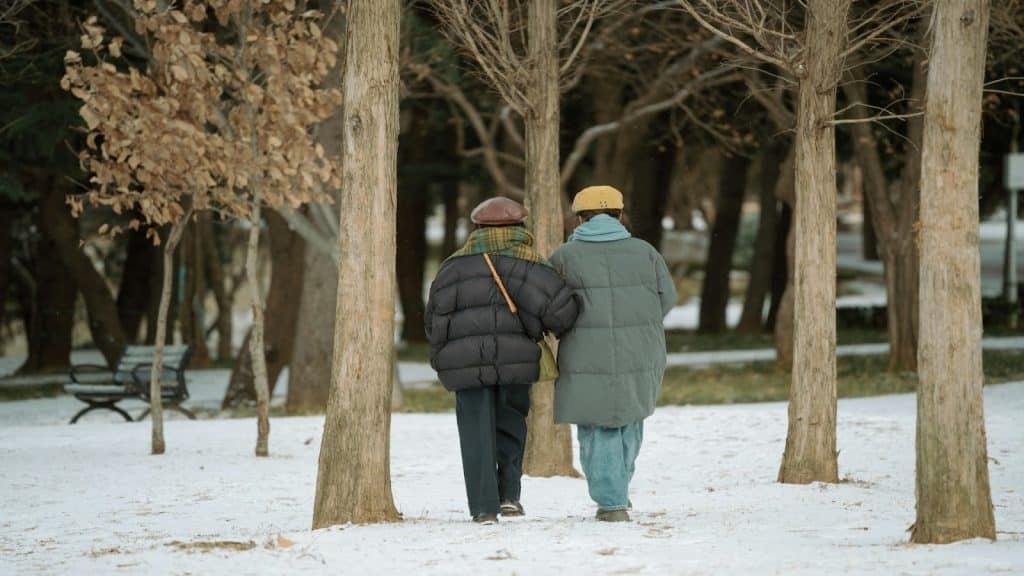
Commitment involves compromise. At certain life stages, sacrifice may feel overwhelming rather than manageable. Personal ambitions may still feel urgent. Love may be present, but willingness to prioritize partnership may not yet exist. Timing shapes willingness. Readiness requires balanced priorities.
Trust Takes Time to Solidify

Love can form quickly, especially when chemistry and emotional connection feel strong. Trust, however, builds more slowly through repeated consistency and reliability. It develops when actions align with words over time. Without established trust, long term commitment may feel uncertain or risky. Even small doubts can weaken confidence in the future. Readiness often depends on whether trust feels stable enough to support something lasting.
Emotional Baggage Reduces Capacity

Unresolved emotional baggage can quietly limit openness in a relationship. Past hurt may create defensive habits that interfere with closeness. Even when love is genuine, hesitation can surface if old wounds remain unaddressed. Readiness includes the ability to be present without constant fear of repetition. Emotional clarity increases confidence in connection. Healing expands capacity for intimacy and strengthens timing.
Independence May Still Feel Essential

The desire for independence can sometimes conflict with the desire for partnership. Personal exploration, career focus, or self discovery may still feel unfinished. Even deep love cannot erase the need to feel autonomous and self defined. When commitment feels like a limitation rather than a choice, hesitation naturally follows. Readiness improves when independence feels secure instead of threatened. Balance between autonomy and connection supports long term stability.
Long Term Vision Is Not Yet Shared

A shared long term vision creates direction and stability within a relationship. When future goals around lifestyle, location, or family differ, underlying tension begins to surface. Love alone cannot compensate for misaligned priorities. Without clarity about where the relationship is heading, commitment may feel uncertain. Alignment around the future strengthens confidence in present decisions. Direction plays a central role in determining readiness.
Sometimes Timing Truly Is the Issue

Not every relationship that ends lacks love. In some cases, personal growth and life circumstances simply do not align at the same moment. Timing influences whether two people can meet each other with equal readiness. When one person is prepared and the other is still evolving, imbalance develops. Under different circumstances, the outcome might look different. Recognizing timing as a factor reduces unnecessary blame and honors the reality that love and readiness do not always arrive together.
Readiness Requires More Than Feeling

Sustainable partnership requires emotional maturity, shared goals, communication skills, and stability. Love is foundational but not singularly sufficient. When readiness aligns with affection, relationships thrive. When it does not, tension persists despite genuine care. Recognizing the difference protects both individuals. Two people can truly love each other and still not be ready, and acknowledging that reality allows growth without denying the depth of what was felt.








Ask Me Anything