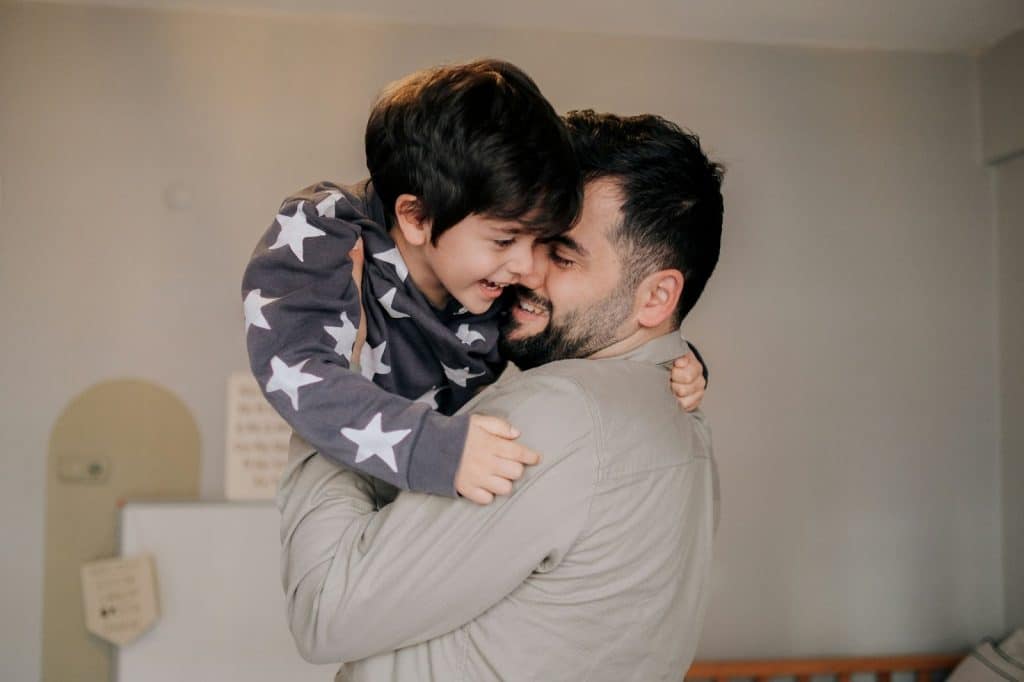
Television dads have long served as mirrors of society’s evolving ideas about masculinity. From tough love to heartfelt conversations, many of them offered glimpses into what it means to be a man, a father, and a role model. These moments weren’t always flashy, but they often stuck with viewers far longer than the punchlines. They showed strength not as dominance, but as compassion, integrity, and presence. These lessons are worth revisiting.
Uncle Phil (The Fresh Prince of Bel-Air)
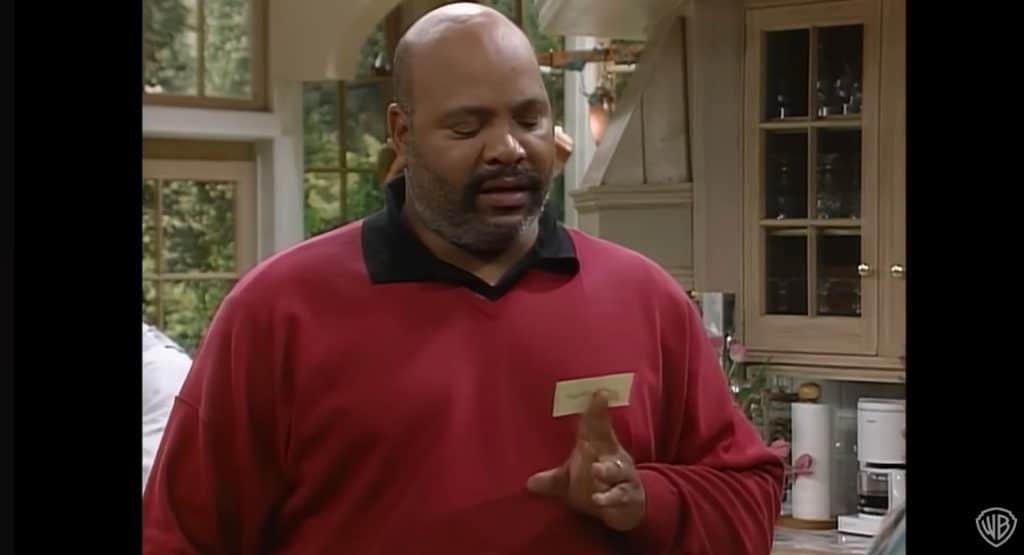
Uncle Phil was more than just the wealthy judge in Bel-Air, he was the emotional anchor for Will. In the iconic scene where Will breaks down over his absent father, Uncle Phil embraces him in silence, showing that real strength lies in vulnerability. His message: being a man isn’t about who walks away, but who chooses to stay. It taught viewers that fatherhood is earned through love, not biology.
Coach Eric Taylor (Friday Night Lights)
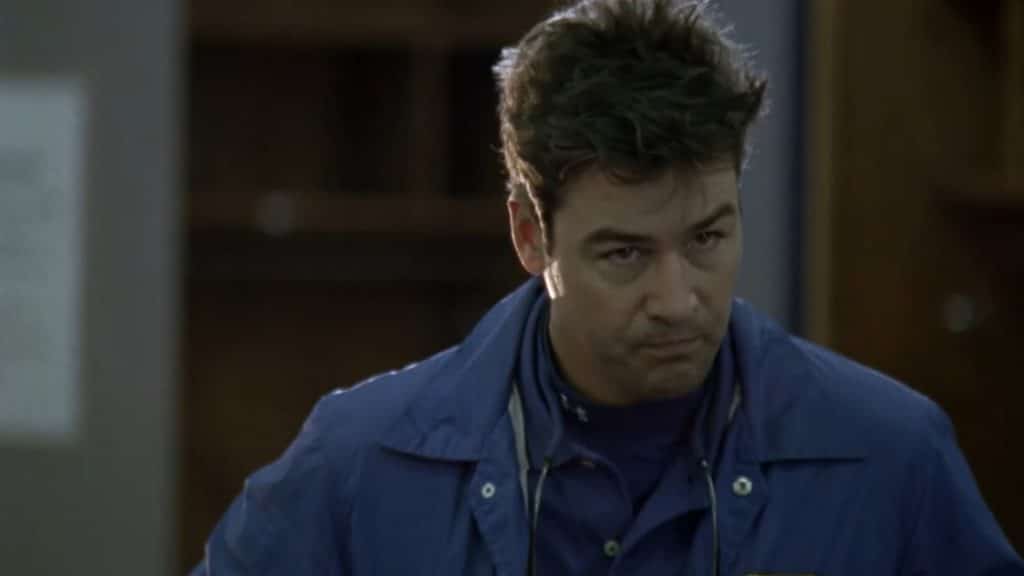
Coach Taylor wasn’t just about football. He used every practice, win, and loss to instill lessons about accountability, humility, and grit. His balanced approach to leadership showed that being tough and emotionally available weren’t mutually exclusive. He demonstrated that real manhood means stepping up when it counts, both on and off the field.
Danny Tanner (Full House)
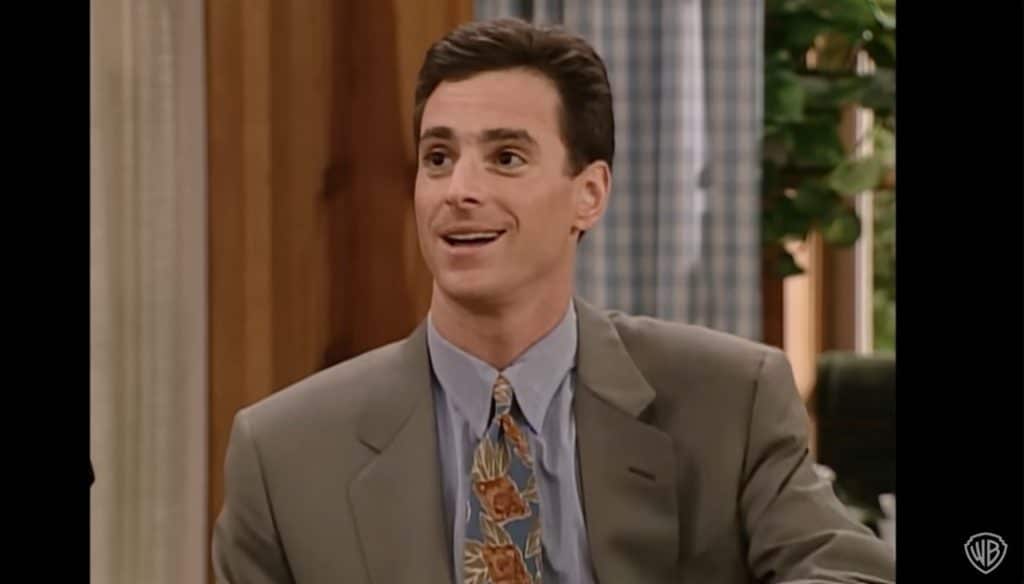
Known for his cheesy heart-to-hearts, Danny Tanner tackled topics like grief, respect, and communication. After his wife’s death, he raised three daughters with the help of friends, never shying away from showing emotion. Danny proved that cleanliness wasn’t his only superpower, his openness and kindness redefined masculinity for an entire generation.
Carl Winslow (Family Matters)
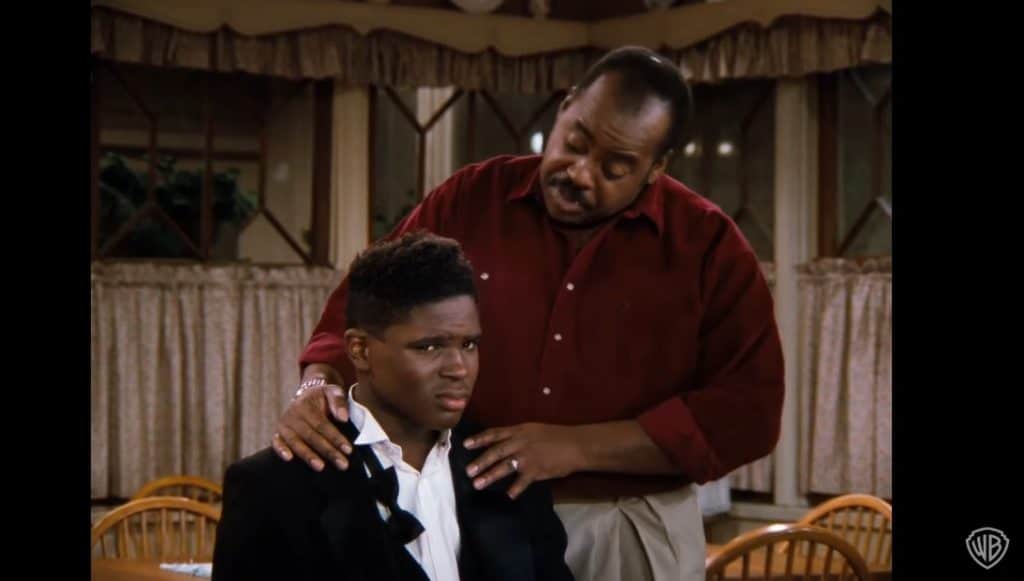
As a Chicago cop and father, Carl Winslow showed that protection goes beyond physical safety. He was fair but firm, always making space for hard conversations, especially with his son Eddie. Whether dealing with racism or teenage rebellion, Carl led with calm strength, teaching viewers that discipline and love go hand in hand.
Jonathan Kent (Smallville’s Steady Guide)
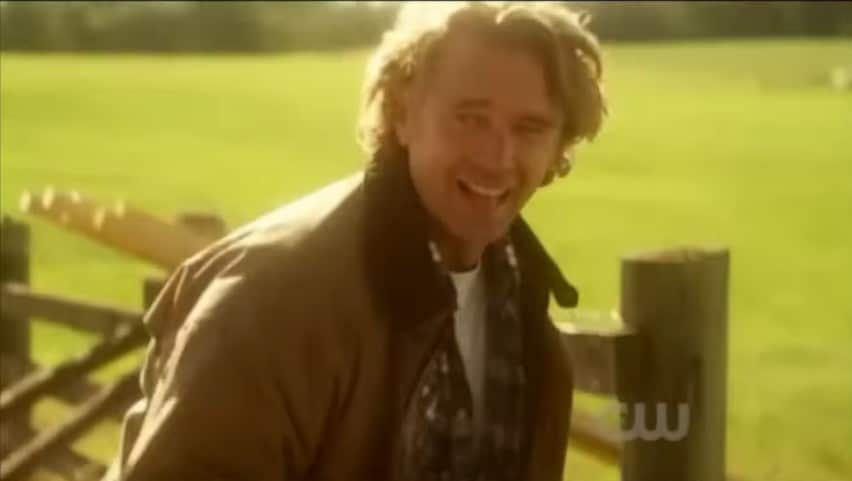
Jonathan Kent, Clark Kent’s adoptive father on Smallville, modeled the kind of quiet strength and principled living that shaped Superman before the cape. He taught Clark that real power comes with responsibility, and doing the right thing isn’t always easy, but it’s always worth it. Jonathan led by example on the farm and in the home, showing that humility and grit can raise a hero. His steady presence anchored the Kent family through secrets, challenges, and sacrifice. Every moment of fatherly advice he gave helped define the type of man Clark would become.
Red Forman (That ’70s Show)
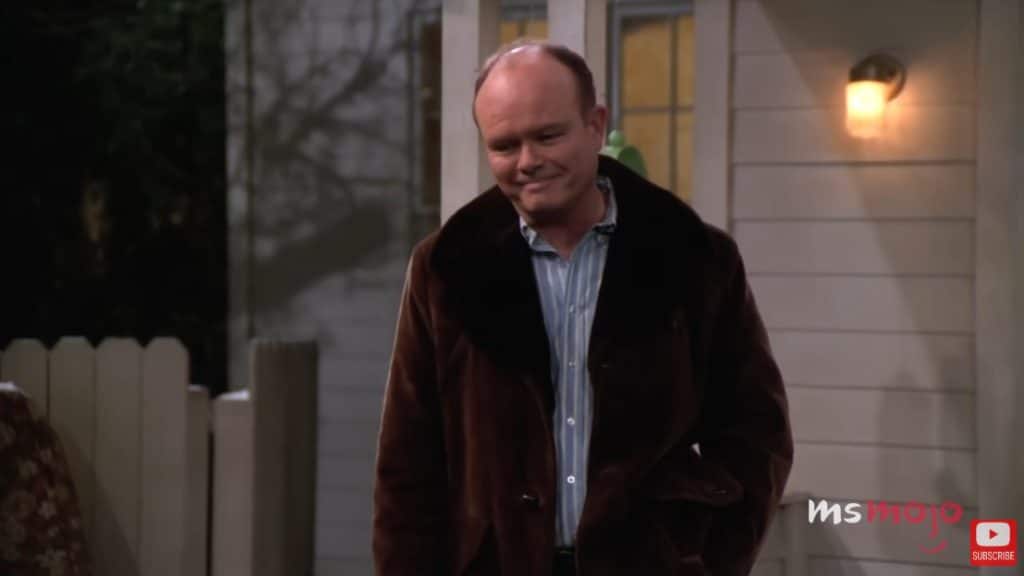
At first glance, Red was just the gruff dad with a sharp tongue. But beneath the sarcasm was a man deeply committed to raising his son with discipline and values. He taught that being a man meant taking responsibility, even when it wasn’t easy. His tough love had purpose, often landing with more honesty than expected.
Jack Pearson (This Is Us)
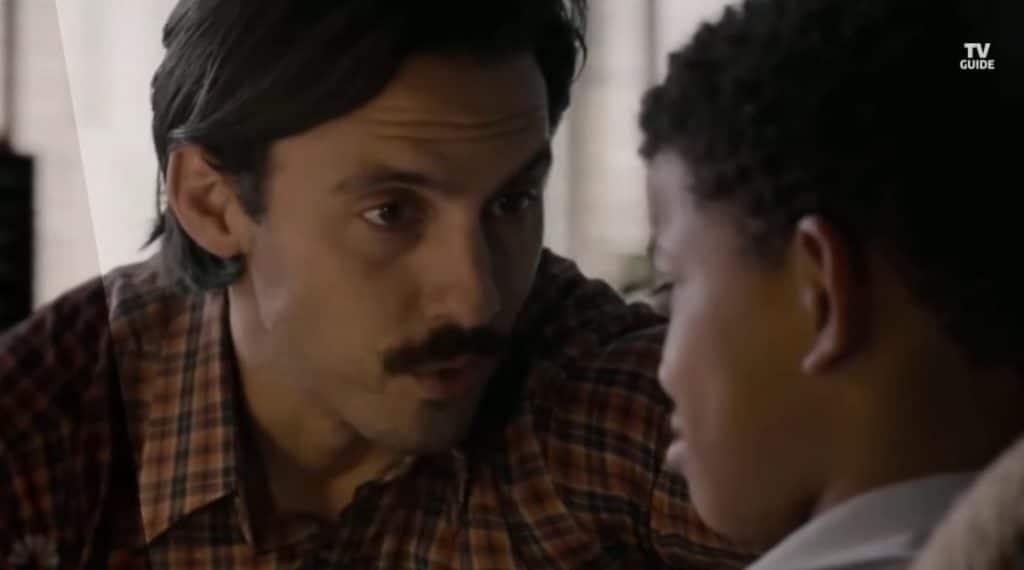
Jack Pearson brought emotional intelligence to fatherhood, helping his children through trauma, loss, and identity. His deep love for his wife and kids made him aspirational, despite his imperfections. Jack taught that manhood includes nurturing, listening, and the ability to admit when you’re wrong. His quiet heroism resonated with many.
Tim Taylor (Home Improvement)
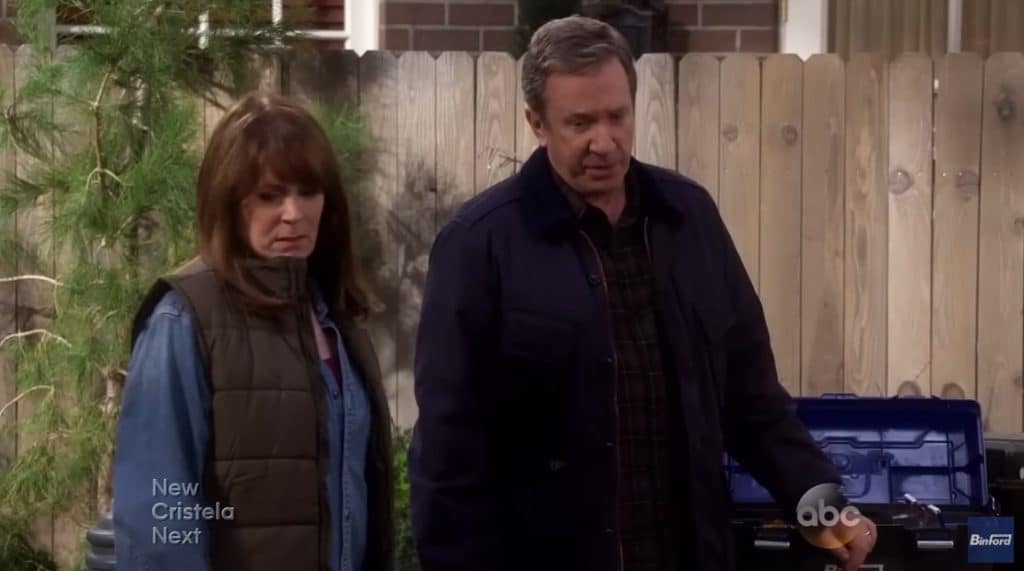
Tim “The Tool Man” Taylor often stumbled through fatherhood with power tools and bad advice. But in the end, he always came back to center with honesty and humility. He taught his sons that mistakes were part of growth. Tim reminded viewers that men don’t have to have all the answers to be great dads.
Julius (Everybody Hates Chris)
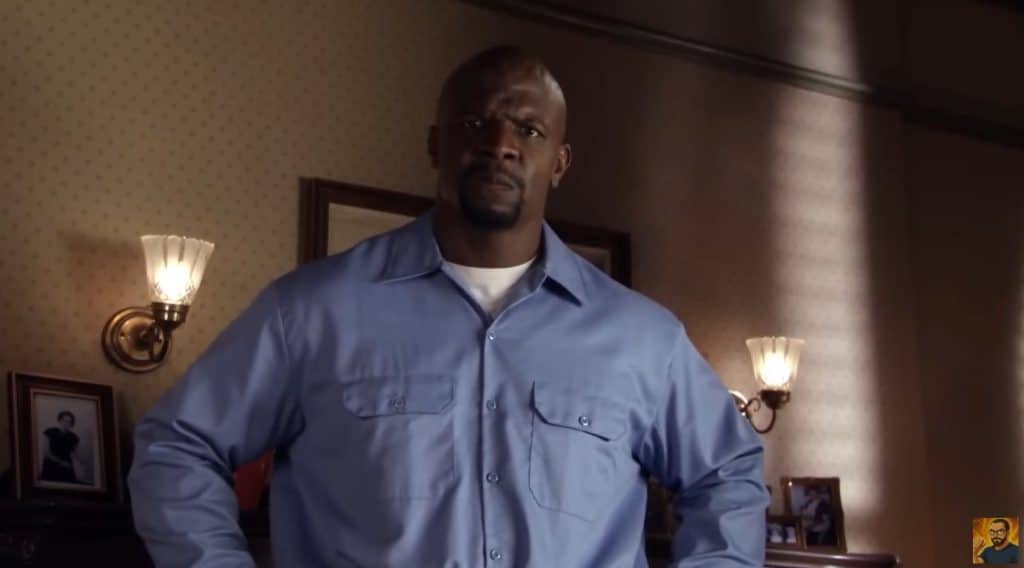
Operating on a tight budget and tighter patience, Julius kept his household running with dry wit and quiet strength. His resourcefulness and work ethic highlighted a side of fatherhood often overlooked. Julius didn’t give grand speeches, but his actions showed that being a man means doing what needs to be done, every day.
Bob Belcher (Bob’s Burgers)
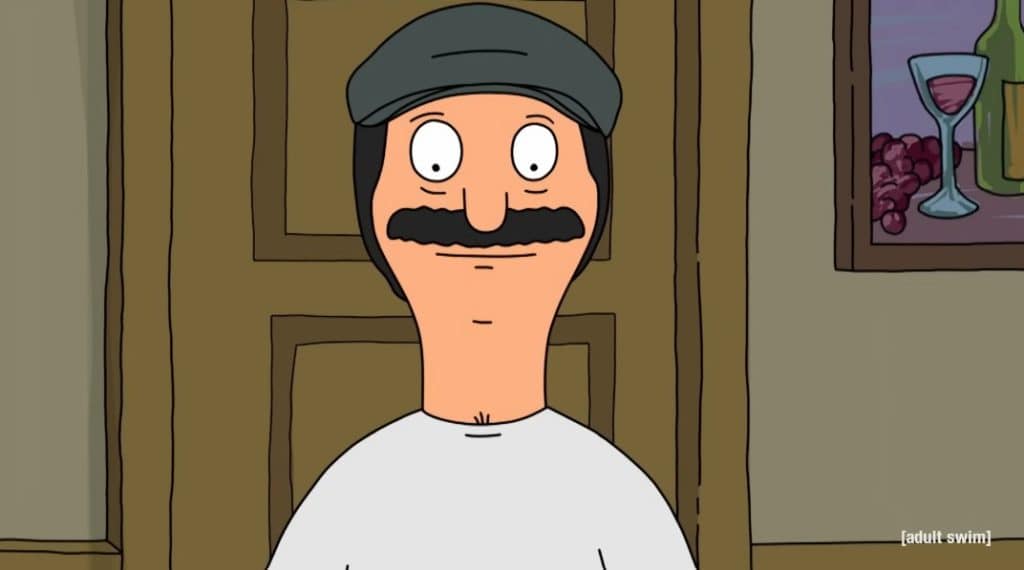
Even in animation, Bob stands out as a grounded, supportive dad. He’s weird, lovable, and totally unafraid to show affection or support his family’s quirks. Bob’s lesson? Masculinity doesn’t have to be loud to be strong. Sometimes it just needs to be kind, steady, and willing to listen.
Lessons Through Laughter and Tears
TV dads didn’t always get it right, and that was the point. Through blunders and breakthroughs, they made growth feel relatable. Their flaws reminded us that manhood is a process, not a fixed identity. Viewers learned as much from their missteps as their victories.
Why These Lessons Still Matter

Even with changing times, the core lessons from these characters still resonate. Respect, responsibility, emotional honesty, these values hold true. In an era redefining masculinity, looking back at TV dads can offer unexpected wisdom. These characters helped normalize conversations men still struggle to have today.
The Legacy of Fictional Fatherhood

Good storytelling leaves a legacy, and so do strong characters. These dads inspired generations to think deeper about how men show up for their families, partners, and communities. Fictional though they were, their impact was real. They helped turn entertainment into education.
What Today’s Men Can Take Away

You don’t need to be perfect to be present. These characters proved that listening, loving, and learning are what define a good man. Whether you’re a father or not, their lessons offer a map for leading with strength and empathy. And sometimes, that map starts with turning on the TV.








Ask Me Anything