
If you’ve ever felt ignored or dismissed by your partner in small, everyday moments, you’ve experienced what John and Julie Gottman call a “missed bid.” In relationships, connection is built (or broken) not in grand gestures, but in micro-moments–how you respond when your partner reaches out emotionally. Turning towards means meeting those bids for connection with attention and warmth. Turning away means brushing them off, even unintentionally. Over time, that difference can make or break trust, intimacy, and emotional safety. Here’s how to master the skill of turning towards–one of the most powerful predictors of lasting love.
1. Recognize What a “Bid” for Connection Looks Like

Bids aren’t always obvious. Sometimes they come in the form of a question (“Did you see that sunset?”), a comment, or even a sigh. They’re small attempts to connect, and many people miss them because they’re distracted or stressed. The Gottman Institute found that couples who stay together respond positively to these bids 86% of the time. Start tuning in. Look up from your phone when your partner talks. Treat small moments like emotional opportunities–not interruptions.
2. Small Responses Create Big Trust

You don’t need a grand gesture to build closeness. Turning towards can be as simple as saying, “That sounds tough,” or making eye contact when your partner speaks. Each of these moments is like a deposit in your relationship’s emotional bank account. Over time, these micro-deposits build a foundation of reliability and care. When tough times come, that emotional balance is what carries you through.
3. Don’t Confuse Neutrality with Disinterest

Sometimes people think staying neutral is better than reacting. But emotional neutrality–especially in intimate moments–can come across as cold or dismissive. When your partner reaches out, silence or a flat response sends a message that you’re checked out. Turning towards doesn’t mean overreacting; it means being present and engaged. A simple “I hear you” or a nod of empathy can bridge emotional gaps before they grow.
4. Learn to Notice When You’re Turning Away

Turning away isn’t always intentional–it often happens when we’re tired, distracted, or emotionally flooded. Maybe you scroll instead of listening, or change the topic when things get heavy. Catch yourself in these moments. Awareness is the first step. Ask, “Am I avoiding this because I’m uncomfortable or disconnected?” Then, try to re-engage. Repair attempts work best when they happen quickly and with humility.
5. Respond with Curiosity, Not Defensiveness
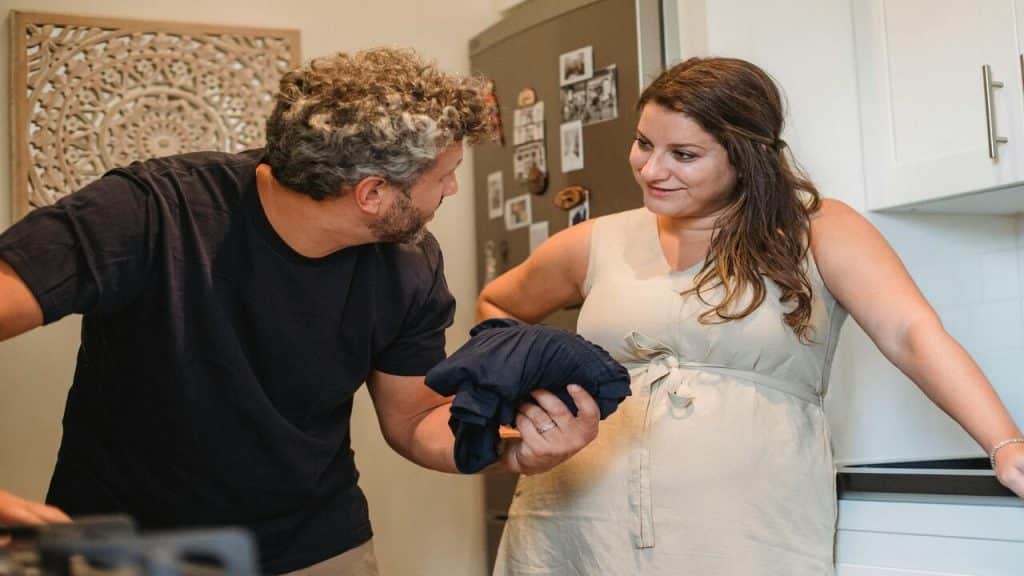
When your partner reaches out with frustration or complaint, it’s easy to get defensive. But Gottman’s research shows that defensiveness is one of the “Four Horsemen” that predict relationship breakdown. Instead, turn towards by getting curious: “Can you tell me more about what’s bothering you?” That small shift transforms conflict from a power struggle into a connection opportunity.
6. Make Eye Contact and Acknowledge Emotion

Nonverbal communication counts as much as words. When your partner talks, put your phone down and make eye contact. Nodding, touching their arm, or saying “I get that” are signals of presence. Humans are wired for connection cues–tiny signs that say, “You matter.” Over time, these gestures create emotional safety, which is the foundation of lasting intimacy.
7. Prioritize Bids During Everyday Routines

The biggest relationship moments often happen in the smallest routines–morning coffee, commuting, winding down at night. Instead of zoning out, use those times to engage. Ask about their day, listen with interest, or share something funny. Gottman couples who stay together make a conscious habit of “turning toward” daily, not just during deep talks or date nights.
8. Repair Disconnections Quickly

Every couple experiences moments of disconnection. What matters is how fast you repair them. If you’ve turned away or snapped, own it: “I realize I wasn’t really listening earlier. Can we try again?” This shows accountability and emotional maturity. Quick repairs prevent resentment from calcifying into emotional distance.
9. Celebrate the Ordinary Moments

Turning towards isn’t just for hard times–it’s also about celebrating small joys. When your partner shares a funny meme or good news, show enthusiasm. Positive bids are as crucial as emotional ones. Gottman’s research shows that couples who respond warmly to each other’s good news build a stronger sense of partnership and joy.
10. Make Turning Towards a Conscious Habit

Habits drive connection. Set tiny intentions like “I’ll give my partner my full attention for 5 minutes when they get home.” Over time, this rewires your relationship patterns. Turning towards becomes muscle memory–the default way you interact, even under stress. Relationships thrive when effort becomes second nature.
11. Protect Emotional Space from Distractions

Digital distractions are one of the biggest culprits of emotional disconnection today. Scrolling while your partner talks sends a quiet message that something else matters more. Schedule “no-phone zones” for shared meals or evening wind-down time. Protecting that space helps your partner feel prioritized and heard.
12. Turn Towards Yourself, Too

You can’t consistently turn towards others if you’re emotionally drained. Self-awareness and self-care strengthen your capacity to connect. Notice your own bids for rest, affection, or alone time. When you honor them, you show up more grounded and generous in your relationship. Turning towards starts with you.
13. Express Appreciation Often

Appreciation is one of the simplest ways to turn towards. Verbalize gratitude even for small things: “Thanks for making coffee,” or “I love when you do that.” This reinforces a positive cycle of care and recognition. The Gottmans call this a key to maintaining the “positive perspective,” which helps couples weather stress and conflict more gracefully.
14. Learn Each Other’s Connection Language

Everyone has a different way of seeking connection–some want conversation, others prefer shared activities or affection. Learn your partner’s language by observing how they reach out. When you respond in kind, it tells them you see and value their unique emotional style. That’s what makes connection feel personal, not mechanical.
15. Use Humor and Playfulness as Connection Tools

Humor is underrated in relationship health. Light teasing, inside jokes, or shared laughter can instantly diffuse tension and rekindle warmth. Couples who laugh together regularly turn towards each other even during stress. Playfulness isn’t immaturity–it’s emotional agility, proof that you can connect without heaviness.
16. Stay Present During Conflict

Turning towards doesn’t stop when things get heated. In fact, it matters most during arguments. Instead of stonewalling or storming off, take a breath and say, “I want to understand you.” Presence in conflict shows that love isn’t conditional on comfort. Over time, this deepens emotional trust–the kind that can withstand any disagreement.
17. Keep Choosing Connection Daily

Turning towards is less about romance and more about rhythm–the daily choice to stay emotionally available. Every smile, nod, and “tell me more” reinforces that choice. Relationships don’t crumble overnight; they erode through small moments of disconnection. But they also thrive through small acts of turning towards. Connection, in the end, is built one moment at a time.








Ask Me Anything