
The truth is, most people don’t understand love until they’ve already made mistakes, lost someone important, or outgrown a version of themselves they once swore they’d never let go of. This list isn’t meant to discourage you–it’s meant to prepare you. Because aging doesn’t make love weaker… it just demands that we love wiser.
1. Not Everyone Grows With You–Some Grow Away From You

One of the hardest parts of aging is realizing that people don’t always mature at the same pace. Someone you loved at 25 may feel like a stranger at 45–not because anything went wrong, but because growing up sometimes means growing apart. When this happens, don’t cling to the old version of the relationship. Instead, learn to evolve with grace. The real test of love isn’t how tightly you hold on–it’s how well you adapt when change arrives uninvited.
2. Love Doesn’t Always Feel Magical–Sometimes It Just Feels Safe

When you’re young, you think passion is everything. Later, you realize peace is priceless. A mature relationship won’t always give you butterflies–but it should give you a sense of calm that makes daily life easier, not harder. The harsh truth is that many people mistake chaos for chemistry. At some point, you’ll learn to choose someone who helps regulate your heart, not someone who speeds it up only to break it.
3. You Can Love Someone Deeply and Still Not Be Right for Each Other
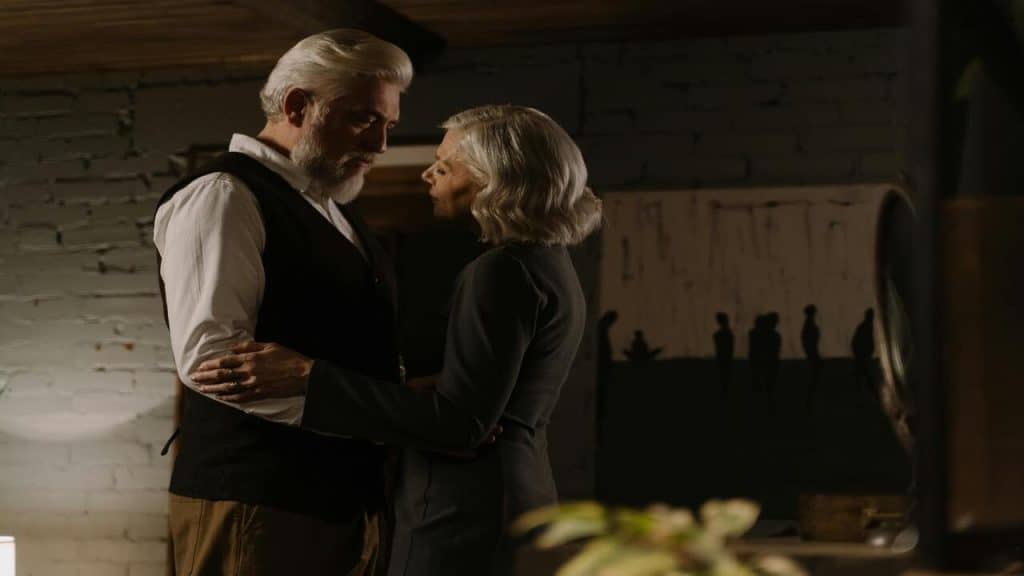
Compatibility matters more than raw emotion–but most people learn this after years of trying to “fix” things that were never meant to work. You might share love, laughs, and history… but if your values, direction, or communication don’t align, the relationship will constantly feel uphill. You don’t need to hate someone to walk away from them. Sometimes the mature choice is not staying–it’s letting go with respect.
4. Attraction Changes With Age–And So Do Your Priorities

Looks fade. Charm comes and goes. But kindness, reliability, and emotional maturity grow more attractive as the years pass. Aging quietly shifts your preferences–you start choosing people who bring stability instead of stress. You begin to realize that a beautiful face can turn ordinary fast, but a beautiful character gets more valuable with time. The lesson? Choose someone whose inner qualities appreciate like fine wine.
5. Love Alone Isn’t Enough–Habits and Behavior Matter More

You can love someone with all your heart and still feel exhausted by them. Why? Because love doesn’t undo emotional immaturity, defensiveness, poor communication, or bad habits. Over time, you learn that consistency beats intensity. Warm gestures mean little if they only appear after fights. Healthy love isn’t just a feeling–it’s a daily practice, expressed through actions, tone, and emotional responsibility.
6. Silence Can Be Louder Than Arguments

When relationships begin to fade, it’s often not because of explosive fights–but because of quiet distance. Aging teaches you to listen to the silence in a relationship: the missing conversations, the skipped check-ins, the emotional disconnect that slowly replaces connection. Arguments mean someone still cares enough to push for change. Silence means someone has already let go–they just haven’t told you yet.
7. Long-Term Love Requires Maintenance, Not Just Memories
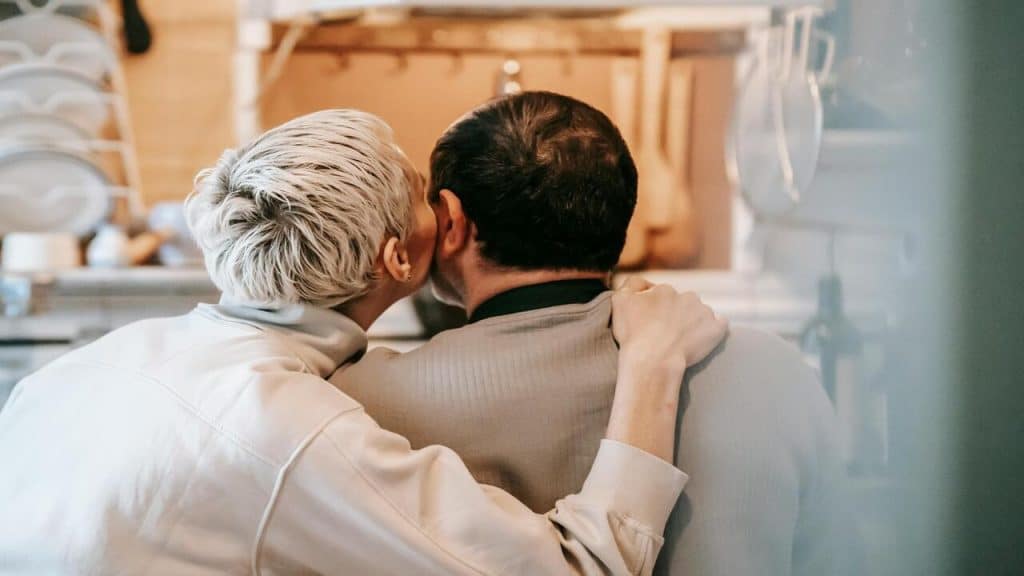
Many couples rely on shared history instead of active effort–and that’s how relationships quietly expire. Aging teaches you that memories don’t sustain connection; consistent investment does. You must keep dating each other, listening to each other, and showing appreciation long after the honeymoon phase ends. Love is like a garden–if you stop tending it, it doesn’t die overnight… but it dies slowly.
8. The Right Person Can Still Hurt You–But They’ll Also Heal With You

Conflict is unavoidable–even with the best person. But the difference between a good partner and a damaging one is how they handle emotional injury. The right person may still hurt your feelings–but they’ll acknowledge it, apologize, and work to repair the bond. They won’t dismiss your pain or turn it against you. A mature relationship isn’t one without conflict–it’s one that knows how to recover.
9. Sometimes Love Arrives After You’ve Stopped Looking

You might spend years searching for love, only to find it once you’ve finally made peace with being alone. Aging has a way of shifting your energy–when you stop chasing validation and start living authentically, you naturally attract healthier connections. Paradoxically, love often arrives once you learn to be okay without it. That’s the kind of love that feels steady–because it isn’t built on need, but on choice.
10. Emotional Loneliness Can Happen Even in Long Relationships

Aging teaches you that being partnered doesn’t guarantee emotional closeness. Some people spend years in a relationship and still feel completely unseen. The lesson? Physical presence means little without emotional presence. If your partner doesn’t ask about your inner world, support your dreams, or make space for your vulnerabilities–you may be aging beside someone, but not truly growing with them.
11. Unresolved Issues Don’t Disappear–They Resurface Stronger

Avoiding hard conversations only delays them–and often makes them worse. As you age, resentment builds faster, and patience shrinks. The harsh truth is that problems don’t solve themselves; they grow roots. Sweeping issues under the rug creates emotional debt that eventually demands repayment. It’s not about fighting more–it’s about communicating better, sooner.
12. The Way Someone Speaks to You Shows Their True Character

Tone reveals more than words. Over time, you start to notice micro-behaviors–the sigh before they respond, the dismissive sarcasm, the subtle blame-shifting. Aging makes you sensitive to energy–not just language. You learn to value soft speech, emotional safety, and respect more than grand romantic gestures. You realize that love is less about saying “I love you,” and more about how someone speaks when they’re upset.
13. Apology Doesn’t Mean Change–Action Does
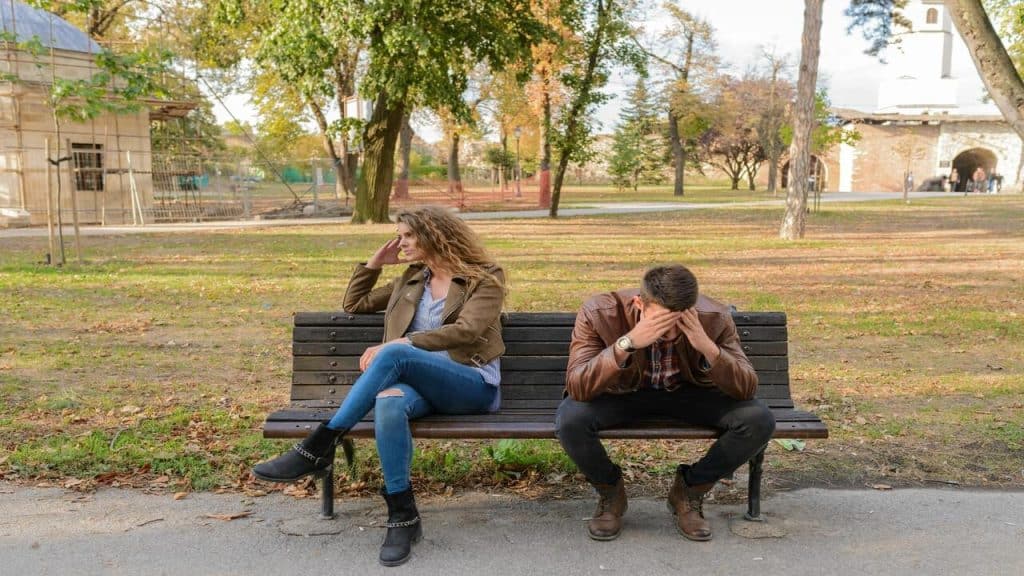
Many people apologize just to end the argument–not to repair the relationship. Aging teaches you to pay less attention to apologies and more attention to patterns. The real apology is changed behavior. Anything less is damage control. If someone keeps hurting you “accidentally,” it’s not an accident–it’s a decision.
14. Love Won’t Fix Your Personal Issues–It Often Exposes Them

Being in a relationship won’t heal your insecurities, trauma, or self-esteem–it will illuminate them. The mirror of intimacy often reveals what you’ve ignored in yourself. That’s why emotional healing is personal work, not romantic work. A healthier partner might help, but they can’t do the internal labor for you. As you age, you realize: the stronger your self-relationship is, the healthier your romantic relationships become.
15. You Outgrow Versions of Yourself–And Sometimes Your Partner Doesn’t

Sometimes, one person evolves while the other stays emotionally still. This is one of the quiet heartbreaks of aging–realizing that your growth might cost you your relationship. When this happens, many people shrink themselves to maintain the peace. But long-term, staying small destroys self-esteem. The mature choice isn’t always staying loyal to who you were–but honoring who you’ve become.
16. Love Doesn’t Always Last–But Lessons Do

Not every love story ends in forever–and that doesn’t mean it failed. Some relationships come into your life simply to shape you, prepare you, or teach you what not to accept again. As you age, regret shifts into gratitude–especially when you realize that every heartbreak carried wisdom you later needed. The best closure isn’t getting answers–it’s living better because of what you learned.
17. The Most Important Relationship Is the One You Have With Yourself

In the end, aging forces you to confront one universal truth: the longest relationship you’ll ever have is with yourself. That’s why self-respect, emotional fitness, and boundaries matter just as much as romance. The more you invest in your own well-being, the better partner you become–and the less likely you are to settle. Love is beautiful. But self-acceptance is freedom.








Ask Me Anything