
Toxic relationships aren’t always marked by cheating or dramatic betrayals. More often, they unravel through subtle behaviors that may seem harmless in the moment but chip away at love over time. These patterns can quietly damage trust, affection, and respect if left unchecked. Because they don’t look like obvious deal-breakers, many couples miss the warning signs. Here are 18 subtle ways relationships become toxic without a single instance of infidelity.
Constant Sarcasm Disguised as Humor

Playful teasing is healthy, but constant sarcasm can feel like a hidden attack. Over time, jokes that cut too deeply start to wear down self-esteem. What seems funny on the surface often masks resentment or frustration. A partner on the receiving end may feel belittled rather than cherished. When humor always comes at someone’s expense, it quietly poisons the bond.
One Partner Making All the Decisions

Decision-making should feel balanced, not one-sided. When one partner always chooses where to eat, how money is spent, or what plans are made, the other starts to feel powerless. It may not look like control at first, but over time it breeds resentment. Relationships thrive on equality and shared input. A lack of collaboration slowly shifts love into dominance.
Using Guilt to Control Choices

Guilt is sometimes used as leverage instead of honest communication. Phrases like “If you really loved me, you’d do this” pressure a partner into compliance rather than agreement. Over time, this creates resentment and damages trust. A relationship built on guilt becomes about obligation instead of choice. Healthy love never weaponizes guilt.
Jealousy Disguised as Protectiveness

Caring for a partner’s well-being is natural, but jealousy cloaked as protection becomes toxic. Checking in constantly or policing interactions may be framed as concern, but it erodes trust. Over time, the relationship feels suffocating rather than supportive. Genuine care empowers freedom, not restriction. Love cannot grow in an environment of disguised control.
Dismissing or Belittling Emotions

When emotions are brushed off with phrases like “You’re overreacting,” it creates distance. Over time, the dismissed partner stops sharing altogether. Emotional invalidation breaks trust and intimacy, even if love still exists. Respect means taking feelings seriously, even when they seem small. Ignoring emotions makes love feel conditional.
Keeping Score of Past Mistakes
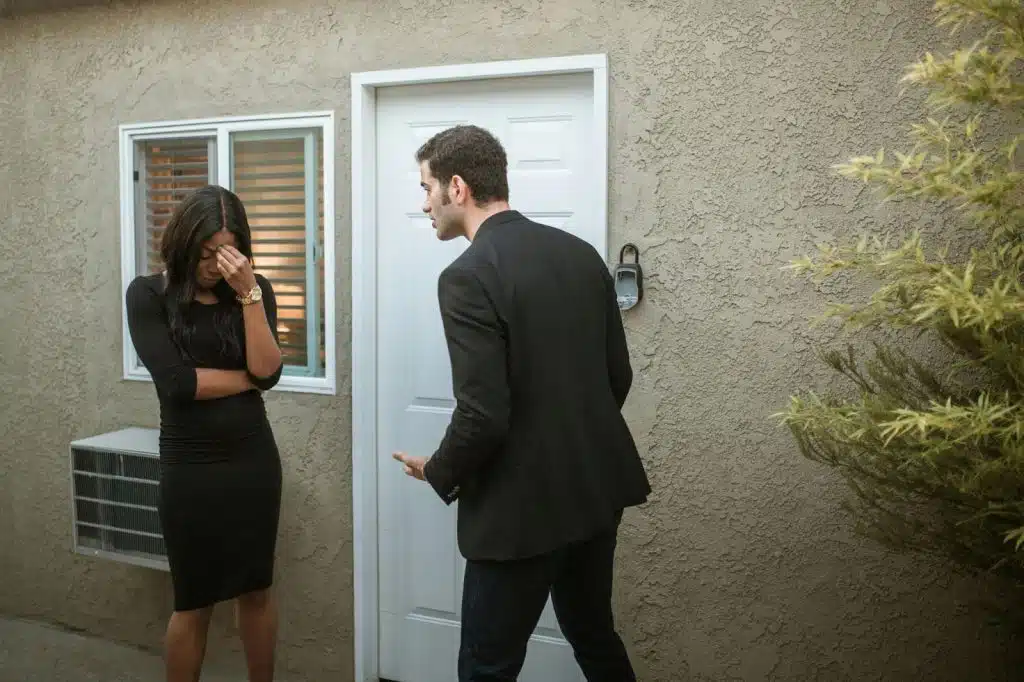
Every couple makes mistakes, but keeping score keeps wounds alive. Constantly bringing up old arguments or failures prevents healing. Love cannot thrive under a tally system of grievances. Forgiveness and growth should replace resentment. Without letting go, the past becomes a weapon that overshadows the present.
Criticism That Feels Personal, Not Constructive

Constructive feedback strengthens relationships, but personal criticism tears them down. Remarks that attack character rather than behavior chip away at self-worth. Over time, partners begin to feel judged instead of supported. Love loses warmth when criticism replaces encouragement. Respect requires framing issues without demeaning the person.
Ignoring Boundaries

Healthy boundaries protect individuality within a relationship. When one partner consistently dismisses those boundaries, trust suffers. It might be snooping on a phone, disregarding personal space, or ignoring comfort levels. While love encourages closeness, it should never erase respect for autonomy. Ignored boundaries slowly destroy safety in the relationship.
Silent Treatment as Punishment

Silence used as punishment creates fear and uncertainty rather than resolution. Instead of solving problems, it leaves one partner in emotional limbo. Over time, it conditions avoidance instead of healthy dialogue. While cooling off is natural, intentional silence is destructive. Love cannot thrive in an atmosphere of punishment.
Passive-Aggressive Behavior

Indirect communication often hides resentment. Sarcastic remarks, backhanded compliments, or subtle jabs may feel safer than open confrontation, but they create long-term tension. Over time, unspoken hostility builds walls between partners. Passive-aggressive behavior avoids conflict but breeds disconnection. Direct honesty is healthier than hidden bitterness.
Defensiveness That Shuts Down Dialogue

Defensiveness makes it impossible to resolve issues. When one partner refuses to listen or instantly counters criticism, the conversation stalls. Over time, problems remain unsolved and resentment grows. Love cannot deepen without vulnerability and accountability. Defensiveness locks the door on both.
Prioritizing Outside Validation Over the Relationship

Relying too heavily on approval from friends, colleagues, or social media creates distance in the relationship. It signals that outside opinions matter more than the partner’s perspective. Over time, this imbalance weakens intimacy and trust. Validation should come primarily from within the relationship, not beyond it. Constant comparison breeds quiet dissatisfaction.
Withholding Affection to Gain Leverage

Affection should never be used as a bargaining tool. When hugs, kisses, or intimacy are withheld to manipulate behavior, the relationship feels transactional. Love becomes a negotiation instead of a bond. Over time, this tactic erodes trust and connection. Affection should flow freely, not as conditional reward.
Comparing a Partner to Others

Subtle comparisons, whether to exes, friends, or even strangers, cut deeply. Even casual remarks like “Why can’t you be more like…” make a partner feel inadequate. Over time, comparisons undermine confidence and create resentment. Every relationship should be valued for its uniqueness. Comparison poisons love with insecurity.
Treating Kindness as Optional Instead of Consistent

Kindness should not disappear after the honeymoon phase. When politeness and courtesy fade, partners may feel taken for granted. Over time, the absence of kindness feels like neglect. Love is sustained by small acts of care and thoughtfulness. Without them, connection quietly withers.
Making Love Conditional on Performance

Love loses its meaning when it’s tied to conditions like income, achievements, or appearances. Conditional affection leaves partners feeling they must constantly “earn” love. Over time, this creates exhaustion and insecurity. True intimacy thrives on acceptance, not performance. Love tied to conditions isn’t love at all.
One-Sided Effort in Problem-Solving

When one partner carries the entire weight of resolving conflicts, imbalance sets in. Over time, the responsible partner feels drained and unappreciated. Problems cannot be solved by one side alone. Relationships require teamwork and shared responsibility. Without it, love feels like a burden instead of a bond.
Treating a Partner More Like Competition Than Teammate
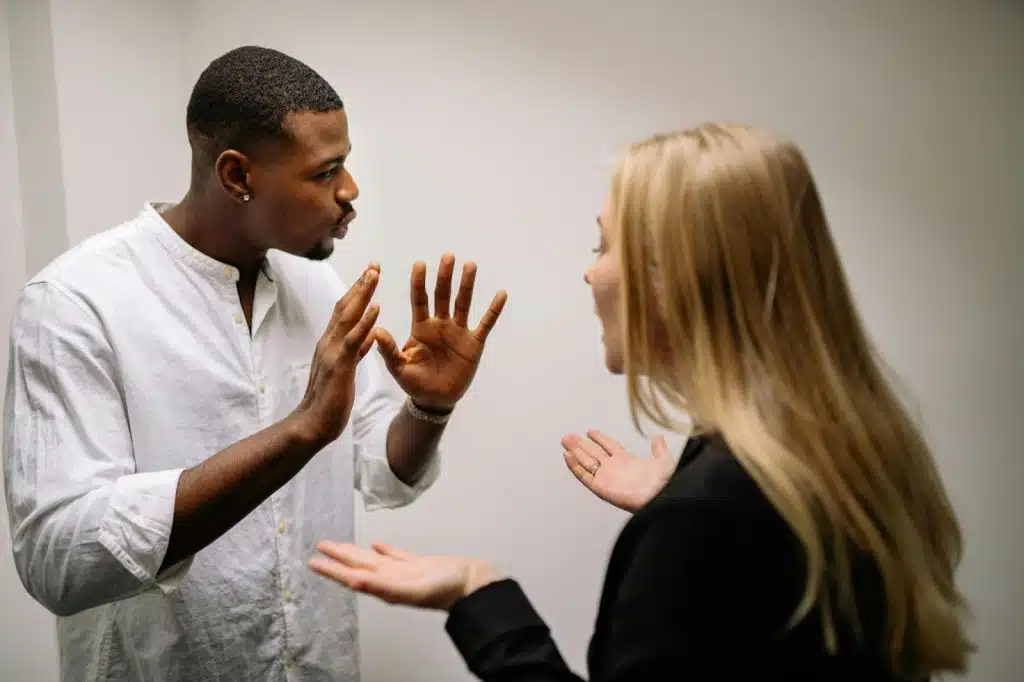
Relationships are meant to be partnerships, not rivalries. When success is measured against each other, resentment grows. Subtle competition in achievements, careers, or even social circles shifts the relationship into rivalry. Love thrives when partners celebrate each other, not compete. Toxicity begins when teammates turn into opponents.
Conclusion

Toxicity in relationships often arrives quietly, without obvious betrayals like cheating. It seeps in through everyday habits, words, and attitudes that seem small but have big consequences. These 18 patterns show how love can erode without anyone realizing what’s happening. Recognizing them is the first step to reversing the damage. A healthy relationship isn’t built on avoiding cheating alone, it’s built on respect, kindness, and balance every single day.








Ask Me Anything