
You do not end up in a miserable marriage by accident. It happens through repetition. The same disrespect, the same shutdowns, the same cold habits get repeated so often that they stop feeling shocking and start feeling normal.
That is the part people miss. Toxic patterns are not always loud enough to scare you right away, but they can drain the life out of a marriage little by little until being around each other feels heavy, tense, and quietly hopeless.
Blame Becomes the Default Language

Every conversation starts to sound like a case being built. One person is always the problem, the other is always defending themselves, and even a simple issue like being late or forgetting something turns into a character attack. Gottman’s relationship research has long flagged criticism as one of the most damaging habits in distressed couples because it stops being about the issue and starts becoming about who the other person is as a human being.
Every Complaint Gets Met With Defensiveness

Nothing gets absorbed. One person brings up a concern, the other immediately explains, denies, redirects, or counters with their own complaint. That kind of reflex makes real repair nearly impossible because the conversation never lands anywhere. It just bounces back and forth until both people feel misunderstood and even more irritated than when they started.
Contempt Starts Leaking Into the Marriage

This is where the tone gets ugly. Eye rolling, mocking, sneering, talking down, acting disgusted, using hostile humor, all of it signals that respect is already rotting. Gottman identifies contempt as the strongest predictor of divorce, not because it looks dramatic, but because it tells your partner, very clearly, that they are beneath you.
Silence Gets Used Like a Weapon

Not every bad marriage is loud. Some of them are freezing cold. One person shuts down, leaves the room, stops replying, or gives that dead-faced silence that says, “You are not getting anything from me.” Stonewalling often shows up when someone feels overwhelmed, but when it becomes a regular habit, it turns conflict into isolation instead of resolution. Gottman includes stonewalling as one of the classic destructive patterns that show up in marriages on the rocks.
They Keep Score Like Opponents

Who apologized last? Who does more around the house? Who gave in last time? Who earns more? Who sacrifices more? Once a marriage turns into a running scoreboard, generosity disappears. Nobody feels loved because every decent act starts carrying a receipt attached to it, and that kind of quiet bookkeeping drains warmth out of the relationship fast.
Old Wounds Never Stay in the Past

The current argument is never just about the current argument. Five minutes in, someone brings up the affair from years ago, the old lie, the financial mistake, the humiliating thing said during a vacation, whatever still has blood on it. That habit keeps the marriage trapped in emotional reruns. Even when people say they moved on, their fighting style exposes what never actually healed.
Hard Conversations Keep Getting Avoided
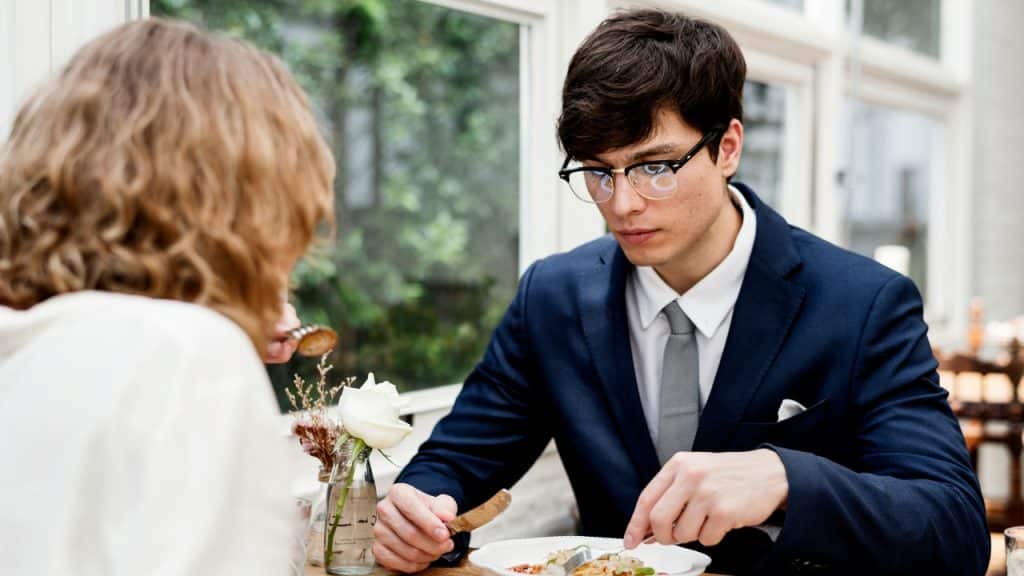
Some couples are not constantly fighting because they have figured things out. They are not fighting because they stopped trying to deal with anything real. Money, sex, resentment, parenting, in-laws, disappointment, all of it gets pushed aside to avoid another exhausting discussion. The house may look calm, but it is the kind of calm that usually comes from emotional retreat, not peace.
They Vent to Everyone Except Each Other
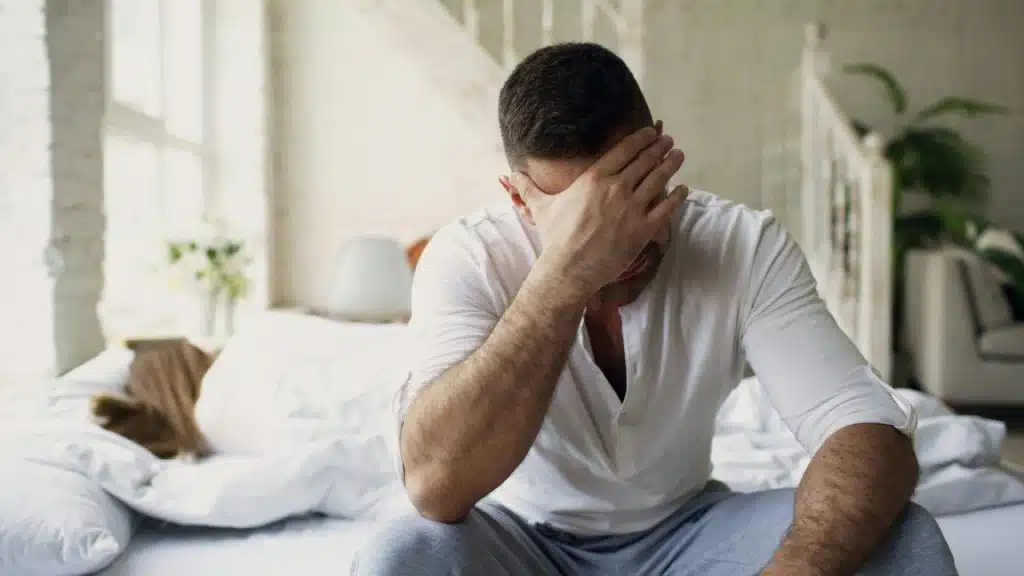
Friends know the whole story. Siblings know the whole story. Coworkers somehow know the whole story. The only person not getting the honest version is the spouse. That pattern creates a strange kind of distance because one partner feels deeply discussed but never deeply understood. It also makes the marriage easier to disrespect because once frustration gets performed for an audience, direct communication usually gets weaker.
One Person Keeps the Peace by Disappearing

There is always one spouse who says, “It’s fine,” far too quickly. They go along, stay agreeable, swallow the irritation, and avoid pushing back because conflict feels more exhausting than self-betrayal. For a while, that can look like maturity. It is not. It is emotional self-erasure, and it usually turns into resentment later when the unspoken frustration finally starts leaking out in colder, sharper ways.
The Same Pursue and Withdraw Dance Keeps Happening

One person wants to talk now, fix it now, resolve it now. The other shuts down, gets distant, leaves, or mentally clocks out. That cycle is brutal because both people end up confirming each other’s worst fears. The one who pushes feels abandoned, and the one who withdraws feels attacked. Relationship research often describes this criticism, defensiveness, and withdrawal chain as a core pattern in marriages that keep spiraling downward.
Vulnerabilities Get Turned Into Weapons

This one changes the emotional climate of a marriage fast. A fear that was shared in private gets thrown back during an argument. A past failure becomes ammo. An insecurity is used for maximum damage because someone wants to win the fight. Once that happens enough times, emotional honesty dries up. People stop opening up when they know their soft spots may be dragged out the next time things get ugly.
Control Gets Mistaken for Care

One partner starts monitoring instead of trusting. There is too much checking, too much questioning, too much pressure around where the other person is, who they talk to, how they spend time, and how they spend money. Sometimes it gets dressed up as love, concern, or standards. It still feels suffocating on the receiving end. A marriage cannot feel emotionally safe when one person is always being managed.
Passive Aggression Replaces Honest Speech

Nobody says the full truth, but the hostility is still in the room. It shows up in sarcasm, icy politeness, “forgetting” things on purpose, muttered comments, and that classic nothing-is-wrong energy that somehow feels worse than a direct argument. Passive aggression keeps people technically civil while quietly making the relationship more hostile and more confusing.
Being Right Matters More Than Being Close

Some couples argue like they are in court. Every detail gets corrected, every memory gets challenged, every disagreement becomes a contest over who is more reasonable, more accurate, more justified. That need to win sounds petty when written out, but in real marriages, it can become a whole operating system. Once the ego takes over, understanding stops being the goal.
Appreciation and Affection Dry Up

This is not always dramatic enough to get called toxic, but it absolutely can be. The compliments stop. The small thanks disappear. Physical warmth fades. Nobody reaches first. Nobody softens first. Gottman’s work on relationship stability has consistently emphasized the protective power of positive interactions and appreciation, which is exactly why their absence leaves a marriage so exposed to negativity.
Repair Attempts Stop Working Because Nobody Trusts Them Anymore

At some point, even the decent moments stop landing. A joke meant to lighten the mood feels irritating. An apology feels strategic. A kind gesture feels temporary. This is what repeated toxicity does. It makes both people suspicious of anything good because they have seen the cycle too many times. The marriage starts feeling less like a relationship in trouble and more like a pattern nobody knows how to exit.








Ask Me Anything