
Friendship should add joy, support, and meaning to your life–not drain you of energy or peace. But many adults, even in their 40s, 50s, or 60s, still tolerate toxic behaviors from friends simply because they’ve “known them forever” or don’t want to rock the boat. By this stage in life, you’ve likely built a circle of people who matter, but not every long-standing friend deserves a permanent spot in your life.
Recognizing toxic patterns isn’t about being ruthless; it’s about protecting your emotional well-being and surrounding yourself with people who uplift you. Here are 17 behaviors no mature adult should continue to excuse or put up with.
1. Constant One-Sided Conversations

Friendship is a two-way street. If every interaction revolves around their stories, their problems, and their victories while they barely ask about yours, that’s not friendship–it’s an audience. Mature adults shouldn’t waste time on friends who treat conversations like a stage rather than a dialogue. Start paying attention to whether you leave chats feeling heard or invisible. If you notice a clear imbalance, it’s time to address it or step back.
2. Guilt-Tripping You for Setting Boundaries

Boundaries are a sign of healthy, mature relationships, yet some friends treat them like personal attacks. If you say “no” and they sulk, lash out, or make you feel guilty, that’s manipulation in disguise. A good friend respects your time, your space, and your limits. By midlife, you don’t need to justify every decision–you need people who understand without making you carry emotional debt.
3. Competitive “Support” That Undercuts You

There’s a difference between healthy motivation and subtle sabotage. Toxic friends sometimes respond to your wins by immediately highlighting their own or downplaying yours. If every achievement of yours is met with a comparison, you’re not being celebrated–you’re being undermined. Mature friendships should amplify joy, not shrink it. Notice whether they can truly be happy for you without shifting the spotlight.
4. Disappearing When You Need Them Most

A friend who’s always there for the fun but goes missing when life gets hard is showing you where their priorities lie. Emotional reliability is non-negotiable as an adult. You shouldn’t have to chase someone down for basic support, especially when you’ve shown up for them. True friendship is tested during tough seasons, not vacation photos.
5. Making You Feel Drained After Every Interaction

Pay attention to your energy after hanging out. Do you feel uplifted, or do you feel like you’ve just finished emotional hard labor? Toxic friendships often drain more than they give, leaving you mentally or emotionally exhausted. By now, you should be curating your relationships to protect your peace. A consistent energy drain is not something to rationalize–it’s a red flag.
6. Refusing to Celebrate Your Growth

As you evolve, not everyone will cheer you on. Some friends get uncomfortable when you grow because it forces them to confront their own stagnation. If they dismiss your progress, minimize your goals, or say things like “you’ve changed” as if it’s a bad thing, that’s insecurity talking. Mature adults should surround themselves with people who applaud growth, not resist it.
7. Talking Behind Your Back

Gossip from a supposed friend is one of the clearest signs of toxicity. If word keeps coming back to you that they’ve been sharing your private struggles or mocking you to others, trust that pattern. By this age, you know trust takes years to build and seconds to destroy. A friend who betrays your confidence doesn’t deserve continued access to it.
8. Making Everything a Transaction

Some friends keep mental scorecards: who paid last, who owes what favor, who showed up more. Relationships like this feel more like bookkeeping than connection. If generosity is always tied to a payback expectation, you’re not in a friendship–you’re in a contract. Mature adults should invest in friendships that flow with ease, not ones built on ledgers.
9. Belittling Your Feelings or Experiences

If you share something meaningful and they dismiss it with “you’re overreacting” or “that’s nothing,” they’re minimizing your humanity. Emotional invalidation chips away at self-worth over time. Friends don’t need to fully understand every struggle, but they do need to respect that it matters to you. Stop excusing people who make you feel small for being vulnerable.
10. Never Owning Their Mistakes
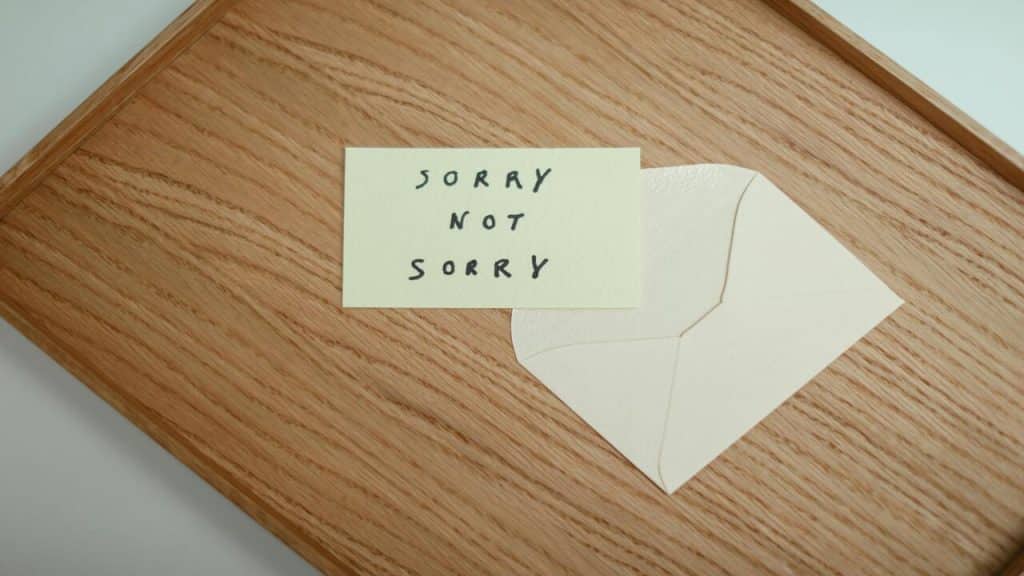
We’ve all slipped up in friendships, but accountability is key. Toxic friends dodge responsibility, deflect blame, or twist the story until you’re somehow at fault. By this point in life, you know integrity matters more than ego. A friend unwilling to say “I messed up, I’m sorry” is a friend who will keep repeating the same cycle.
11. Only Reaching Out When They Need Something

There’s a difference between someone who leans on you during tough times and someone who only remembers you exist when they need a ride, money, or a favor. If they vanish until their next crisis, that’s not connection–it’s convenience. Notice whether they check in just to check in. Real friends don’t treat you like a hotline or an ATM.
12. Undermining Your Relationships or Family

A toxic friend may subtly plant doubts about your partner, criticize your family, or stir up tension in your closest bonds. Sometimes it’s masked as “concern,” but the result is division. Protecting your home life and key relationships is crucial. Mature adults know the difference between constructive concern and someone who thrives on chaos.
13. Acting Resentful of Your Success

Instead of celebrating your milestones, some friends respond with envy or resentment. They may joke about your “luck” or act distant when good things happen to you. This behavior reveals insecurity and bitterness, not genuine care. Friends who resent your wins don’t belong in your inner circle. By now, you need allies, not saboteurs.
14. Using You as Their Emotional Dumping Ground

Everyone needs to vent sometimes, but there’s a difference between occasional sharing and constant unloading. If every conversation is a monologue of complaints and drama with no room for balance, you’re being used as a dumping ground. Friendships should be mutual, not therapy sessions where you’re always the unpaid counselor.
15. Mocking or Disrespecting Your Beliefs

Healthy friendships can handle differences in politics, faith, or lifestyle choices–but only with mutual respect. If a friend mocks your values, ridicules your convictions, or belittles what matters deeply to you, that’s not banter, it’s disrespect. By midlife, you should prioritize relationships that can agree to disagree with dignity.
16. Creating Drama for Entertainment

Some people thrive on stirring the pot–spreading rumors, exaggerating conflicts, or pitting people against each other. Toxic friends like this mistake chaos for excitement. But constant drama is exhausting and corrosive to peace. Mature adults don’t need soap opera energy in their lives. Protect your calm by stepping away from friends addicted to conflict.
17. Making You Doubt Your Worth

At the heart of it, the most toxic friends are the ones who make you question your value. Whether through constant criticism, backhanded compliments, or subtle digs, they chip away at your self-confidence. By this stage of life, you’ve earned relationships that build you up, not tear you down. Don’t tolerate anyone who makes you feel “less than.”








Ask Me Anything