
Love can make us second-guess ourselves. In the rush to keep the peace or avoid conflict, many people fall into the trap of apologizing for things that don’t actually require an apology. But here’s the truth: saying “sorry” too often for things that are simply part of being human can water down your confidence and even your partner’s respect for you. A healthy relationship doesn’t ask you to shrink yourself–it asks you to show up as your full, authentic self.
Here are 17 surprising things you should never feel guilty about in love. Instead of apologizing, stand firm and recognize these are signs of your individuality, not flaws.
1. Needing Time Alone

Craving solitude doesn’t mean you love your partner any less–it means you’re human. Alone time is where people recharge, reflect, and keep their sense of self intact. Instead of apologizing for needing space, be honest about why it matters. Tell your partner it allows you to return more refreshed and present. Healthy couples understand that “me time” makes the “we” stronger.
2. Having Personal Goals Outside the Relationship

Your career ambitions, creative projects, or fitness milestones aren’t selfish–they’re part of who you are. Many people apologize for wanting to chase dreams outside their love life, fearing it looks like neglect. The truth? A strong relationship thrives when both people grow individually. Share your goals openly, and invite your partner to cheer you on.
3. Saying No When You Mean It

Boundaries are not acts of rejection; they’re acts of self-respect. Apologizing for saying “no” dilutes your voice and makes it harder for your partner to know where you truly stand. Whether it’s declining a night out, turning down intimacy when you’re not in the mood, or saying no to something you don’t believe in, your refusal is valid. A partner who respects you won’t need a constant apology to accept it.
4. Expressing Your Feelings Honestly

Too many people say “sorry” before sharing how they really feel. But your emotions aren’t a burden–they’re a compass. If something hurts, excites, or worries you, it deserves a place in the conversation. Instead of softening your words with an apology, practice expressing them calmly and clearly. Your feelings are part of the relationship, not an inconvenience.
5. Wanting Physical Affection

Longing for touch, kisses, or intimacy doesn’t make you needy–it makes you normal. Apologizing for wanting physical closeness can create unnecessary shame. Instead, express it openly. Saying “I’d love a hug” or “I miss holding hands” builds intimacy without guilt. Physical connection is a vital part of most relationships, and there’s no reason to be sorry for craving it.
6. Prioritizing Your Mental Health

Therapy sessions, quiet evenings to decompress, or coping strategies aren’t weaknesses–they’re maintenance. Don’t apologize for protecting your mental well-being. A partner who loves you will want to see you balanced and healthy, not drained from constantly pushing yourself too hard. Set the tone by treating your mental health as non-negotiable, just like physical health.
7. Asking Questions About the Relationship

Checking in on where things are headed, asking about your partner’s intentions, or seeking clarity about boundaries isn’t being “clingy.” It’s being emotionally responsible. You deserve to understand the dynamic you’re in. Instead of apologizing for “overthinking,” reframe it as caring enough to invest in the relationship’s direction.
8. Keeping Friendships Alive

Some partners get uncomfortable when friendships outside the relationship take up time or attention. But your social circle is part of your support system, not a betrayal. Don’t apologize for catching up with old friends, maintaining bonds, or spending time with people who make you happy. A balanced love life includes community, not isolation.
9. Wanting Romance and Effort

It’s not “high maintenance” to want date nights, thoughtful gestures, or emotional attentiveness. Romance is the fuel that keeps relationships alive, and it’s fair to expect effort. Instead of apologizing for wanting more, be clear about what fills your love tank. The right partner won’t see it as nagging–they’ll see it as guidance.
10. Having Different Tastes and Opinions

Disagreeing doesn’t mean you’re incompatible–it means you’re two individuals. Stop apologizing for not liking the same music, food, or political views. Differences can create balance and richness in a relationship when handled with respect. Focus on how you navigate those differences instead of trying to erase them with endless “sorrys.”
11. Needing Reassurance Sometimes

Everyone has moments of insecurity. Asking your partner to remind you they care or to show a bit more affection doesn’t make you weak. Apologizing for these moments only deepens the shame spiral. Instead, normalize occasional reassurance as part of emotional intimacy. Healthy couples check in with each other, even about small things.
12. Protecting Your Financial Independence
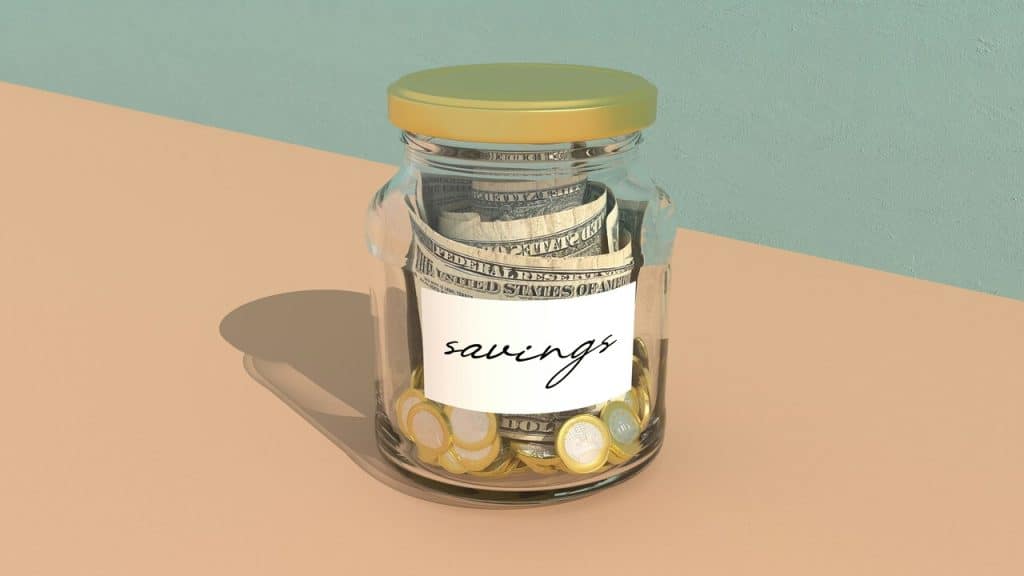
Whether you split bills evenly or not, your money is still your responsibility. Don’t apologize for wanting financial independence or separate accounts. It’s not about secrecy; it’s about security and self-respect. A partner who truly values you will see independence as strength, not a threat.
13. Changing Your Mind

It’s natural to grow and shift opinions over time. What you wanted at the start of the relationship may not be the same a year in–and that’s okay. Stop apologizing for evolving. As long as you communicate your changes honestly, your partner should appreciate the growth rather than guilt you for inconsistency.
14. Having a Past

Your history–whether it’s past relationships, mistakes, or experiences–shaped who you are today. Apologizing for it is like disowning your own story. Instead of hiding, be upfront if it’s relevant, but don’t dwell on guilt. The right partner will see your past as a roadmap that brought you to them, not as baggage.
15. Wanting Clear Communication

Asking for directness and honesty in conversations isn’t demanding–it’s essential. Don’t apologize for needing clarity instead of mixed signals. Good communication prevents misunderstandings and strengthens trust. If your partner makes you feel guilty for asking to talk things through, that’s their discomfort–not your fault.
16. Putting Yourself First Sometimes

There will be moments when your needs take priority, and that’s okay. Apologizing for self-care or choosing what’s best for you in the moment only weakens your boundaries. Relationships should be about give and take, not give and apologize. When you put yourself first in healthy ways, you teach your partner how to respect your value.
17. Leaving When It’s No Longer Right
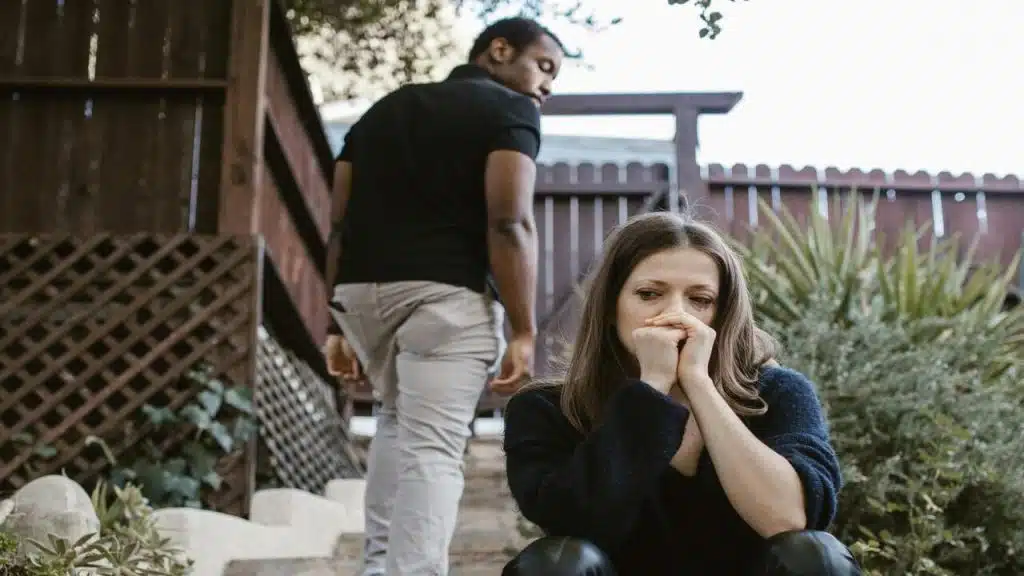
Walking away from a relationship that no longer supports your growth or happiness is one of the hardest choices you’ll ever make. But it’s never something you should apologize for. Staying in love out of guilt serves no one–it drains both of you. Leaving doesn’t erase the love that was shared; it simply acknowledges that love in its healthiest form sometimes means letting go.








Ask Me Anything