
Divorce is often talked about as the end of a love story. But many women say the hardest parts aren’t always about missing the person. They’re about missing the structure, the familiarity, and the “two-person system” that used to exist. It’s possible to feel relief about the divorce and still miss pieces of the married life. That doesn’t mean the divorce was wrong. It means real life has rhythms and supports that are easy to take for granted until they’re gone. Some of what’s missed is practical. Some of it is emotional, but not romantic. And some of it is simply the comfort of a shared routine. These 17 things highlight what women can miss after divorce that has nothing to do with love.
The Two-Person System: When Life Stops Having a Built-In Partner
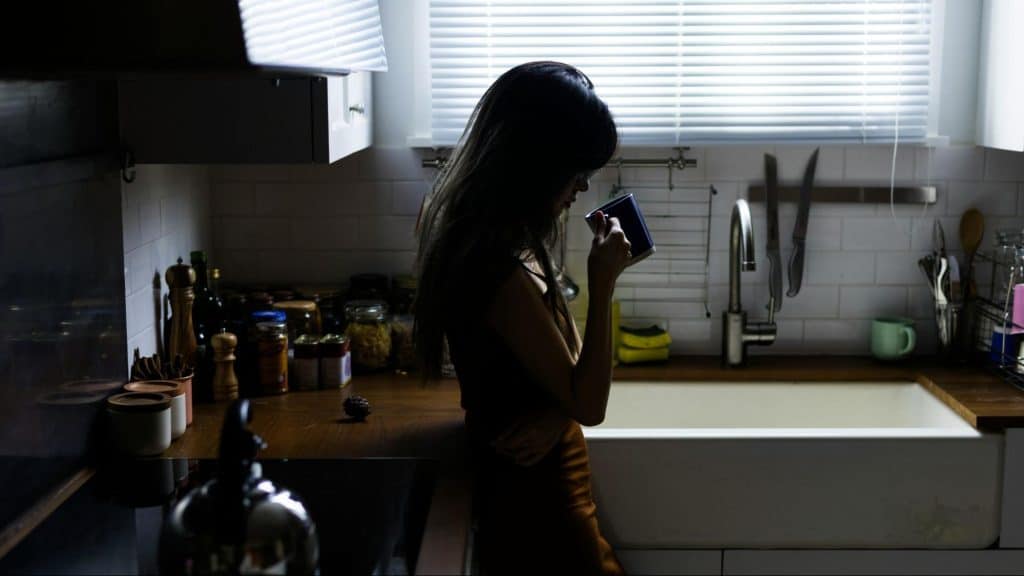
Marriage often creates a built-in teammate. Even in imperfect marriages, there’s usually someone else in the system. After divorce, the system becomes solo. That shift can feel heavy, even if the relationship itself wasn’t fulfilling. Many women don’t miss the partner’s personality as much as they miss having someone “in the trenches.” Shared responsibility can reduce stress. Shared presence can reduce loneliness. When that disappears, life feels louder and more demanding. These misses are about structure, not romance. They’re about the practical comfort of not doing everything alone.
Having a Default Person for Small Problems

In marriage, small problems often get shared automatically. A flat tire, a confusing bill, a stressful email, a sick day. After divorce, those problems become solo decisions. This can create decision fatigue, especially in the early months. The issue is not love; it’s load. A default person can make life feel less overwhelming. Without that, stress feels sharper and more personal. Many women miss the simple relief of having someone to ask. Even when the marriage had conflict, the practical backup still existed. Losing that backup can feel surprisingly emotional.
The Comfort of Shared Daily Logistics
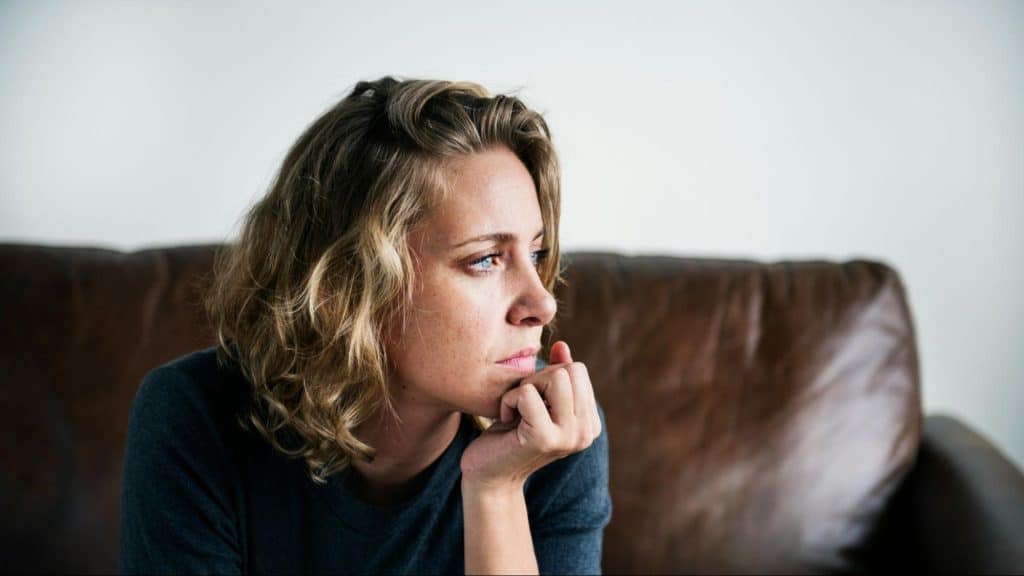
Daily life runs smoother when responsibilities are split. Groceries, errands, home maintenance, and scheduling often had a shared rhythm. After divorce, every task has to be planned and executed alone. This can feel exhausting, especially if the home and family responsibilities remain the same. Some women don’t miss the relationship, but they miss the efficiency of the system. Efficiency reduces mental load. Mental load affects mood and energy. Energy affects everything from motivation to confidence. This is why divorce can feel tiring even when it’s the right choice. It’s not about love. It’s about workload.
The “Someone Is There” Feeling at Night
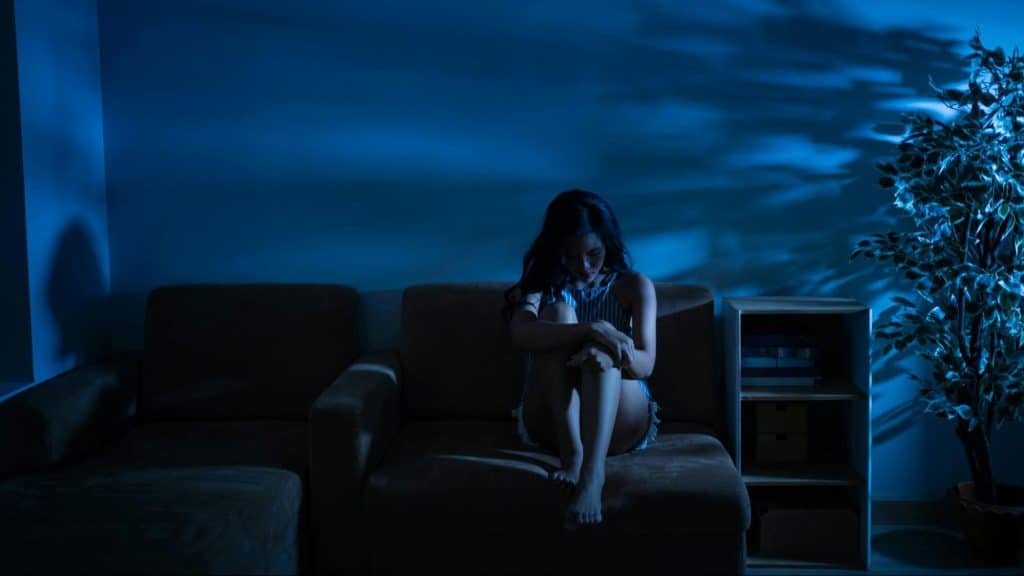
Nighttime can feel different after divorce. It’s quieter, and quiet can feel peaceful or lonely depending on the day. Many women miss the background presence of another adult in the home. Not necessarily conversation or affection, but the sense that someone is there. This is especially noticeable when the house is dark and silent. It can also show up during storms, sickness, or anxiety. Presence can reduce stress even without romance. The nervous system often calms when it’s not alone. Missing that presence is normal and doesn’t mean regret. It means the home atmosphere has changed.
The Routine and Rhythm: What Stability Used to Provide
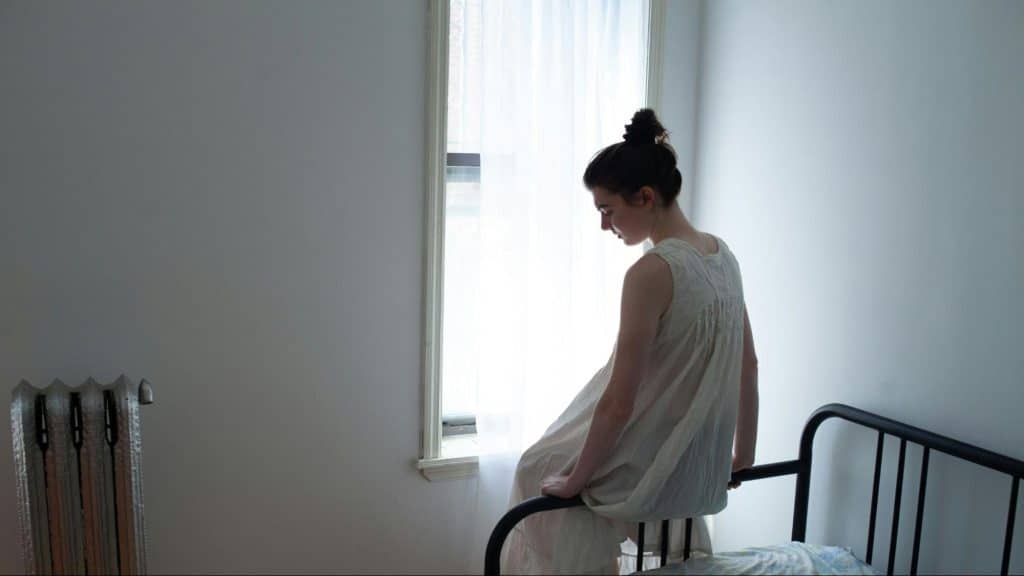
Marriage often creates rhythms: shared meals, weekends, holidays, and predictable routines. After divorce, those rhythms break. Life becomes more flexible but also more unstructured. Some women miss having predictable patterns. Patterns reduce mental load because decisions are fewer. When patterns disappear, even simple weekends can feel uncertain. Many women don’t miss the spouse, but they miss what “normal” used to look like. The brain likes familiar structure. Structure can feel comforting even in a flawed relationship. Rebuilding personal routines takes time. This is one reason early divorce life can feel disorienting.
The Familiar Weekend Pattern
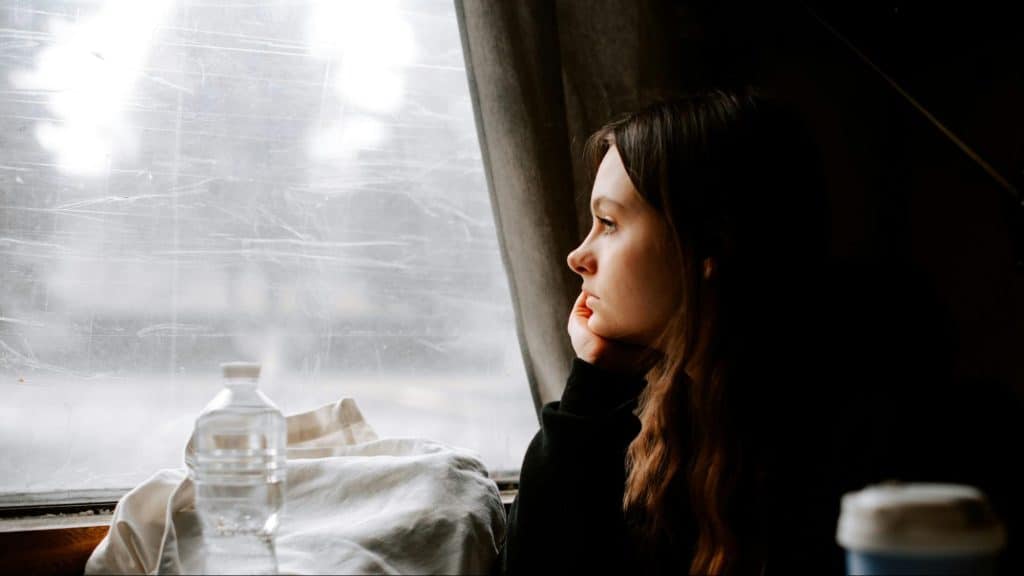
Weekends in marriage often had a default flow. Even if it wasn’t exciting, it was predictable. After divorce, weekends can feel wide and empty. Some women miss having built-in plans, even simple ones like errands and meals together. It’s not about romance; it’s about having a shared rhythm. Without it, time can feel heavier. This is especially true when friends are busy or in different life stages. Rebuilding a weekend identity takes time. Freedom can be beautiful, but it can also feel strange at first. Missing the routine doesn’t mean missing the person.
Holiday Structure and Traditions
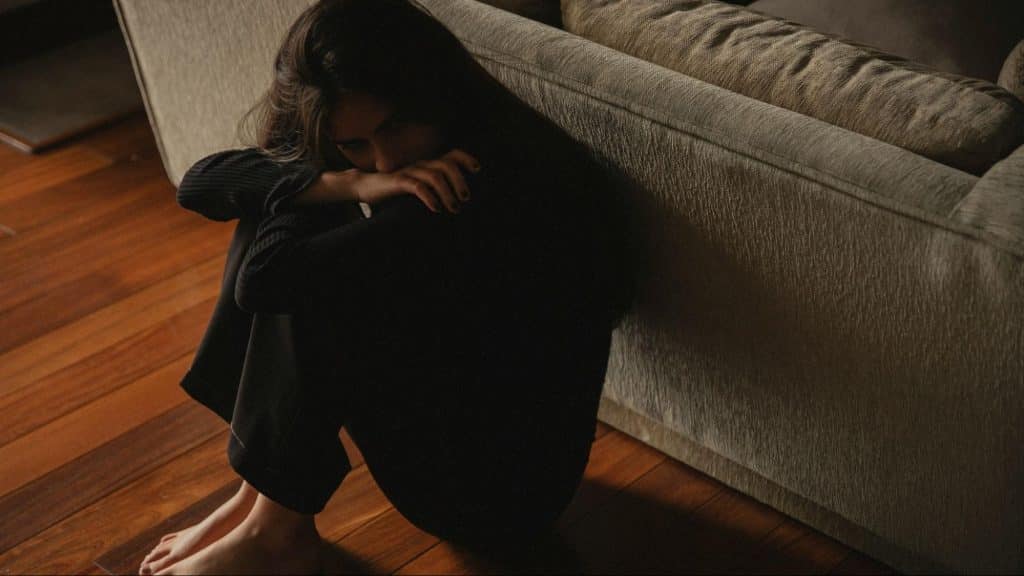
Holidays often carry family structure, even if they come with stress. After divorce, traditions can change or disappear. Some women miss the familiarity of how holidays were done. They may also miss having a partner for family events. Going alone can feel exposed. It can also trigger questions from others, which adds pressure. Holidays may also bring co-parenting scheduling complications. Even without kids, family gatherings can feel different. Missing traditions is often missing comfort, not love. It’s missing the “script” that used to guide the day.
The Shared “Life Narrative” People Recognized

Marriage often gives people a shared identity: “them as a couple.” After divorce, that identity changes. Some women miss being seen as part of a unit. Social settings can feel different when a couple’s identity is gone. It’s not about romance, it’s about social belonging. People also treat married women differently in some spaces. Divorce changes how others interact, sometimes subtly. That change can feel isolating. The woman may feel like her life story is suddenly separate, not shared. Rebuilding personal identity can be empowering, but it can also feel lonely at first.
The Social and Identity Shifts: When the World Treats You Differently
Divorce changes social life in practical ways. Friend groups shift, invitations change, and some couples become awkward around divorced friends. This is not always intentional cruelty. Sometimes people don’t know what to say. Sometimes they worry about taking sides. Some women miss the social ease of being part of a couple. Couplehood often comes with built-in social access. Divorce can reduce that access. This creates a sense of social friction that wasn’t there before. Again, it’s not love. It’s lifestyle and social structure.
The Convenience of Couple Social Life
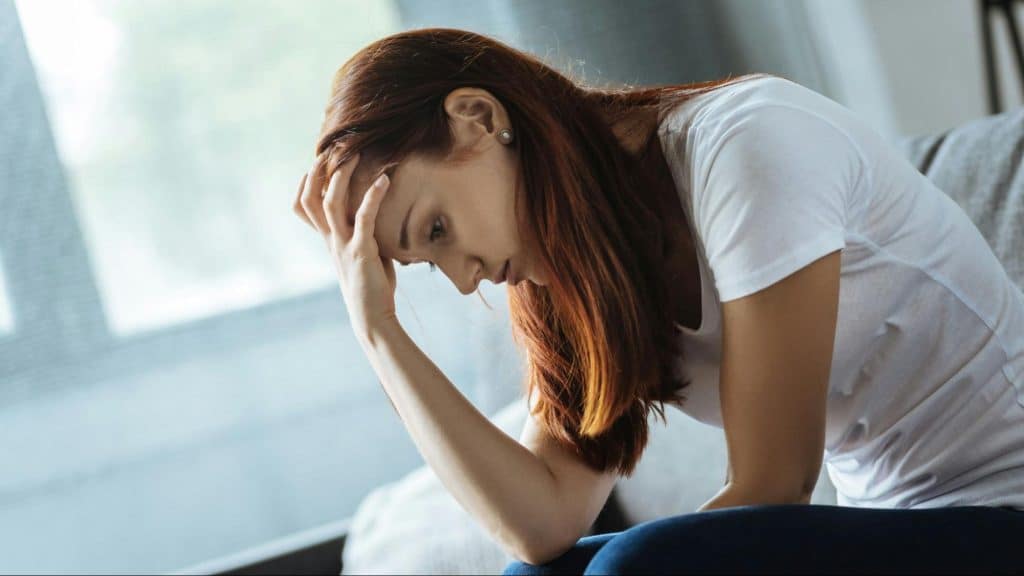
Many events are designed for couples. Dinners, weddings, gatherings, and trips often assume a “plus one.” After divorce, attending solo can feel uncomfortable. Some women miss the ease of having a built-in companion. Not because they miss the person, but because they miss the comfort of not going alone. Solo attendance can also feel like being on display. People may ask questions, and that can be tiring. This is a social dynamic issue, not a romantic one. The loneliness is situational, not emotional attachment. It often improves as confidence and social routines rebuild.
The Automatic Adult Backup at Family Events
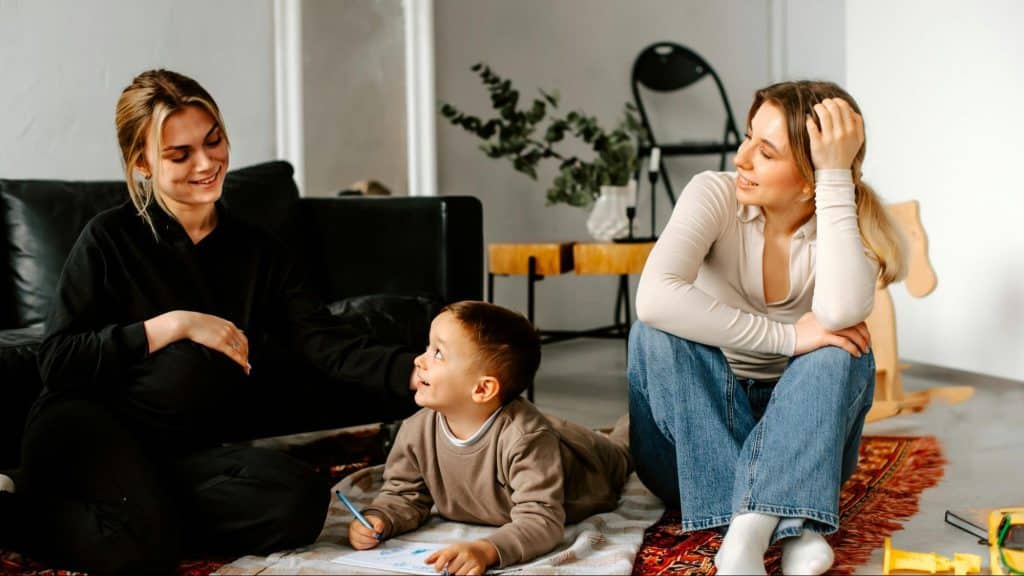
Family events can feel like pressure: conversations, judgments, and obligations. In marriage, a spouse can act as a buffer. After divorce, that buffer is gone. Some women miss having someone to lean on at gatherings. Even a simple “Are we leaving soon?” glance can reduce stress. Without that, events can feel longer and more draining. This is not missing love. It’s missing support. Support is a practical emotional need. Many women feel it most during holidays, birthdays, and stressful family situations. It’s a normal adjustment.
The Financial Predictability of Two Incomes or Shared Bills

Money is not romantic, but it affects emotional security. After divorce, financial planning becomes solo. Even if a woman is financially stable, the shift can feel heavy. Bills that used to be shared are now personal. Some women miss the predictability of shared expenses. They may also miss the safety net of a second income. This doesn’t mean dependence or regret. It means financial reality matters. Financial stress can increase anxiety and reduce energy. It can also change lifestyle options. This is one of the most common non-love misses after divorce. It’s practical, not emotional.
The Emotional Comforts That Aren’t Romance
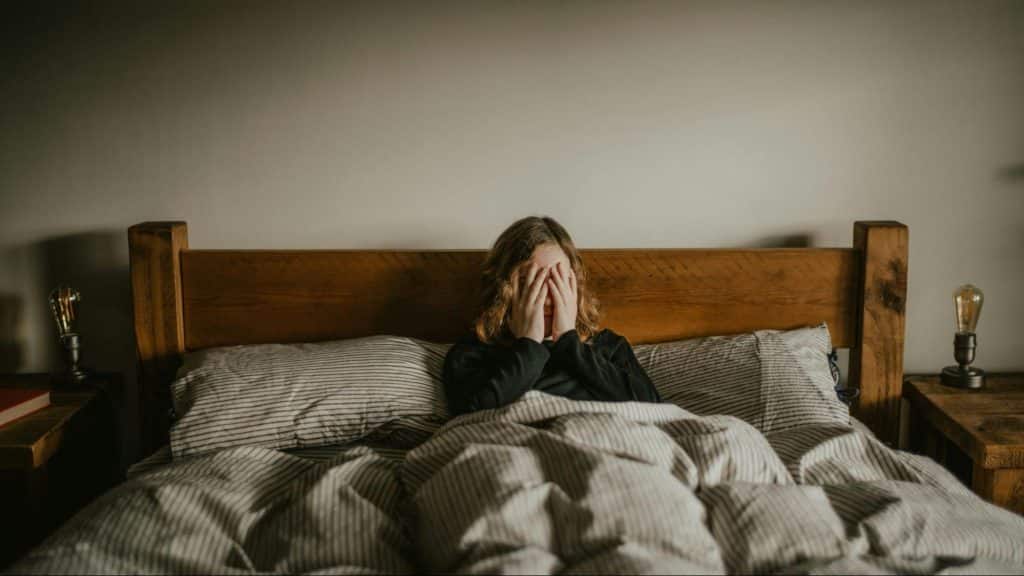
Not every emotional comfort is romantic. Marriage can provide small daily emotional buffers. Having someone to talk to, someone to witness your day, someone to share news with. Even if the marriage had issues, those small comforts existed. After divorce, those comforts may disappear suddenly. Some women miss the small “home base” feeling. That doesn’t mean they miss the relationship itself. It means they miss the emotional convenience of shared life. These misses can coexist with relief. Relief and missing can live in the same person. That’s normal.
Having Someone to Share Random News With
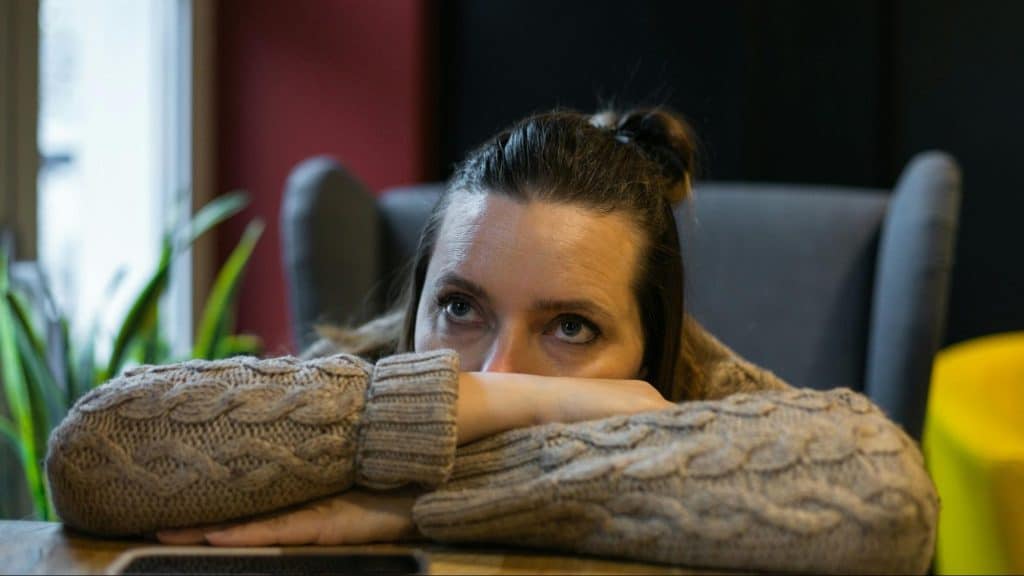
Small moments matter more than people realize. A funny story, a minor success, a frustrating moment, a new idea. In marriage, there was often a default person for those moments. After divorce, those moments can feel like they have nowhere to go. Friends can fill the gap, but it’s different. Friends have their own lives and timing. A spouse was often immediate. This is a common adjustment pain. It’s not missing love; it’s missing a built-in listener. Humans like being witnessed. Being witnessed makes life feel more real. After divorce, rebuilding that support system takes time.
The Familiar Feeling of “We Have History”

History creates comfort, even if the relationship wasn’t ideal. Some women miss being with someone who understands their past without explanation. That familiarity can make life feel simpler. After divorce, new relationships or new social dynamics require more explaining. Explaining can feel tiring. This isn’t longing for romance. It’s longing for ease. Ease is valuable in stressful seasons. The brain often misses what is familiar, even if it wasn’t perfect. Familiarity can feel like safety. That’s why this mistake can appear unexpectedly.
The Feeling of Being Part of a Unit During Hard Days

Hard days feel different when someone else is in the home. Even if the support wasn’t perfect, the presence of another adult can reduce stress. After divorce, hard days can feel more isolating. Some women miss having someone to share the weight with, even in small ways. Sharing the weight doesn’t require romance. It requires partnership. Partnership is a practical emotional comfort. Without it, stress can feel heavier. This is especially true during illness, loss, or major work pressure. A single system can be strong, but it carries all the weight alone.
The Little Comforts of Shared Living
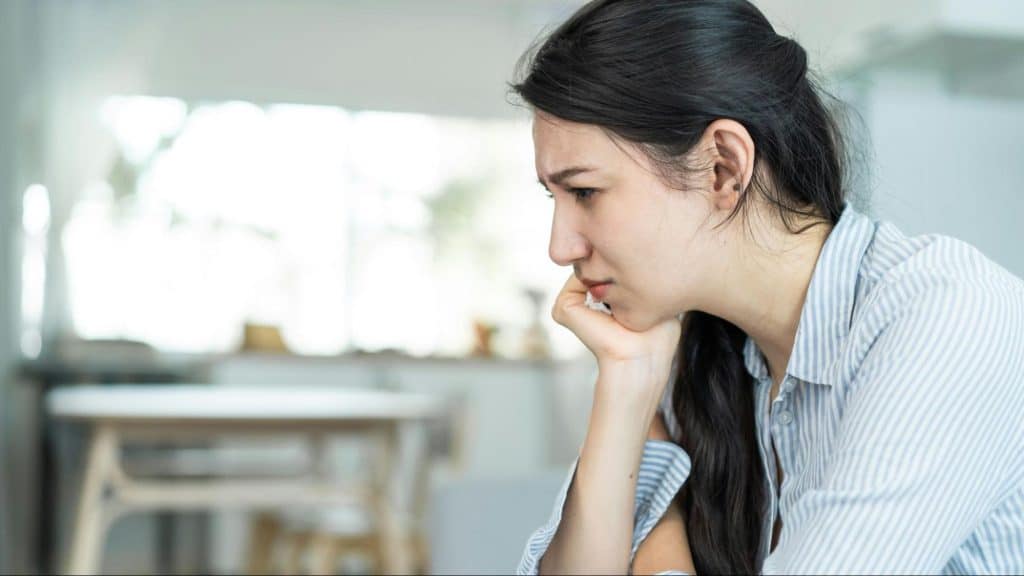
Some misses are small and practical. Shared chores, shared errands, shared driving, shared reminders. It’s not glamorous, but it makes life easier. After divorce, every small task requires personal time and attention. This creates more mental load. Mental load affects mood and patience. Many women miss having someone else to share the tiny burdens. It doesn’t mean the marriage was good. It means sharing life and reducing friction. Reducing friction is a form of comfort. Comfort is not romance, but it matters. This is why divorce can feel like a workload increase overnight.
Conclusion
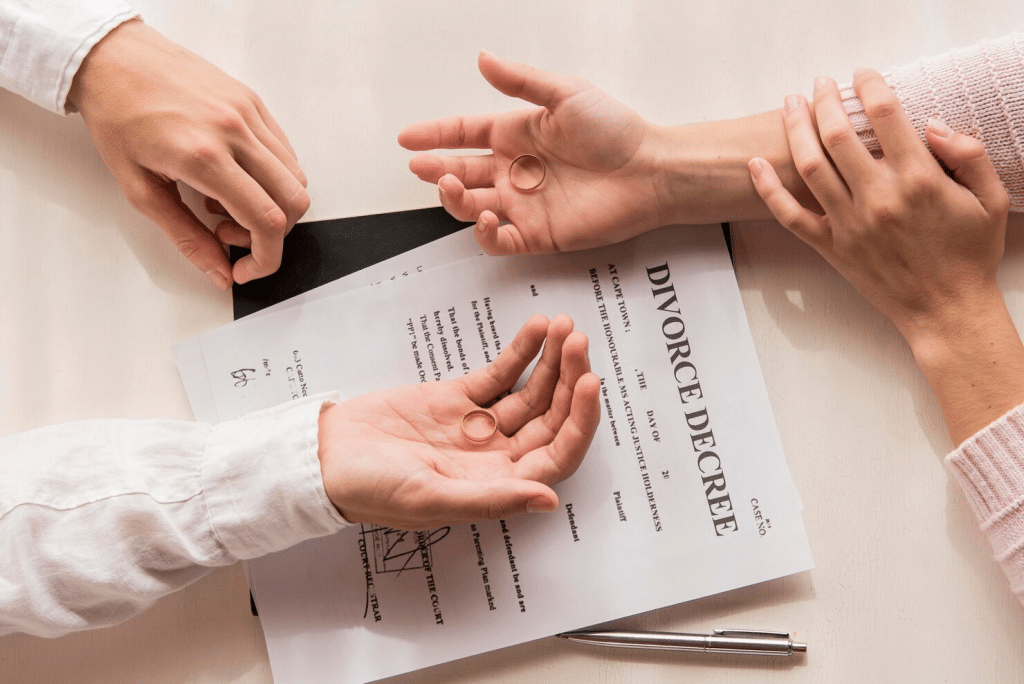
Many women miss parts of married life after divorce that have nothing to do with love. They miss structure, shared responsibility, predictable routines, and the comfort of a two-person system. They may miss the background presence, the social ease, and the built-in support during hard days. Missing these things does not mean the divorce was a mistake. It means real life is shaped by routines and support systems. Divorce changes those systems quickly, and adjustment takes time. Rebuilding routines, friendships, and personal stability helps the missing feelings fade. Over time, many women replace the old structure with new freedom and self-trust. Missing practical comforts is normal. It’s part of rebuilding a new life that feels stable again.








Ask Me Anything