
Marriage has a way of turning little quirks into unspoken frustrations over time. A wife might not openly complain–sometimes to avoid conflict, sometimes because she feels it won’t change anything–but that doesn’t mean the resentment isn’t quietly building. What makes these feelings tricky is they often stem from repeated patterns, not one-off moments. And while they may seem small to you, over months or years they can shape how loved, seen, and respected she feels.
The truth? A lot of men genuinely have no idea these things are even a problem–until it’s too late. So if you want a stronger connection (and fewer landmines in your marriage), it’s worth getting honest about the silent irritations many wives carry. Here are 18 of the most common ones–and what you can do about them before they turn into bigger issues.
1. Being the Household’s Default Manager

Many wives quietly resent feeling like the “project manager” for the entire household. It’s not just doing the chores–it’s tracking what needs to be done, when, and by whom. That mental load is exhausting, and it doesn’t go away even when you help with a task or two. What makes it worse is when your help requires her to give you instructions first, which still leaves her carrying the invisible responsibility. If you want to ease this, take ownership of certain areas completely–plan them, track them, execute them–so she can truly take them off her mental list.
2. Not Listening With Real Attention

There’s a difference between hearing her words and being present for them. Many wives feel dismissed when their husbands respond with half-listening grunts while scrolling their phone or watching TV. Over time, this can make her feel like her thoughts and feelings are low priority. Good listening isn’t just about nodding–it’s about eye contact, follow-up questions, and engaging like you actually care about the answer. If you think she talks “too much,” try reframing it as her way of connecting with you–not just conveying information.
3. Assuming Physical Affection Means Sex

One quiet frustration for many wives is when every hug, kiss, or touch seems to be a prelude to sex. While physical intimacy is important, sometimes she just wants affection without the pressure. When a hug feels like a transaction, she’s less likely to seek closeness at all. The fix? Initiate touch without expectation–wrap your arms around her while she’s making coffee, hold her hand in public, brush her hair out of her face. When affection isn’t always a lead-in, she’ll feel safer leaning into it.
4. Not Pulling Your Weight Socially

From sending holiday cards to keeping up with friends and family, many wives end up being the social glue in a marriage. If you rely on her to remember birthdays, arrange get-togethers, and maintain those connections, it can feel like you’re coasting while she’s carrying the weight. This isn’t just about fairness–it’s about showing that relationships outside the marriage matter to you too. Be proactive: initiate plans, send the first message, and take the lead on social traditions so she doesn’t feel like she’s dragging you along.
5. Expecting Her to Be the Default Parent

Even in households where both partners work, many wives end up as the go-to parent for school issues, doctor’s appointments, and day-to-day kid crises. This isn’t just about time–it’s about the mental burden of always being “on call.” When she’s the one teachers and coaches contact first, or the one who has to arrange every sitter and playdate, it can feel like parenting isn’t an equal partnership. Step up by taking full responsibility for certain areas of the kids’ lives so she knows you’re not just helping–you’re equally invested.
6. Dismissing Her Stress as Overreacting

Nothing erodes trust faster than being told she’s “making a big deal out of nothing.” Even if you think the issue is small, dismissing her feelings can make her feel unseen and invalidated. Often, she doesn’t want you to fix the problem–she wants to know you care that she’s upset. Instead of jumping to minimize or solve, try saying, “I get why you’d feel that way” and ask how you can support her. Respecting her emotions, even when you don’t fully share them, builds more safety in the relationship.
7. Forgetting the Little Courtesies
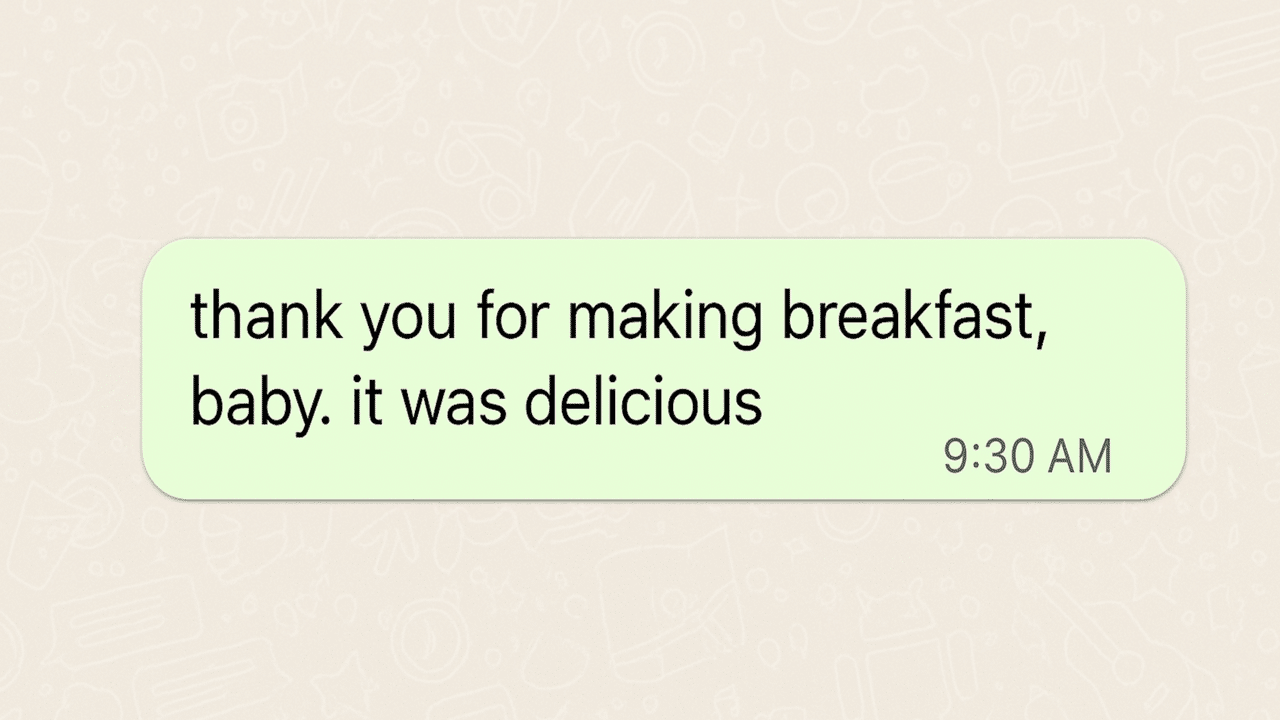
Holding the door. Saying thank you for dinner. Noticing when she gets a haircut. These small acts of acknowledgment matter more than many men realize. Over time, skipping them can make her feel taken for granted. Romance doesn’t have to be grand gestures–it’s in the daily proof that you see and appreciate her. Make a habit of verbal appreciation and intentional politeness, even if you’ve been married for decades. It’s those tiny, repeated signals that keep the bond warm.
8. Leaving All Emotional Labor to Her

Emotional labor isn’t just about household management–it’s about being the one who notices when the kids are having a rough week, who remembers your mom’s favorite dessert, or who smooths over tensions in the family. Many wives shoulder this without acknowledgment, which can be exhausting. Sharing emotional labor means staying tuned in, not just waiting for her to point things out. Pay attention, anticipate needs, and step in without being asked. That’s how you show you’re a true partner, not a passive passenger.
9. Treating Her Passions as Secondary

Whether it’s a hobby, a side business, or personal development, many wives quietly resent when their interests are treated as less important than yours. If your pursuits always get priority in time, budget, or attention, it sends the message that hers are optional extras instead of integral parts of her identity. Respect her passions as you would a work commitment–protect the time and space for them, and show genuine curiosity about what she’s creating or learning.
10. Making Jokes at Her Expense

Light teasing can be fun, but repeated digs–especially in front of others–can sting more than you think. Many wives laugh along to avoid awkwardness but remember every jab. Over time, it feels less like humor and more like a slow erosion of respect. Keep your jokes affectionate, not belittling, and never use humor as a cover for criticism. Public respect builds private intimacy.
11. Not Following Through on Promises

It’s not the broken dishwasher or the unfinished home project–it’s the message that your word doesn’t hold weight. When you repeatedly say you’ll do something and don’t, she learns not to trust your commitments. That disappointment turns into quiet resentment, especially if she feels she can’t rely on you in bigger matters. If you can’t do it, be honest. If you say you will, follow through without her reminding you.
12. Ignoring Her Need for Alone Time

Some wives crave solitude just as much as connection, especially if they’re juggling work, kids, and household duties. If you interpret her need for space as rejection, it puts pressure on her to constantly be “on” for you. Instead, see it as a recharge period that benefits both of you. Encourage her to take that time without guilt–she’ll come back more present and engaged.
13. Not Helping Maintain the Romance

Romance isn’t something you “win” during dating and then stop investing in. Many wives feel like courtship ends after marriage, which makes them feel less valued over time. You don’t need to recreate your early relationship, but you do need to keep surprising her in ways that matter–unexpected notes, a planned date night, even a thoughtful text during the day. Small efforts have a big impact when they’re consistent.
14. Acting Like She’s the Only One Who Changes

Life stages bring changes–bodies, careers, priorities–but some husbands expect their wives to adapt while staying exactly the same themselves. If you resist growth or refuse to evolve in your habits, she may feel like the relationship is unbalanced. Growth is a team sport. Show her you’re willing to learn, adjust, and improve right alongside her.
15. Keeping Score in the Relationship

When every favor or chore turns into a mental ledger, it stops feeling like partnership and starts feeling like competition. Many wives quietly resent this transactional approach because it erases goodwill and generosity. Healthy relationships aren’t about 50/50 every day–they’re about showing up where and when you’re needed without tallying points.
16. Not Backing Her Up in Public

Even if you disagree privately, standing with her in public matters. When you side with others–family, friends, even strangers–over her in front of people, it can feel like betrayal. You don’t have to agree with her on everything, but you should have her back in the moment and discuss disagreements later. Loyalty in public deepens trust in private.
17. Downplaying Her Work or Contributions

Whether she’s in a demanding job, running the household, or both, many wives feel their contributions are invisible if they’re not explicitly acknowledged. Offhand comments like “you don’t work” or “must be nice to be home all day” diminish her efforts and can cut deeply. Acknowledge what she does out loud–both to her and to others. Recognition is a form of respect.
18. Assuming She’ll Always Be There No Matter What

The biggest silent resentment? Feeling like her presence is guaranteed no matter how she’s treated. Love thrives when it’s nurtured, not taken for granted. When you assume she’ll never leave or withdraw, you risk neglecting the very behaviors that make her want to stay. Show up for the relationship every day as if it’s worth keeping–because it is.








Ask Me Anything