
Marriage has a strange way of exposing habits that felt harmless when you were single. The late nights, the quiet escapes, the decisions you make without explaining them to anyone.
What looks like independence in your own life can feel like unpredictability when someone else shares it. That shift catches a lot of people off guard. Marriage isn’t just commitment. It’s accountability. And some perfectly normal behaviors start to look very different when another person has to live with them every day.
Living on a “single guy” schedule

There’s a kind of freedom in moving through your week without checking in with anyone. Work late, meet friends on a whim, disappear into hobbies for hours. When you’re single, that rhythm barely registers as a problem.
Marriage changes the equation because someone else is planning their life around you. If you still expect to operate like a free agent while someone else absorbs the unpredictability, friction builds fast. Commitment does not eliminate independence, but it does require reliability.
Making decisions and informing your partner afterward

Some people treat marriage like a relationship with occasional updates. They make the call first and explain it later. New investments, career changes, expensive purchases, travel plans.
That habit signals something deeper than bad communication. It tells your partner they are an observer in a life that is supposed to belong to both of you. Marriage works best when big decisions feel shared before they happen, not justified afterward.
Treating money like a private matter

Money is one of the quickest ways trust can erode. Not because couples disagree about it, but because one person starts making quiet financial decisions, and the other discovers later.
Secrecy around spending, debt, or financial goals turns partnership into guesswork. Marriage demands a level of transparency that many people underestimate. If sharing financial reality feels uncomfortable, the bigger commitment will feel even heavier.
Using work as a permanent escape hatch

Ambition is not the problem. Many marriages are built on the stability that hard work provides.
The problem begins when work becomes the place you run whenever something uncomfortable appears at home. Staying late at the office can slowly become a socially acceptable way to avoid conflict, intimacy, or responsibility. Over time, your partner stops competing with your career and simply withdraws from it.
Refusing to deal with conflict

Some people pride themselves on avoiding arguments. They shut down, go quiet, or leave the room until the moment passes.
That approach feels calm in the moment but unresolved issues rarely disappear. They settle in the background and accumulate. Marriage does not require constant agreement, but it does require the willingness to face tension instead of walking around it.
Needing to win every disagreement

Certain arguments stop being about solutions and turn into courtroom debates. Evidence gets collected. Past mistakes get pulled into the conversation. Someone has to lose.
That dynamic might feel satisfying in the moment but it slowly changes the tone of the relationship. When every disagreement becomes a contest, the relationship stops feeling like a team and starts feeling like a negotiation.
Using sarcasm as a substitute for respect

Sarcasm can be funny in the right moment. It becomes corrosive when it turns into a routine way of expressing frustration.
Small comments that seem harmless often land harder than expected. Eye rolls, dismissive jokes, or public teasing communicate something beneath the humor. Respect inside a marriage rarely collapses all at once. It erodes through hundreds of moments like these.
Escaping into habits that disconnect you

Everyone needs ways to decompress. The issue appears when the coping mechanism becomes a place you disappear into instead of reconnecting.
Hours of scrolling, gaming, drinking, or endless distraction can slowly replace real engagement with your partner. If stress consistently pushes you away from the relationship instead of back toward it, the distance grows quietly over time.
Keeping your options open

Some people move through relationships with a small mental safety net. They flirt casually, keep old romantic connections warm, or maintain private conversations that cross subtle lines.
Even when nothing obvious happens, the behavior creates a quiet instability. Marriage relies heavily on the sense that both people have closed the door on alternative lives and chosen this one deliberately.
Acting like a guest in your own household
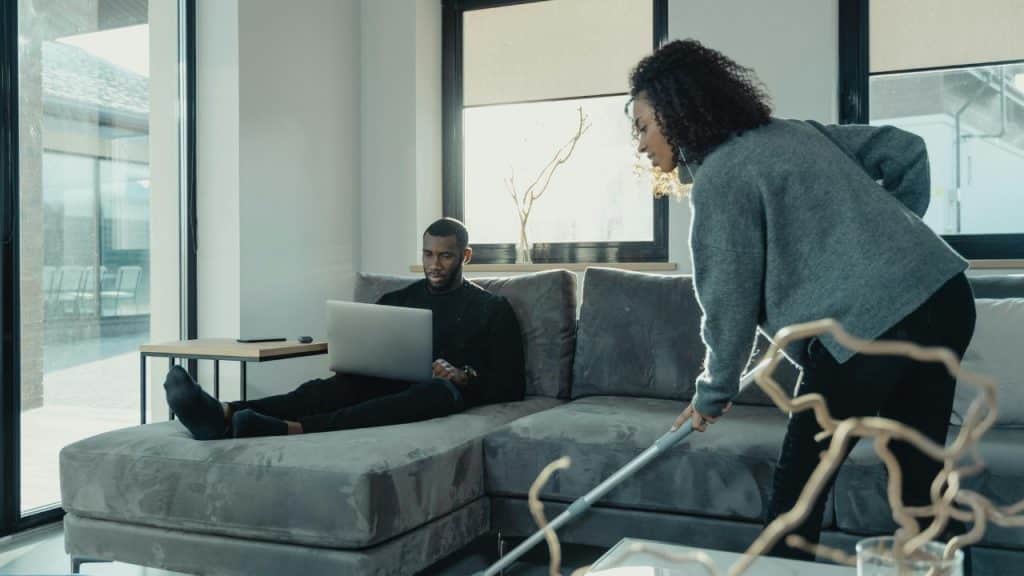
One of the most common frustrations in long-term relationships is surprisingly mundane. One person becomes the default organizer of daily life.
Appointments, groceries, household planning, family logistics. When one partner carries most of that invisible work, the imbalance slowly breeds resentment. Marriage works best when both people feel responsible for the life they are building together, not when one person quietly manages everything behind the scenes.








Ask Me Anything