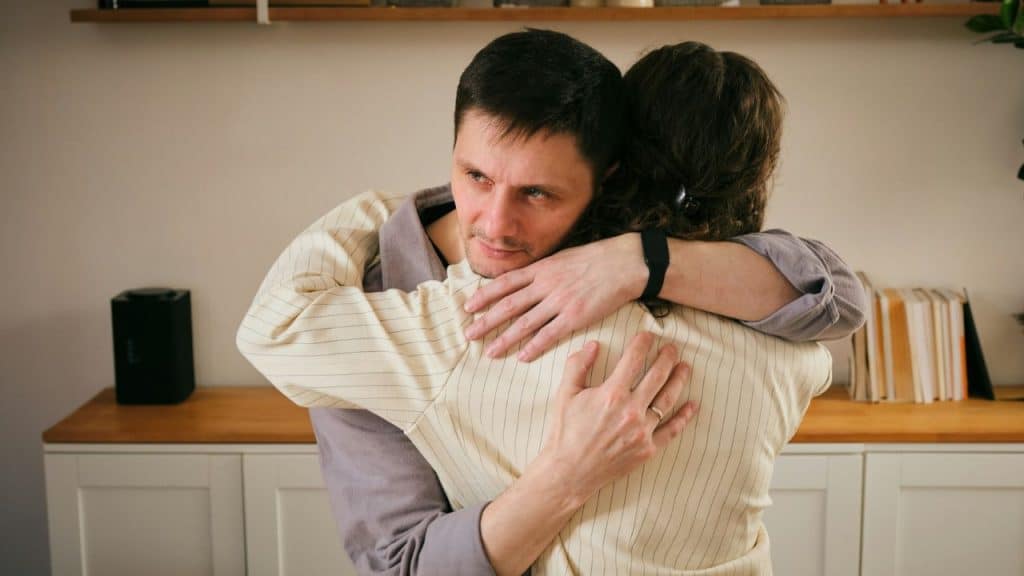
Commitment sounds simple on paper. Stick around, build something, don’t bail when things get uncomfortable. But for a lot of men, it doesn’t feel simple at all. It feels loaded, risky, and full of consequences that aren’t always talked about out loud.
This isn’t about men being immature or allergic to responsibility. It’s about the quiet fears that show up once a relationship starts to matter. The kind that don’t announce themselves, but still shape decisions, delays, and emotional distance. Below are the most common reasons commitment triggers resistance in otherwise capable, grounded men. None of them is flattering. Most of them are honest.
The fear of rejection

Getting close means giving someone real access to you. Not the polished version, but the one with habits, moods, and rough edges. For many men, that opens the door to being judged or discarded once the full picture is visible.
Rejection hits differently when effort and emotion are involved. It’s easier to leave early than to wait around for someone else to decide you’re not enough. Avoiding commitment can feel like staying one step ahead of that outcome.
The fear of losing independence

Commitment often gets translated as less freedom. Less time. Fewer choices. More explanations. Even men who want partnership worry about slowly losing control over their own lives.
This fear isn’t always about partying or avoiding responsibility. Sometimes it’s about protecting routines, space, or the ability to make decisions without negotiation. The idea of constantly checking in can feel suffocating.
The fear of being controlled

Some men associate commitment with being managed instead of partnered. They picture rules, expectations, and constant correction. Whether that fear comes from past relationships or childhood dynamics, it sticks.
Once that belief sets in, commitment feels less like teamwork and more like supervision. No one wants to sign up for a role where they feel monitored instead of respected.
The fear of not being lovable

Not all fears are loud. Some are quiet and internal. A lot of men carry a belief that if someone really knew them, they wouldn’t stay.
Commitment threatens that belief because it requires consistency. You can’t hide behind charm forever. The longer someone stays, the more exposed they feel.
The fear of not measuring up

Commitment raises the bar. Suddenly, you’re not just responsible for yourself, but for being a reliable partner. Financial stability, emotional presence, long-term planning—it all comes into focus.
Men who already feel behind in life often see commitment as a spotlight. It highlights gaps they’d rather fix privately, not explain to someone else.
The fear of emotional vulnerability

Opening up doesn’t come naturally to many men. Emotional exposure feels risky, especially if past attempts were met with dismissal or criticism.
Commitment requires more than surface-level connection. It asks for honesty about fears, stress, and uncertainty. For men used to handling things internally, that can feel like walking into traffic without armor.
The fear of trusting someone fully

Trust isn’t automatic, especially for men who’ve been burned. Betrayal—emotional, financial, or relational—has a long memory.
Commitment means relying on someone not to misuse that trust. And once trust is broken badly enough, caution starts to look like self-protection instead of avoidance.
The fear of being found out

Everyone has parts they don’t lead with. In long-term relationships, those parts eventually surface. Habits, past mistakes, insecurities—they all come out.
Some men worry that once those details are known, the relationship will change. Commitment feels like accelerating that exposure before you’re ready.
The fear of growing up too fast

Commitment is often framed as a line you cross and never come back from. Marriage, shared finances, kids, routines—it can feel like skipping several life stages at once.
Men who didn’t feel fully prepared or supported earlier in life may resist anything that feels final. It’s not about avoiding adulthood, but about not wanting to rush into it unprepared.
The fear of making the wrong choice
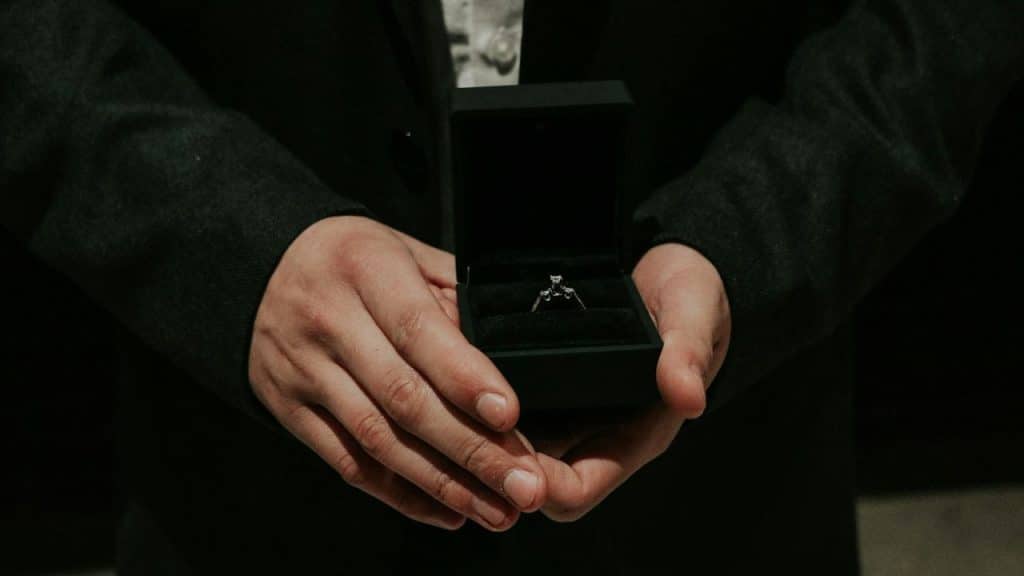
Choosing one person means closing other doors. That finality creates pressure. What if someone more compatible shows up later? What if this isn’t the best fit long-term?
Overthinking takes over. Commitment becomes a decision that feels irreversible, so postponing it feels safer than choosing wrong.
The fear of divorce and financial damage
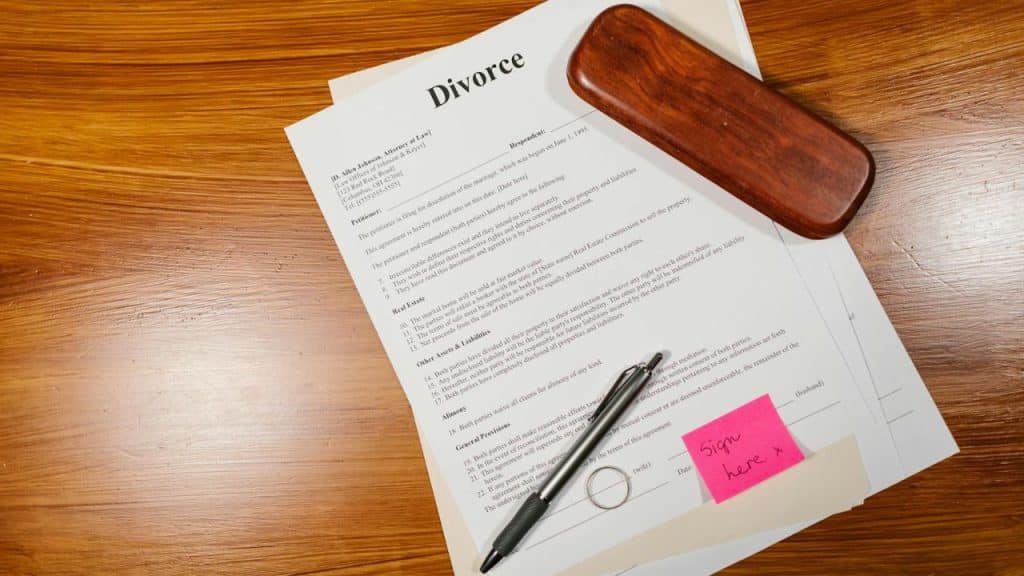
Commitment isn’t just emotional—it’s legal and financial. Many men are acutely aware of how divorce can reshape their lives.
Even though divorce rates aren’t as extreme as people assume, the consequences are real. For men who’ve seen ugly separations up close, commitment feels like accepting unnecessary risk.
The fear of losing identity

Relationships change how time and energy are spent. Some men worry they’ll lose the version of themselves they worked hard to build.
This fear shows up when boundaries were weak in past relationships. Commitment doesn’t have to erase individuality, but that distinction isn’t always clear at the start.
The fear of boredom and routine

Long-term relationships come with predictability. That’s comforting for some and terrifying for others.
Men who equate excitement with connection worry that commitment will drain the energy out of life. The idea of repeating the same rhythms forever can feel uninspiring, even if the partner is solid.
The fear of failing in the relationship

Failure isn’t just about breakups. It’s about disappointing someone you care about. Letting them down. Becoming the reason something ends.
Men who take responsibility seriously often fear commitment because they fear doing it badly. Walking away early feels better than failing publicly later.
The fear of unresolved past baggage

Old wounds don’t disappear just because a new relationship starts. Childhood dynamics, previous relationships, and unfinished emotional business have a way of resurfacing.
Commitment increases emotional pressure, which tends to activate those issues. Avoiding commitment can feel like avoiding a reckoning you’re not ready to have.








Ask Me Anything