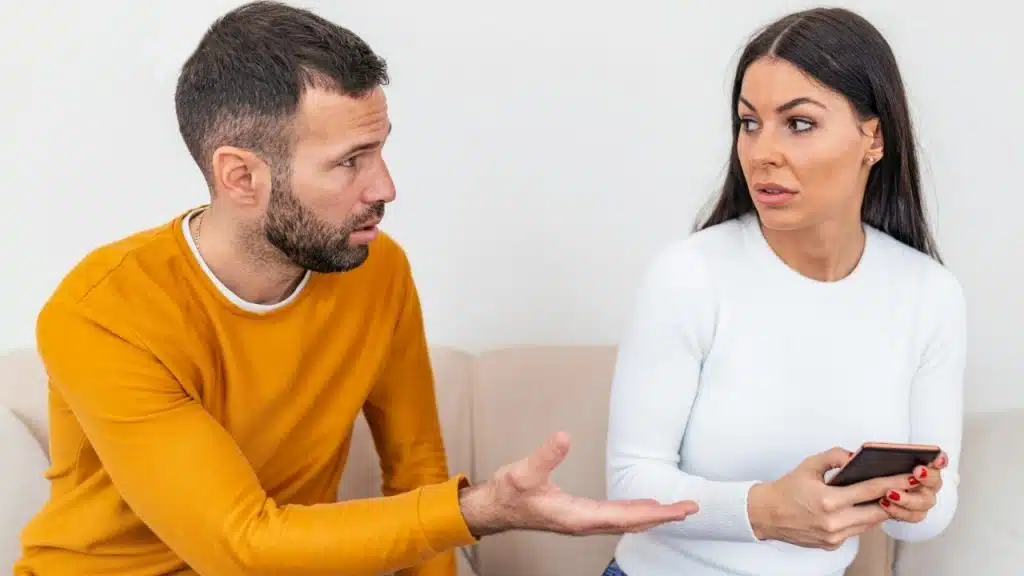
She doesn’t leave because of one big fight; she leaves after years of feeling dismissed, corrected, and overruled. Men don’t always realize how controlling behavior in marriage can look like “just being logical” or “trying to help.” But when every disagreement feels like a debate and every conversation has a winner, the relationship starts to die quietly. These habits don’t make you a bad husband, but they do make her feel alone. If you’re noticing distance, resentment, or silence, it’s time to take a hard look at the patterns you might be missing.
Correcting Her Instead of Listening

What feels like “just clearing something up” can come off like you’re talking down to her. When she shares something emotional and you jump in with “That’s not how it happened,” she hears: you’re wrong to feel that way. It doesn’t matter if your version is factually accurate. If the goal is connection, focus on the emotional truth behind what she’s saying. Stop trying to edit her story, try understanding it.
Using Money as Leverage

Even subtle comments like “I’m the one paying for this” carry weight you might not notice. When money becomes part of the power dynamic, it stops being a tool and becomes a weapon. She may stop sharing her opinions to avoid financial guilt. That’s not partnership; it’s imbalance.
Expecting Her to Be “On Your Side” Always

Backing you up in front of others is one thing—blind loyalty is another. If you demand agreement no matter the context, she’ll stop voicing concerns altogether. That’s not unity; it’s quiet submission. A real partner won’t always agree, and that’s what makes her valuable.
Avoiding Vulnerability to Appear “Strong”

Staying composed might feel manly, but too much emotional distance makes her feel like she’s married to a robot. You don’t need to cry in every argument. But when you never let her see what’s really going on with you, she starts to feel alone even next to you.
Keeping Score in the Relationship
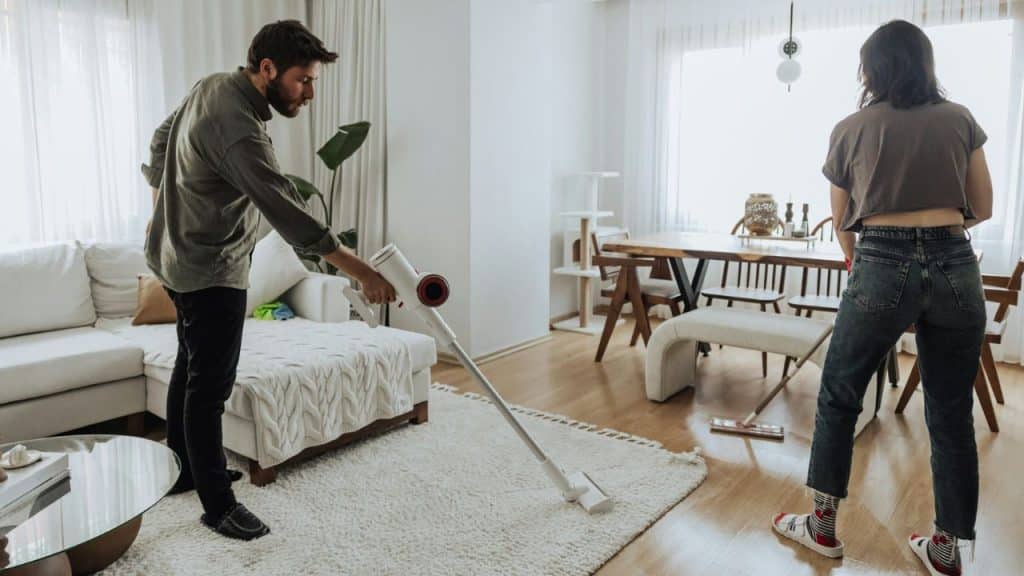
Whether it’s chores, favors, or emotional effort—tallying everything builds tension, not teamwork. The “I did this, so you should do that” mindset turns marriage into a scoreboard. Love doesn’t grow under a calculator. If you’re always measuring fairness, you’re missing the point of being on the same side.
Setting Rules About “How She Should Talk”

Tone-policing makes you look like you care more about delivery than meaning. If she’s frustrated and you correct how she says things instead of why she feels them, she’ll shut down. Conversations turn into landmines. This isn’t about keeping things civil; it’s about control in disguise.
Using Logic to Win Arguments

Treating disagreements like a courtroom drama might make sense to you, but she’s not your opponent. Marriage isn’t about winning. It’s about feeling seen and safe. If you keep pulling out logic like a weapon, you’ll look smart, but feel miles apart. Emotional connection doesn’t always follow spreadsheets and timelines.
Withholding Affection When You’re Upset

Pulling back when you’re mad might feel like self-control, but it often lands as punishment. You’re not “teaching her a lesson,” you’re putting her in emotional timeout. Over time, she starts to feel like your love is conditional. That silence doesn’t fix anything; it just builds distance.
Shutting Down Conversations with “I Don’t Want to Talk About This”

Avoiding hard talks might feel like staying calm, but it tells her that her pain is inconvenient. Refusing to engage is not a strength. It leaves her feeling like she’s carrying all the emotional weight in the marriage. And the silence between you grows louder every time.
Assuming the Role of “House CEO”

Running the household like a solo mission might keep things efficient, but it makes her feel excluded. If you’re making decisions on finances, parenting, or scheduling without input, that’s not leadership—it’s control. She starts to feel more like an employee than a partner. Marriage isn’t a one-man boardroom.
Making All the Plans Without Asking

Planning date nights or trips without checking in first sounds thoughtful—but it quietly erases her preferences. If she always feels like a passenger, she’ll stop looking forward to the ride. Surprise once in a while? Great. But if it’s every time, she’ll wonder if her opinion even matters.
Monitoring Her Time or Friends

Asking who she’s with or when she’ll be home might feel like care to you—but if there’s no trust issue, it reads as control. She starts second-guessing whether she needs permission instead of partnership. Protection doesn’t mean policing. Real security is built on trust, not surveillance.
Constantly Playing Devil’s Advocate

You might think you’re helping her “see all sides,” but when she just wants to be heard, you sound like resistance. Every time she opens up and you respond with a counterpoint, it feels like she’s being tested, not supported. It’s exhausting. Sometimes she doesn’t need a challenge—just a teammate.
Telling Her to “Calm Down” During a Fight

Those two words feel like a shortcut to peace, but they almost always make things worse. Telling her to calm down often sounds like “You’re being crazy.” It dismisses whatever emotion she’s trying to express. If you wouldn’t say it to a frustrated boss, don’t say it to your wife.
Making Jokes at Her Expense

You might think you’re just being funny, but those subtle digs can land like punches. If she’s laughing less and going quiet more when you tease her in front of others, that’s your sign. It chips away at trust. Every joke shouldn’t come at her cost.
Rewriting the Past During Arguments

When she brings up something that hurt her, and your first instinct is “That’s not how it happened,” you’re dismissing her emotional memory. Even if you remember it differently, the point is that it impacted her. You don’t have to agree with every detail to care about the feeling behind it. Arguing about history makes you both lose.
Tying Respect to Obedience

If your version of respect means “do what I say,” then you’re not asking for respect; you’re asking for control. A wife isn’t a subordinate. She can challenge you and still love you. Real respect means listening, not demanding.








Ask Me Anything