
Romance is loud in the beginning. Long relationships get quieter, and that’s usually where the real test starts. Somewhere between deadlines, bills, kids, and exhaustion, the things that once felt important stop carrying the same weight. What long-term couples discover is that romance isn’t what holds everything together. It’s what remains when life stops being exciting and starts being real.
Respect During Conflict

Long-term couples rarely avoid conflict. What separates them is how they fight. Disagreements happen, tempers flare, and frustrations build, but respect stays intact. There’s a difference between arguing about a problem and attacking the person standing in front of you. Couples who last understand that once respect erodes, even love starts to feel unstable.
Over time, respectful conflict becomes less about winning and more about protecting the relationship itself. That shift quietly changes everything.
Reliability and Consistency

Grand gestures fade faster than most people expect. What sticks is consistency. Showing up when you say you will, keeping promises, and handling responsibilities without being asked creates a quiet sense of stability that romance alone can’t replace.
Long-term couples often talk less about excitement and more about dependability. Knowing your partner will show up, even on ordinary days, becomes more valuable than any dramatic display.
Emotional Safety
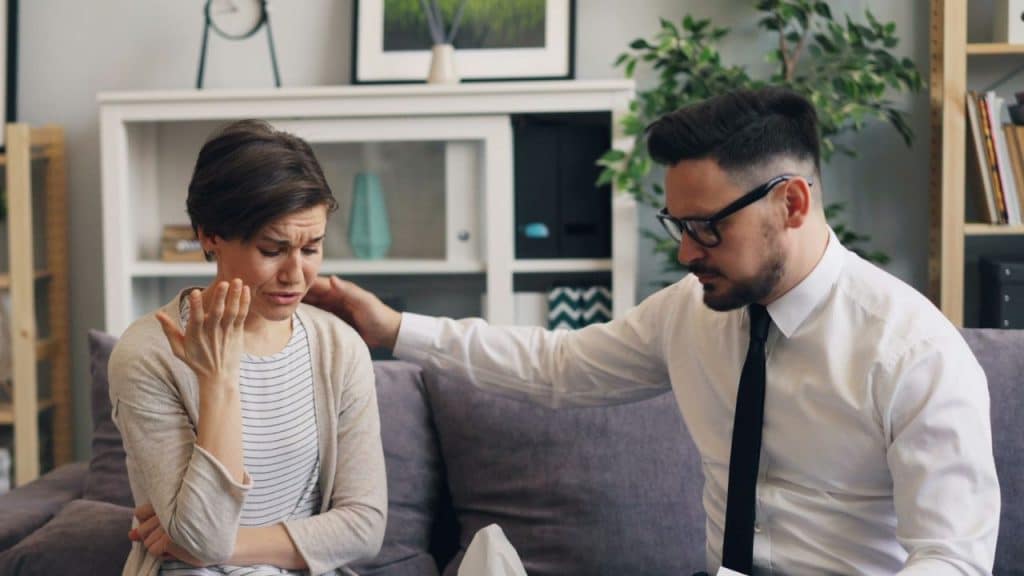
There’s a subtle difference between being loved and feeling safe. Long-term couples tend to value the second one more. When someone feels safe to speak honestly, admit fears, or reveal stress without being judged, the relationship deepens in ways that romance never quite reaches.
Emotional safety turns conversations into connection instead of conflict. Without it, even affectionate relationships begin to feel guarded.
Friendship Over Passion

Passion changes. Friendship stays. Couples who last often describe their partner as someone they genuinely enjoy being around, even when nothing exciting is happening.
The ability to sit in silence, share small jokes, or simply exist comfortably together becomes more important than chemistry. Friendship quietly carries relationships through seasons where passion naturally ebbs.
Handling Stress Together

Life doesn’t slow down just because you’re in love. Careers shift, finances fluctuate, family responsibilities grow, and unexpected problems appear. Long-term couples often point to how they handled stress together as a defining factor in their relationship.
Facing challenges as a team builds trust. Facing them alone creates distance. Over time, that difference becomes hard to ignore.
Financial Partnership

Money rarely appears in romantic stories, but it shows up in real life quickly. Long-term couples often admit that financial alignment reduces more tension than romance ever could.
It’s not just about income. It’s about shared priorities, transparency, and decisions that feel collaborative rather than competitive. When couples feel aligned financially, the relationship tends to feel steadier overall.
Appreciation for Small Things

Resentment often grows quietly. Appreciation works the same way. Long-term couples tend to notice how small acknowledgments prevent small frustrations from piling up.
A simple thank you for everyday effort carries more weight than people expect. Over time, those small moments reinforce the feeling that both partners are seen and valued.
Shared Values

Shared hobbies can be fun, but shared values tend to matter more. Couples who last often align on things like family priorities, lifestyle choices, and long-term goals.
When those foundations match, decisions become easier. When they don’t, even small choices can turn into recurring tension.
Emotional Maturity

Time reveals habits that early romance tends to overlook. Emotional maturity becomes more important as responsibilities grow and patience gets tested.
Long term couples often learn to pause, reflect, and respond more thoughtfully. That shift reduces unnecessary conflict and creates a calmer dynamic over time.
Peace at Home

Excitement feels good in the beginning. Peace becomes more valuable later. Long-term couples often describe the comfort of a calm home environment as something they never expected to prioritize.
When life outside gets demanding, a peaceful relationship feels less like a luxury and more like a necessity.
Loyalty During Difficult Seasons

Relationships are easy when things are going well. Long-term couples often remember the seasons when things were not. Illness, job loss, and personal struggles test commitment in ways romance never does.
Standing by each other during those moments builds a deeper sense of trust. It changes how both partners see the relationship.
Conflict Resolution Skills

Some couples rarely argue. Others often argue. The difference isn’t always the frequency. It’s how conflict gets resolved.
Long-term couples tend to move through disagreements without letting them linger. They address issues, find common ground, and move forward without holding onto past mistakes.
Support for Personal Growth

People change over time. Long-term couples often stay strong because they allow space for growth rather than resisting it.
Supporting each other’s development keeps the relationship evolving. Without that flexibility, growth can start to feel like distance.
Humor and Lightness

Not every moment needs to be serious. Long-term couples often rely on humor to soften difficult situations and relieve tension.
A shared sense of humor helps partners reconnect quickly after stressful days. Sometimes laughter does more than long conversations.
Patience Over Time

Long-term relationships unfold slowly. Personalities evolve, priorities shift, and circumstances change. Patience becomes essential as both partners navigate those transitions.
Couples who last often describe patience as something they didn’t fully understand at the beginning. Over time, it becomes one of the most important things holding everything together.








Ask Me Anything