
She loves you. She enjoys the relationship. And she’s still not sure about marriage.
For some women, marriage no longer feels like the automatic next step. It feels like a serious life tradeoff. Not because they don’t believe in commitment, but because they’ve watched how it plays out. The hesitation isn’t random. It’s specific. Here are 16 things women openly admit make them pause before saying yes.
Divorce Doesn’t Feel Hypothetical Anymore
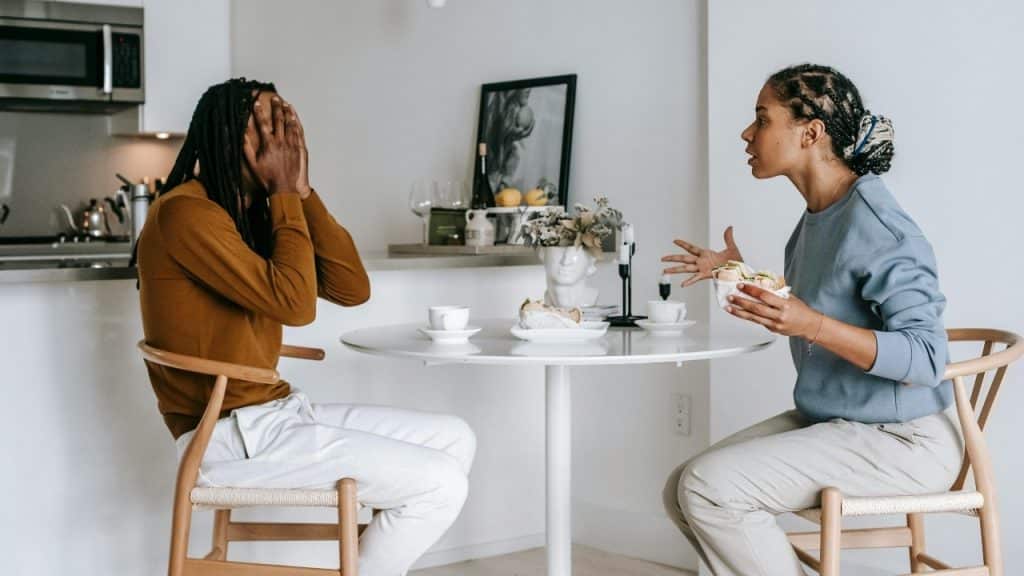
Nearly everyone knows someone who went through a brutal divorce. It’s no longer a rare cautionary tale; it’s a common life event. Women see the emotional drain, the financial fallout, the years it can take to rebuild. Marriage stops feeling romantic when the exit costs look that high. For many, it’s not fear of commitment—it’s fear of unnecessary damage.
The Math Has to Make Sense

Rent is high. Groceries are high. Insurance is high. Student loans are still there. When combining lives also means combining debt and risk, marriage becomes a financial decision, not just an emotional one. If the numbers don’t feel stable, hesitation isn’t irrational—it’s responsible.
The Mental Load Is Real
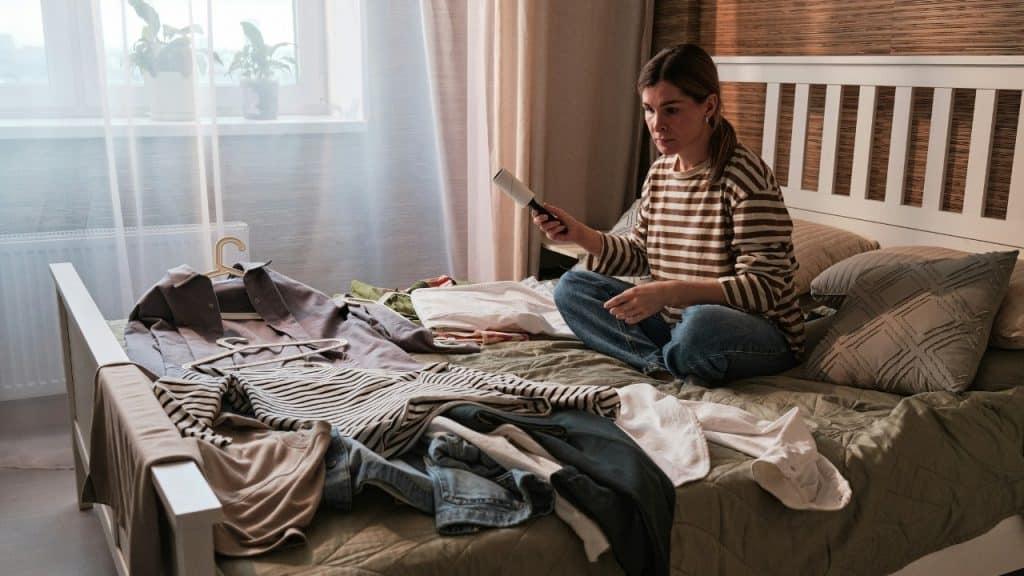
Planning meals, tracking appointments, remembering birthdays, scheduling repairs, managing the calendar—it adds up. Research shows women still carry most of the cognitive and domestic labor in relationships. Many have watched married friends quietly burn out while their husbands think everything is “shared.” If marriage looks like more unpaid work, it’s hard to see the upside.
Living Together Already Covers the Basics

A lot of couples already share rent, routines, and responsibilities before marriage. The day-to-day doesn’t change much after the paperwork. So women ask a fair question: what does marriage add that we don’t already have? If the answer isn’t clear, urgency fades.
Career Comes First—And That’s Not Apology-Worthy

Women are more educated than ever and often deeply invested in their work. Surveys consistently show career satisfaction ranks higher than marriage when people describe a fulfilling life. If marriage threatens flexibility, mobility, or growth, it becomes something to delay—or rethink entirely.
Social Pressure Has Weakened
There was a time when marriage defined adulthood. That pressure has softened. Being single at 35 or 45 no longer carries the same stigma it once did. Without external pressure pushing the timeline, women feel freer to ask: do I actually want this?
Emotional Standards Are Higher Now

Women aren’t just looking for a provider or a decent guy. They want emotional intelligence, accountability, and growth. They want someone who can handle hard conversations without shutting down. That raises the bar. Marriage isn’t avoided—mediocrity is.
Independence Feels Hard-Earned

Many women spent their 20s and 30s building careers, friendships, financial stability, and self-trust. Independence becomes part of their identity. The idea of merging everything—finances, decisions, space—can feel less like romance and more like surrender. Even in love, that’s not easy.
Legal Entanglement Is Intimidating
Marriage is also a contract. Shared assets, shared liabilities, tax implications, potential alimony—none of that feels light. Once you’ve seen how complicated unwinding a marriage can be, the legal side stops being abstract. Some women hesitate simply because the stakes are clear.
Dating Has Made Trust Harder

Apps expanded access but also increased burnout. Ghosting, half-truths, and short-lived connections have made many women cautious. Marriage requires deep trust. After enough disappointments, caution becomes a protective instinct.
Traditional Gender Roles Haven’t Fully Disappeared
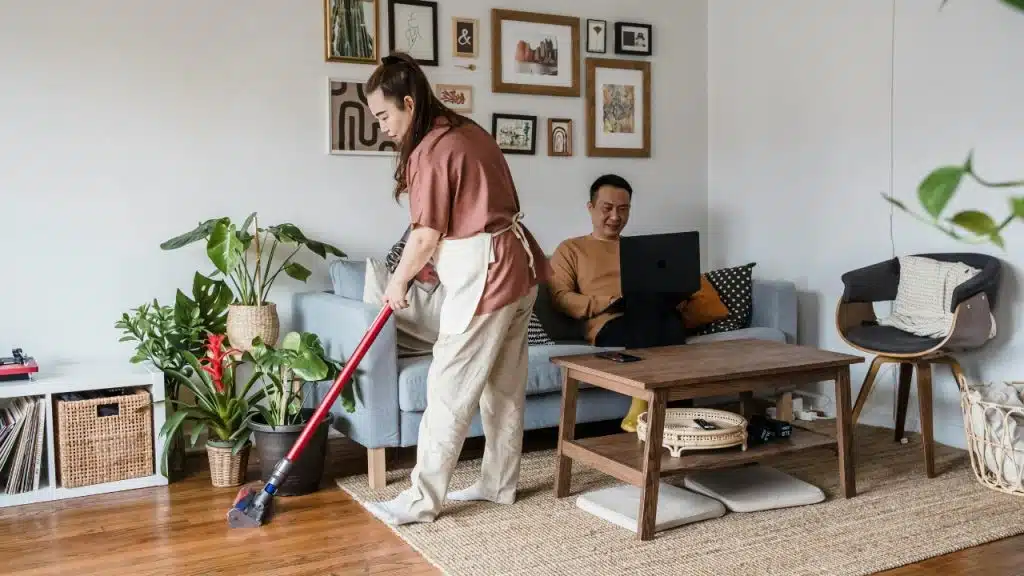
Even in modern relationships, subtle expectations linger. Who steps back when a child is sick? Who manages the household rhythm? Who sacrifices career momentum first? If the answers default in one direction, women notice. And they think ahead.
Children Aren’t a Given
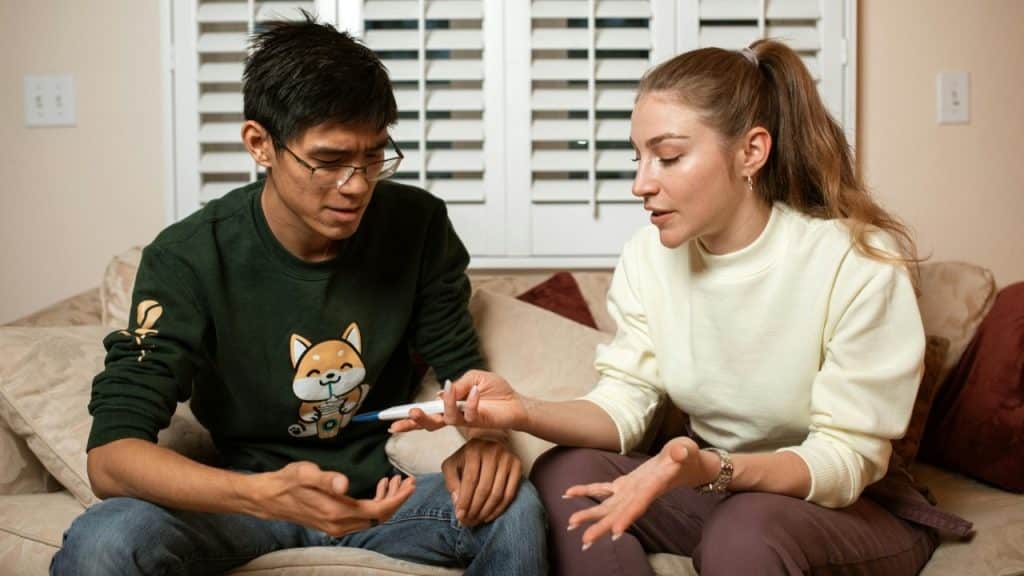
Not every woman wants children, and many are honest about that now. Studies show fewer young women see kids as essential to fulfillment. When marriage is still culturally tied to parenthood, hesitation often reflects a deeper mismatch about family goals.
The Pool of “Marriageable” Men Feels Smaller

Women increasingly outpace men in education and sometimes income. Some struggle to find partners who match their ambition, stability, or emotional maturity. That doesn’t mean men aren’t capable—it means expectations have shifted. Compatibility is more than chemistry.
They’ve Seen Stagnant Marriages
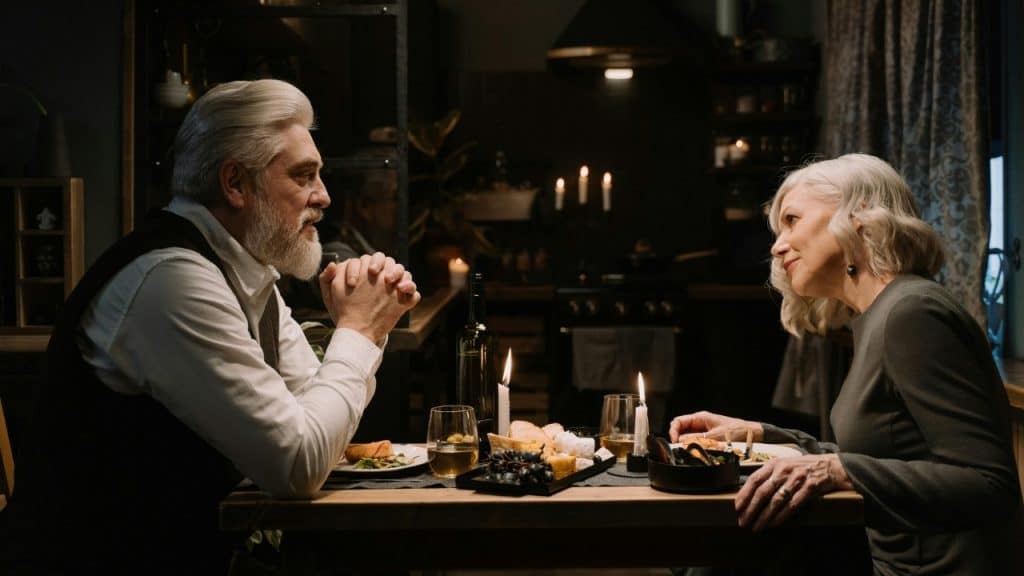
Not every failed marriage ends in divorce. Some just quietly flatten out. Couples become roommates. Conversations shrink. Effort fades. Watching that slow decline can be more discouraging than a dramatic breakup. Women want partnership, not parallel lives.
Double Standards Still Exist

A lifelong bachelor is often seen as independent. A lifelong single woman is questioned. That contrast hasn’t gone unnoticed. Some women resist marriage simply because they don’t like how differently the roles are judged—and they don’t want to step into an expectation box.
Happiness Isn’t Automatically Tied to a Ring
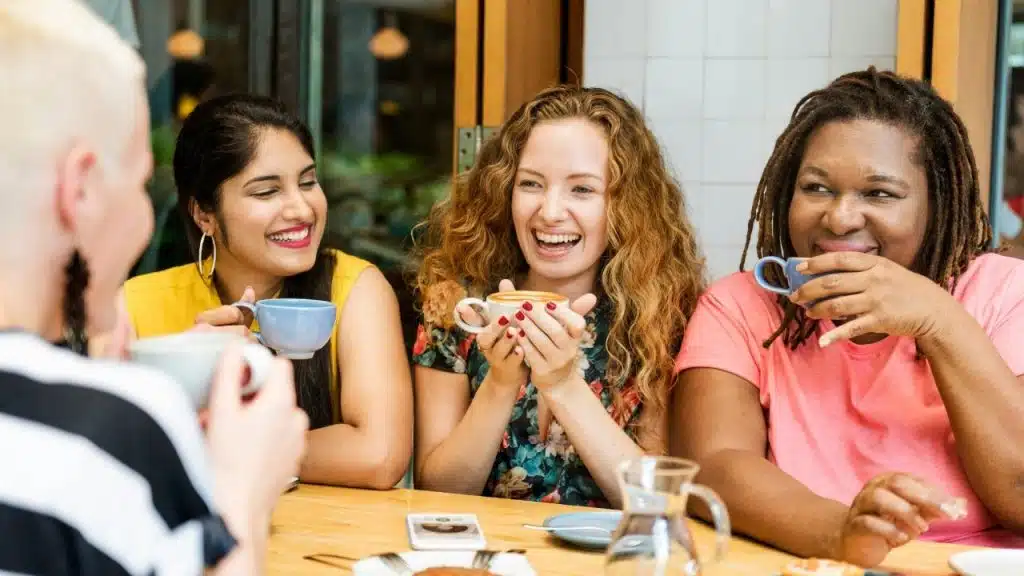
Single women with strong friendships, meaningful work, and full lives aren’t secretly incomplete. Research shows marriage isn’t the only path to satisfaction. If someone already feels stable and fulfilled, marriage has to add something real—not just symbolism.








Ask Me Anything