
Many divorced couples say the marriage did not collapse in one obvious moment. It changed quietly through routines, choices, and small emotional shifts that felt normal at the time. The hardest part is that the relationship still looked fine to outsiders. Inside, the tone was different, the closeness was thinner, and the effort felt less mutual. These changes rarely feel urgent in the moment, which is why they grow. Couples often adapt to less connection without realizing they are adapting to less love being felt. By the time divorce is discussed, the marriage has often been drifting for years. These are the quiet changes divorced couples commonly say reshaped their marriage before the ending became official.
They Stopped Having “Us” Conversations and Only Had “Life” Conversations
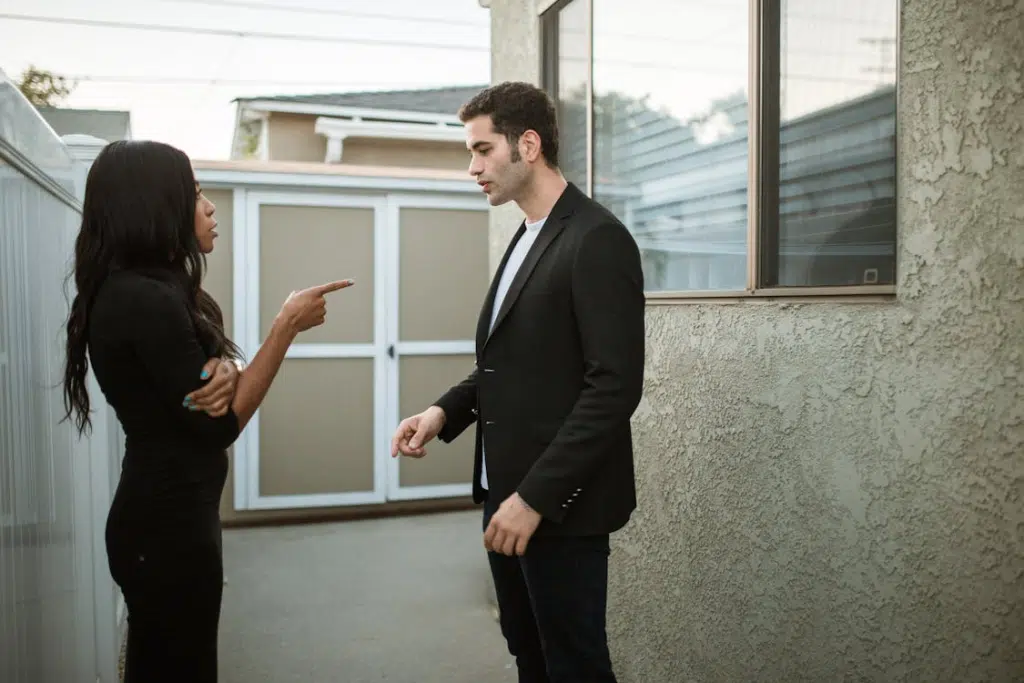
They still talked every day, but most of it was about tasks and updates. Plans, errands, and responsibilities replaced personal check-ins. The marriage stayed functional while emotional intimacy weakened. Partners stopped asking what the other was feeling, needing, or carrying. Over time, they knew the schedule better than they knew each other. This is why some couples felt lonely even while communicating constantly. The relationship became management, not connection. The marriage changed when “us” stopped being a topic.
The Tone Became Sharper in Small Ways

Not screaming, not obvious cruelty, just more edge. More impatience, more dismissive replies, more “whatever” energy. Couples often said they didn’t notice it because it felt like stress. But tone teaches the nervous system whether home is safe. When tone becomes sharper, vulnerability becomes harder. Partners start filtering themselves to avoid conflict. That makes the relationship feel less intimate over time. The marriage changed when basic warmth became inconsistent.
They Started Assuming Instead of Clarifying

They assumed intentions instead of asking questions. One partner assumed the other didn’t care, while the other assumed things were fine. Assumptions filled the gaps where curiosity used to be. Small misunderstandings turned into stories about character. Those stories hardened into resentment. Couples said they argued less about facts and more about what something “meant.” The relationship got more reactive and less accurate. The marriage changed when curiosity turned into certainty.
Apologies Became Rare or “Technical”

Some couples still said sorry, but it felt like a formality. Others avoided apologizing because it felt like losing. Either way, repair started disappearing. Without repair, small hurts stacked up into emotional debt. Partners stopped trusting that conflict would end cleanly. That made them avoid difficult topics even more. The marriage became quieter but more fragile. The marriage changed when repair stopped being automatic.
One Person Started Carrying the Emotional Temperature
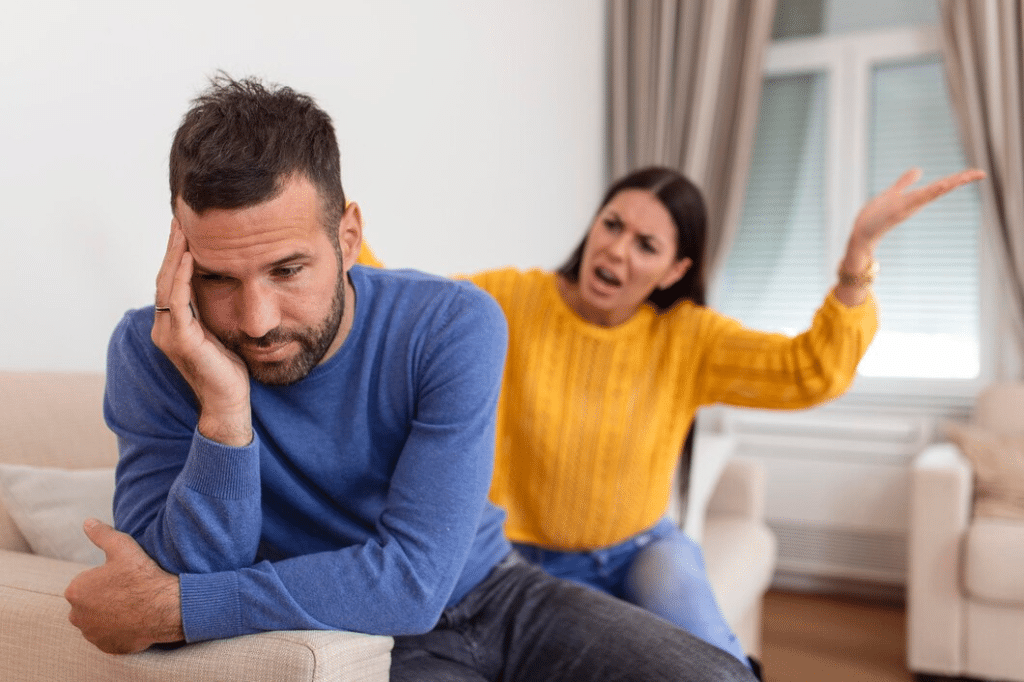
One partner became the one who checked in, initiated closeness, and tried to repair. The other participated, but rarely led. That imbalance created exhaustion and resentment. The initiating partner felt alone, and the passive partner felt criticized. Over time, the marriage became dependent on one person’s energy. When that person finally stopped, the relationship felt like it “suddenly” died. Couples said it wasn’t sudden, it was burnout. The marriage changed when initiative became one-sided.
They Confused Peace With Progress

Less arguing felt like improvement, so they relaxed. But the reduction in conflict often came from avoidance, not understanding. Partners stopped bringing things up because it never went well. That created a calm surface with a cold underneath. The marriage stayed stable, but connection shrank. Couples said the quiet felt like relief until it felt like distance. Problems don’t disappear when they’re not mentioned, they ferment. The marriage changed when silence became the strategy.
Shared Time Became “Same Room Time”

They were often together, but rarely intentional. One partner was on a device, the other was half-listening, both were tired. Shared experiences stopped being planned and started being accidental. They stopped building new memories and relied on old ones. That made the relationship feel stale without anyone doing something “wrong.” Couples said the marriage felt like it was always waiting for a better season. That season never came. The marriage changed when time stopped being protected.
They Stopped Laughing Together
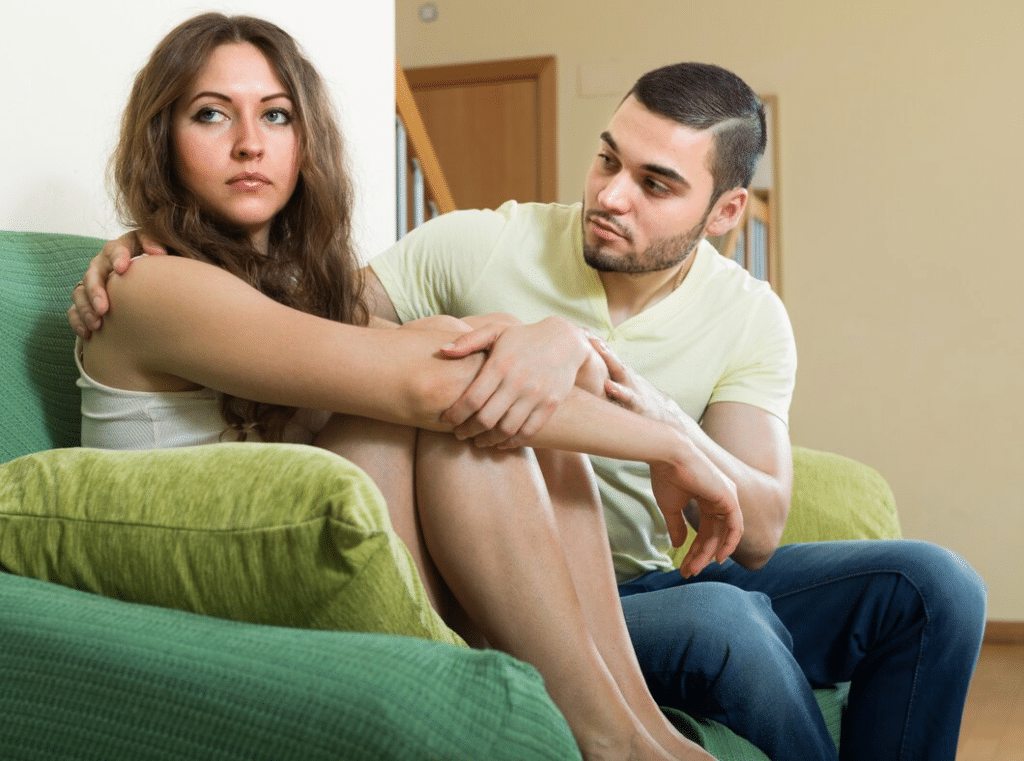
Not because they didn’t have humor, but because the relationship became heavy. Responsibilities took over, stress dominated, and playfulness faded. Without laughter, friendship thinned. Without friendship, conflict felt more threatening. Couples said they didn’t realize how important lightness was until it disappeared. A marriage can survive storms better when there is still joy inside it. When joy leaves, everything feels harder. The marriage changed when fun stopped existing.
They Became Less Gentle With Each Other’s Vulnerability

When one partner opened up, the other responded with solutions, dismissal, or impatience. Vulnerability started feeling risky, so it happened less. Over time, both partners stopped sharing the inner world. The relationship became safer for routine but unsafe for honesty. Couples said they started feeling like strangers emotionally. When vulnerability is punished, intimacy cannot grow. Even small ridicule can shut a person down for years. The marriage changed when emotional openness stopped feeling safe.
Compliments and Attraction Talk Disappeared

They still cared, but they stopped saying it. Compliments felt unnecessary or “not their style,” so they faded. Attraction and desire were assumed rather than expressed. Over time, partners felt less wanted. When people feel less wanted, they act more guarded. That guardedness reduces affection and closeness further. Couples said it wasn’t only about intimacy, it was about being seen as desirable. Words are small, but they shape atmosphere. The marriage changed when affirmation dried up.
Health and Stress Were Treated as Individual Problems

Burnout, poor sleep, anxiety, and exhaustion entered the marriage, but couples treated it like personal baggage. They blamed each other’s moods instead of addressing the shared climate. Stress made tone worse, patience shorter, and intimacy harder. Over time, they fought about symptoms instead of causes. A tired nervous system makes everything feel like a threat. Couples said they underestimated how much health affects relationship stability. The marriage changed when stress became the permanent background.
They Stopped Being a Team Around Money

Not always big debt or big fights, sometimes just drifting into separate habits. One partner avoided budgets, the other resented being the “adult.” Purchases became secretive or defensive. Money stress turned into trust stress. Couples said they fought about spending, but the deeper issue was safety and partnership. Financial conversations became tense, so they avoided them. Avoidance made the anxiety worse. The marriage changed when money stopped being collaborative.
Parenting or Family Roles Took Over the Marriage Identity

They became great parents or reliable family members, but stopped being partners. Conversations turned into kid logistics or family obligations. The couple stopped having rituals that belonged to them. Romance felt selfish, so it was postponed. Couples said they woke up and realized the marriage had no space left. The relationship became functional but emotionally underfed. Love existed, but it wasn’t nurtured. The marriage changed when “family” replaced “couple.”
Outside Opinions Started Carrying More Weight Than Each Other
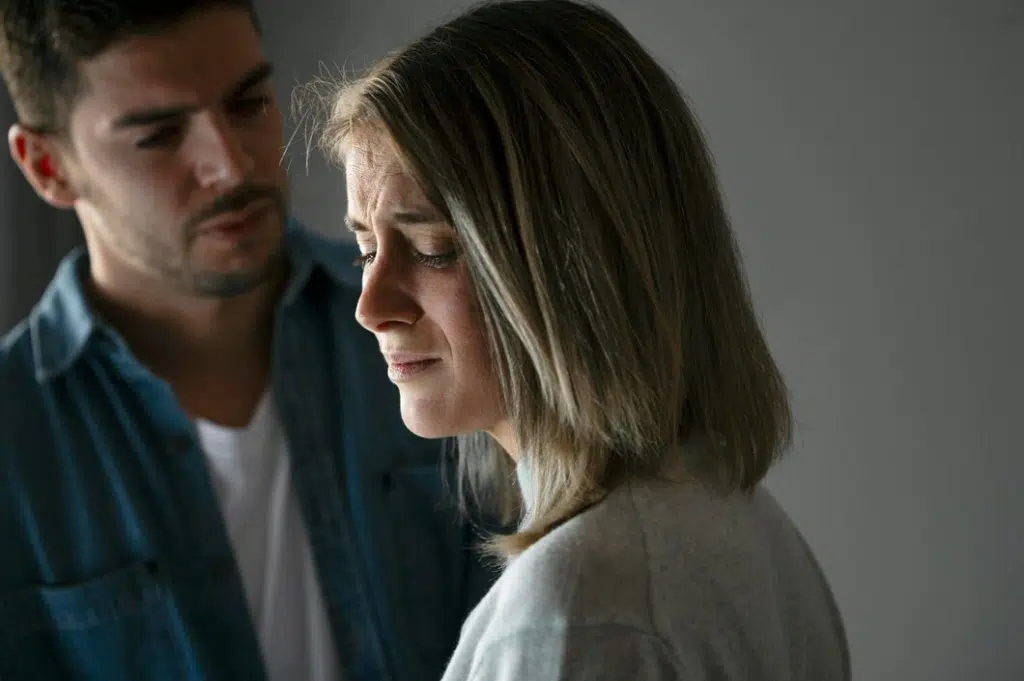
Family commentary, friend advice, and social pressure seeped in. Partners started defending themselves to outsiders instead of protecting the marriage unit. Some overshared private conflicts and created loyalty damage. Others allowed relatives to disrespect the spouse to avoid confrontation. Couples said boundaries were not handled early, so resentment grew. The spouse stopped feeling defended. Feeling undefended changes everything. The marriage changed when the relationship was no longer protected.
They Began Keeping Separate Futures in Their Head
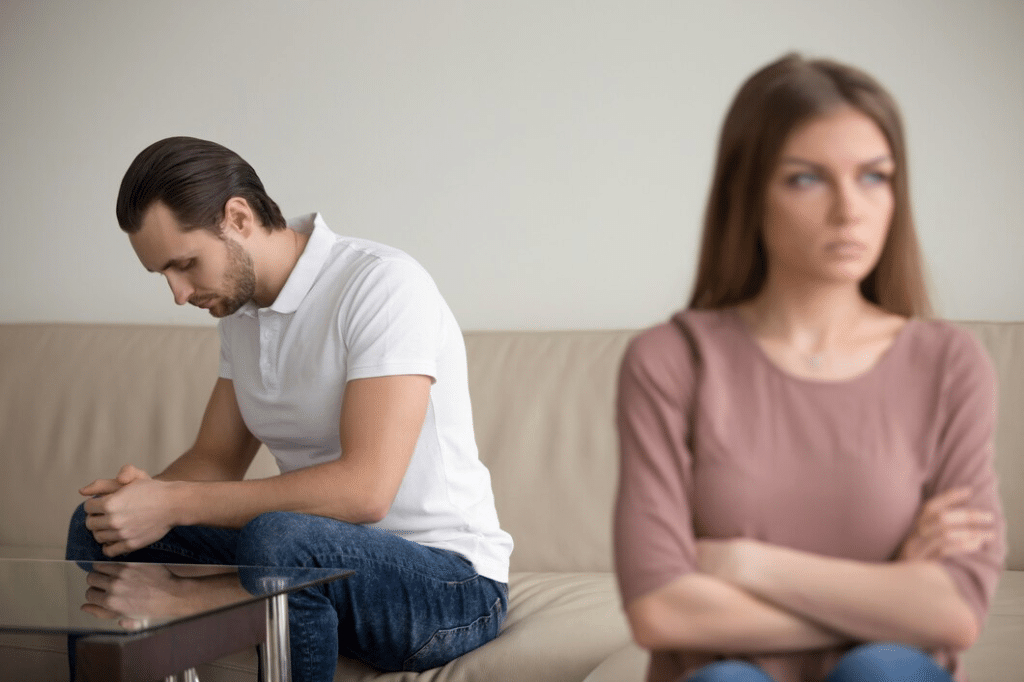
It started small: independent plans, separate goals, or “maybe I’ll do this alone.” Future talk became vague because alignment felt uncertain. Partners stopped dreaming together and started surviving separately. Couples said this was the moment the marriage became emotionally optional. When the future is not shared, commitment becomes weaker. The couple may still function daily, but the bond loses direction. Direction is what makes effort feel worth it. The marriage changed when the future stopped sounding like “we.”
Accountability Turned Into Defensiveness

When concerns were raised, the response became justification. Each conversation turned into a debate about who was wrong. Over time, the spouse stopped bringing things up because it always escalated. Defensiveness trained avoidance and emotional distance. Couples said they spent more energy protecting ego than protecting the bond. When nobody can be wrong safely, nobody can grow safely. That makes repair feel impossible. The marriage changed when feedback became a threat.
Intimacy Became Either Avoided or Weaponized

Some couples stopped being close physically because the emotional bond was strained. Others treated bedroom activity like leverage, reward, punishment, or proof. Either way, intimacy became tense instead of connecting. Couples avoided the topic because it felt embarrassing or explosive. Avoidance created more distance, and distance made the topic harder. Many said they missed affection more than frequency. Intimacy thrives on safety, not pressure. The marriage changed when closeness became complicated.
They Stopped Feeling Like the Other Person Was “On Their Side”
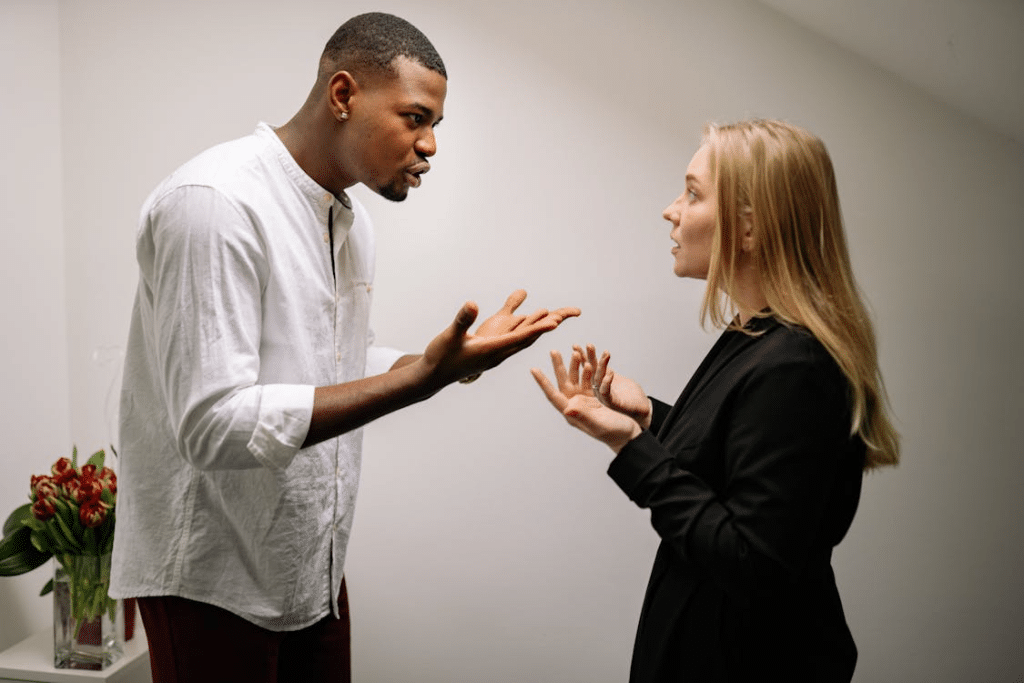
Small interactions started feeling adversarial. Requests felt like criticism, and feedback felt like attack. Partners assumed bad intent more quickly. That changed how everything sounded. Couples said they began preparing for conflict even in normal conversations. Once the “team” feeling breaks, everything becomes heavier. The relationship stops feeling like home and starts feeling like tension management. Team energy is not a mood, it is a habit. The marriage changed when partnership stopped being felt.
They Waited for a Breaking Point to Take It Seriously

Couples often knew something was off but hoped it would pass. They postponed conversations, postponed counseling, postponed changes. They expected motivation to return on its own. By the time they acted, resentment had hardened and hope was low. Many said the biggest regret was delay, not effort. Early repair is uncomfortable but cheaper. Late repair feels like emergency and desperation. The marriage changed because waiting became the pattern. Waiting made small issues permanent.








Ask Me Anything