
Double Income, No Kids (DINK) couples in their 40s and 50s are often misunderstood. While their lifestyle may look different from traditional family paths, it is far from shallow or carefree. Myths and assumptions frequently surround these couples, shaping unfair narratives about their choices, relationships, and futures. In reality, DINK couples face the same responsibilities, joys, and challenges as others, just expressed differently. These 19 misconceptions highlight what people often get wrong about DINK couples in midlife.
“DINK Couples Must Be Rich”

One of the most common misconceptions is that all DINK couples are wealthy. While having two incomes may provide financial comfort, many still deal with mortgages, debts, and everyday expenses. Their financial situations are as diverse as any other household. Assuming wealth oversimplifies their reality. Money does not automatically define their lifestyle.
“They Spend All Their Money on Luxuries”

It’s easy to imagine DINK couples splurging on travel, designer clothes, or expensive dining. In truth, many use their dual income to build long-term security. Investments, retirement planning, or supporting extended family often take priority. Luxury purchases may happen, but they are not the whole picture. Responsible planning often outweighs indulgence.
“Without Kids, They Don’t Understand Responsibility”

Responsibility extends beyond parenting. Careers, financial commitments, and community roles demand accountability. Many DINK couples also care for aging parents or support siblings. Suggesting they lack responsibility undermines the challenges they manage daily. Responsibility comes in many forms, not just raising children.
“Their Life Is One Long Vacation”

Vacations may be part of their lifestyle, but everyday reality still includes work deadlines, bills, and stress. Having no children does not eliminate the demands of adult life. Balancing careers, relationships, and obligations keeps life busy. Vacations are moments of joy, not permanent states of living. DINK couples face the same pressures as others.
“Their Marriages Lack Depth Without Children”

Children can deepen bonds, but they are not the only path to intimacy. Many DINK couples build strong partnerships through shared goals, hobbies, and values. Their connection is rooted in intentional choices to nurture one another. Love and commitment exist with or without parenting. Depth is created by effort, not circumstance.
“They’ll Eventually Regret Not Having Kids”

Regret is not a universal experience. For some, the decision not to have children is deeply considered and fulfilling. Midlife DINK couples often find purpose in careers, creativity, or community service. Assuming regret ignores the diversity of what brings meaning. Not every path must include children to feel complete.
“Without Kids, They Must Feel Lonely”

Loneliness is not defined by family size. Many DINK couples enjoy strong networks of friends, extended family, and community. Their social circles often thrive because they have more time to nurture them. Companionship can come in many forms. A household without children is not automatically an empty one.
“They Don’t Have Real Stress in Their Relationships”

All relationships face challenges, regardless of parenting status. DINK couples navigate pressures such as career transitions, health concerns, or financial decisions. Without children, the sources of stress may differ, but they are no less real. Partnership requires effort in every lifestyle. Dismissing their struggles oversimplifies the reality of adult relationships.
“They’re Being Selfish”

Choosing not to have children is often framed as selfishness, but the decision can come from thoughtful reflection. Some prioritize environmental concerns, financial stability, or personal well-being. Others choose to invest in community or extended family. Selfishness is not the right lens, it is a matter of values and priorities.
“They Don’t Care About Family”

Many DINK couples play important roles in supporting relatives. They may provide financial help, caregiving, or mentorship to nieces and nephews. Their absence of children does not erase their commitment to family ties. In many cases, it allows them to dedicate even more attention to loved ones. Family care takes many forms.
“They Can’t Relate to Friends With Kids”

Parenthood may create different experiences, but it doesn’t eliminate common ground. DINK couples often maintain strong friendships with parents, bonding over careers, travel, or shared interests. Understanding one another’s priorities strengthens relationships despite differences. Connection is not limited to having similar family structures.
“They Owe an Explanation for Their Choice”

Personal decisions about children often invite intrusive questions. However, DINK couples do not owe anyone an explanation for their lifestyle. Their choices are based on private reflection, not public approval. Respecting their autonomy is essential. Parenthood is not the only valid path, and justification should not be required.
“They’ll Have No One to Care for Them Later”
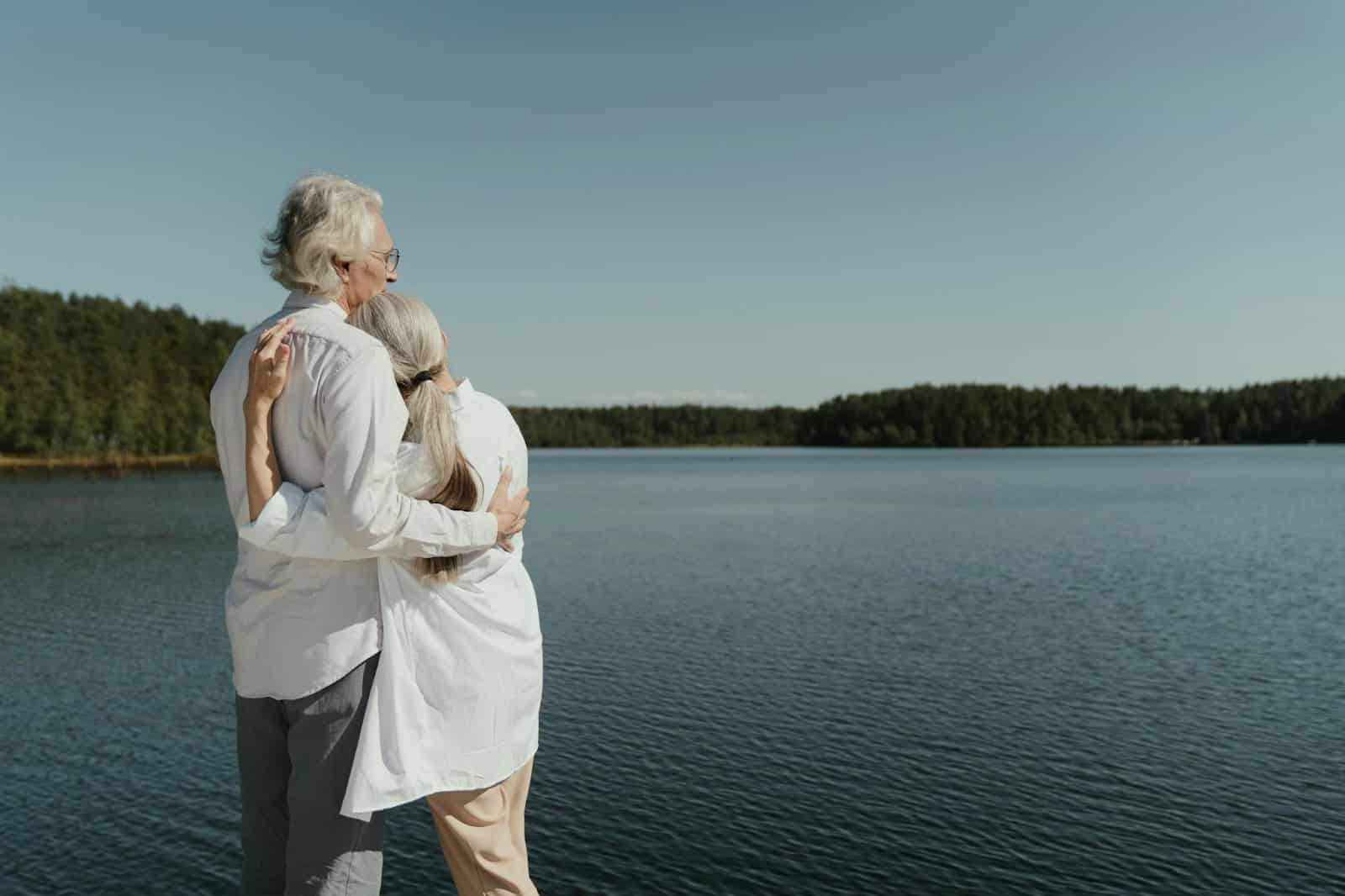
This assumption overlooks the proactive planning many DINK couples do for later life. Investments, savings, and long-term care plans often provide security. They may also build strong community networks or rely on their chosen family. Dependence on children is not the only form of support in aging. Preparation and foresight make the difference.
“They’ll Regret It Most in Old Age”
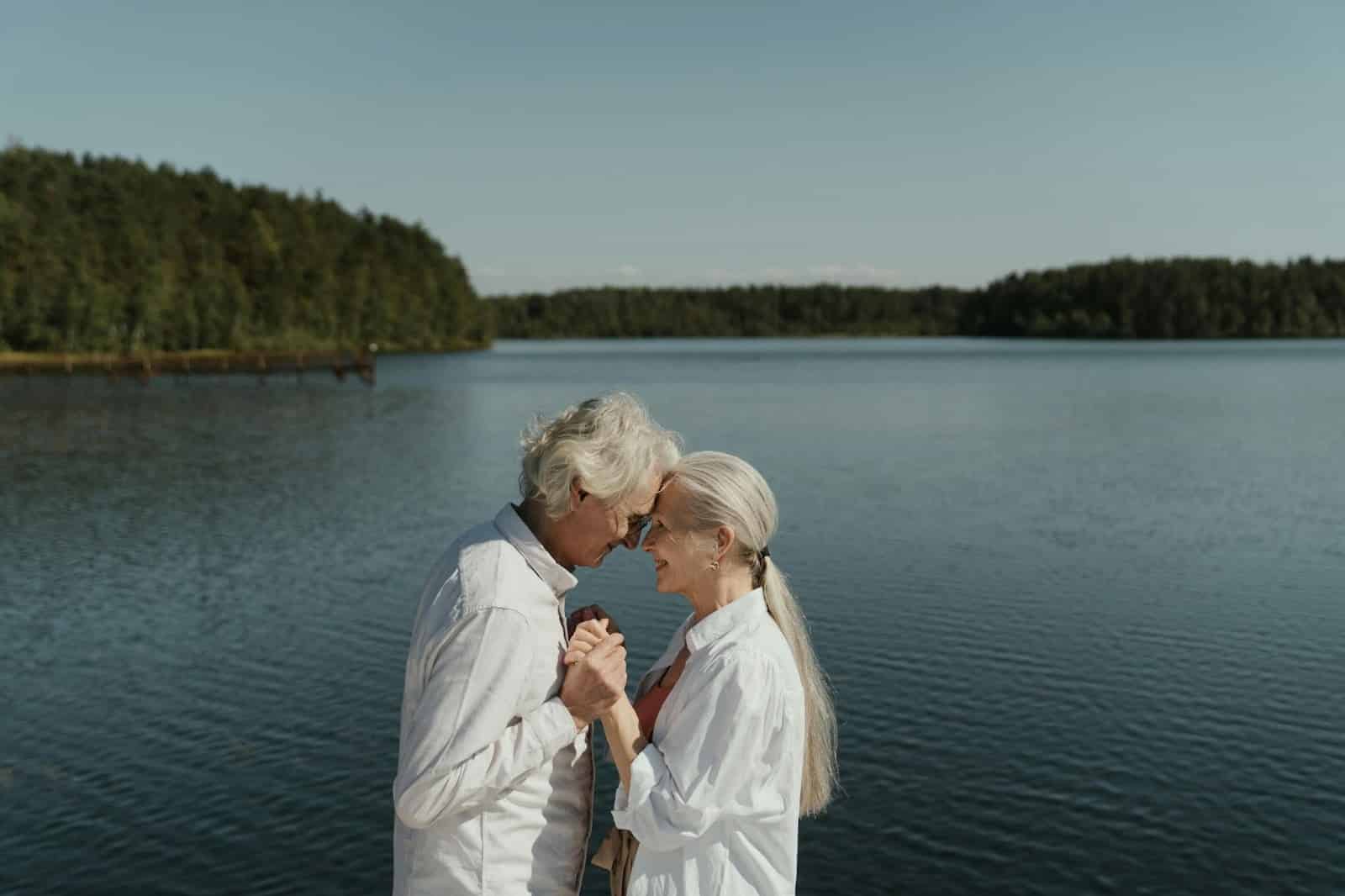
Fulfillment in later years is shaped by purpose, not parental status. Many DINK couples find satisfaction in volunteering, travel, or mentorship. Their sense of meaning is not tied exclusively to children. Assuming regret discounts the many ways people build joyful retirements. Happiness in old age is about intention, not tradition.
“They Won’t Leave a Legacy”
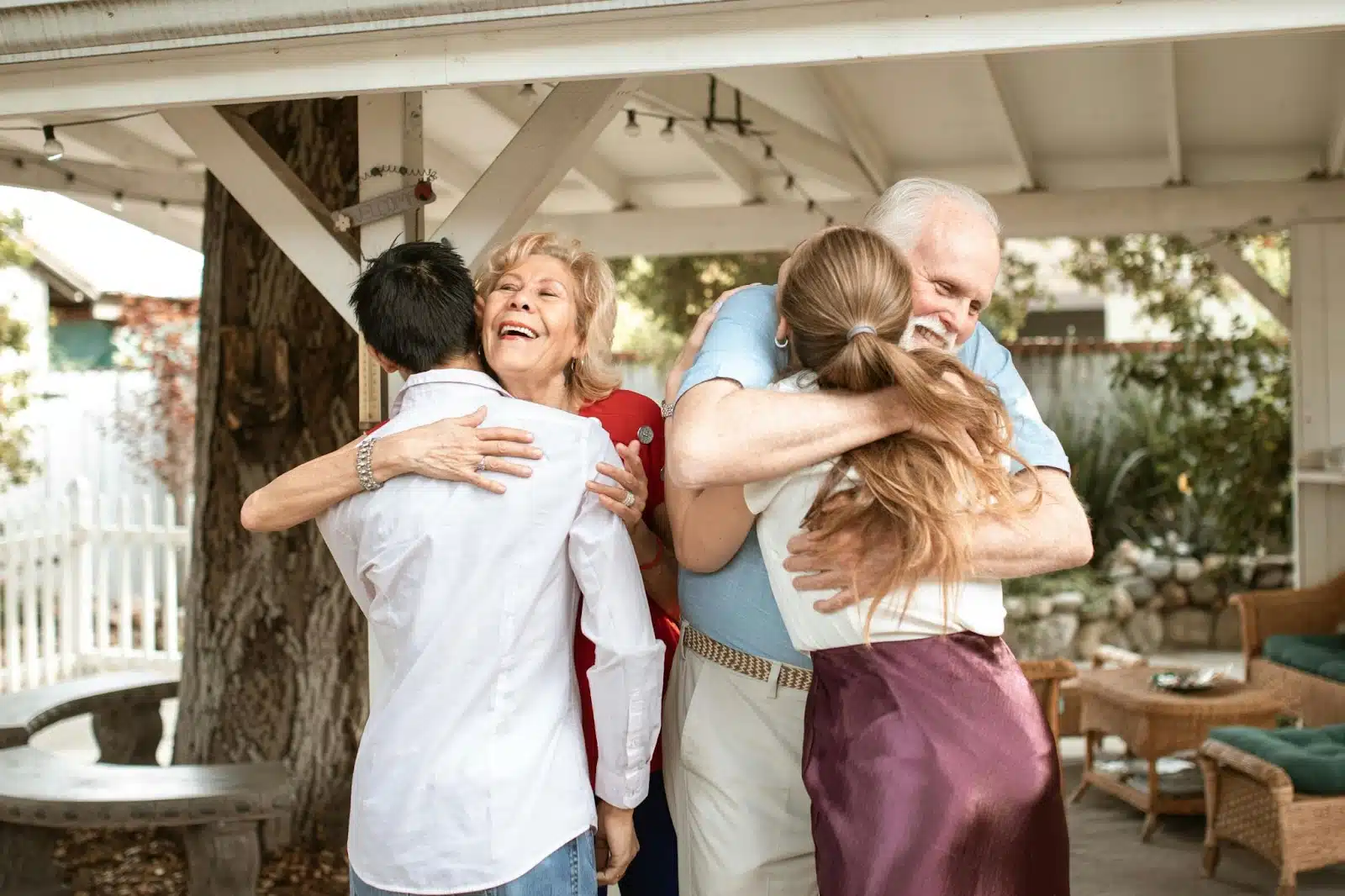
Legacy is not limited to passing on a family name or raising children. It can be expressed through philanthropy, mentorship, or creative contributions. DINK couples often focus on leaving financial, cultural, or community impact. Legacy is about influence, not biology. Every life leaves a mark in its own way.
“They’ll Have Too Much Free Time in Retirement”

Retirement does not mean emptiness. Many DINK couples fill their time with hobbies, travel, or community engagement. Freedom from parenting obligations allows exploration of passions. Their schedules can be just as rich and busy as anyone else’s. Retirement is not about free time, it’s about how that time is used.
“It’s Just a Phase They’ll Grow Out Of”

The DINK lifestyle is not always temporary. Many couples embrace it as a lifelong decision shaped by their values. Expecting them to “outgrow it” dismisses their autonomy. Choices about family are deeply personal. Midlife often proves that the decision is intentional and lasting.
“Society Doesn’t Benefit From Them”

DINK couples contribute significantly through taxes, volunteering, and economic activity. Their spending supports businesses, and their time often benefits community causes. Without children, they may have more flexibility to serve others. Society benefits in many ways from diverse household structures. Contribution extends beyond parenting.
“They’re Missing Out on the ‘Real Meaning of Life’”

The meaning of life cannot be defined universally. For some, it comes from raising children; for others, it comes from creativity, relationships, or service. DINK couples create purpose on their own terms. Suggesting they miss out undervalues the richness of their choices. Meaning is deeply personal and uniquely defined.
Conclusion

DINK couples in midlife are often misjudged through stereotypes that don’t reflect their reality. They are not defined by the absence of children but by the lives they intentionally build. Their stories highlight diversity in how fulfillment, love, and responsibility are expressed. By moving past misconceptions, society can better appreciate the contributions and choices of all family types. The new normal is not about fitting one mold, it’s about honoring many paths to a meaningful life.








Ask Me Anything