
Men are often told to “open up,” but many learn the hard way that honesty can come with consequences. Say the wrong thing, express the wrong fear, or admit the wrong insecurity, and suddenly you’re seen as weak, selfish, or failing at manhood. Over time, many men stop talking—not because they have nothing to say, but because they’ve learned it’s safer to stay quiet.
These are the thoughts many men carry daily but rarely voice out loud, not because they’re unreasonable, but because they’re misunderstood. If more people heard these without judgment, conversations—and relationships—would look very different.
1. “I’m tired of being the strong one all the time”

Men are often expected to absorb stress quietly and keep moving, no matter what’s happening behind the scenes. Being the “rock” can feel less like strength and more like emotional isolation. Many men wish they could admit they’re exhausted without being told to toughen up or compared to someone who “has it worse.” Real strength includes knowing when you’re running on empty. Practical advice: schedule regular mental check-ins with yourself or a trusted person, the same way you’d schedule a physical checkup. Burnout doesn’t announce itself politely—it builds quietly.
2. “I don’t always know what I’m doing”

Confidence is often mistaken for certainty, but most men are figuring life out in real time. Career moves, relationships, finances, and parenting rarely come with clear instructions. Admitting uncertainty can feel risky when men are expected to lead or provide answers. The truth is, uncertainty is normal, not a failure. A useful habit is to separate self-worth from outcomes—being unsure doesn’t mean being incapable. Learning in public is uncomfortable, but pretending to know everything is far more damaging long-term.
3. “I want reassurance too”

Men are often cast as the ones who give reassurance, not receive it. Compliments, appreciation, and emotional affirmation can feel rare, even in close relationships. Many men wish they could say they need encouragement without being labeled needy or insecure. Small acknowledgments—being noticed, thanked, or verbally appreciated—can make a huge difference. If you’re a man reading this, practice asking for feedback instead of waiting silently. If you’re close to one, say the kind thing out loud—don’t assume he already knows.
4. “I’m scared of failing”

Fear of failure isn’t weakness; it’s awareness of consequences. Men often tie their identity to success, which makes failure feel catastrophic rather than instructional. Many wish they could admit fear without being shamed for lacking confidence. The pressure to always “win” leaves little room for learning. A practical shift is to redefine failure as data—something that informs your next move, not your value as a person. The men who grow fastest aren’t fearless; they’re honest about what scares them.
5. “I don’t want to compete with everyone”

Competition is often framed as natural or healthy for men, but constant comparison is exhausting. Not every man wants to win the room, dominate conversations, or chase status symbols. Many quietly wish they could opt out without being seen as lazy or unambitious. Choosing peace, balance, or fulfillment over dominance is a valid decision. One practical step is to define your own metrics for success—sleep, health, relationships, and time freedom matter more than impressing people you don’t even like.
6. “I need alone time—and it’s not personal”

When men withdraw, it’s often misinterpreted as emotional distance or disinterest. In reality, many men process stress internally and need quiet to reset. They wish they could say this without triggering insecurity or conflict. Alone time isn’t rejection; it’s regulation. A helpful approach is to communicate this proactively—explain what solitude does for you before it’s misunderstood. Silence can be restorative when it’s intentional and respected.
7. “I feel lonely, even when I’m not alone”
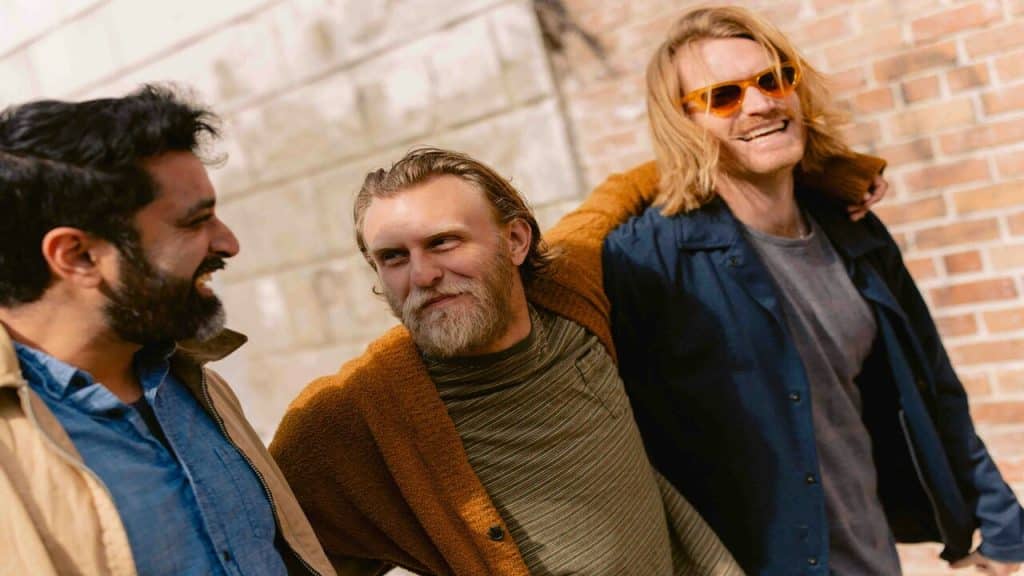
Loneliness isn’t just about being single or isolated—it’s about not feeling understood. Many men have social circles that revolve around activities, not conversations. They wish they could admit emotional loneliness without being told to “just hang out more.” Deep connection requires vulnerability, not just proximity. One practical move is to deepen one existing relationship rather than trying to expand your social circle. Quality beats quantity every time.
8. “I don’t always feel masculine enough”

Masculinity is often treated like a test men must constantly pass. Whether it’s income, physical strength, sexual confidence, or emotional control, the standards can feel narrow and unforgiving. Many men worry they don’t measure up, but rarely say it out loud. The truth is, masculinity isn’t one thing—it’s adaptable and personal. A grounding exercise is to define masculinity on your own terms, based on values rather than stereotypes. No one benefits from a definition that suffocates half the population.
9. “I struggle with my mental health”

Despite growing awareness, many men still feel unsafe admitting anxiety, depression, or emotional overwhelm. They fear being seen as unstable, unreliable, or weak. As a result, many suffer silently until things break. Mental health struggles are common, manageable, and not character flaws. Practical advice: treat mental health care like physical maintenance—early attention prevents major damage. Therapy, journaling, or even structured routines can be powerful tools when used consistently.
10. “I want to be appreciated, not just needed”

Being needed feels good at first, but it can become draining when appreciation is missing. Many men feel valued only for what they provide, not who they are. They wish they could say this without sounding selfish or ungrateful. Appreciation affirms humanity; need alone reduces people to function. A useful boundary is to notice relationships where gratitude is absent and gently address it. Feeling seen matters just as much as being useful.
11. “I don’t have everything figured out financially”

Money is deeply tied to male identity, especially in cultures that emphasize providing. Many men feel intense shame around debt, income plateaus, or financial mistakes. They wish they could talk about it without being judged as irresponsible or inadequate. Financial literacy is learned, not innate. A practical step is to replace secrecy with strategy—track spending, ask questions, and seek advice early. Silence is often more expensive than honesty.
12. “I need emotional safety too”

Men are often expected to absorb criticism without reacting, but repeated emotional dismissal takes a toll. Many wish they could say that jokes, sarcasm, or constant correction hurt more than they admit. Emotional safety isn’t about fragility; it’s about respect. A practical move is to name patterns calmly instead of bottling resentment. Safe relationships are built through mutual care, not emotional endurance tests.
13. “I don’t always want to lead”

Leadership is often assumed to be a male default, but carrying responsibility nonstop can be overwhelming. Some men wish they could step back occasionally without being seen as passive or weak. Wanting support doesn’t negate competence. A healthy practice is to rotate responsibility where possible and ask for help before burnout forces the issue. Shared leadership strengthens relationships—it doesn’t diminish authority.
14. “I feel pressure to have my life ‘together’ by now”

Age-based expectations hit men quietly but relentlessly. Career timelines, marriage milestones, and financial benchmarks create a sense of falling behind. Many men wish they could admit they’re not where they thought they’d be without feeling like failures. Life paths aren’t linear, no matter how social media frames them. A grounding tactic is to measure progress in skills gained and lessons learned, not just external milestones.
15. “I’m afraid of being vulnerable and losing respect”

Men are often told vulnerability is attractive, but many experience the opposite when they try it. Being open has sometimes led to dismissal, ridicule, or weaponization later. This makes men cautious, not emotionally closed. The practical lesson is to choose safe audiences—vulnerability works best with people who’ve earned access, not everyone. Openness without discernment isn’t bravery; it’s exposure.
16. “I want affection without it being sexual”

Physical affection for men is often sexualized or restricted, leaving many touch-starved. Hugs, reassurance, or gentle contact are seen as inappropriate unless romantic. Many men wish they could say they miss simple, human connection. This lack of affection affects emotional regulation more than people realize. A practical step is to normalize non-sexual affection in close relationships and friendships where appropriate. Touch doesn’t always mean desire—it often means comfort.
17. “I’m doing the best I can, even if it doesn’t look like it”

From the outside, effort isn’t always visible. Many men are fighting internal battles no one sees while still showing up every day. They wish they could say this without it sounding defensive or self-pitying. Effort isn’t always loud or impressive—it’s often quiet persistence. If you’re a man, remind yourself that survival counts as progress. If you know one, offer grace before judgment—you may be seeing only the surface.








Ask Me Anything