
Missing parts of single life does not mean you chose wrong. It means you are paying attention. Marriage changes how you move through the world, and pretending otherwise is what causes quiet frustration later. Most married men miss certain freedoms while still loving their wives and families deeply. That tension is normal, and no one really warns you about it. Think of this as the conversation men have in their heads but rarely say out loud, usually while staring at the fridge at night.
Making Decisions Without Consensus

You used to decide what to eat, where to go, or how to spend a weekend in seconds. Now even small choices can turn into conversations. Again, this is part of a partnership, not a flaw. But the mental shift is real. Married men’s habits change because instinct gives way to discussion. You may catch yourself missing the simplicity of deciding once and moving on. Not because you do not care, but because decision fatigue is real.
Fewer Expectations to Show Up a Certain Way
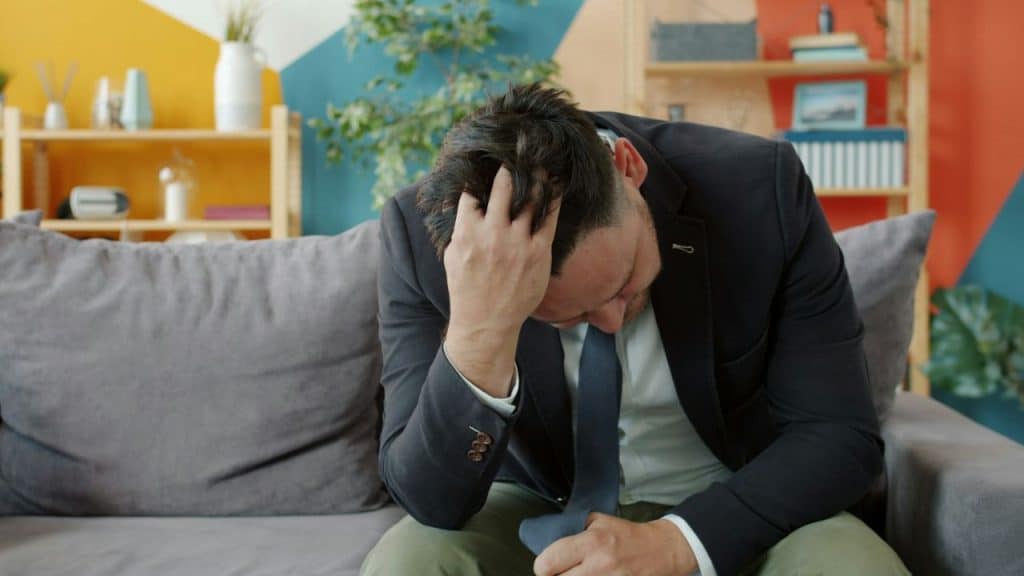
Marriage raises the bar on consistency. Communication, follow-through, and emotional presence matter more. As a single man, you could disappear for a bit without explanation. Now you are expected to show up, even when tired. These expectations are fair, but they are also demanding. Married men often miss the lower-pressure version of themselves that single life allowed.
Financial Autonomy

Money feels different after marriage. Spending used to be personal and short-term. Now it is shared, planned, and tied to bigger goals. That can be grounding and stabilizing, but it also removes a layer of freedom. You think twice before buying something just because you want it. Married men miss being single in moments like this, when autonomy used to be effortless and now requires alignment.
Time That Felt Entirely His

There is a difference between free time and personal time. Marriage gives you shared time, which can be meaningful and deep. But personal time becomes more limited and often scheduled. Even when you are alone, you are still aware of obligations waiting. Single life gave you hours that felt completely yours. That sense of ownership over time is something many men quietly miss after getting married.
Living With Less Mental Load

Single life is lighter in invisible ways. You track fewer details, juggle fewer priorities, and carry less emotional context. Marriage adds layers. You think about plans, moods, logistics, and future needs. None of this is wrong, but it adds weight. Many changes men experience after marriage show up mentally before they ever show up physically. The quiet simplicity of fewer moving parts is easy to miss.
Total Control of His Schedule

Before marriage, your time answered to you. You could decide at 6 p.m. that you wanted to lift, grab a beer, or do absolutely nothing, and that was the plan. Now your calendar is shared, layered with responsibilities, and shaped by someone else’s needs, too. Even good things require coordination. You start thinking ahead instead of acting on instinct. That freedom to move on a whim is one of the clearest differences between single vs married life for men, and it is often the first thing you feel slipping away.
Silence Without Explaining It
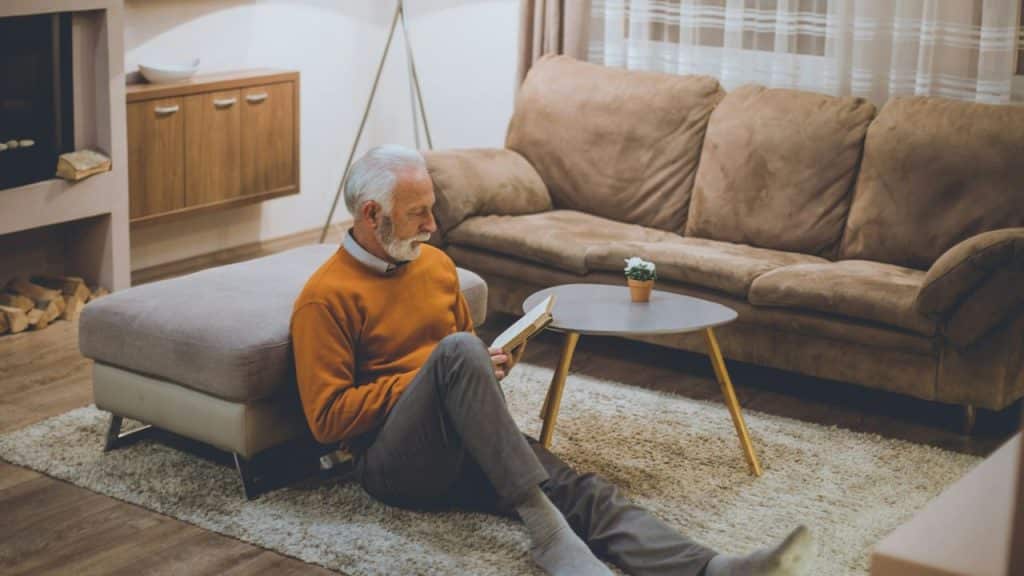
Single life lets you be quiet without commentary. You could shut down, decompress, or just exist without having to explain what was wrong. Marriage brings connection, but it also brings questions. Are you tired, stressed, upset, or distant? None of this is bad, but it is a change. Married men often miss the silence that comes without interpretation. Sometimes you just want quiet to be quiet, not a problem to solve.
The Simplicity of Solo Routines

Your routines used to be straightforward. You ate when you were hungry, slept when you were tired, and trained when it fit your schedule. Marriage blends routines. That can be bonding, but it also requires adjustment. You may miss the simplicity of moving through your day without coordination. Small habits become shared habits, and that takes getting used to.
Dressing Only for Himself

When you were single, getting dressed was simple. Comfort, function, or personal style were enough. Marriage introduces awareness of how you show up. You think about impressions, appropriateness, and shared standards. That awareness can be good, but it also removes a bit of ease. Married men sometimes miss throwing on whatever feels right without thinking twice.
Spontaneous Social Plans

Single life allowed last-minute plans with little friction. A text could turn into a night out or a weekend trip. Marriage does not remove social life, but it slows spontaneity. Plans require notice and alignment. You may still go out, but rarely on impulse. That freedom to say yes without checking in is one of the things married men secretly miss.
Being the Only Emotional Variable

When you were single, your emotional state affected only you. Marriage means your mood has ripple effects. Stress, frustration, or withdrawal are now felt by someone else. This awareness makes you more responsible, but also more restrained. You start managing not just your emotions, but their impact. That shift can feel heavy at times, especially for men who process internally.
Flirting Without Consequences

This is about attention, not action. Single men often enjoyed light flirting and being noticed without meaning attached. Marriage changes that completely. Attention from others becomes something you ignore or shut down. That shift can feel abrupt. Missing that harmless validation does not mean you want to cross lines. It means you are human and aware of how dynamics changed.
Alone Time That Was Truly Uninterrupted

There is a difference between being alone and being off-duty. In marriage, alone time often comes with awareness of shared space and responsibilities. Single life gave you stretches of time where no one needed anything from you. That mental off switch is rare once you are married. When men talk about married men’s independence, this is usually what they mean.
Taking Risks Without Affecting Anyone Else

Your decisions used to impact only you. Career moves, financial risks, or lifestyle changes were personal calls. Marriage expands the stakes. You think about stability and consequences more carefully. That caution is mature, but it can feel restrictive. Many men miss the boldness that came from knowing they were the only ones affected.
The Identity of Being Fully Independent

Single life reinforces self-reliance. You solve your problems, manage your life, and answer only to yourself. Marriage blends identities. You become part of a unit. That does not erase who you are, but it reshapes it. Missing that fully independent identity is common, especially for men who valued autonomy deeply before marriage.
Solving Problems Without Explaining Them

Many men prefer to work through issues quietly. Single life allowed that. Marriage invites conversation, transparency, and shared processing. This can be healthy, but it may not come naturally. You may miss the freedom to think things through alone without needing to articulate every step. That tension shows up often in realistic marriage expectations for men.
The Version of Himself That Answered Only to Him

Marriage does not erase who you were. It builds on it. Still, it is normal to miss the version of yourself that answered only to your own rules. That man shaped who you are today. Growth means holding both truths at once. You can be committed, present, and loyal while still acknowledging what life before marriage gave you. That awareness is not regret. It is maturity, especially for men, thinking long-term about partnership and purpose.








Ask Me Anything