
Most men don’t mean to come off as controlling. They’re trying to care, to lead, to protect—but somewhere along the way, that care starts feeling like control. What begins as love can look like pressure, and what’s meant as protection can sound like doubt. This isn’t about pointing fingers—it’s about getting honest. Here’s how good intentions can quietly twist into something else, and what husbands can do before that happens.
Taking the Lead in Decisions
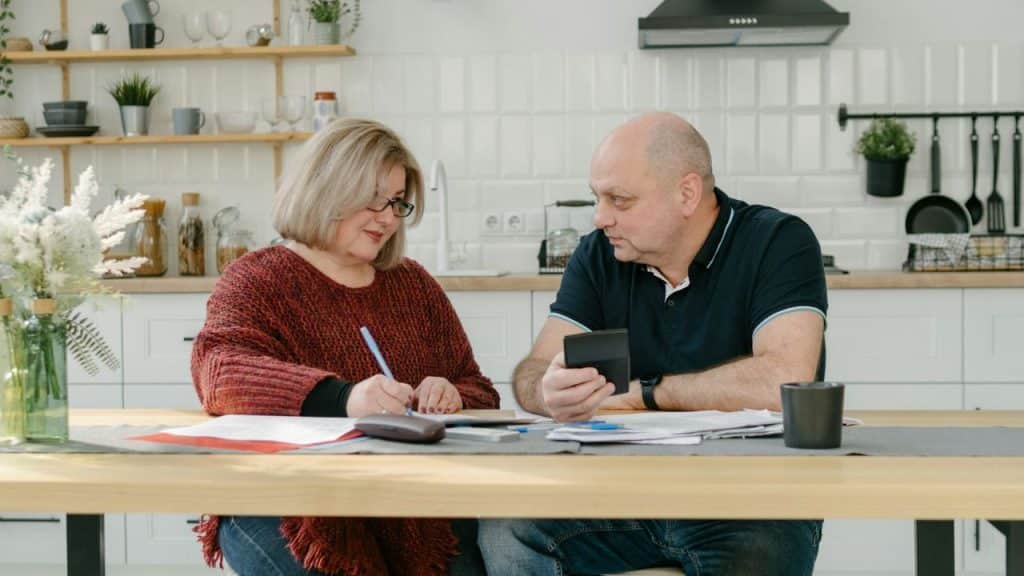
Leadership in marriage isn’t the problem; exclusion is. When a husband takes initiative, but also values her opinion, it builds teamwork. But if he moves ahead without consulting her, it starts to feel dominating. Partnership means both voices count. Taking the lead should never silence the other person.
Monitoring Family Finances Closely

A husband who tracks every expense may think he’s keeping the family secure. But when that tracking feels secretive or strict, it turns tense. Openness is the difference between responsibility and restriction. When money becomes a shared mission, control loses its grip. Transparency creates peace.
Asking for Updates When Apart

Many men like to check in throughout the day as a way to stay connected. It’s about reassurance, not surveillance. But when it feels constant, it starts to look like control. The fix lies in balance—showing care without expecting play-by-play updates. Connection thrives on trust, not monitoring.
Being Protective Around Other Men

A husband’s protective side can be both endearing and tricky. What feels natural to him might come across as jealousy or insecurity. Trust turns protectiveness into respect. Without it, even small gestures can look controlling. The key is to protect the relationship, not patrol it.
Checking Where She’s Going

When a husband asks where his wife is headed, it usually comes from concern, not suspicion. He’s thinking about her safety, the drive, or whether she’ll get home late. But if it turns into constant questioning, it starts to sound like tracking. The difference lies in tone and timing—asking once out of care feels thoughtful, while repeating it can feel suffocating. A quick “text me when you’re home” often says the same thing with more respect.
Giving Opinions on Her Friends

Many men see offering opinions about their wife’s friends as looking out for her. Maybe he notices someone taking advantage of her or stirring drama. But those comments can sound judgmental if he’s not careful. It’s better to ask how she feels about that person rather than jumping to conclusions. Protectiveness sounds like care when paired with empathy, not criticism.
Handling Most of the Bills

Taking charge of the finances often feels like an act of responsibility. He might think he’s easing her stress, but she may feel left out of major decisions. When only one person manages money, it can blur the line between leadership and control. Transparency turns this habit from “I’ve got it” into “We’re in this together.” A simple monthly check-in goes a long way.
Offering to Drive Everywhere

For many husbands, driving is a way of saying, “I’ll take care of you.” But when it happens all the time, it can quietly suggest he doesn’t trust her capability. What starts as chivalry can feel like overprotection. A better approach is to offer, not insist. Sharing the wheel now and then keeps the gesture kind instead of controlling.
Asking About Her Day in Detail

Wanting to know the details of her day often comes from genuine curiosity. He’s trying to stay connected, to show that he cares about her world. Yet when the questions pile up, it can feel more like an interrogation than affection. The trick is warmth—ask, listen, and let the conversation flow naturally. Curiosity feels loving when it’s patient, not pressuring.
Wanting More Couple Time

It’s normal for a husband to crave time together. But when that desire limits her personal space, it starts to feel possessive. Sometimes, what he sees as closeness, she sees as control. The solution isn’t pulling away, but balancing togetherness with freedom. Healthy love gives room to breathe.
Reminding Her About Health or Safety

Reminders to eat, rest, or drive safely come from care. Still, constant reminders can sound patronizing, especially if she feels capable of handling herself. The tone matters more than the words. Saying “I worry because I care” feels different from “You should have known better.” Respect makes concern easier to receive.
Managing the Household Schedule

Taking over the calendar can start as an effort to stay organized. He might think he’s helping both of them keep things on track. But when decisions are made without her input, it starts to feel like control. Collaboration is key—plans should be shared, not dictated. Couples thrive when both feel ownership of the home’s rhythm.
Giving Career Advice

When a husband offers career advice, he usually means to support her ambitions. But unsolicited advice can sound like he doubts her judgment. The fix is simple: ask if she wants feedback before giving it. Encouragement works better than correction. Support doesn’t have to sound like coaching.
Trying to “Fix” Problems Quickly

Most men are wired to solve, not just sympathize. When she shares a problem, he jumps straight to solutions out of love. But what she often needs first is empathy. The best fix is listening before fixing. Sometimes, being heard matters more than being right.
Setting Boundaries Around Social Media

Some men see boundaries on social media as protecting the relationship from unnecessary drama. But when those boundaries are imposed instead of discussed, it feels possessive. Healthy couples set limits together, not through rules. Respectful communication turns potential control into shared understanding.
Showing Concern About Her Outfits or Safety at Night

Telling her to cover up or be careful at night often comes from worry, not control. But it can easily sound like policing her choices. The intent is care, yet the delivery decides everything. Saying “I just want you safe” works better than dictating what she should wear. Kindness carries more weight than criticism.
Wanting to Handle Confrontations or Conflicts for Her

Many husbands step in during conflict to protect their wives. It feels like loyalty, but it can unintentionally take away her voice. True protection means standing beside, not in front of, your partner. Let her handle her part while knowing you’ve got her back. Strength in marriage comes from shared confidence, not overprotection.








Ask Me Anything