
Dating again after divorce feels familiar and foreign at the same time. You know how relationships work, but the context has changed, and so have you. There’s excitement, hesitation, and usually a quiet voice asking whether you’re actually ready. Most people don’t realize how many small, avoidable mistakes happen in this phase until they’ve already made them. These are the things divorced people often say they wish they’d understood before stepping back into dating.
Take Time to Heal Before Dating Again

A lot of people jump back into dating because silence feels uncomfortable. Divorce creates a gap—emotionally and socially—and dating seems like a quick fix. It rarely is. Unresolved anger, guilt, or grief has a way of showing up on dates whether you want it to or not. People often realize later that waiting would’ve saved them from messy connections and unnecessary drama. Healing isn’t about being perfect; it’s about not bleeding on someone new.
Be Comfortable Being Single First

Being alone after marriage can feel strange, even if the relationship ended long ago. Many people discover they didn’t actually know how to be single as an adult. Dating before rebuilding a solid solo life tends to create pressure—on you and on whoever you meet. When you’re okay being on your own, dating becomes optional instead of urgent. That shift alone changes the quality of people you attract.
Understand the Modern Dating Scene

Dating now doesn’t look like it did the last time you were single. Apps, short attention spans, and casual ghosting are part of the landscape. People often underestimate how jarring this can feel at first. It’s easy to take things personally when someone disappears or seems distracted. Understanding that this behavior is common—not necessarily about you—helps keep things in perspective. Think of it less as rejection and more as background noise.
Start Slower Than You Think You Should
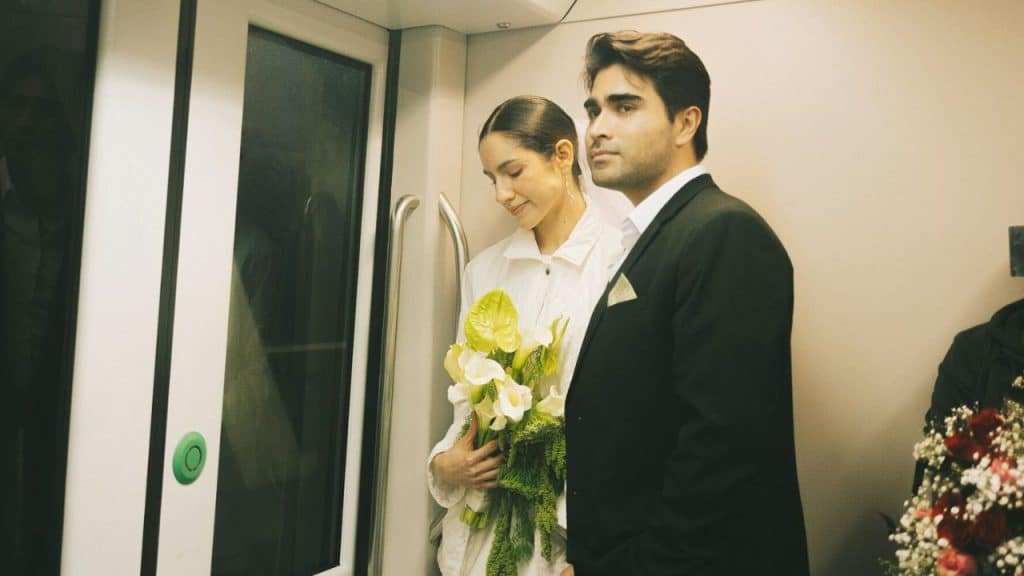
After years of marriage, emotional closeness can feel like something you’re supposed to fast-forward to. Many divorced people later wish they had slowed things down. Intensity early on can feel exciting but it also clouds judgment. Time reveals consistency, and consistency matters more than chemistry. Moving slowly isn’t about fear—it’s about letting reality catch up to feelings.
Be Careful With Rebound Relationships

Rebounds aren’t always casual or shallow. Sometimes they feel intense, supportive, and meaningful. That’s why they hurt so much when they fall apart. A lot of people don’t realize they’re rebounding until they’re already emotionally invested. These relationships can still teach you something, but they’re rarely built to last. If it ends, it doesn’t mean you failed—it usually means timing did.
Learn From Your Divorce Honestly

It’s tempting to place all the blame on your ex and move on. That approach doesn’t age well. People who reflect on their own patterns tend to make better choices the second time around. This doesn’t mean overanalyzing every mistake, just noticing recurring themes. Divorce can be a harsh but useful mirror. Ignoring it often leads to reruns.
Do Some Inner Work First

A surprising number of dating issues aren’t about dating at all. They’re about trust, self-worth, and emotional habits formed over years. Many divorced people realize later that a bit of therapy or honest self-work would’ve saved time and confusion. This isn’t about fixing yourself—it’s about understanding yourself. Dating becomes simpler when you know what triggers you and why.
Get Clear on What You Want Now

What you wanted at 25 isn’t always what works at 45. Divorce has a way of sharpening preferences. People often wish they’d defined their non-negotiables earlier instead of drifting into familiar but wrong situations. Clarity doesn’t limit options—it filters them. It helps avoid connections that look good on paper but feel wrong in practice.
Set Boundaries Early

Boundaries after divorce aren’t about control; they’re about stability. Many people realize too late they said yes too often early on. Time, availability, and emotional access all matter. Without boundaries, resentment builds quietly. Healthy limits don’t push the right people away—they make the wrong ones uncomfortable.
Stop Seeing Yourself as Damaged

Divorce carries a lot of quiet shame. Some people walk into dating assuming they’re behind, broken, or less desirable. That mindset shows up in subtle ways. Experience isn’t damage—it’s context. People who own their history calmly tend to come across as grounded, not baggage-heavy. Confidence here isn’t loud; it’s settled.
Be Honest About Your Past, Not Stuck In It

Your divorce will come up. Avoiding it entirely feels evasive, but overexplaining feels unresolved. Many people later realize the sweet spot is simple and factual. Share enough to be transparent, then move forward. Early dates aren’t the place for full backstories. If you’re still unloading, it might be too soon to date seriously.
Don’t Compare Everyone to Your Ex

Comparison happens quietly and constantly. It’s easy to measure new people against what you lost or endured. This usually creates unrealistic expectations in both directions. New relationships don’t need to fix or replace the old one. They just need space to be what they are. Letting go of comparisons takes effort, but it makes dating far less frustrating.
Be Thoughtful About Kids and Dating
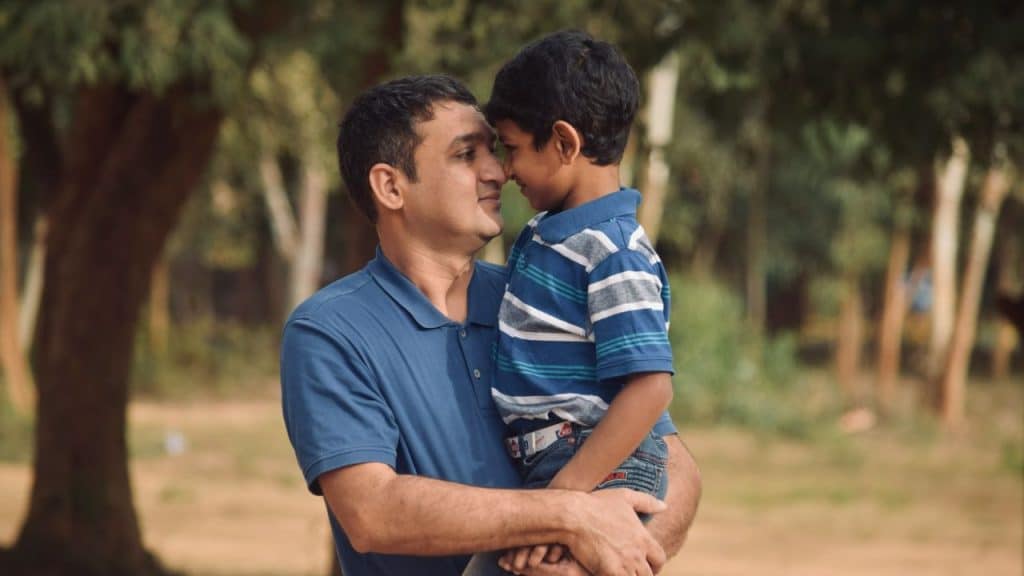
If kids are involved, dating adds another layer of complexity. Many parents wish they’d waited longer before introductions. Kids don’t need a rotating cast of new adults in their lives. Timing matters more than intention here. Patience tends to reduce stress for everyone involved, including you.
Factor in Time and Money

Dating after divorce isn’t just emotional—it’s logistical. Schedules are tighter, and budgets are often different than before. People sometimes overspend or overcommit trying to recreate a sense of normal. That usually backfires. Dating works better when it fits your actual life, not an ideal version of it.
Pay Attention to Red Flags You Used to Ignore

Divorce gives you experience, even if you didn’t ask for it. Patterns that once seemed minor often look different now. Many people later admit they ignored early signs because they didn’t want to start over again. That pressure leads to bad decisions. Walking away early is usually cheaper than leaving later.
Allow Dating to Be Enjoyable Again

Not every date needs to lead somewhere. People often forget that dating can simply be social and fun. When the pressure drops, conversations improve. Laughter comes back into the picture. Enjoyment doesn’t mean carelessness—it means not treating every interaction like a performance review.
Stay Yourself the Whole Time

It’s easy to shape-shift when dating again, especially after a long marriage. People often realize later they were trying to be “better” instead of being real. That approach doesn’t hold up over time. The right match fits your actual life, not a polished version of it. Authenticity isn’t risky—it’s efficient.








Ask Me Anything