
Most couples do not wake up one day and decide to end everything. Divorce often enters the conversation after months or years of small disconnections. The relationship starts losing daily care long before it loses the legal commitment. Many couples still live together and function, but the bond becomes thinner. This is why outsiders feel shocked when divorce happens. The real shift often happened earlier, quietly, in routines and habits. These are 15 things couples commonly stop doing before divorce is ever said out loud.
The Micro-Connections That Quietly Disappear

A relationship stays healthy through tiny moments of connection. These moments look unimportant until they vanish. When they disappear, the relationship becomes functional but emotionally empty. Many couples think love should carry itself. But love is maintained through daily attention and small kindness. When micro-connection dies, people start feeling alone in the same house. Loneliness is often the beginning of detachment. Detachment is often the beginning of irreversible decisions. These are the first things that quietly fade.
They Stop Greeting Each Other With Warmth

Warm greetings are one of the easiest relationship stabilizers. Couples who are disconnecting often shift into neutral greetings or none at all. The home starts feeling emotionally cold, even if no one is yelling. This reduces daily affection and increases emotional distance. It also makes partners feel less seen and less valued. Small warmth signals, like eye contact or a hug, stop happening. Over time, that becomes the normal atmosphere. When warmth disappears, resentment grows faster.
They Stop Checking In Beyond Logistics

Early on, partners ask about feelings, stress, and inner life. Later, many couples only talk about schedules, bills, and tasks. The relationship becomes a project management system. Emotional intimacy drops because there is no space for real conversation. This can happen even when both people are busy and responsible. But responsibility is not the same as connection. Without check-ins, partners become strangers who cooperate. Cooperation can keep a household running. It rarely keeps love alive. Emotional neglect often starts as “being busy.”
They Stop Laughing Together

Laughter is a powerful indicator of closeness. Couples who are drifting often lose playful moments. Conversations become serious, tense, or minimal. Even when humor exists, it may become sarcastic or sharp. That shift changes the emotional tone of the relationship. Laughter creates lightness and reduces stress. Without it, everything feels heavier. Heavy relationships become harder to stay engaged in. When laughter disappears, affection often follows. The relationship starts feeling like work without relief.
The Respect and Curiosity Fade

Most relationships do not collapse from a lack of love first. They collapse from a lack of respect, curiosity, and emotional safety. Partners stop asking questions, stop listening well, and stop caring how their words land. The relationship becomes less gentle. People become more defensive and less patient. When curiosity fades, misunderstandings increase. When respect fades, repair becomes harder. This section focuses on the subtle changes that make the relationship feel emotionally unsafe. Emotional unsafety is a common pre-divorce reality.
They Stop Asking Questions That Show Interest

Curiosity is a quiet form of romance. Couples often stop asking meaningful questions when routine takes over. They assume they already know everything about each other. But people keep changing, especially through stress and life transitions. When questions disappear, partners feel less known and less important. Feeling unimportant creates emotional withdrawal. Emotional withdrawal reduces intimacy. This cycle can run for years. Without curiosity, connection becomes shallow. Shallow connection is easy to abandon.
They Stop Listening Without Preparing a Defense

In connected couples, listening is about understanding. In disconnected couples, listening becomes waiting to respond. Partners start protecting themselves instead of staying open. This makes conversations feel tense, even when the topic is small. Over time, both people stop sharing honestly. Honest sharing feels risky when defensiveness is normal. When defensiveness increases, emotional safety decreases. Emotional safety is a core ingredient of long-term stability. Without it, partners emotionally exit first. Divorce is often just the paperwork later.
They Stop Speaking Kindly During Stress

Stress reveals relationship habits quickly. Couples drifting toward divorce often become rougher in tone during stressful moments. They snap, dismiss, or speak with contempt. Even if apologies happen, the tone pattern stays. Over time, kindness stops being the default. Kindness becomes conditional on mood. That makes the relationship feel unpredictable. Unpredictable emotional climates reduce closeness. People stop feeling safe being vulnerable. When vulnerability disappears, intimacy dries up. Many divorces begin with the loss of basic kindness.
They Stop Repairing After Conflict

Conflict does not end relationships. Unrepaired conflict does. Couples often stop closing the loop after disagreements. They move on without resolution, or they pretend things are fine. The issue remains underneath, quietly shaping future interactions. Over time, small hurts accumulate into resentment. Resentment reduces attraction and affection. The relationship starts feeling permanently tense. Repair is what prevents resentment from stacking. When repair stops, detachment starts. Detachment is often the emotional beginning of divorce.
The Partnership Becomes Unequal

A marriage can survive hard seasons when both people feel like teammates. When one person feels like the manager, caretaker, or lone responsible adult, the bond weakens. Imbalance creates burnout, and burnout creates resentment. Resentment changes how love feels. Many couples stop sharing responsibility long before they discuss divorce. One partner silently carries more until they cannot anymore. The other may not notice until the emotional distance is obvious. Partnership is not only chores. It is shared mental load, planning, and emotional effort. When partnership collapses, commitment starts to feel unsafe.
They Stop Making Life Easier for Each Other

Healthy couples look for small ways to reduce each other’s stress. Drifting couples stop doing that. They become more self-focused and less considerate. Each person starts living “next to” the other instead of “with” them. This increases daily friction and lowers goodwill. Goodwill is what makes forgiveness and patience possible. Without goodwill, even small issues feel personal. The relationship becomes harder to live in. When life feels harder with a partner, exit fantasies begin. Those fantasies often appear before divorce is mentioned.
They Stop Sharing Decisions as a Team

Couples drifting apart often stop making decisions together. One person decides, the other adapts. Or both make solo decisions without consulting. This creates a sense of disconnection and disrespect. Shared decisions build shared life. When decisions are separate, the relationship becomes two individuals coexisting. Coexisting is not the same as building. Many divorces come after years of “parallel lives.” Parallel lives feel stable on the surface. Inside, they feel lonely. Loneliness often becomes the reason to leave.
They Stop Showing Appreciation for Ordinary Effort
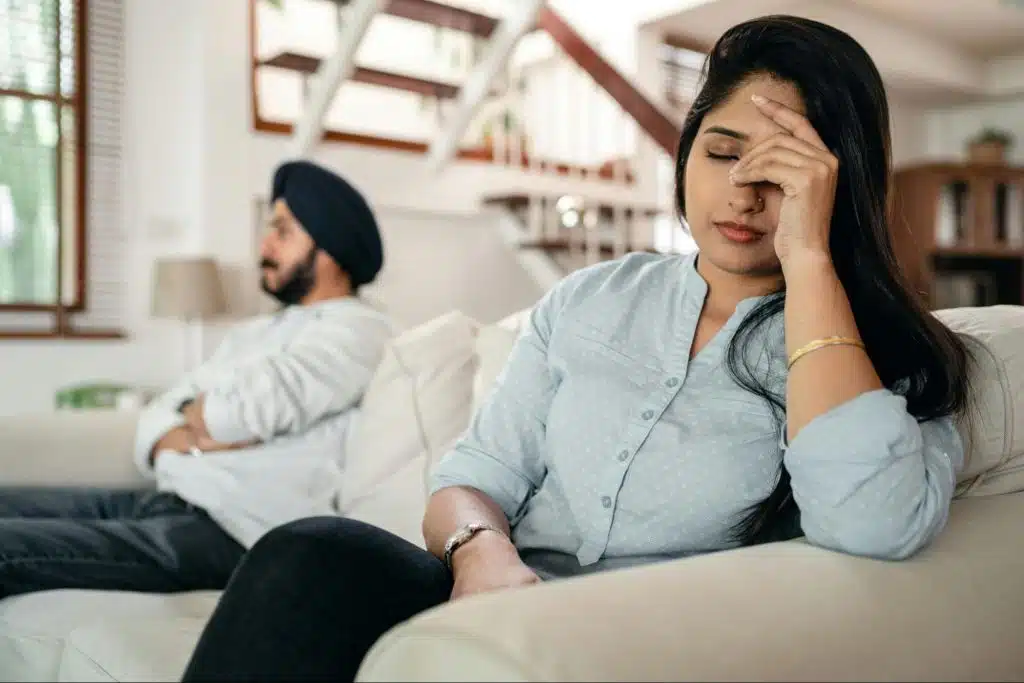
Appreciation is one of the easiest ways to protect a relationship. Couples drifting toward divorce often stop thanking each other. They assume effort is expected and not worth acknowledging. Over time, that creates a feeling of being taken for granted. Feeling taken for granted reduces motivation to give. Reduced giving reduces warmth. Reduced warmth reduces attraction and intimacy. This is how the relationship becomes emotionally dry. Many people do not leave because they are hated. They left because they felt invisible. Appreciation prevents invisibility.
They Stop Being Affectionate Outside of Physical Intimacy

When affection becomes rare, the relationship starts feeling colder. Many couples stop small touches, hugs, and casual closeness. They may still have physical intimacy sometimes, but affection becomes less frequent and less safe. This creates a transactional vibe: touch only happens when something is expected. That makes partners guarded. Guarded partners pull away. Pulling away reduces closeness. Closeness is what keeps long-term love alive. When affection disappears, emotional distance grows quickly.
They Stop Prioritizing Quality Time

Time together does not automatically create connection. Intentional time does. Couples drifting toward divorce often stop protecting quality time. They spend time in the same room, but not truly together. Devices, work, and routine replace bonding. This makes the relationship feel neglected. Neglect is rarely dramatic, but it is powerful. Over time, each partner finds fulfillment elsewhere, friends, hobbies, work, or distractions. Distractions are not the problem. The absence of shared connection is the problem. When connection stops being prioritized, the relationship weakens.
They Stop Talking About the Future Together

One of the clearest pre-divorce signs is future silence. Couples stop planning, dreaming, or even discussing next year. Future talk can feel pointless when connection is low. This creates emotional separation, even while living together. A shared future is a shared identity. When that identity disappears, commitment becomes a habit, not a choice. Many people stay married while mentally living separate futures. That is why divorce can feel sudden later. The relationship ended internally first. Future talk is a form of commitment. When it ends, detachment grows.
Tips: How to Notice These Signs Without Panicking

Look for patterns, not one bad week. Notice whether warmth and check-ins are disappearing over months. Pay attention to whether conflict ends with repair or silence. Observe whether kindness is becoming conditional. Watch whether the relationship feels more like logistics than connection. Notice whether appreciation is fading. Check whether quality time is intentional or accidental. If the future is never discussed, take that seriously. Awareness is not accusation. It is prevention.
Tips: Small Ways to Restart Connection Quickly

Start with one daily ritual, such as a warm greeting and a short check-in. Add one moment of appreciation that is specific and sincere. Protect a small block of quality time each week, even if it is simple. Make one shared decision together to rebuild teamwork. Practice repair after conflict with accountability and reassurance. Bring back casual affection without pressure. Ask one meaningful question each day. Small consistency often shifts the emotional climate faster than big speeches.
Tips: When to Get Outside Support

If conversations always turn into blame or shutdown, support can help. If resentment feels chronic or emotional safety feels low, professional guidance can create structure. If one partner refuses all repair attempts, that is important information. Support is not only for crises; it is for prevention. Many couples wait too long because they fear what help implies. But early help often prevents big damage. Structured conversations can change patterns quickly. The goal is not to “win” conflict. The goal is to rebuild trust and teamwork.
Divorce Is Usually Mentioned After Maintenance Stops

Divorce often becomes a topic long after connection has been neglected. The relationship shifts from warm to neutral, from curious to distant, and from team-based to separate. These 15 habits are not proof that divorce is coming. They are signals that the relationship needs attention. The earlier the signals are addressed, the easier repair becomes. Small rituals, kindness, appreciation, and repair can rebuild closeness over time. Long-term love survives through maintenance, not luck. When maintenance returns, hope often returns too. And when hope returns, divorce often stays out of the conversation.








Ask Me Anything