
More couples are quietly rewriting the script for marriage. They’re choosing to skip parenthood, not out of carelessness, but because they see a different kind of future worth chasing. It’s a choice that can bring more freedom, better finances, and time to actually enjoy each other. But it also means letting go of moments many people hold dear, like passing on family traditions or watching a child grow. For men weighing the decision, it’s worth looking beyond the surface and seeing how a life without kids can shape love, purpose, and the years ahead.
More Disposable Income

Kids are expensive. Without daycare, school fees, sports, and all the extras, your budget opens up fast. That extra money can go toward investments, business ventures, or experiences you’ve been putting off. Couples often find they can afford higher quality in the things they value most, whether that’s travel, dining, or property. It also creates a financial safety net, reducing stress about emergencies. This freedom with money is one of the biggest draws of a childfree marriage.
Freedom to Travel

Travel becomes simpler without having to coordinate around school calendars, nap schedules, or childcare. Spontaneous weekend getaways are possible. Off-season trips are cheaper and less crowded. You can focus on destinations and experiences that interest you instead of kid-friendly options. This makes travel more personal, flexible, and often more fulfilling for both partners.
More Time for Each Other

Without the daily demands of raising kids, couples can focus more on each other. Date nights aren’t a rare luxury. Conversations are uninterrupted. You can grow together through shared activities, learning new skills, or just enjoying slow mornings. This time strengthens connection in a way that’s harder to maintain when parenting responsibilities dominate.
Career Flexibility

A childfree marriage gives more room to take risks at work. Relocating for a promotion or switching industries becomes far less complicated. You’re free to work longer hours during crunch periods without worrying about missing bedtime routines. For entrepreneurs, it means more energy and bandwidth to focus on building and scaling a business. The flexibility can open doors you might not have considered otherwise.
More Energy for Hobbies and Health

Without parenting duties, you have more physical and mental energy to invest in yourself. Hitting the gym, joining a sports league, or training for a marathon feels more doable. Hobbies like woodworking, photography, or music can become regular parts of your life instead of occasional escapes. Maintaining your health and fitness also becomes easier when you control your schedule.
Less Domestic Chaos

A home without children often means fewer messes, less noise, and more control over your space. You can keep things the way you like them without constant cleanup. Your living environment can reflect your tastes instead of being dominated by toys and safety gates. This calmer setting can reduce daily stress and make the home a true place to recharge.
Fewer Relationship Strains from Parenting Stress

Parenting can create tension even in strong relationships. Disagreements over discipline, school choices, or screen time can wear on a couple. Without those stress points, some couples find they argue less and communicate more effectively. It doesn’t mean the relationship is perfect, but it removes a major source of conflict that many couples face.
Ability to Live in Smaller or More Urban Spaces

Without the need for multiple bedrooms or proximity to good schools, you have more housing choices. Smaller homes can be easier to maintain and more affordable. Urban living with access to culture, dining, and events becomes a realistic option. This freedom lets you choose a location based on your lifestyle rather than family logistics.
Easier Retirement Planning

Without child-related expenses, saving for retirement often starts earlier and grows faster. There’s less financial pressure to balance college funds with retirement accounts. This can make early retirement possible or allow for more comfort in later years. It also gives couples the option to design retirement around travel, hobbies, or seasonal living.
Flexibility in Life Goals

Without kids in the picture, life goals can shift in unconventional ways. You might spend months abroad, take on seasonal work in different cities, or dedicate time to passion projects. There’s room to change direction without worrying about disrupting a child’s stability. This flexibility can keep life exciting and adaptable as you age.
Missing Out on Parenting Milestones

Not having children means missing moments like first steps, school plays, and graduations. These are experiences many parents describe as deeply rewarding. Without them, some couples may feel a gap in their personal story. Traditions built around family growth simply won’t be part of the journey.
Potential for Social Isolation

As friends start families, their availability often changes. Invitations may slow down, and gatherings may be centered around children. This can create a sense of distance, even in close friendships. Couples without kids may need to put more effort into finding social circles that align with their lifestyle.
Less Built-In Family Support in Old Age

Adult children often provide emotional and logistical support as parents age. Without that, you may need to rely on friends, extended family, or hired help. This can work well with the right planning, but it requires forethought. Some couples address this by building strong community connections earlier in life.
Fewer Family Gatherings

Holidays and celebrations can feel quieter without children around. The chaos and excitement of big family events are replaced by a calmer pace. For some, that’s a relief. For others, it feels like something is missing.
Risk of Relationship Drifting Without a Shared Long-Term Project

Raising children often gives couples a shared mission for decades. Without that, it’s important to be intentional about building joint goals. Otherwise, the relationship can drift into parallel lives. Couples who thrive without kids often invest heavily in shared adventures, businesses, or creative projects.
Cultural or Family Pressure
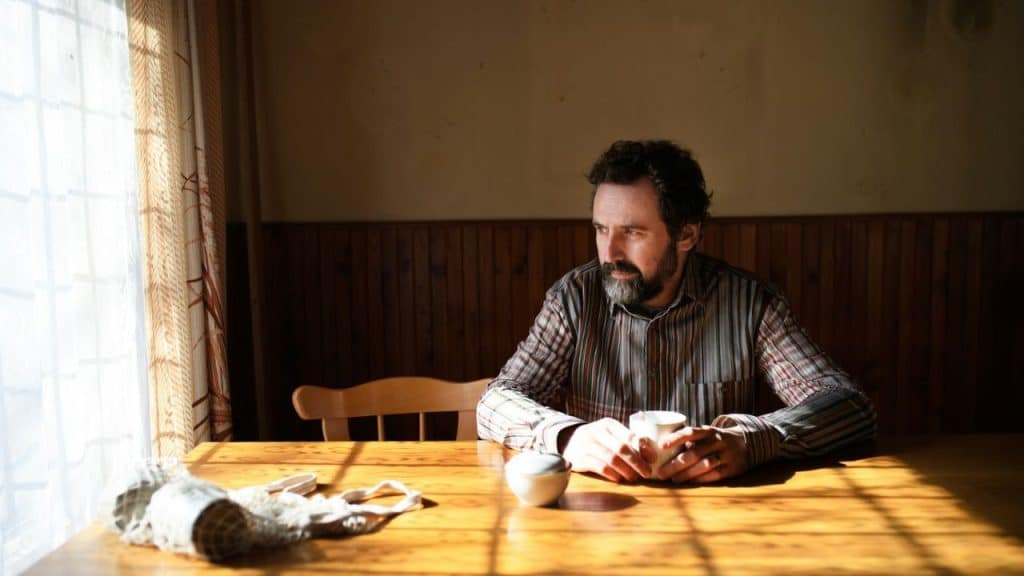
Some families and communities still expect couples to have children. Questions and comments can be uncomfortable or even judgmental. Over time, this pressure can wear on your confidence in the decision. Clear communication and mutual support are key to handling it well.
Reduced Legacy in Traditional Terms
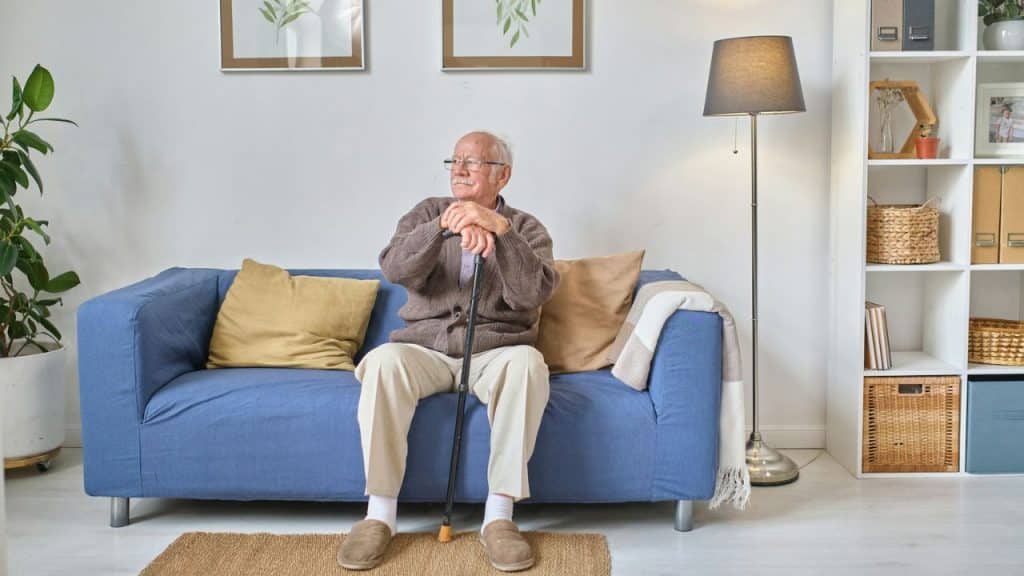
Without children, your family name and direct lineage stop with you. This can matter a lot to some men, less to others. Legacy can still be built through mentorship, business, or philanthropy, but it’s a different path. It’s worth thinking about how you want to leave your mark.
Fewer Opportunities to Experience Nurturing Roles

Parenting offers a unique way to guide and shape another person’s life. Without that, you may miss certain emotional experiences tied to care and mentorship. Some childfree couples fill this gap by working with youth organizations or being active in their community. But it is a choice that requires effort to replace.
Different Retirement and Estate Planning Needs

No heirs can change the way you approach wills, trusts, and asset distribution. Planning may focus more on charities, extended family, or friends. This can be liberating, but it also requires more decision-making. Professional guidance becomes even more important in these cases.
Less Understanding of Parenting Struggles

Without firsthand experience, it can be harder to relate to friends raising kids. You may underestimate the exhaustion or stress they face. This gap in understanding can create distance in relationships. Staying empathetic and open can help maintain those connections.








Ask Me Anything