
Protective behavior often appears naturally in relationships, but it is sometimes misunderstood. When a man becomes protective of someone he cares about, people may assume it comes from insecurity or a desire to control the situation. In reality, that explanation rarely tells the full story. In many cases, protectiveness grows from emotional attachment, responsibility, and the instinct to care for someone who has become important. As feelings deepen, many men naturally become more aware of their partner’s comfort, safety, and well-being. This instinct does not always appear in dramatic moments. Instead, it usually shows up through small everyday actions, quiet awareness, and thoughtful decisions that reflect genuine care.
Emotional Attachment Activates Protective Instincts
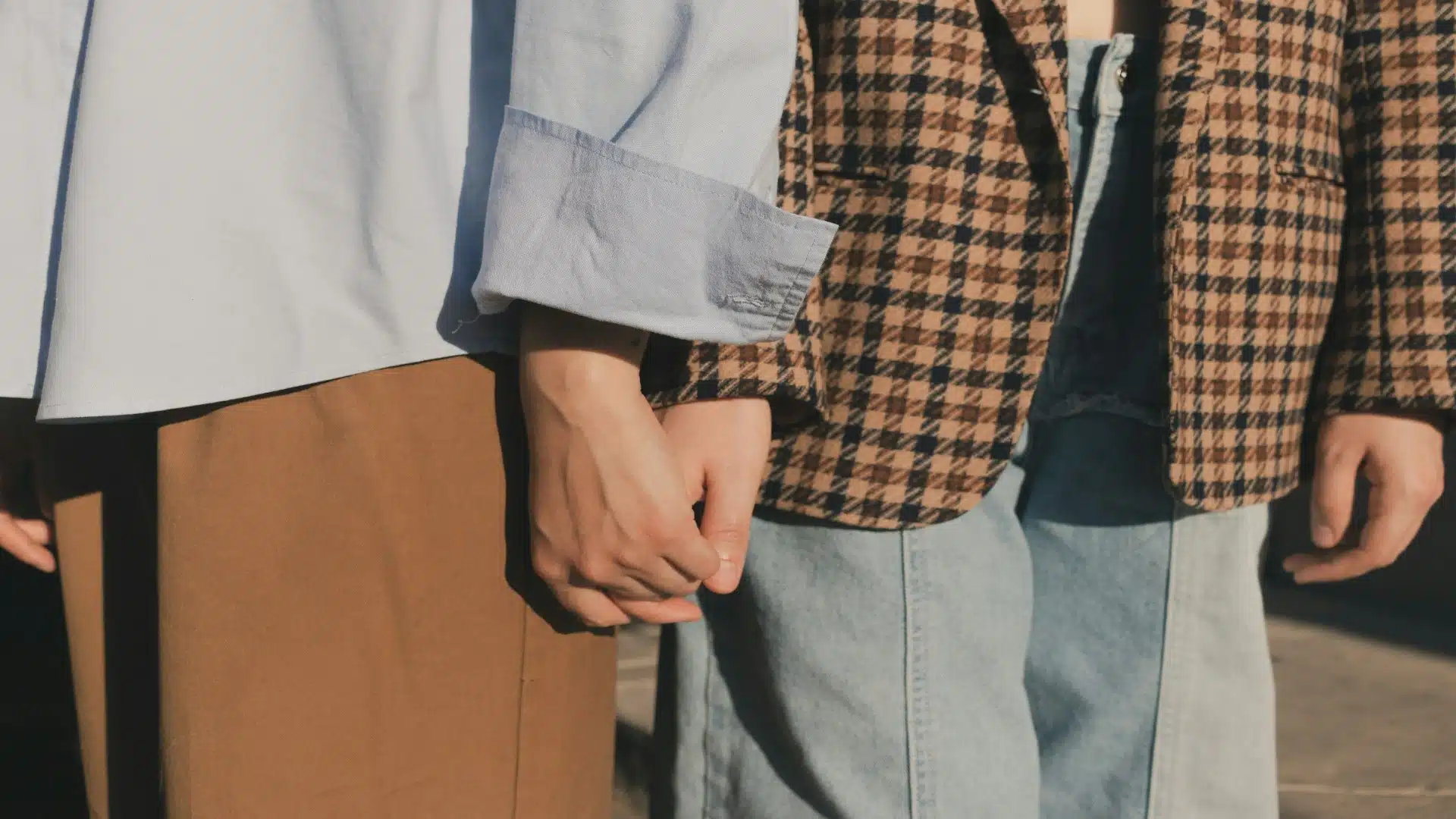
When emotional attachment grows, people often begin paying closer attention to the well-being of the person they care about. For many men, this emotional bond naturally activates a protective instinct. It does not mean they believe their partner cannot handle life independently. Instead, the emotional connection makes their partner’s comfort and safety feel more important than before. When someone becomes a meaningful part of a man’s life, he may become more attentive to situations that could cause stress or discomfort. This attentiveness is usually a reflection of care rather than control. Emotional attachment simply makes someone more aware of how their actions affect the person they love.
Care Often Appears Through Action

Many men tend to express care through actions rather than long emotional conversations. While words can certainly express affection, actions often feel more natural and direct. Protective behavior becomes one of the ways that care appears in everyday life. A man may walk his partner to her car at night, help when she feels overwhelmed, or step in during an uncomfortable situation. These gestures are rarely dramatic or attention-seeking. Instead, they are often quiet actions that communicate attentiveness and support. Over time, these small behaviors can become meaningful signs of emotional investment.
Responsibility Can Feel Personal

When a relationship becomes important, many men begin to feel personally responsible for contributing to their partner’s well-being. This sense of responsibility usually develops naturally as emotional connection deepens. It does not feel like pressure or obligation. Instead, it feels like a natural desire to help create a safe and supportive environment for someone they care about. Protectiveness often becomes one way this responsibility is expressed. When a man values the relationship, he may feel motivated to be attentive and supportive in everyday situations.
Protective Behavior Is Often Subtle

Protective instincts do not usually appear through dramatic gestures. In most relationships, they show up in quiet everyday moments. A man may notice when his partner seems uncomfortable in a crowded environment or when a conversation becomes tense. Instead of reacting dramatically, he might simply adjust the situation or offer support. These small observations often reflect emotional awareness. Over time, this quiet attentiveness can become an important part of the relationship dynamic. Protective behavior often works best when it remains natural and subtle.
Emotional Investment Changes Priorities

As emotional investment grows, priorities often begin to shift naturally. A partner’s comfort, safety, and happiness may start to feel more important than before. Many men become more attentive to situations that might affect their partner’s well-being. This shift does not feel forced or deliberate. Instead, it happens gradually as the relationship becomes more meaningful. Emotional investment often leads people to think more carefully about how their actions influence someone they care about.
Instinct and Social Expectations Both Influence Behavior
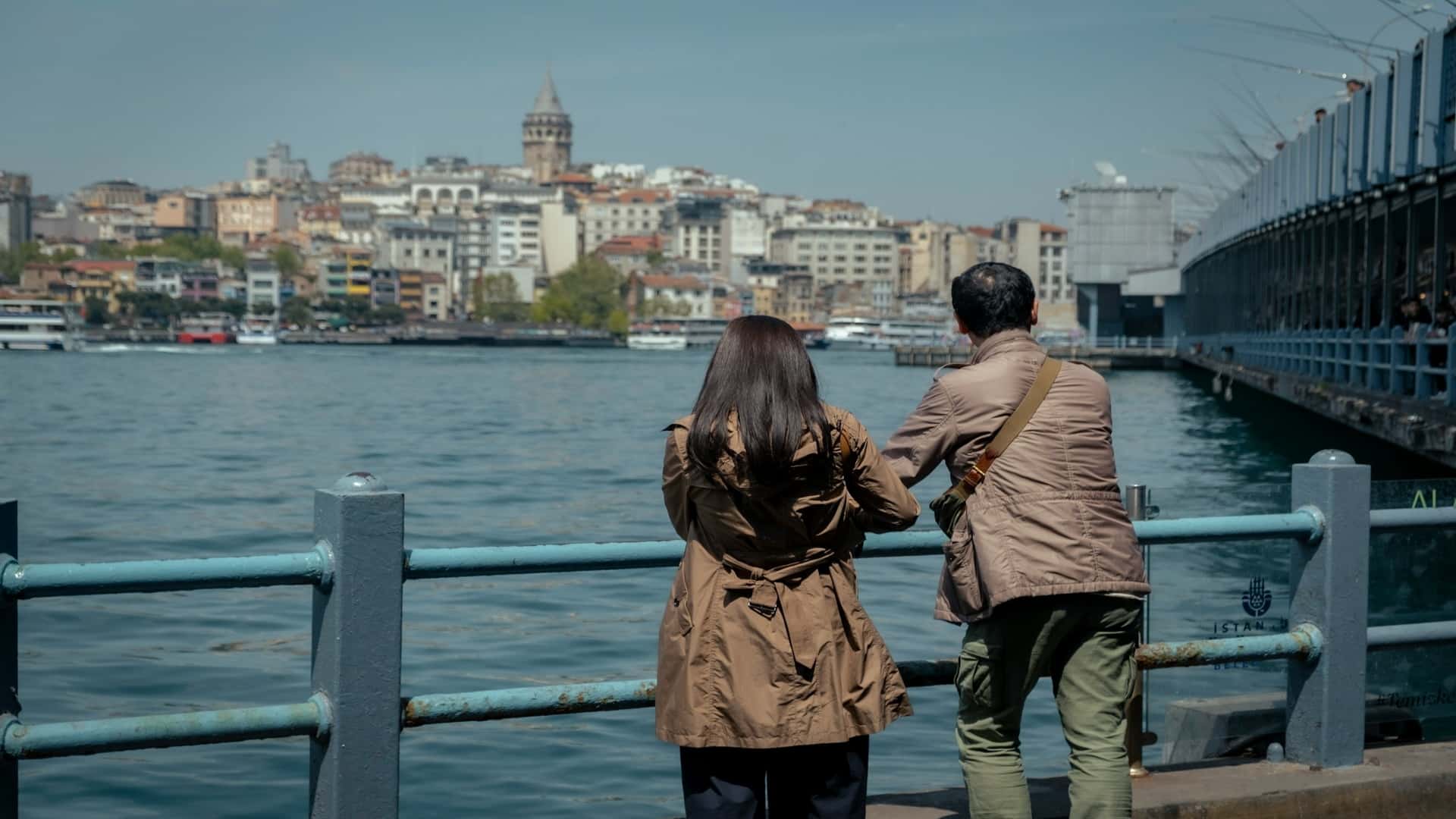
Protective behavior is influenced by both personal instincts and social expectations. In many cultures, men grow up hearing that they should protect or support the people they care about. Over time, these messages can shape how men interpret their role in relationships. At the same time, emotional attachment also plays an important role. When someone deeply cares about their partner, protective instincts often appear naturally. These influences combine to create behavior that reflects both personal feelings and social understanding.
Protectiveness Can Reflect Emotional Security

Some people assume protectiveness comes from insecurity or possessiveness. In many cases, the opposite is true. Protectiveness can actually reflect emotional security within the relationship. When a man feels confident about his connection with his partner, he may feel more comfortable expressing care openly. This often includes being attentive to situations where his partner may need support. Emotional security allows these actions to appear naturally rather than defensively. Protectiveness can therefore be a sign of confidence in the relationship.
Commitment Often Strengthens Protective Behavior

As relationships become more serious, protective instincts often grow stronger. When a man begins to see his partner as part of his long-term future, his sense of responsibility may increase. This does not mean constant worry or overprotection. Instead, it often appears as a stronger desire to support and look out for the person he cares about. Commitment naturally encourages attentiveness. As emotional investment deepens, protective behavior can become more noticeable.
Small Gestures Often Show Protective Care

Protective behavior is often expressed through small everyday gestures. A man might offer his jacket on a cold evening or make sure his partner gets home safely. He may also position himself in situations where his partner feels more comfortable. These gestures may seem simple, but they often reflect thoughtful awareness. Over time, these small actions communicate reliability and care. Consistency in these behaviors can strengthen emotional connection.
Empathy Strengthens Protective Instincts
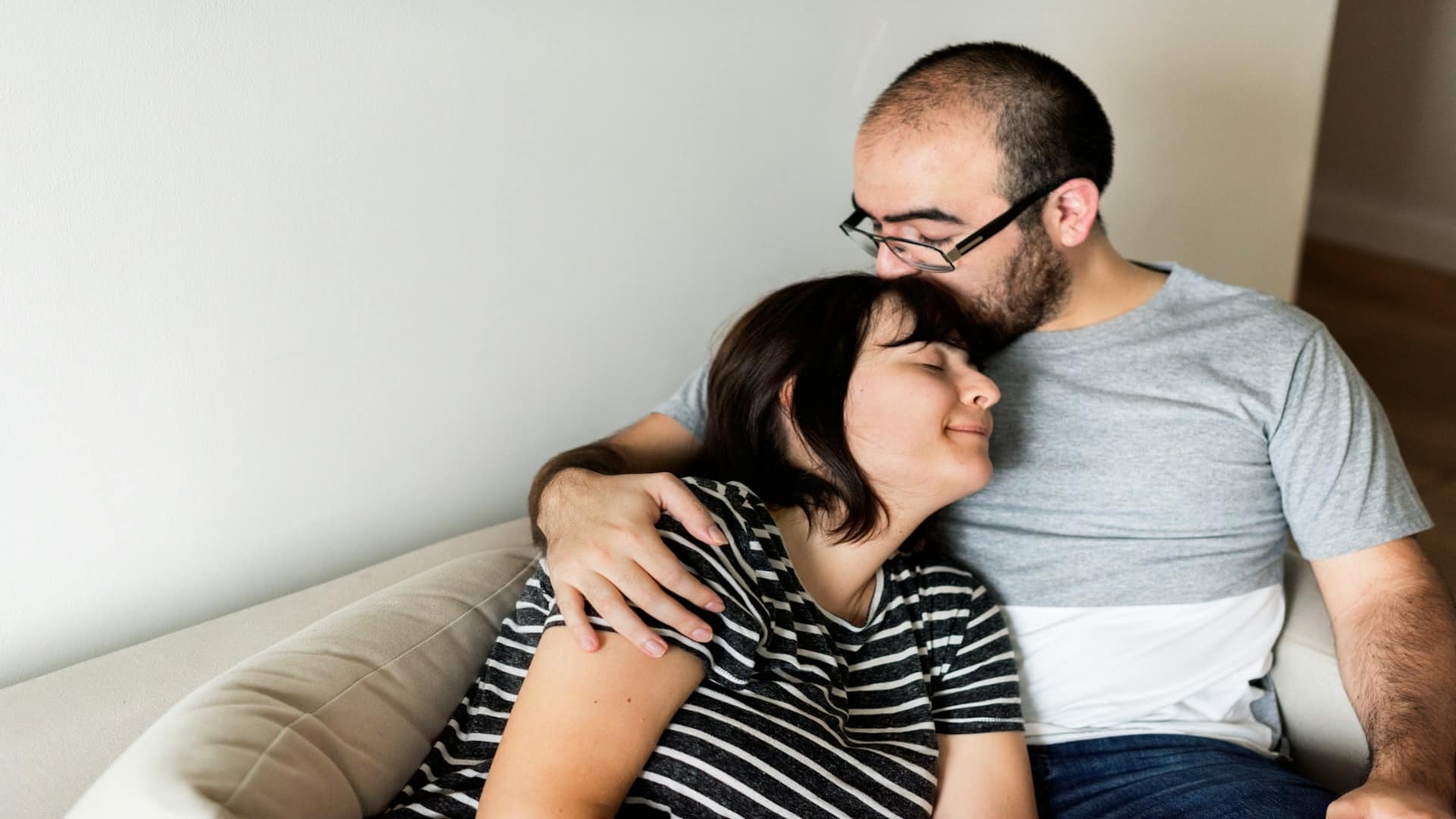
Empathy plays an important role in protective behavior. When someone understands how their partner feels in certain situations, they naturally want to reduce discomfort or stress. Empathy allows men to recognize moments when support or reassurance might be helpful. Instead of reacting impulsively, they respond with consideration and awareness. This emotional understanding strengthens the protective instinct. Empathy often guides thoughtful actions within the relationship.
Protectiveness Can Be a Form of Commitment

Protective actions can also signal commitment within a relationship. When a man consistently looks out for his partner’s well-being, it often shows that the relationship matters to him. These behaviors communicate emotional investment and dedication. Protectiveness can therefore become one way of expressing commitment without needing dramatic words. Over time, these actions build trust and reliability between partners. Consistency often speaks louder than grand gestures.
Protective Behavior Does Not Mean Control

Healthy protectiveness respects a partner’s independence. Wanting to support someone does not mean controlling their choices or limiting their freedom. In balanced relationships, protective behavior appears as awareness and care rather than authority. A supportive partner recognizes that independence and respect are essential for trust. Protectiveness becomes positive when it encourages safety while still allowing autonomy. Maintaining this balance helps relationships remain healthy.
Emotional Safety Encourages Protective Behavior

When a man feels emotionally safe in a relationship, he often becomes more comfortable expressing care openly. Emotional safety means he trusts that his actions will be understood as supportive rather than controlling. In this environment, protective gestures may appear more naturally. Feeling accepted allows him to act with genuine concern rather than hesitation. Emotional safety therefore strengthens many positive behaviors within the relationship. Trust encourages openness and attentiveness.
Shared Experiences Strengthen the Instinct

As couples spend more time together, shared experiences often deepen emotional connection. Facing challenges together, traveling, or supporting each other during stressful moments builds trust and familiarity. These experiences allow partners to understand each other’s needs more clearly. Over time, many men become more aware of their partner’s comfort and well-being. This awareness naturally strengthens the protective instinct. Shared experiences often reinforce the emotional bond.
Support During Difficult Moments

Protectiveness often becomes most visible during difficult situations. When a partner feels stressed, overwhelmed, or uncertain, many men instinctively step forward to provide reassurance. This may involve listening carefully, offering encouragement, or simply being present. These supportive moments often strengthen emotional connection. When someone feels supported during challenges, trust grows stronger. Protectiveness therefore becomes part of emotional support.
Protective Actions Strengthen Trust
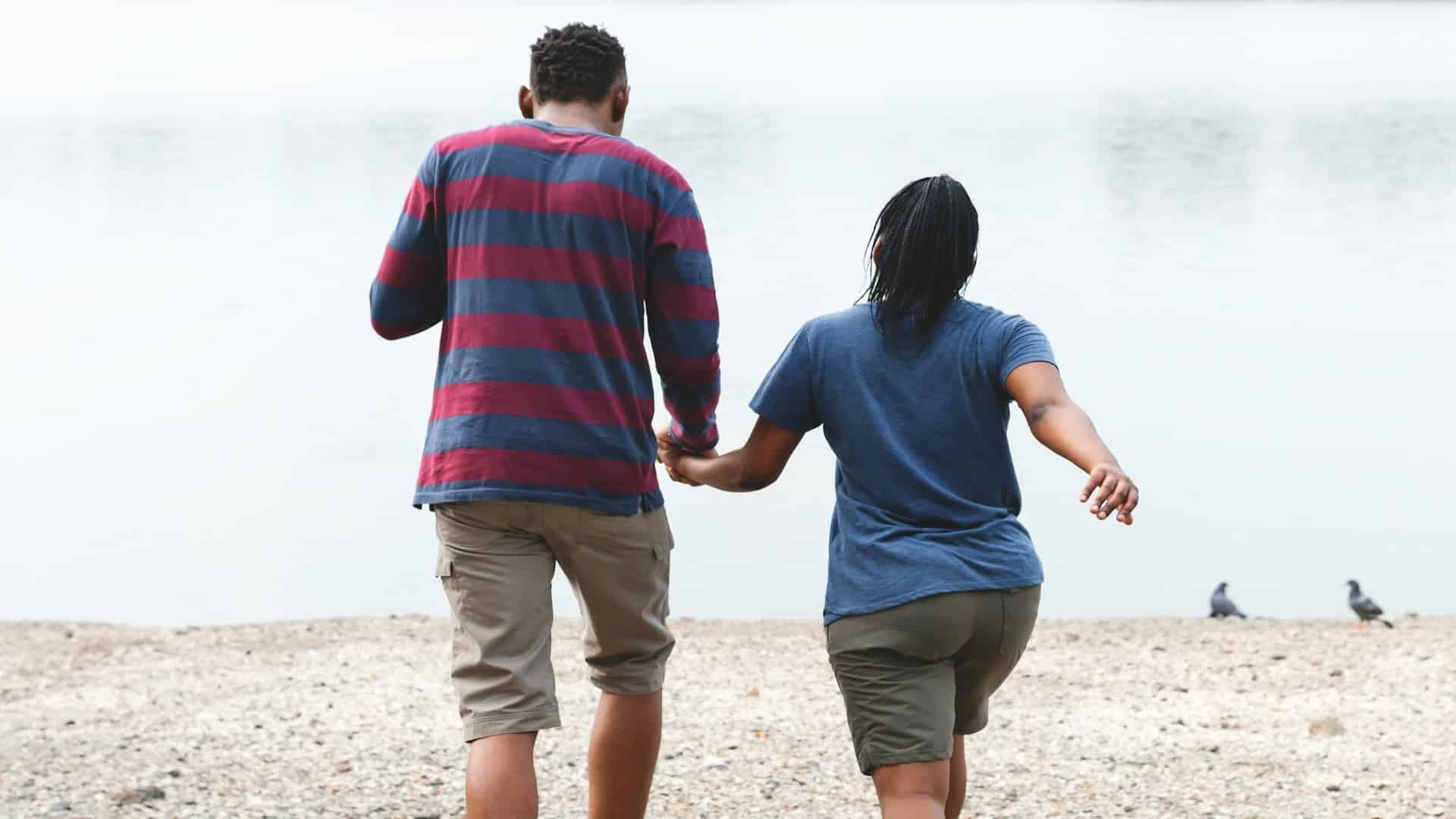
When protective behavior is expressed respectfully, it can strengthen trust within a relationship. Small gestures of care often make a partner feel valued and emotionally secure. Over time, these consistent actions build reliability between both people. Knowing that a partner is attentive during challenging moments increases confidence in the relationship. Trust grows when actions consistently demonstrate care. Protective behavior can therefore contribute to emotional stability.
Balance Keeps Protectiveness Healthy

Healthy relationships require balance between care and independence. Protective behavior works best when it respects both partners’ autonomy while still offering support when needed. When expressed thoughtfully, protectiveness feels comforting rather than restrictive. Both people can feel independent while knowing their partner cares about their well-being. Maintaining this balance prevents misunderstandings. Balanced protectiveness strengthens emotional connection.
Protective Behavior Often Develops Gradually

Protectiveness rarely appears suddenly at the beginning of a relationship. In most cases, it develops gradually as emotional connection deepens over time. As partners learn more about each other’s habits, concerns, and comfort levels, attentiveness naturally increases. A man may begin noticing small details about situations where his partner feels relaxed or uncomfortable. These observations help him respond more thoughtfully in future moments. Over time, this growing awareness often strengthens the instinct to support and look out for someone he cares about. Protectiveness therefore tends to grow naturally as emotional closeness increases.
Protectiveness Is Often a Sign of Emotional Connection

Protective behavior usually reflects emotional connection rather than control. When a man values the relationship and feels deeply attached to his partner, his actions often show attentiveness and care. These behaviors may appear through small everyday gestures or support during difficult moments. Over time, these actions demonstrate how much the relationship matters. Protectiveness often reveals the depth of emotional investment. In many relationships, it is simply another way of showing love and commitment.








Ask Me Anything