
Human well being is closely connected to social relationships. Over time, changes in work, technology, family structure, and cultural expectations have gradually reshaped how people connect. Loneliness among men has become a growing topic in research and media, not because it emerged suddenly, but because small shifts in daily interaction have accumulated. Reduced in person gatherings, evolving friendship norms, and changing definitions of masculinity may all contribute. The trend appears to be less about a single cause and more about overlapping social patterns. The following slides examine the cultural, economic, and relational factors that are shaping this conversation.
Adult Friendships Start to Shrink

Many adult men report having fewer close friendships compared to earlier years. During school and college, social interaction happens naturally and frequently. As adulthood sets in, responsibilities increase and free time narrows. Friendships that once felt effortless may require planning and intention. Without regular effort, emotional closeness can fade. Activity-based interactions may replace deeper conversations. A smaller social circle can quietly change how connected a person feels.
Work Becomes the Main Social Outlet

For many men, professional life becomes the center of daily interaction. Colleagues may serve as primary social contacts during the week. When long hours are spent at work, relationships outside the office can receive less attention. If a job changes or ends, social contact may suddenly decrease. Tying identity closely to occupation can limit broader connection. Variety in relationships supports emotional balance. When work dominates social life, connection may feel conditional.
Remote Work Reduces Casual Conversation

Working from home eliminates spontaneous exchanges that once filled the day. Quick chats in hallways or shared laughter in break rooms disappear. Digital meetings tend to stay focused on tasks rather than personal interaction. Without informal moments, a sense of belonging may weaken. Interaction becomes scheduled instead of natural. Casual connection often plays a bigger role than people realize. The environment influences how relationships develop.
Modern Dating Feels Less Stable
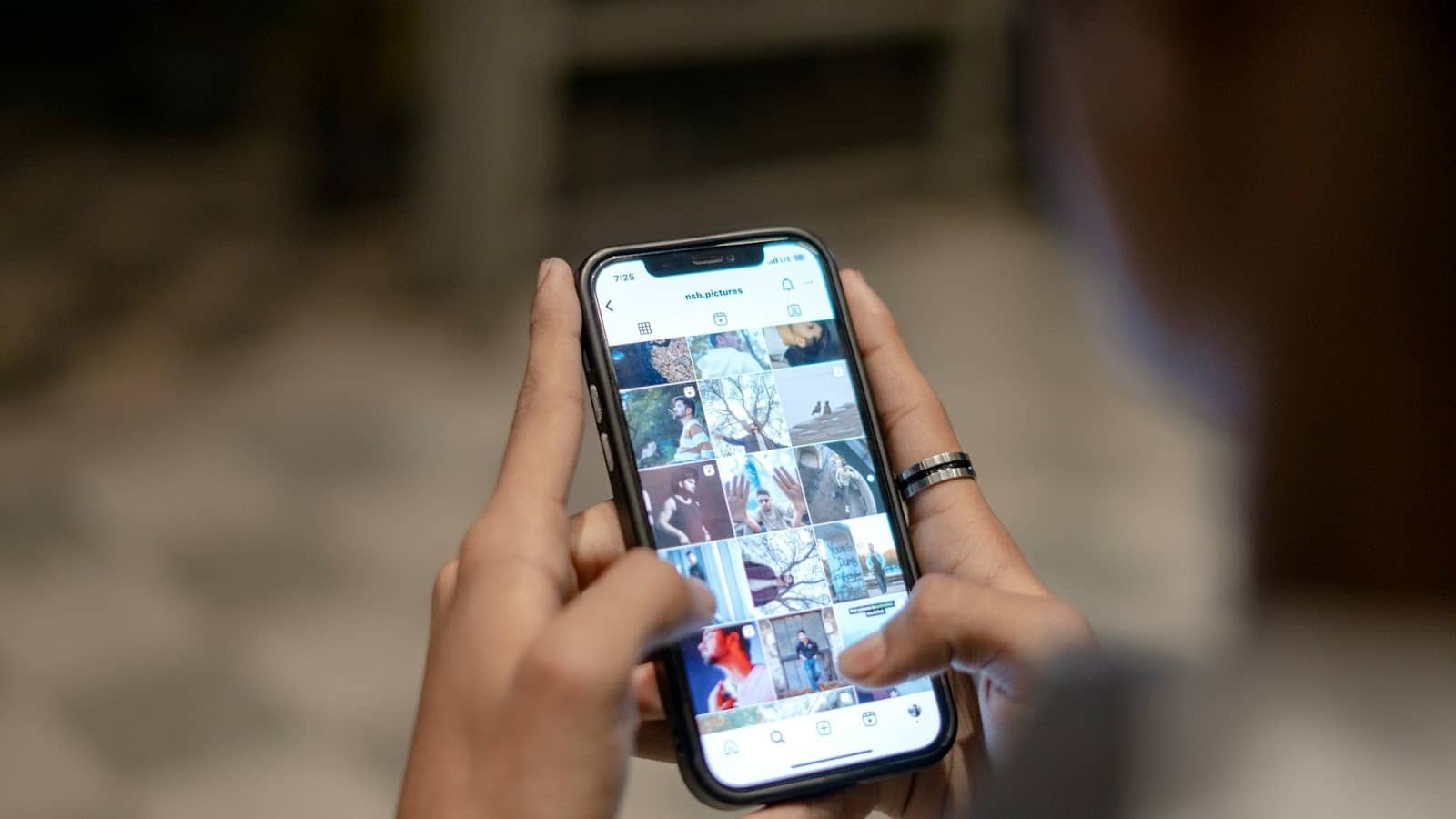
Dating apps have changed how relationships begin and end. Some men experience repeated short-term interactions rather than lasting partnerships. Constant swiping can create the feeling of endless options but limited depth. Building emotional continuity becomes harder in fast-paced environments. Rejection may also feel more frequent and visible. While technology increases access, it does not guarantee closeness. Changing norms influence how bonds form and dissolve.
Social Media Looks Like Connection but Isn’t

Scrolling through updates offers visibility into others’ lives without real interaction. Liking posts or viewing stories may feel social, yet it rarely replaces conversation. Passive engagement can create the illusion of staying connected. Genuine closeness requires shared time and emotional exchange. Digital contact lacks tone, facial expression, and physical presence. Exposure does not equal intimacy. Substituting screens for in-person interaction may leave deeper needs unmet.
Independence Makes Asking for Support Harder

Many men grow up hearing that independence is a key trait of maturity. Self-reliance is often praised as strength. While autonomy is valuable, it can discourage reaching out during difficult moments. Admitting loneliness may feel uncomfortable or unnecessary. Cultural messages can shape behavior long before someone recognizes it. Support systems require openness to function. When independence becomes isolation, connection suffers.
Community Spaces Become Less Common

Clubs, neighborhood groups, and local organizations once created regular gathering opportunities. Participation in these spaces has declined in many areas. Without structured settings, meeting others requires more initiative. Informal networks do not always replace organized ones. Shared physical spaces support consistency and familiarity. Their absence reduces predictable social contact. Community infrastructure plays a larger role than many notice.
Moving for Work Disrupts Social Roots
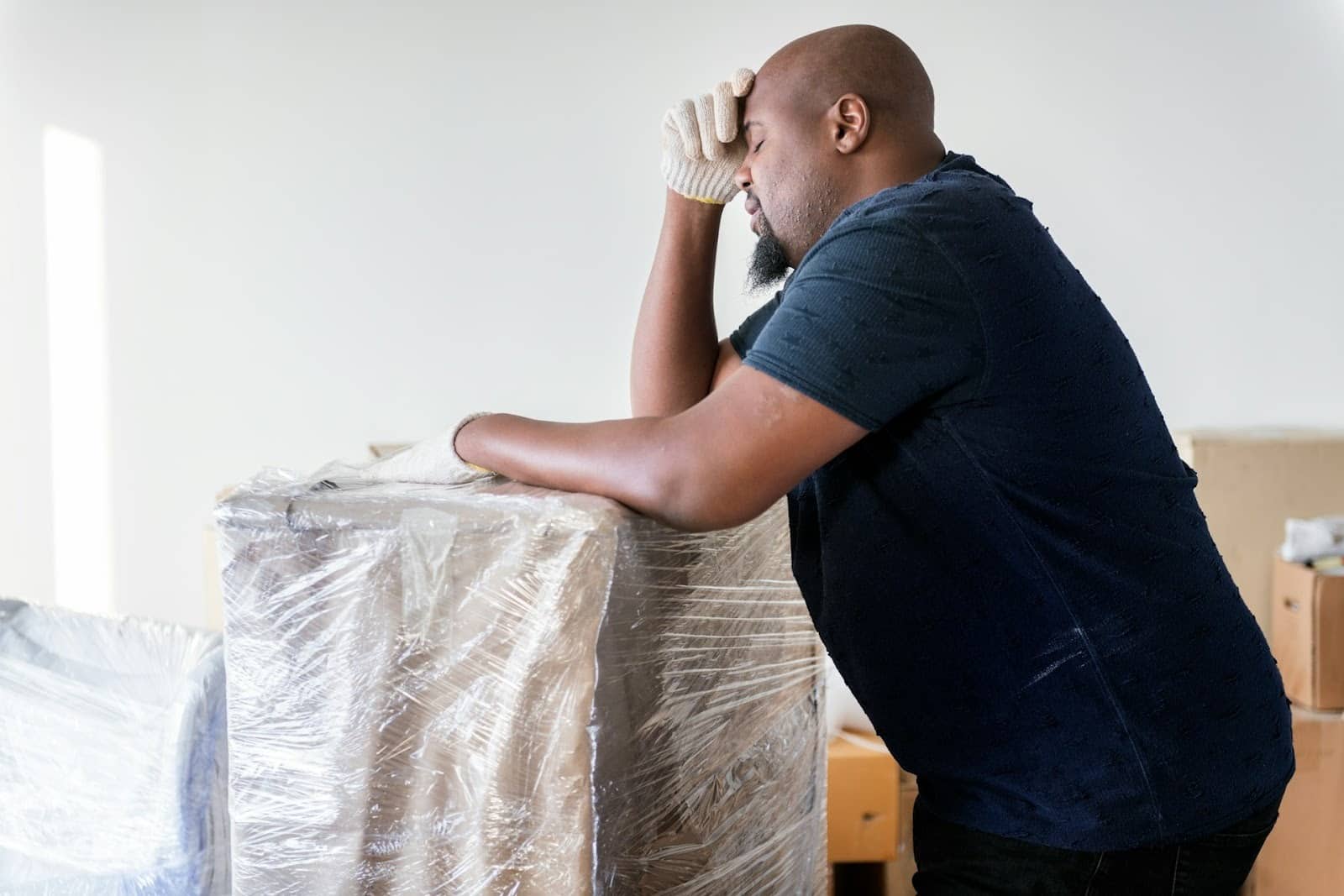
Career opportunities often require relocation. Moving to a new city can mean starting from scratch socially. Building trust and familiarity takes patience. Frequent relocation makes it harder to establish long-term bonds. Each transition interrupts routines and shared history. Stability supports deeper relationships. Geography influences how firmly connections take hold.
Life Milestones No Longer Structure Social Life

In previous generations, milestones like marriage, parenthood, and homeownership created predictable social circles. Couples socialized with other couples, and parents built relationships through schools and community events. As timelines shift, not everyone follows the same path at the same pace. Friends may enter different life stages years apart, which can quietly create distance. Someone who remains single while others marry may feel out of sync with their peer group. Without shared routines, invitations and gatherings may become less frequent. When traditional structures loosen, maintaining connection requires more deliberate effort
Conversations Stay Surface-Level

Many male friendships are built around shared experiences rather than emotional dialogue. Watching sports, working on projects, or playing games together can strengthen bonds. However, when those activities decrease, deeper conversations do not always take their place. Important topics such as stress, fear, or loneliness may remain unspoken. Over years, this pattern can limit emotional closeness. The friendship may feel solid but not deeply supportive during difficult moments. Expanding conversations beyond surface topics can add strength to long-standing relationships.
Admitting Loneliness Feels Risky

Loneliness often carries unnecessary embarrassment. Many men hesitate to say they feel isolated because it conflicts with ideas about toughness. Admitting the need for connection can feel vulnerable. Instead of speaking openly, some may distract themselves with work or entertainment. Silence can make isolation heavier. When feelings remain hidden, it becomes harder for others to offer support. Creating spaces where honesty feels safe is essential for meaningful change.
Loved Ones Notice Withdrawal First

Partners, siblings, or close friends often recognize subtle changes before the individual does. A man who once enjoyed gatherings may begin declining invitations. Energy levels may drop, or communication may become brief and distant. These shifts rarely happen overnight. Outside observation can bring attention to patterns that feel gradual from the inside. Supportive feedback may encourage reflection rather than defensiveness. Sometimes awareness begins through a simple question from someone who cares.
How Isolation Affects Overall Health

Social isolation does not only affect emotions; it can influence physical health as well. Persistent loneliness has been linked to increased stress responses in the body. Elevated stress can impact sleep, concentration, and mood stability. Without regular connection, motivation may decrease. Humans rely on social bonds for reassurance and perspective. Consistent interaction helps regulate emotional strain. Health is closely tied to the quality of relationships surrounding a person.
Technology Replaces Group Activities

Digital entertainment offers endless solo options. Streaming shows, online gaming, and scrolling through content can easily fill free hours. While these activities provide relaxation, they may replace time once spent with others. Convenience makes staying home more appealing than coordinating plans. Gradually, group hobbies may fade. Physical presence and shared experiences create memories that screens cannot fully replicate. Leisure habits play a significant role in shaping social life.
Financial Pressure Limits Social Time

Economic stress can quietly narrow social opportunities. Long hours, multiple jobs, or career anxiety reduce available time and energy. When financial stability feels uncertain, connection may seem less urgent. Invitations might be declined due to cost concerns. Even modest expenses can feel like barriers. Stress also affects mood, making social engagement feel exhausting. Economic realities often shape social behavior more than people recognize.
Social Skills Evolve With Digital Life

Communication habits are changing with technology. Messaging apps and online platforms allow quick interaction but may reduce practice with face-to-face conversation. Younger generations often feel comfortable expressing themselves digitally. In-person dialogue requires different cues, including tone and body language. As environments change, social skills adapt. This does not mean the connection is weaker, but it may look different. Understanding these shifts helps explain evolving patterns of interaction.
Public Conversation Brings the Issue Forward

Male loneliness has become a topic of public discussion in media and research. Articles, podcasts, and panel events examine why many men feel disconnected. When the issue enters mainstream conversation, it becomes less personal and more collective. Public acknowledgment reduces the sense of individual failure. Awareness can encourage men to reflect on their own experiences. Open dialogue invites community-level solutions. Conversation often marks the first step toward cultural change.
Connection Is Framed as Preventive Health

Health experts increasingly describe strong relationships as protective. Regular interaction can reduce stress and strengthen emotional resilience. Being part of a group provides perspective during difficult periods. Preventive health is not limited to diet and exercise. Social bonds contribute to long-term stability. Viewing connection as essential encourages proactive effort. Investing in relationships supports overall well-being.
Small Habits Strengthen Belonging

Belonging grows from consistent, simple actions. A weekly coffee, a monthly game night, or a regular phone call builds continuity. These small rituals create familiarity and trust. When routines fade, connection can weaken without dramatic conflict. Social decline often feels subtle rather than sudden. Reestablishing small habits can restore closeness. Reliable interaction supports lasting bonds.
Male Loneliness Reflects Broader Cultural Change

Male loneliness does not develop in isolation. It is shaped by overlapping changes in work culture, technology, mobility, and family structure. No single cause explains the pattern; instead, it reflects wider social transformation. As routines and expectations evolve, so do the ways men form and sustain connection. Greater awareness has brought these shifts into clearer focus. Recognizing the broader context prevents oversimplified conclusions. Addressing loneliness requires both individual effort and supportive community structures.








Ask Me Anything