
Emotional abuse doesn’t always look dramatic or obvious. Sometimes, it appears in subtle patterns of words, behaviors, or habits that chip away at a partner’s self-esteem and security over time. In many marriages, these actions may be disguised as concern, routine, or even humor, making them harder to recognize. Yet the impact is real, creating distance, resentment, and quiet suffering. By naming these behaviors, couples can better understand the fine line between healthy disagreement and harmful dynamics. Awareness is the first step toward building respect and mutual care.
Constant Criticism

When feedback turns into ongoing criticism, it shifts from helpful to harmful. Wives who consistently find fault in how their husbands speak, dress, or handle tasks may believe they’re “helping,” but it erodes confidence. Criticism that is relentless leaves little room for appreciation. Over time, it feels less like support and more like control. Encouragement fosters growth, while constant critique fosters insecurity.
Monitoring Every Move

Checking phones, questioning schedules, or tracking whereabouts can sometimes be framed as care but cross into surveillance. This behavior signals a lack of trust and strips away independence. In a healthy marriage, space and autonomy build respect. Constant monitoring, however, turns the relationship into a dynamic of control rather than partnership. Subtle at first, it eventually suffocates connection.
Making Decisions Without Input

A subtle but damaging form of control is making important choices unilaterally. Whether it’s about finances, children, or family plans, excluding a husband from decisions communicates that his opinion doesn’t matter. Even if the choice seems small, repetition of this pattern disempowers the partner. A strong marriage requires shared voices. Silencing one leads to imbalance and quiet resentment.
Using Guilt as a Weapon

Guilt can easily become a tool for control. Phrases like “If you loved me, you would…” place responsibility on the husband for emotions that may not be his to carry. This subtle tactic makes him feel constantly at fault. Over time, guilt-based manipulation creates pressure instead of genuine willingness. True love allows choice, not coerced obligation.
Withholding Affection

Affection is meant to be freely given, not used as leverage. When hugs, intimacy, or even simple kindness are withheld as punishment, it shifts from natural expression into manipulation. This creates confusion and insecurity, as affection becomes conditional. Wives may see it as sending a “message,” but the hidden cost is emotional distance. Withholding love undermines trust.
Playing the Martyr

Sacrificing personal needs is admirable, but turning sacrifice into a constant reminder becomes manipulative. Statements like “I do everything for this family” may seem selfless but are designed to create guilt. This subtly shifts responsibility and silences the husband’s needs. Over time, the martyr role becomes a tool to control decisions. Healthy giving never demands repayment.
Sarcasm That Cuts Deep

Lighthearted teasing can strengthen bonds, but sarcasm that belittles is different. Comments disguised as jokes but intended to wound create insecurity. Wives who regularly use sarcasm as criticism may not see the damage it does. Over time, humor becomes a shield for disrespect. Words meant in jest should build laughter, not bruise self-worth.
Silent Treatment

Silence can be more painful than raised voices. Withholding communication during conflict isn’t the same as taking time to cool down. Instead, it becomes a weapon to punish or control. The silent treatment leaves husbands feeling invisible and powerless. It halts resolution and deepens emotional gaps. Communication is essential, even when difficult.
Public Humiliation

Correcting, mocking, or belittling a partner in front of others chips away at dignity. While it may be disguised as playful banter, its impact is humiliating. Emotional abuse isn’t just private; it can happen in social settings too. Respect means preserving a partner’s image in public, not tearing it down. Small comments in front of friends or family can cut deeper than arguments at home.
Dismissing His Feelings

Brushing off emotions with comments like “You’re overreacting” or “That’s not a big deal” undermines emotional safety. Husbands may stop expressing themselves altogether when their feelings are constantly dismissed. Over time, this creates loneliness within the marriage. Emotional abuse thrives where vulnerability isn’t respected. Listening and validation are crucial for connection.
Twisting Words Around

Some wives may subtly manipulate conversations by twisting words to change intent. A husband may express frustration, only to hear it reframed as selfishness or aggression. This tactic keeps him defensive and invalidated. Over time, it leads to silence rather than open communication. Conversations should build understanding, not confusion.
Making Him Doubt Himself

Planting seeds of doubt, about memory, judgment, or capability, is a classic but subtle form of gaslighting. Statements like “You’re imagining things” or “You never remember correctly” erode self-trust. Over time, husbands question their own reality. Emotional abuse doesn’t always shout; sometimes it whispers until confidence disappears.
Prioritizing Control Over Partnership
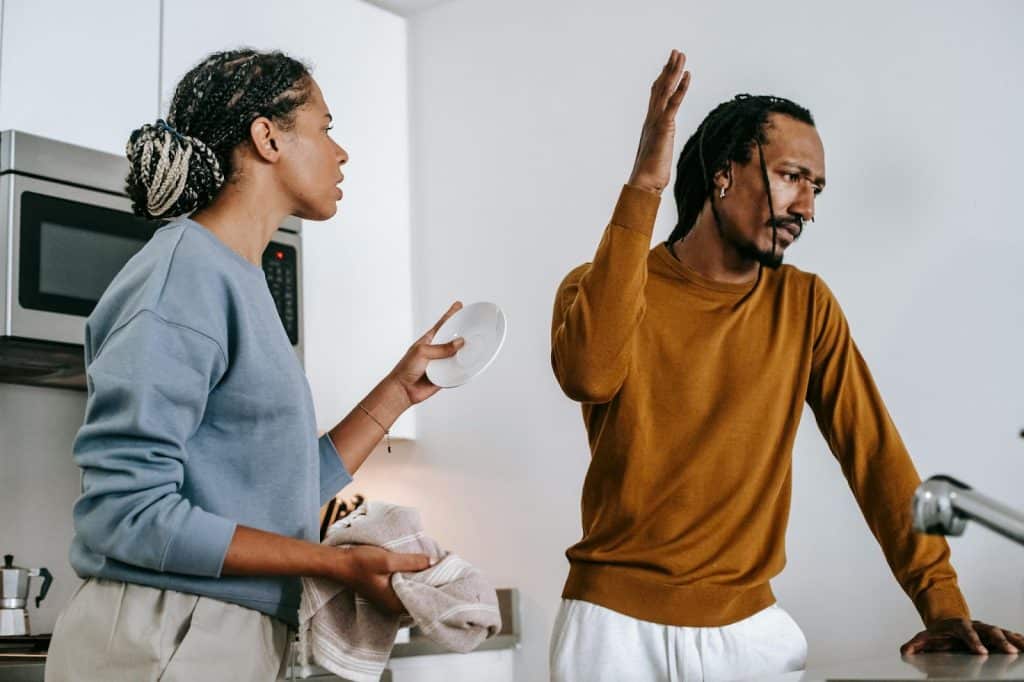
When decisions consistently reflect one person’s comfort instead of both, it signals imbalance. Wives who disregard their partner’s preferences create a dynamic where one voice dominates. Even subtle repetition of this pattern erodes equality. Marriage is built on shared respect. Ignoring a partner’s input over time becomes emotionally harmful.
Making Jokes at His Expense

Humor at home may seem harmless, but constant joking at a partner’s expense creates pain. When every story highlights mistakes or flaws, laughter stops being lighthearted. Even if framed as harmless fun, repeated embarrassment becomes abuse. A partner’s dignity should always outweigh a quick laugh. Respectful humor strengthens relationships, not weakens them.
Using Children as Leverage

In families, children can become pawns in subtle power struggles. Wives may undermine their partner’s authority or speak negatively about him to the kids. This not only damages the husband but also affects the children’s perception of respect. Emotional abuse in this form is deeply harmful. Co-parenting should unite, not divide.
Dismissing His Contributions
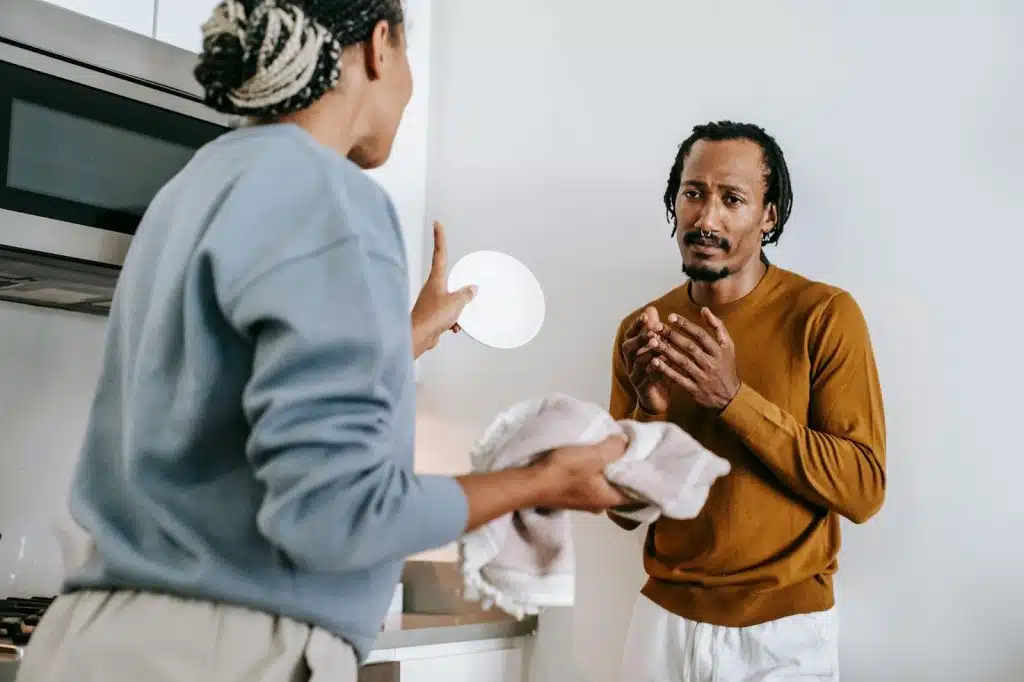
Men often carry invisible weights, working long hours, maintaining the home, or managing stress silently. When these efforts are ignored or minimized, it communicates that nothing is ever enough. Repeated dismissal of contributions erodes motivation and spirit. Emotional abuse thrives in an atmosphere where gratitude is absent. Every effort deserves acknowledgment.
Conclusion

Emotional abuse doesn’t always come with shouting, threats, or dramatic confrontations. More often, it creeps in quietly through dismissive words, manipulative silence, or repeated disregard. These subtle behaviors can leave deep scars, even if they’re rarely labeled as abuse. Recognizing them is not about blame, it’s about clarity. By identifying these harmful patterns, couples can make conscious choices to shift toward respect, empathy, and shared care. Love flourishes not in control, but in the space where both partners feel safe, valued, and heard.








Ask Me Anything