
Most relationships don’t unravel because of one big event, they lose balance through subtle shifts that are easy to overlook. The imbalance often creeps in quietly, masked by routine, comfort, or assumptions about each partner’s role. Over time, one person may feel they’re giving more, while the other doesn’t notice the growing gap. These imbalances may not cause immediate conflict, but they slowly weaken connection. Here are 18 subtle ways relationships lose balance without either partner realizing it.
One Partner Always Initiates Plans

When one person consistently takes the lead in making plans, the relationship starts to feel one-sided. The initiator may grow tired of carrying the responsibility, while the other assumes everything is fine. Over time, this dynamic can create quiet resentment. Even if both enjoy the activities, the imbalance in effort erodes connection. True balance requires shared initiative.
Household Tasks Fall on One Person
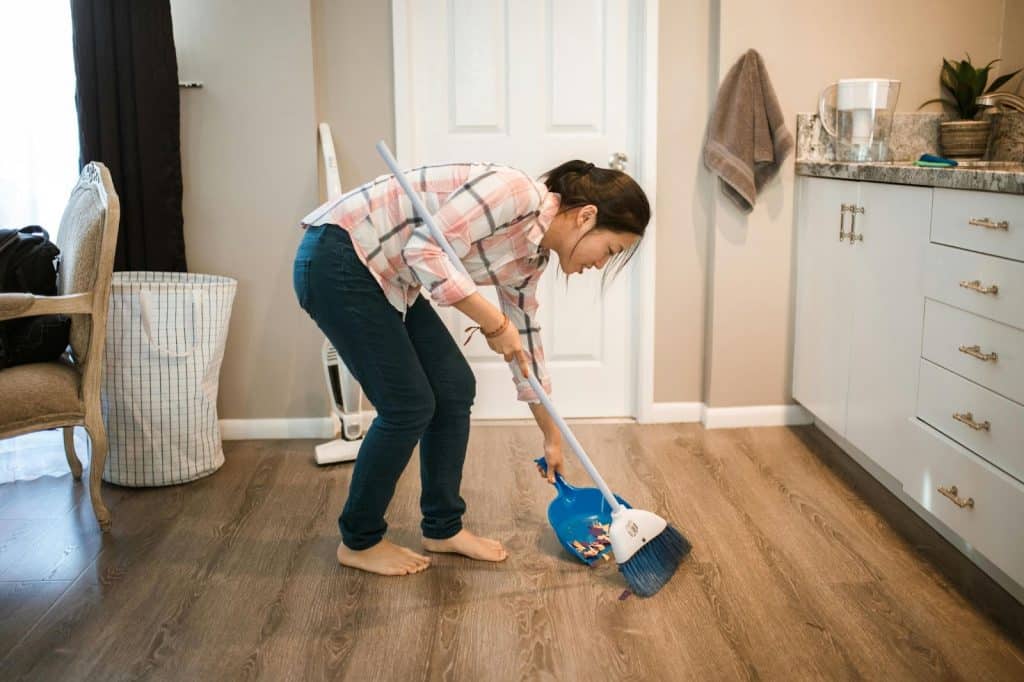
Chores may seem small, but when one partner carries the majority, it signals an imbalance of responsibility. This often goes unnoticed at first, especially if one naturally steps in. Over time, it creates frustration that feels more emotional than practical. Sharing responsibilities fosters fairness and prevents feelings of being taken for granted. Balance depends on both contributing.
Emotional Labor Is Uneven
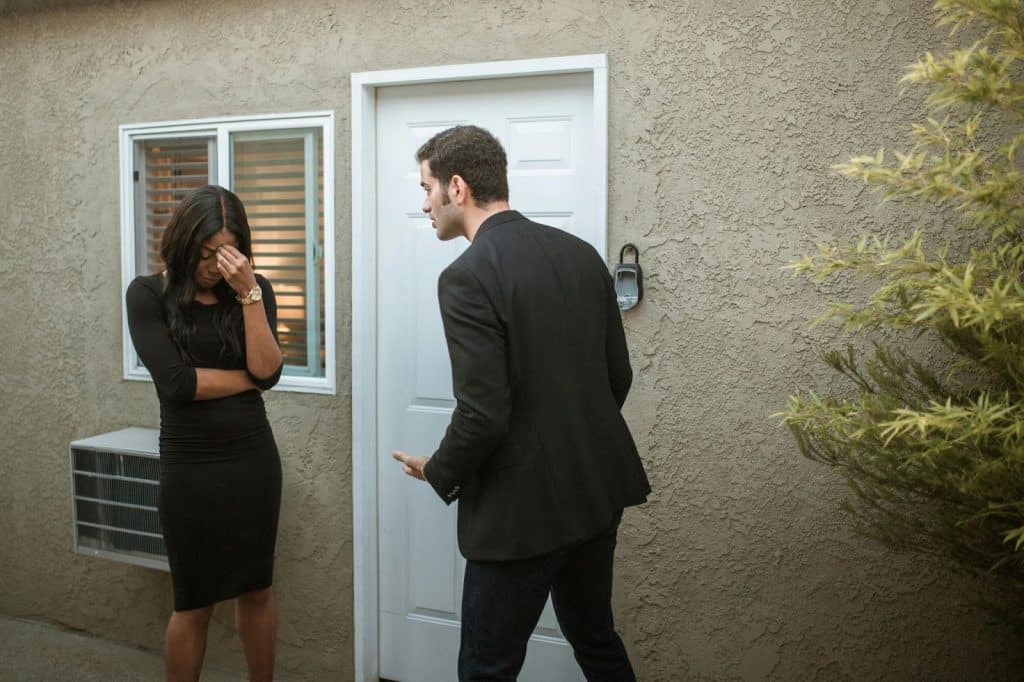
Some partners naturally take on more of the emotional “check-ins,” from remembering birthdays to soothing tensions. While it may feel natural, it can leave one carrying a heavier emotional load. This quiet imbalance often goes unseen until fatigue sets in. Relationships thrive when both actively nurture emotional closeness.
One Voice Dominates Decisions

Decisions about finances, family, or even dinner plans can lean toward one person’s preferences. At first, this may feel efficient, but over time, the quieter partner may feel their input doesn’t matter. Even unintentional dominance creates imbalance. Balanced decision-making requires space for both voices to be heard.
Assuming Needs Without Asking

Partners often assume they know each other well enough to predict needs. While thoughtful, this assumption can lead to unmet expectations when guesses are wrong. Over time, frustration builds when needs aren’t voiced or met. Balance fades when clarity is replaced by assumption. Open conversations prevent silent disappointments.
One Partner Becomes the “Fixer”

Every couple has challenges, but if one person always solves problems, balance is lost. The fixer may feel overburdened, while the other unconsciously relies on them too heavily. This dynamic erodes equality over time. Relationships feel stronger when responsibility is shared, not carried by one.
Expecting Support Without Offering It Back

Support is essential in any partnership, but imbalance arises when one consistently leans without reciprocating. This isn’t always intentional, it often stems from habit. Over time, the supporter feels drained, while the other assumes the relationship is steady. Balance thrives when support flows both ways.
Taking Affection for Granted

When one partner provides affection freely but rarely receives it back, imbalance slowly grows. The giver may not voice frustration at first, but unreciprocated effort creates distance. Passion and intimacy require mutual contribution. Balance disappears when affection is assumed rather than shared.
Interrupting More Than Listening

One partner may unintentionally dominate conversations by interrupting or steering them. While small in the moment, this dynamic creates a long-term imbalance in emotional connection. Over time, the listener feels unheard. Balanced communication values both voices equally.
One Partner Carries the Finances

Handling money is stressful, and when one partner shoulders it all, imbalance grows quietly. The partner in charge may feel pressured, while the other becomes detached from financial realities. Balance requires shared transparency and responsibility. Without it, the relationship leans heavily on one person’s effort.
Neglecting Appreciation

Even when roles are clear, imbalance creeps in if appreciation isn’t voiced. Small gestures of gratitude prevent partners from feeling invisible. When recognition is absent, one partner feels undervalued despite their effort. Balance is maintained when appreciation is mutual and consistent.
Avoiding Hard Conversations

It’s easy to assume that silence equals peace, but avoiding tough topics shifts the emotional burden. One partner often ends up carrying unspoken worries, while the other remains unaware. Over time, this builds quiet resentment. Balance requires both partners leaning into discomfort together.
Routine Replaces Intention

Couples naturally settle into routines, but routine without effort can tip into imbalance. When one partner continues to invest in small gestures while the other drifts, the relationship feels uneven. Passion fades when intentionality is replaced by autopilot. Balance requires ongoing, shared effort.
Taking Time Apart Isn’t Valued Equally

Alone time is healthy, but imbalance arises when one partner respects it while the other doesn’t. If one constantly intrudes or dismisses the need for space, resentment builds. Balance requires mutual respect for individuality within togetherness.
Overlooking Each Other’s Growth
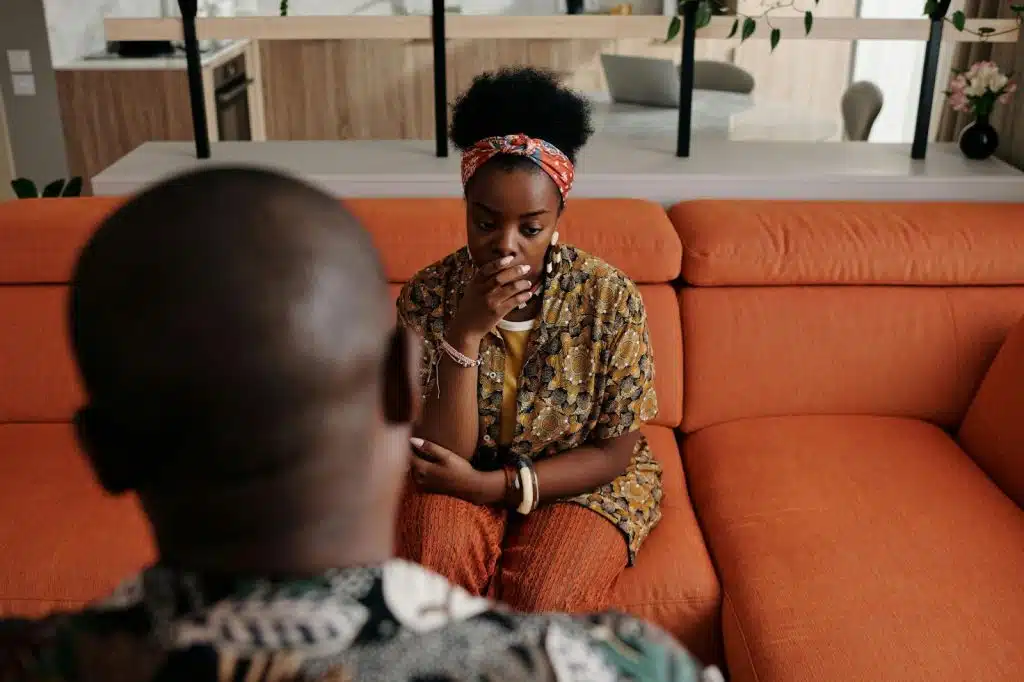
Partners change over time, but imbalance occurs when one evolves while the other stays stagnant. When growth isn’t acknowledged or supported, distance emerges. Balance thrives when both partners remain curious and engaged in each other’s journeys.
One Partner Becomes the “Default” Caretaker

Whether in times of illness, stress, or family needs, one person often falls into the caretaker role. While it may begin naturally, imbalance grows when it becomes expected. Care should be shared, not assumed. Without balance, the caretaker feels unappreciated and drained.
Uneven Investment in the Future

Planning for the future should be a shared effort, but often one partner carries the vision. This creates imbalance, as one dreams while the other follows passively. Over time, this erodes unity. Balance returns when both contribute to shaping the life they’re building together.
Conclusion

Relationships rarely lose balance through sudden crises, it’s the subtle, unnoticed habits that quietly create gaps. From unequal effort in chores and finances to unspoken assumptions and neglected appreciation, imbalance takes root in everyday life. The good news is that once noticed, balance can be restored through awareness, communication, and shared effort. Love doesn’t require perfection, but it does require equality. When both partners invest equally, balance strengthens not just the relationship, but the trust and intimacy within it.








Ask Me Anything