
Emotional disconnection rarely announces itself directly; it settles in quietly through subtle behavioral shifts that most people overlook. A partner might appear calm, cooperative, or even cheerful, yet the emotional closeness that once felt natural begins to thin. These signs aren’t dramatic or confrontational, they’re gentle, understated signals of a deeper internal shift. What makes them easy to miss is that daily routines continue as usual, creating the illusion that everything is fine. But beneath that calm surface, something is changing in how she relates, reacts, and connects. This introduction frames the small indicators that suggest emotional distance developing long before it becomes obvious.
She Starts Giving Shorter, Surface-Level Answers

Her responses become brief, practical, and stripped of emotion, even when the topic used to spark longer conversations. She shares the facts of her day but avoids the feelings behind them, creating a subtle emotional gap. The tone becomes polite instead of warm, and her replies feel more functional than connective. She’s still talking, but less of herself is present in the words. This shift often appears long before someone openly expresses dissatisfaction. It’s a quiet sign that emotional depth is retreating, not because of conflict, but because the connection feels less safe or rewarding.
She Stops Initiating Conversations the Way She Used To

She doesn’t start discussions or check in as frequently, even though she used to reach out naturally. It’s not avoidance, it’s emotional fatigue quietly setting in. The instinct to share her thoughts, worries, or excitement fades, and silence takes its place. She waits for you to initiate, which changes the entire dynamic of communication. When initiation declines, it signals that the emotional flow no longer feels mutual. This small shift reveals her energy for the relationship is dipping beneath the surface.
Her Reactions Become Colder or Delayed

She hears what you say, but the emotional reaction doesn’t match what you’re used to. Warmth, enthusiasm, or empathy is replaced by neutral or muted responses. It’s not anger; it’s distance appearing in slow, subtle ways. She may be processing things internally rather than expressing them. This delay creates a slight disconnect that feels difficult to identify but impossible to ignore. When reactions flatten, emotional presence is quietly fading.
She Seems “Busy” Even When She’s Not

She fills her time with tasks, distractions, or routines, even when there’s no real urgency. Busyness becomes a buffer that keeps her from engaging deeply. She might stay occupied to avoid conversations that feel heavy or draining. This behavior isn’t about productivity, it’s about creating emotional space. The more she leans into busyness, the more the relationship loses opportunities for connection. It’s a sign that closeness is beginning to feel overwhelming rather than comforting.
She Shares More With Friends Than With You

You notice she talks about her frustrations, successes, or emotional experiences with others before coming to you. Her emotional outlet shifts outward instead of toward the relationship. This doesn’t mean she’s replacing you, it means the relationship no longer feels like the easiest place to express herself. Emotional trust doesn’t vanish suddenly; it slowly redirects. When her primary conversations move outside the partnership, it highlights an imbalance in connection. It’s one of the quietest yet most telling signs of emotional withdrawal.
She Stops Offering Her Opinions on Your Decisions

Where she once had input, ideas, or concerns, she now stays quiet and lets you decide. It’s not agreement, it’s disengagement. She no longer invests the same emotional energy into shared choices. Her silence isn’t supported; it’s a sign she feels less involved in the partnership. When someone withdraws their perspective, it usually means they don’t feel as connected to the outcome. This understated shift often indicates deeper emotional distance.
She Becomes More Easily Irritated by Small Things

Little behaviors that never bothered her start triggering short, subtle flashes of frustration. The irritation isn’t about the moment, it’s a symptom of emotional overload. When someone feels disconnected, their tolerance shrinks without them realizing it. The emotional imbalance becomes visible in how quickly reactions intensify. This isn’t hostility; it’s emotional fatigue surfacing through irritation. When tiny things begin to feel heavy to her, she’s carrying unspoken emotional weight.
She Stops Seeking Reassurance or Comfort
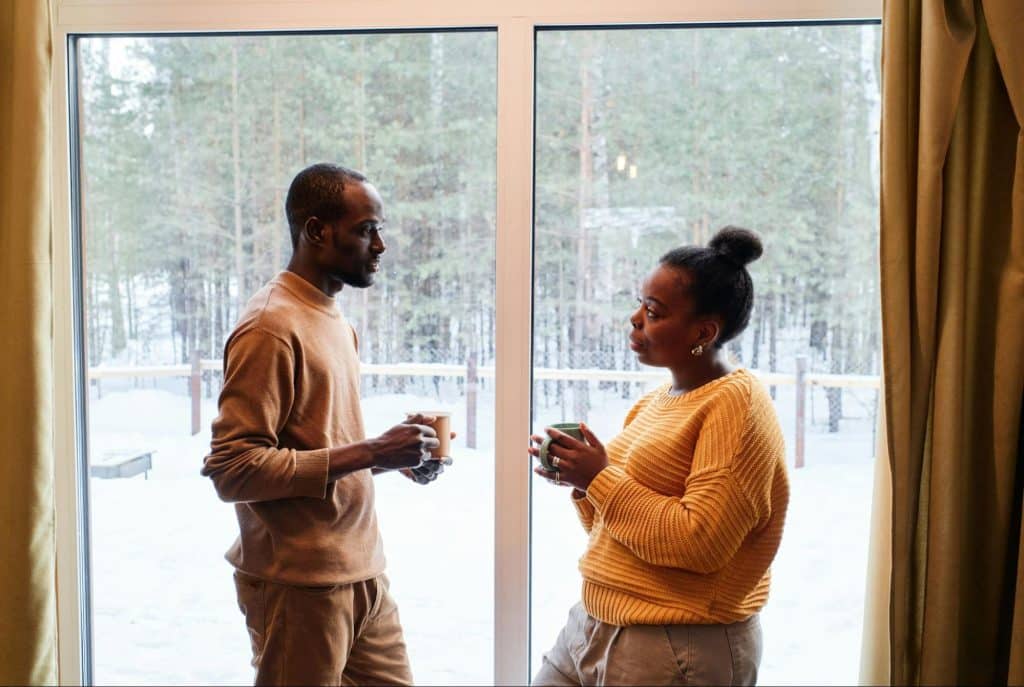
She no longer asks for validation, support, or encouragement, even when life gets stressful. Instead, she handles everything on her own, not because she wants independence, but because she doesn’t expect connection. The lack of seeking becomes a reflection of lowered emotional expectations. She withdraws into herself instead of reaching toward the relationship. This creates a quiet emotional gap that grows wider over time. When reassurance is no longer requested, closeness is already fading.
Her Body Language Shifts Without Her Noticing

She turns slightly away during conversations, keeps more physical distance, or avoids lingering eye contact. These small gestures reveal more than words ever could. They show how comfortable, or uncomfortable, she feels in emotional proximity. Body language often exposes emotional truths long before someone speaks them. When she withdraws physically, even subtly, it reflects internal disconnection. The shift is quiet but deeply significant.
She Stops Complaining About Things That Used to Bother Her
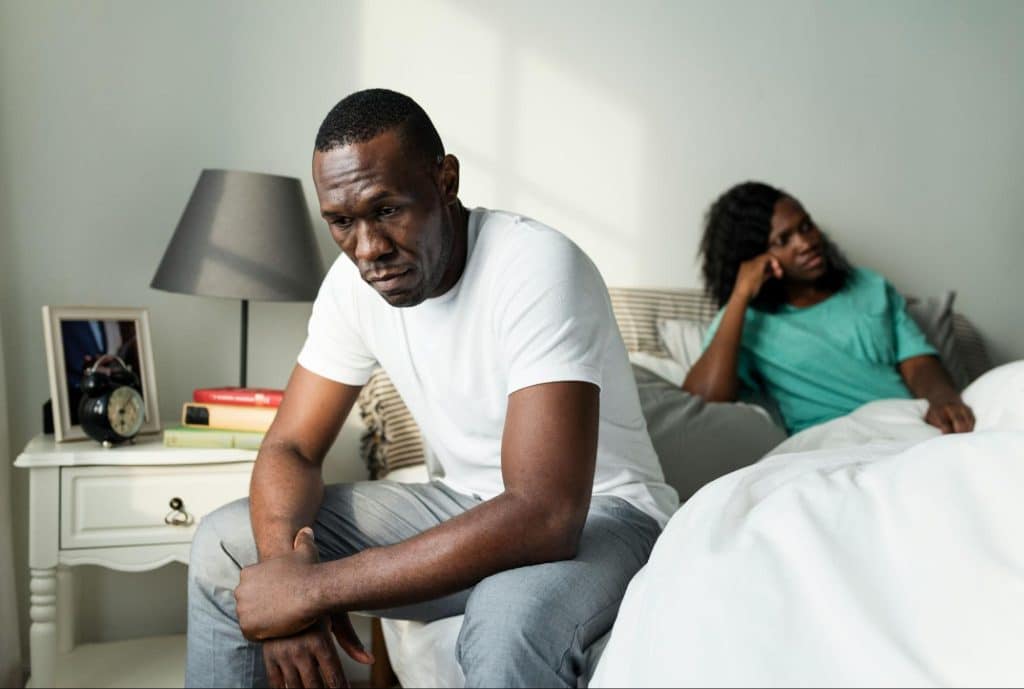
Silence replaces the frustration she once expressed openly. She no longer brings up concerns, not because everything is fine, but because she no longer expects change. This kind of quiet resignation signals something much deeper than anger. When someone stops expressing dissatisfaction, it means they’ve emotionally stepped back. Peaceful silence can actually reveal emotional distancing, not harmony. It’s one of the most easily misunderstood signals in long-term relationships.
She Becomes More Protective of Her Alone Time

She values solitude more than shared time, and she protects it without explaining why. Alone time becomes a retreat rather than a luxury. This shift often comes from emotional depletion, not independence. The more she relies on withdrawal to recharge, the less connected she feels to the relationship. It’s a sign she finds emotional rest away from the partnership instead of within it. This points to a deeper imbalance.
She Doesn’t Celebrate Your Wins With the Same Energy

Her support becomes polite rather than enthusiastic. She acknowledges your achievements but doesn’t share the emotional excitement behind them. It’s not that she doesn’t care, the emotional bandwidth simply isn’t there. Connection used to amplify joy; now the response feels flat. This change signals emotional distance, not lack of love. It reveals how disconnected she feels from your emotional highs.
She Gives Automatic Responses Instead of Thoughtful Ones

Phrases like “yeah,” “okay,” and “it’s fine” replace deeper engagement. Her mind isn’t in the conversation, even if her presence is. These automatic answers show she’s emotionally checked out. Thoughtful conversation requires energy she may no longer feel she has. Automatic responses are the emotional equivalent of low battery mode. They signal diminished emotional availability.
She Stops Including You in Her Future Thinking

Plans, ideas, or long-term conversations become centered around her rather than both of you. She still talks about the future, but you notice you’re not part of the picture in the same way. This shift reflects emotional uncertainties she hasn’t voiced. People don’t remove partners from their future intentionally, it happens subconsciously as connection fades. The absence is subtle but deeply symbolic. It’s one of the strongest markers of emotional distance.
She Seems Less Affected by Your Moods

Your stress, frustration, or excitement no longer influences her emotional state the way it once did. She stays neutral instead of responding with empathy or concern. This isn’t coldness, it’s emotional detachment forming quietly. When someone stops being emotionally responsive, the bond between you weakens. The disconnect appears in how little your internal world impacts hers. It reflects a loss of emotional synchrony.
She Doesn’t Try to Resolve Tension Like She Used To

Arguments or misunderstandings end quickly, not because everything is fine, but because she’s no longer invested in fixing them. She lets tension linger rather than working through it. This reduced effort reveals decreasing emotional engagement. Conflict resolution requires care, and she’s protecting her energy instead of offering it. When someone doesn’t repair a connection, it’s because they no longer feel connected enough to fight for it. This is a powerful sign of internal separation.
She Looks Emotionally Tired Even When Life Seems Calm

Her face, tone, and energy reflect quiet emotional exhaustion. She seems worn down by something unspoken. Even peaceful moments don’t bring her relief the way they used to. This tiredness isn’t caused by tasks, it’s caused by emotional imbalance within the relationship. The disconnect she feels weighs on her more than she’s willing to say. Her emotional fatigue is a silent indicator that the relationship needs attention.
CONCLUSION – Emotional Distance Speaks Before Words Ever Do

Emotional disconnection rarely begins with confrontation; it begins with subtle behavioral cues that reveal more than she’s willing to admit out loud. These signs aren’t accusations, they’re indicators that her emotional needs are no longer being met through the relationship. Recognizing them early allows space for reconnection before distance becomes resignation. When a partner seems “fine,” it’s often the quiet shifts that tell the real story. Paying attention to these signals doesn’t just protect the relationship, it protects both people from drifting apart long before anything is said.








Ask Me Anything