
Love doesn’t usually disappear in marriages because of one big betrayal or dramatic moment. More often, it fades quietly through small, repeated behaviors that signal, “You’re no longer a priority.” Many husbands don’t even realize they’re doing these things, which makes the emotional distance even more confusing for their wives. Feeling unloved isn’t about wanting perfection—it’s about wanting effort, presence, and care to remain consistent. If you want to protect your marriage, these subtle shifts are worth paying close attention to before resentment sets in.
1. Conversations Start Feeling Like Logistics Meetings

When most conversations revolve around schedules, bills, kids, or errands, emotional connection quietly starves. Wives often stop feeling loved when there’s no space left for curiosity, laughter, or meaningful check-ins. It sends the message that the relationship has become purely functional. To fix this, set aside even 10 minutes a day to talk without problem-solving—ask how she’s really feeling, not just what needs to get done. Emotional intimacy grows when conversations feel personal again, not transactional.
2. You Stop Asking Follow-Up Questions

Listening without engagement can feel worse than not listening at all. When she shares something and you don’t ask follow-up questions, it can feel like disinterest or emotional laziness. Over time, she may stop opening up because it doesn’t feel safe or rewarding. A simple “Tell me more” or “How did that make you feel?” goes a long way. Love is often felt through attention, not grand gestures.
3. Appreciation Is Replaced by Assumption

Many wives stop feeling loved when their efforts become invisible. What once earned gratitude is now simply expected. Whether it’s managing the home, emotional labor, or showing up for everyone else, silence can feel like dismissal. Make appreciation specific and frequent—don’t just say “thanks,” say why you’re thankful. Feeling seen fuels connection.
4. Affection Becomes Conditional
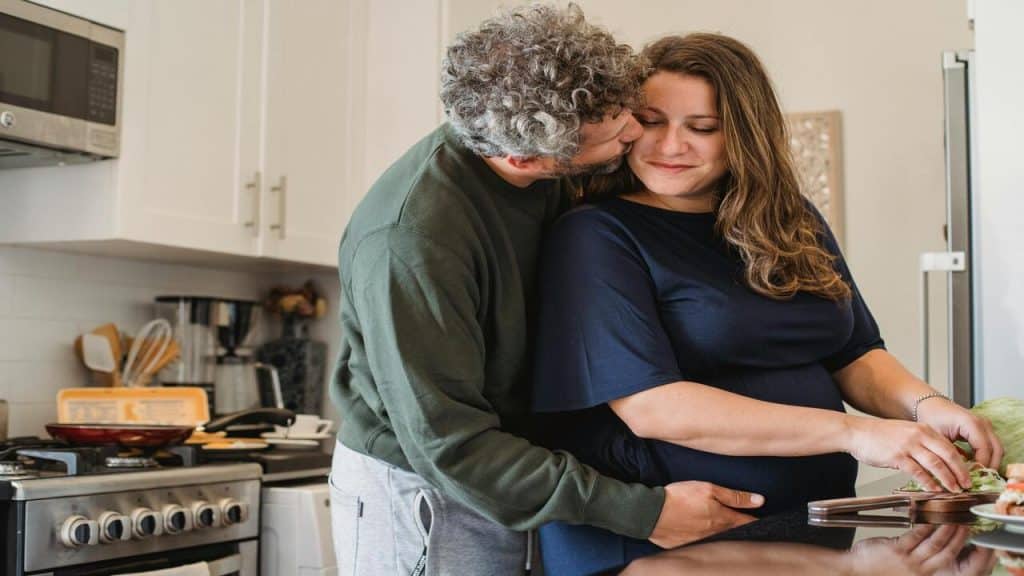
When affection only shows up when things are going well—or disappears during stress—it creates emotional insecurity. Wives often interpret this as love being earned rather than given freely. Consistent affection, even during tense seasons, reassures her that the bond is stable. Small touches, kind words, and warmth matter most when life feels hard. Love should feel steady, not fragile.
5. You Get Defensive Instead of Curious

Defensiveness shuts down emotional safety fast. When she brings up a concern and your first instinct is to explain, deflect, or correct, she may feel unheard. Over time, this teaches her that honesty leads to conflict, not closeness. Try pausing and getting curious instead of reactive. Validation doesn’t mean agreement—it means respect.
6. You Dismiss Emotional Needs as “Overthinking”

Few things erode connection faster than minimizing emotions. When her feelings are brushed off as dramatic or irrational, it can feel deeply isolating. Emotional needs aren’t problems to solve—they’re signals to respond to with care. Even if you don’t fully understand her perspective, acknowledge it. Feeling emotionally safe is a core part of feeling loved.
7. Quality Time Is Always an Afterthought

When work, hobbies, or screens consistently come first, wives often feel like they’re competing for attention. Love fades when togetherness is treated as optional instead of essential. Quality time doesn’t need to be elaborate—it needs to be intentional. Schedule it the same way you would any other priority. Presence is a powerful form of reassurance.
8. You Stop Noticing Small Changes

Feeling loved often comes from being noticed. When she changes her hair, energy, or mood and it goes unacknowledged, it can feel like emotional invisibility. These moments add up more than you think. Paying attention signals care and connection. Love lives in awareness.
9. Emotional Support Is Inconsistent

If support only shows up sometimes, trust slowly erodes. Wives stop feeling loved when they don’t know whether they’ll be met with empathy or indifference. Consistency matters more than perfection. Be someone she can rely on emotionally, not just practically. Stability builds closeness.
10. You Avoid Difficult Conversations

Avoidance can feel like abandonment. When issues are ignored instead of addressed, resentment quietly grows. Wives often interpret silence as a lack of investment in the relationship. Leaning into hard conversations—calmly and respectfully—shows commitment. Love isn’t about comfort; it’s about care.
11. Compliments Disappear

Early in relationships, compliments flow easily. Over time, many husbands stop verbalizing admiration, assuming it’s understood. But reassurance still matters, especially in long-term partnerships. Speak appreciation out loud—about her appearance, effort, and character. Words reinforce emotional security.
12. You Treat Her Stress as an Inconvenience

When her stress is met with impatience instead of compassion, it creates distance. Wives stop feeling loved when their struggles feel like burdens. You don’t need to fix everything—sometimes listening is enough. Support communicates partnership. Indifference communicates disconnection.
13. You Prioritize Peace Over Connection

Avoiding conflict at all costs may seem noble, but it often leads to emotional withdrawal. Wives may feel unloved when harmony matters more than honesty. Healthy relationships can handle tension without falling apart. Choose engagement over avoidance. Growth requires discomfort.
14. You Stop Sharing Your Inner World

Emotional distance isn’t just about not listening—it’s also about not sharing. When you keep your thoughts, fears, or hopes private, she may feel shut out. Vulnerability invites intimacy. Letting her in builds trust and connection. Love thrives on mutual openness.
15. Physical Presence Replaces Emotional Presence

Being in the same room isn’t the same as being emotionally available. Wives often feel unloved when their partner is physically present but mentally elsewhere. Put the phone down, make eye contact, and engage fully. Attention is a form of affection. Presence deepens bonds.
16. You Stop Making an Effort Because “She Knows”

Assuming love is understood can lead to complacency. Wives stop feeling loved when effort fades and routines take over. Love needs renewal, not assumption. Small acts—notes, surprises, thoughtful gestures—still matter. Effort communicates intention.
17. You Don’t Repair After Conflict

Unresolved tension lingers longer than arguments themselves. When conflicts end without repair, emotional distance grows. Wives often feel unloved when apologies, reassurance, or reconnection never happen. Repair is where trust is rebuilt. Love isn’t about never fighting—it’s about coming back together afterward.








Ask Me Anything