
A marriage rarely falls apart because of one big fight. More often, it’s a slow frost that creeps in through small, unnoticed cracks–things that feel harmless in the moment but quietly drain connection, warmth, and trust over time. You don’t need a crisis to lose closeness; all it takes is a handful of subtle mistakes repeated over months or years.
The good news? Once you can spot them, you can stop them–and start thawing the distance before it’s too late. Here are 17 subtle mistakes that can turn a marriage cold.
1. Taking Your Partner for Granted

The comfort of long-term love can turn appreciation into autopilot. You stop saying thank you, stop noticing the effort they make, and slowly, gratitude fades. The fix is simple but powerful: acknowledge the small things. Compliment them. Say thank you for dinner, for listening, for being there. Gratitude is emotional oxygen–it keeps the marriage breathing.
2. Letting Phones Replace Presence

You might be sitting next to each other, but if you’re both staring at screens, you’re emotionally worlds apart. Constant scrolling sends the silent message that your partner isn’t worth your full attention. Try a no-phones rule during meals or before bed. Even 15 minutes of undistracted connection can reignite closeness faster than a weekend getaway.
3. Expecting Them to Read Your Mind

Assuming your partner “should just know” what you need is a fast track to resentment. No one can decode unspoken expectations. Be direct, not defensive. Say what you need in plain words–whether it’s more affection, help around the house, or time together. Clarity doesn’t kill romance; it saves it from miscommunication.
4. Avoiding Difficult Conversations

Many couples mistake peace for silence. But avoiding hard talks–about money, habits, intimacy, or boundaries–only lets small problems harden into deep fractures. Lean into discomfort. Healthy marriages are built on conversations that don’t always feel good but lead to mutual understanding and long-term trust.
5. Comparing Your Marriage to Others

Scrolling through perfect couples on social media can distort reality. You start measuring your marriage against highlight reels instead of your own progress. Every couple fights, struggles, and evolves differently. Instead of comparing, celebrate the strengths you’ve built together and the growth that’s uniquely yours.
6. Neglecting Physical Affection

When affection fades, so does connection. It’s not about grand gestures–it’s about small, consistent touches: holding hands, hugging goodbye, a kiss before sleep. These small acts release oxytocin, the bonding hormone that keeps you emotionally tethered. Never underestimate the power of simple, everyday intimacy.
7. Letting Humor Disappear

Laughter is emotional glue. When life gets heavy, many couples forget to laugh together. Light teasing, inside jokes, shared laughter–these are the invisible threads that hold a relationship tight. Make time to be silly again. It’s not immature; it’s one of the most mature ways to keep love alive.
8. Keeping Score of Who Does What

“I did the dishes yesterday, so it’s your turn.” Keeping a mental scoreboard kills goodwill fast. Marriage isn’t a transaction–it’s a partnership. Trade scorekeeping for generosity. Do things because you care, not because you’re owed. When both give freely, resentment has no room to grow.
9. Prioritizing Kids or Work Over Each Other
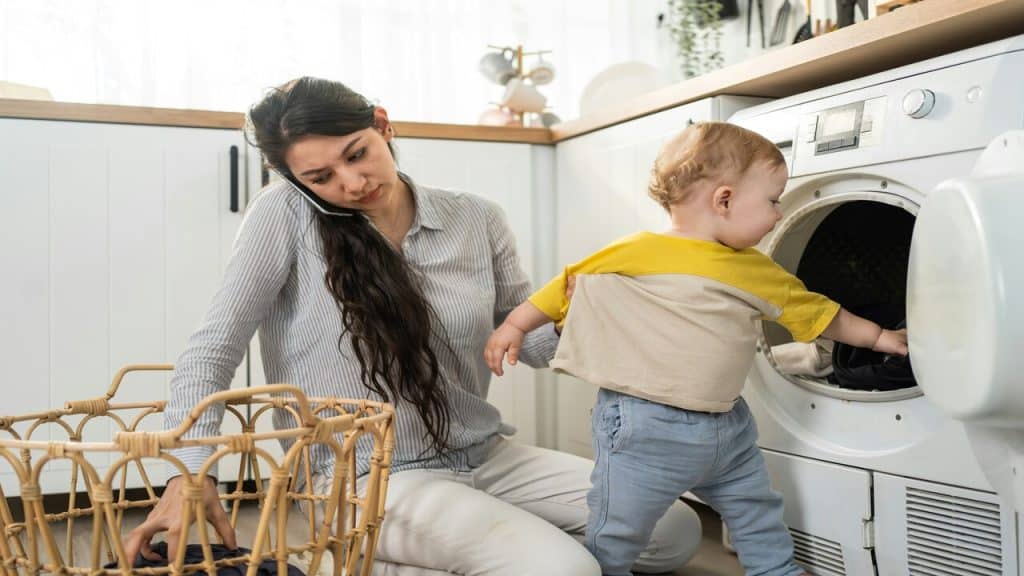
Kids, deadlines, and life obligations can swallow a marriage whole. When your spouse constantly comes last, emotional distance becomes the norm. Protect time just for the two of you–a weekly date, a quiet breakfast, even a short walk. Your marriage is the foundation of your family, not a footnote to it.
10. Ignoring Small Acts of Disrespect

Eye-rolls, dismissive comments, or sarcastic digs might seem harmless–but they chip away at respect. Over time, they create a low-grade hostility that kills warmth. Call it out early, with calm honesty. Mutual respect is the soil in which love grows; once it’s poisoned, everything else wilts.
11. Forgetting to Keep Growing Individually

When one or both partners stop evolving, stagnation sets in. A marriage thrives when both people have purpose, hobbies, and goals outside the relationship. Keep learning, exploring, and developing yourself. Personal growth keeps the relationship dynamic and attractive–it’s what keeps both of you interesting to each other.
12. Letting Resentment Build Without Repair

Every couple fights–but what matters most is what happens afterward. If you don’t repair after conflict, resentment lingers like smoke after a fire. Apologize sincerely, forgive quickly, and talk things through. Repair is the heartbeat of long-term love; without it, even small hurts turn toxic.
13. Assuming Time Equals Connection

Just because you spend hours together doesn’t mean you’re emotionally connected. You can share space but still be miles apart. Focus on quality–eye contact, curiosity, genuine listening. Connection isn’t about proximity; it’s about emotional presence.
14. Using “Always” and “Never” in Arguments

Phrases like “You never help” or “You always do this” trigger defensiveness and shut down empathy. Replace blame with specificity: “I feel overwhelmed when I handle this alone.” It shifts the tone from accusation to collaboration. It’s a small linguistic shift that saves big emotional damage.
15. Letting Routine Replace Romance

Routines make life stable, but predictability can make love stale. When every day feels the same, emotional spark fades. Break the pattern–try something new together, surprise each other, revisit old places. Novelty reactivates attraction and reminds you why you chose each other in the first place.
16. Failing to Express Emotional Needs

Bottling emotions is easier in the short term but deadly over time. If you don’t express your hurt, frustration, or loneliness, your partner can’t respond to it. Emotional honesty builds safety. It’s not weakness to say, “I miss you” or “I feel unseen”–it’s the bridge back to closeness.
17. Forgetting You’re on the Same Team

In moments of conflict, it’s easy to act like opponents fighting to win. But marriage only works when you both remember you’re on the same side. Shift from “me versus you” to “us versus the problem.” Unity doesn’t mean never disagreeing–it means never forgetting that your shared goal is connection, not victory.








Ask Me Anything