
Emotional abuse doesn’t always come with shouting, slammed doors, or explosive fights. Sometimes, it shows up in quiet, cutting ways that leave you questioning yourself more than the other person. These subtle jabs can be disguised as jokes, “helpful” criticism, or backhanded compliments. But over time, they chip away at your confidence and sense of worth just as much as outright cruelty.
The challenge is recognizing them for what they are. Because the moment you name these behaviors, you stop excusing them–and start reclaiming your boundaries.
Below are 17 examples of those “small” digs that are anything but harmless.
1. Constantly Correcting You in Public

One of the most insidious ways emotional abuse shows up is through the “know-it-all” correction. It may seem minor–like someone fixing how you pronounced a word or pointing out a detail you got slightly wrong. But when it’s constant, especially in front of others, it’s about control, not accuracy. Over time, it creates a dynamic where you feel silenced, second-guessed, and small. The practical move? Call it out privately: “I notice you correct me a lot in public, and it makes me feel undermined. Please stop.”
2. Jokes That Always Target You

Humor is supposed to connect, but in toxic dynamics, it’s used as a weapon. If their jokes consistently have you as the punchline–your looks, your habits, your mistakes–it’s not lighthearted, it’s layered with contempt. The danger lies in the fact that when you protest, they can dismiss you as “too sensitive.” The next time it happens, notice the pattern and say, “I’m not laughing–this doesn’t feel like a joke.” You’re not overreacting; you’re drawing a line.
3. Backhanded Compliments

“You look great… for once.” “That’s smarter than I expected.” These phrases sound like praise at first but land as insults. Backhanded compliments are emotional grenades disguised with a smile. They work by leaving you confused–is it kindness or criticism? The key is to treat the undertone as the real message. Instead of brushing it off, acknowledge it: “That comment doesn’t feel like a compliment.” This way, you stop normalizing disrespect disguised as flattery.
4. Dismissing Your Feelings as “Drama”

When you express hurt, and they respond with “You’re overreacting,” “Don’t be dramatic,” or “You’re too emotional,” it’s not feedback–it’s dismissal. Emotional invalidation keeps you questioning whether your feelings are legitimate, which is exactly the goal. Healthy relationships acknowledge emotions even when they don’t agree. The practical step is to reassert your reality: “This matters to me, whether you see it as dramatic or not.” You don’t need their permission to feel.
5. Guilt-Tripping You Into Compliance

Instead of asking directly for what they want, abusers often lean on guilt: “After everything I do for you, you can’t do this one thing?” This tactic makes you feel like saying no equals betrayal. But guilt-tripping isn’t love; it’s manipulation. Pay attention to the balance: are your choices really free, or are they made under pressure? A useful tactic is to pause before responding. Ask yourself, “Would I still agree to this if guilt wasn’t involved?”
6. Comparing You to Others

“You should be more like him.” “Why can’t you do it like she does?” Comparisons are subtle attacks that pit you against other people. They frame you as perpetually “less than,” so you start chasing approval you’ll never fully get. Healthy partners inspire growth without putting you down. When you hear a comparison, call it what it is: “I’d appreciate if you encouraged me without measuring me against someone else.” That reframes the conversation toward respect.
7. Withholding Affection as Punishment

Love and affection should never be conditional bargaining chips. But an emotionally abusive partner may withdraw warmth, touch, or kind words whenever they’re upset with you. The silent treatment of affection makes you scramble for their approval, turning intimacy into a game of control. Notice if affection feels like it’s on a dimmer switch you don’t control. A practical counter is to state clearly: “I want affection to be consistent, not used to punish.” That calls out the manipulation.
8. Pretending to “Forget” Important Things

Forgetting your birthday, your boundaries, or conversations you’ve had repeatedly isn’t always an accident–it can be weaponized neglect. This tactic sends the message: “What matters to you isn’t worth remembering.” Over time, you might start feeling invisible. The way through is to track the pattern. If someone repeatedly “forgets” things that matter to you but remembers everything else, it’s not memory–it’s disregard. Naming it breaks the illusion.
9. Undermining Your Achievements

Accomplish something you’re proud of, and instead of celebrating, they downplay it: “It wasn’t that hard,” or “Anyone could’ve done that.” These digs strip the joy from your victories. It’s a way to keep you from feeling confident or independent. A healthy relationship amplifies your wins, not diminishes them. When it happens, don’t shrink. Own your pride: “I worked hard for this, and I’m proud of it.” That affirmation re-centers your voice over theirs.
10. Shifting Blame Subtly

Instead of taking responsibility, emotionally abusive people excel at re-framing problems so you’re at fault. For example, if they snapped at you, they’ll say, “You made me mad” or “You know how you get me going.” This isn’t just blame–it’s erasure of accountability. The subtlety lies in how natural it sounds, so you internalize it. Next time, pause and separate their choice from your action: “You chose how to respond. That’s on you.”
11. Using “Helpful” Criticism That Cuts Deep

There’s constructive feedback, and then there’s critique meant to wound under the guise of “help.” If every suggestion leaves you feeling smaller rather than supported, it’s not about growth–it’s about control. Pay attention to how you feel after: encouraged or diminished? A practical tool is to ask, “What’s the intention behind this feedback?” If it doesn’t come from care, it’s not help.
12. Exaggerating Your Flaws

Everyone has quirks, but in an abusive dynamic, those quirks get magnified into defining flaws. Forget to text back? Suddenly you’re “always unreliable.” Misspeak once? You’re “constantly dumb.” These sweeping generalizations chip away at your self-image. Combat it by separating fact from exaggeration: “Yes, I forgot this once–but that doesn’t define me.” Naming the distortion keeps you from internalizing their version of you.
13. Making Decisions Without You

Subtle abuse often shows up in control over choices–spending money, making plans, or deciding things that affect you both without including you. It signals that your input doesn’t matter. Over time, you stop offering opinions altogether. Healthy dynamics are built on collaboration. So, the practical move is to assert: “I want to be part of decisions that affect me.” That demand for inclusion rebalances the dynamic.
14. Acting Like Your Success Is a Threat
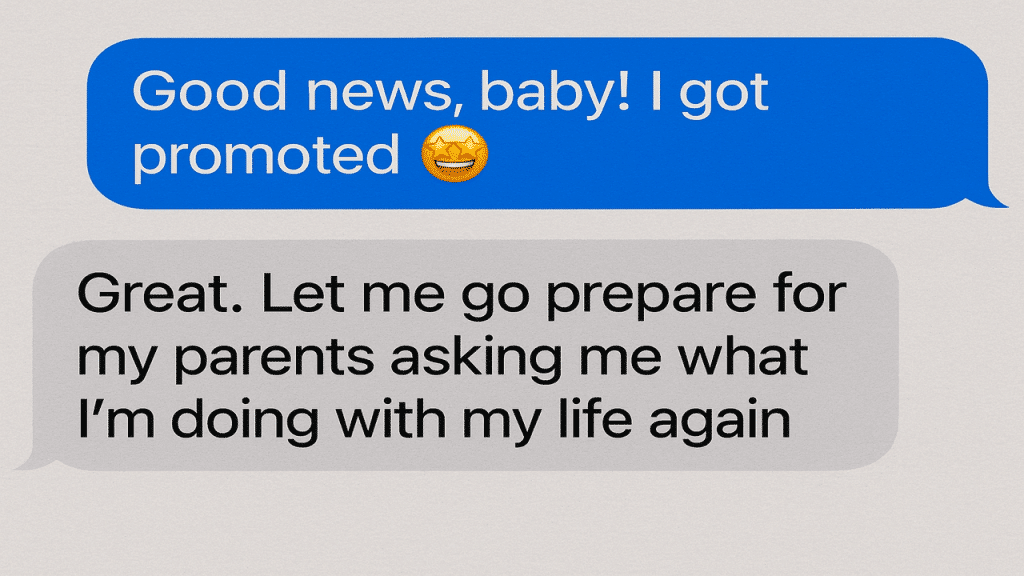
Instead of being proud when you succeed, they treat it like competition. Maybe they get moody when you achieve something or dismiss your efforts because it makes them insecure. This is emotional sabotage, and it’s designed to keep you small so they can feel big. Pay attention: do they celebrate you only when you’re struggling? If so, name it. Real love doesn’t shrink in the face of your growth–it expands with it.
15. Mocking Your Passions

You mention something you care about, and they roll their eyes or make a cutting remark. Mockery of your hobbies, work, or interests seems minor, but it builds shame around being yourself. Over time, you share less, hide parts of yourself, and feel smaller. A healthy partner doesn’t have to share your passions but respects them. The boundary here is to state: “I enjoy this, and I won’t let you belittle it.”
16. Minimizing Past Hurts

When you bring up something painful, and they brush it off with “That wasn’t a big deal” or “You’re still hung up on that?”–that’s emotional dismissal. Healing requires acknowledgment, but abusers avoid it because accountability makes them uncomfortable. Minimization keeps you from trusting your own memory of events. The counter is to affirm yourself: “It matters to me, even if you want to downplay it.” Truth doesn’t need their validation.
17. Using Silence as a Weapon

The silent treatment isn’t space–it’s control. When someone deliberately withholds communication to punish you, it creates anxiety and desperation. You end up apologizing or chasing them just to break the silence. That’s not resolution–it’s manipulation. The practical move is to stop rewarding it. Instead of chasing, state calmly: “I’m here to talk when you’re ready, but I won’t engage in silence as punishment.” That puts responsibility back where it belongs.








Ask Me Anything