
Emotional support isn’t measured by how much you do, but by how understood your partner feels. Many men believe they’re showing up, providing, helping, listening, yet their partner quietly feels alone in ways that aren’t obvious. These signs don’t show up loudly; instead, they appear in daily shifts that are easy to overlook. Your partner may not say the words “I feel unsupported,” but her behavior reveals that something in the emotional dynamic is off. Recognizing these subtle cues isn’t about taking blame, it’s about seeing the invisible emotional work she carries. When support doesn’t match her internal load, she starts signaling discomfort long before she verbalizes it.
Her Responses Become Shorter, But Not Colder

She isn’t rude, distant, or upset, she’s simply tired. Her replies become efficient rather than engaged, giving you enough to continue the conversation but not enough to feel connected. This shift often happens when she feels like she carries the emotional balance alone. Brevity becomes her way of conserving energy, not starting conflict. She’s not withdrawing from you; she’s withdrawing from the weight she’s been holding. It’s a sign she no longer feels she has the bandwidth to give more than she’s receiving.
She Starts Saying “Don’t Worry About It” More Often

This phrase is rarely about the task itself, it’s often about the pattern behind it. She stops asking for help because asking feels heavier than doing it alone. The emotional load of explaining, reminding, or requesting feels like an added responsibility. Over time, “don’t worry about it” becomes her shield against disappointment. It’s a quiet message that she’s not feeling supported in the way she truly needs. She protects herself by lowering her expectations silently.
She Handles Small Crises Without Looping You In

Whether it’s a household problem, a family issue, or something personal, she solves it herself even when she’s overwhelmed. She doesn’t do this out of independence, she does it because she no longer expects you to share the weight. You may notice you hear about events only after they’re resolved. This pattern often reveals that she hasn’t felt emotionally backed for a long time. Her silence becomes a coping strategy, not a sign of confidence.
Her Patience Shortens Over Things That Never Used to Bother Her

Emotional exhaustion always leaks through the smallest cracks. She may snap quicker or get irritated by things she used to brush off. These aren’t signs of disrespect, they’re signals of emotional overload. When someone feels unsupported, every small inconvenience feels amplified. Her reactions reflect accumulated strain, not sudden personality change. It’s her way of communicating that her emotional reserves are low.
She Stops Sharing the Little Details of Her Day

Small stories disappear first when someone feels unseen. Those minor moments she used to tell you, a funny conversation, an odd coworker, something sweet she noticed, fade from discussion. She’s not withholding; she simply feels there’s no emotional space to be heard fully. Detail-sharing is a sign of closeness, and its absence reflects distance. Her silence becomes a quiet indicator that she doesn’t feel supported enough to open up.
She Prefers to Make Decisions Alone

Instead of asking your opinion, she handles choices herself, from financial decisions to scheduling to household planning. It’s not about control; it’s about efficiency born from emotional weariness. She may feel that involving you requires navigating frustration, miscommunication, or unmet expectations. Making decisions alone becomes easier than feeling unsupported through the process. This independence masks deeper emotional fatigue.
Her Appreciation Feels Forced or Minimal

She Repeats the Same Concerns More Than Once

When she brings up the same issues repeatedly, she’s not nagging, she’s signaling unmet emotional needs. Feeling unheard is one of the strongest indicators of feeling unsupported. If reminders or concerns circle back again, it means the emotional meaning behind them wasn’t received. Repetition becomes her way of asking for acknowledgment, not just action. Her voice gets quieter when her emotional needs go unrecognized.
She Retreats Into Her Own Routine

She creates pockets of time that belong only to her, not for self-care, but for emotional escape. These routines become quiet sanctuaries where she feels less pressure to manage the emotional atmosphere of the relationship. Retreating inward is often easier than expressing discomfort outward. Her routine becomes a form of self-preservation, not isolation. It signals she no longer feels the relationship is an emotionally shared space.
She Stops Expecting Emotional Reciprocity

You may notice she doesn’t ask for comfort, validation, or support anymore. This isn’t because she doesn’t have feelings, it’s because she has accepted that she’ll need to manage them alone. When someone stops expecting reciprocity, it means they’ve quietly adapted to emotional imbalance. This shift is subtle but powerful. Her emotional independence is a sign of emotional depletion, not personal strength.
She Overexplains Herself Even When She Doesn’t Have To
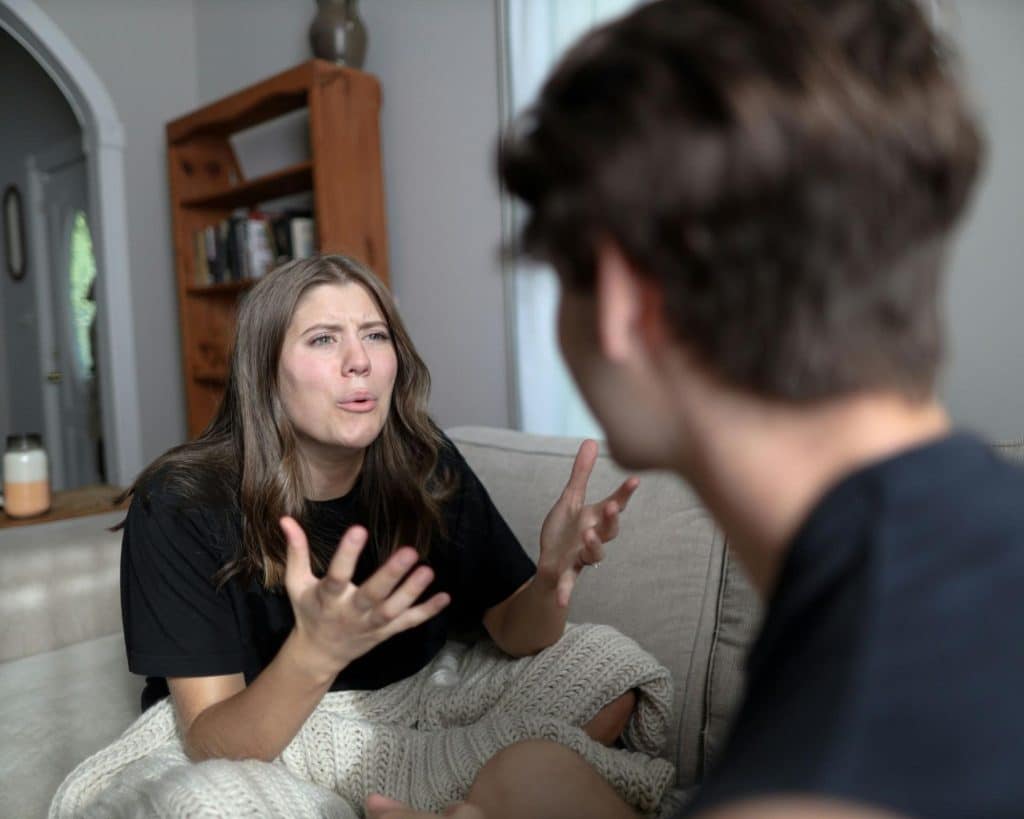
When a partner feels unsupported, she begins clarifying every decision, emotion, or preference. It stems from feeling misunderstood or previously dismissed. Overexplaining becomes a way to avoid conflict or criticism. It’s a sign she doesn’t feel emotionally safe expressing herself freely. Her explanations reveal the emotional gap she feels but hasn’t verbalized.
She Becomes More Sensitive to Tone Than Words

Emotional exhaustion sharpens sensitivity. She reacts not only to what you say, but how you say it. Tone becomes a mirror of emotional support, or the lack of it. If she responds strongly to shifts in tone, it’s often because she already feels vulnerable. Her sensitivity is less about the moment and more about the emotional buildup behind it.
She Avoids Bringing Up Anything That Might Lead to Disagreement

She keeps conversations light or logistical because emotional discussions feel too draining. It’s not conflict avoidance, it’s emotional self-protection. When a partner avoids meaningful topics, it means they don’t feel supported enough to navigate potential tension. This avoidance becomes a quiet sign of emotional disconnection. The absence of hard conversations often reveals more than the presence of them.
She Starts Seeking Emotional Support Elsewhere

It might be through friends, siblings, online spaces, or even internal journaling. She’s not replacing you, she’s compensating. When a partner doesn’t feel emotionally supported, they instinctively look for safer containers for their feelings. This outward shift is subtle but telling. It’s her way of meeting emotional needs that aren’t being fulfilled at home.
She Seems Exhausted Even on Days That Should Feel Easy

Emotional weight shows up physically. She may express tiredness that doesn’t match her schedule, mood, or responsibilities. This isn’t laziness, it’s emotional digestion. Being unsupported drains more energy than any physical task. Her fatigue becomes a visible echo of internal overload.
She Stops Trying to “Fix” Tension Between You

She no longer initiates solutions, clarifies misunderstandings, or rebuilds connection after friction. It’s not because she doesn’t care, it’s because she no longer has the emotional capacity to carry both sides of the relationship. When she stops repairing, it means she’s been repairing alone for too long. This shift is often one of the final indicators of emotional imbalance.
She Reflects More Than She Responds

You may notice she pauses longer before reacting, as though processing her own feelings separately from the conversation. These pauses come from emotional caution rather than contemplation. She’s evaluating not just what she feels, but how much emotional effort it will take to express it. Her reflective quietness is a sign of emotional strain, not disengagement. It reveals how much she’s been silently managing.
She Celebrates Wins Quietly Instead of Sharing Them With You

What once sparked enthusiasm now goes unmentioned or downplayed. It’s not a lack of joy, it’s a sign she doesn’t feel supported enough to share her excitement freely. When someone suppresses their wins, it means they don’t feel emotionally safe celebrating them. Her quiet victories reflect her quiet disappointment. It’s one of the clearest signs she feels unsupported in ways you may not see.
Conclusion

Partners rarely announce when they feel emotionally unsupported, they show it in subtle, everyday shifts that are easy to miss. These clues aren’t about blame; they’re signals that the emotional weight in the relationship has become uneven. Recognizing them is not a criticism of your intentions but an opportunity to reconnect with greater awareness. Support isn’t measured by effort alone, it’s measured by emotional presence, consistency, and attunement. When you notice these signs early, you can rebalance the connection before quiet strain becomes quiet distance.








Ask Me Anything