
Long-term relationships rarely shift overnight; the changes appear in small, nearly invisible moments that only make sense in hindsight. A partner who once felt fully connected can begin quietly measuring how the present stacks against the past. Not because she’s seeking flaws, but because memory becomes the lens through which she evaluates closeness, effort, and consistency. Women naturally remember emotional patterns, what felt good, what brought comfort, and what once made them feel prioritized. When those patterns change, comparison begins, often long before she speaks a word. Understanding the subtle clues she gives is the key to recognizing what has shifted and why it matters. These signals are rarely dramatic but reveal a deeper emotional truth she may be hesitant to express directly.
She Reacts More Strongly to Behaviors She Used to Laugh Off

When her reaction to harmless habits becomes sharper or more tired than it used to be, it often means she’s contrasting your past responsiveness with your current one. A joke that once made her smile may now fall flat, not because it changed, but because the emotional landscape around it did. The shift signals that she remembers a time when humor felt lighter between you. Her quiet disappointment suggests the connection behind those moments has faded. She’s not just reacting to the action, it’s the comparison triggering the sting.
She Mentions How You “Used to Be” Without Saying It Directly

Partners rarely make direct statements like “You changed” unless frustration has built up for a long time. Instead, she may weave subtle references into the conversation, talking about times when you were more attentive, more affectionate, or more enthusiastic. These aren’t criticisms; they’re markers of what she still values. She uses memories as reference points, hoping you’ll notice the gap without her having to spell it out. The more she references the past indirectly, the louder the silent comparison becomes.
She Pauses Before Responding, as If Measuring Your Tone

A slight hesitation before she answers often reveals she’s quietly evaluating the difference between how you speak now versus how you spoke years ago. She may be gauging whether the warmth, patience, or curiosity she once relied on is still present. This pause isn’t an annoyance, it’s recalibration. The tone of long-term partners carries emotional history, and she notices when it shifts. Her pause signals she’s comparing the emotional safety she once felt to what exists now.
She Double-Checks Your Plans in a Way She Never Did Before

When she verifies your schedule or commitments more than she once did, it often reflects a loss of certainty. She remembers a period when your intentions were clear and your follow-through predictable. Now she’s unsure, not because you’re unreliable, but because emotional distance makes small promises feel less secure. Her double-checking isn’t controlling; it’s protective. It signals she’s comparing old consistency to current ambiguity.
She Seems Less Impressed by Efforts That Used to Mean a Lot to Her

A gesture that once sparked enthusiasm may now receive a polite smile. This shift can feel confusing, but it often means she’s mentally comparing the emotional intention behind the gesture then and now. What mattered wasn’t the act itself, but the energy and presence behind it. When those soften, the gesture loses power. Her muted reaction is a clue she senses the difference even before you do.
She Gets Quieter During Moments That Used to Make Her Feel Close

Shared activities that once brought warmth, watching a show together, running errands, sitting in silence, may now feel heavier. Her quietness isn’t disinterest; it’s a comparison creeping into her emotional space. She remembers how connected those moments used to feel and senses the contrast. The silence becomes reflective rather than comforting. When familiar moments feel unfamiliar to her, it’s a sign she’s noticing the emotional gap widening.
She Stops Volunteering the Small Details of Her Day

Women naturally share daily experiences with partners when the emotional environment feels open. When she stops offering these details, it often means she’s comparing how safe she used to feel expressing herself with how she feels now. She may fear the reaction will be lukewarm or distracted. This shift isn’t dramatic, it’s gradual and quiet. Her withheld stories signal the emotional bridge that once connected you is thinning.
She Becomes More Independent in Decisions She Once Wanted Your Input On

When she starts making choices alone, it doesn’t always mean she prefers independence. Often, it reflects a belief that the partnership’s emotional alignment is slipping. She remembers when your perspective mattered deeply to her and compares that feeling to the distance she now senses. Independence becomes a shield rather than a preference. This shift reveals she’s protecting herself from wanting more than she believes she’ll receive.
She Gives Shorter Answers to Questions That Used to Spark Long Conversations

If her responses shrink, it’s rarely because she has less to say. It’s because she feels the emotional payoff she once received from deeper conversations has faded. She remembers conversations that flowed effortlessly, where your curiosity matched her willingness to share. Now, she senses that space shrinking. Her shorter answers reveal a quiet comparison between past connection and present fatigue.
She Looks Away During Moments That Once Held Strong Eye Contact

Eye contact is one of the clearest markers of emotional comparison. When she begins breaking it more quickly, she’s often avoiding the discomfort of acknowledging things feel different. She remembers when she looked at you with certainty and warmth. Now, the look holds questions she’s not ready to voice. Her gaze reveals a comparison she may not even consciously realize she’s making.
Her Patience Shortens in Areas Where She Was Once Understanding

A woman who once gave the benefit of the doubt may now seem quicker to withdraw or react. This shift doesn’t mean she’s angrier, it means she’s noticing a contrast between who you were and who you’ve become under stress, pressure, or routine. Her patience is tethered to emotional assurance. When that assurance shifts, her tolerance reflects it. The change is small but meaningful.
She Picks Up on Inconsistencies You Didn’t Realize You Had

Partners become experts in each other’s patterns over time. When she begins noticing mismatches in your words, actions, or effort, it shows she’s measuring present alignment against past reliability. This awareness isn’t about catching mistakes, it’s about detecting emotional drift. Her sensitivity to inconsistency is heightened because she remembers a version of you she trusted fully. The comparison intensifies when the gap widens.
She Tries to Recreate Old Moments, but Her Smile Doesn’t Reach the Same Way

When she revisits old traditions, inside jokes, or shared routines, it’s often an attempt to pull the relationship back to where it once felt strongest. But if her smile seems dimmer, she’s sensing the difference between reliving a moment and actually feeling it. She’s comparing not out of disappointment, but out of longing. The emotional weight of the past casts a shadow on the present. This subtle shift reveals what she misses most.
She Gives Compliments That Sound More Like Reminders

A compliment like “You used to be so thoughtful about this” isn’t truly praise, it’s a breadcrumb pointing toward what she still wants. She uses positive language to avoid confrontation, but the comparison is embedded in the tone. She’s highlighting past effort in hopes it resurfaces. These comments carry emotional weight far beyond their wording. They reveal what she feels is slipping away.
She Acts Surprised When You Do Something You Always Used to Do

Expressions like “Oh, you actually remembered” or “You haven’t done that in a while” reveal the depth of her comparison. This surprise shows she has mentally accepted a new pattern of lowered attention or reduced involvement. When your effort feels like an exception instead of a norm, she begins reframing the relationship around what’s missing rather than what’s present. Her reaction quietly marks the shift.
She Seems Unsure Whether to Open Up During Vulnerable Moments
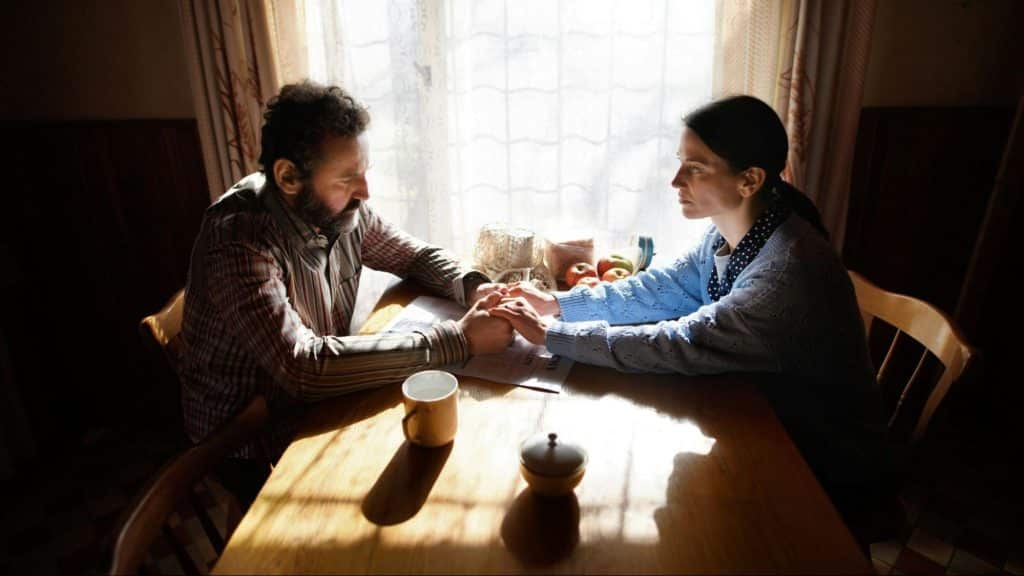
When emotional conversations arise, she may hesitate, recalibrating whether the comfort she once felt is still available. She remembers when your presence grounded her and compares that memory to the uncertainty she now senses. It’s not a lack of love, it’s a lack of emotional footing. Her hesitation signals she’s unsure whether you’re still the version of you she trusted most when she was vulnerable. This is one of the strongest clues comparison is happening.
She Remembers Dates, Habits, and Milestones That You Don’t Recall Clearly

A partner’s emotional memory often acts as a timeline of the relationship. When she brings up details you barely remember, she’s unintentionally revealing how much the past still anchors her expectations. She measures present connection against those meaningful points of reference. Forgetting them doesn’t make you uncaring, it highlights the different ways partners process emotional significance. Her recall underscores the contrast she feels.
She Seems Afraid That Bringing Up Concerns Will Push You Further Away

If she holds back from expressing needs, frustrations, or requests, it often comes from a belief that the man you were once receptive to. She compares that openness with the possibility of current defensiveness or detachment. Rather than risk tension, she chooses silence, even when it costs her emotionally. The fear of widening the distance becomes stronger than the desire to fix it. That fear is a powerful indicator of comparison at work.
Conclusion

When a woman begins comparing the man you are now with the man you used to be, the signs rarely appear as dramatic confrontations. They emerge in pauses, reactions, hesitations, and subtle emotional recalibrations. These clues aren’t meant to judge, they reveal where the connection no longer feels aligned with the emotional history she still carries. Recognizing these signals early allows for rebuilding, reconnection, and recommitment to the qualities that once made the relationship strong. The past isn’t a competition, it’s a roadmap showing where the present can grow.








Ask Me Anything