
Every relationship carries unspoken expectations, and appreciation is one of the most important. When it begins to fade, partners rarely voice it immediately; instead, the signs emerge quietly in day-to-day behavior. These changes are subtle, often disguised as mood shifts, small reactions, or new patterns that seem harmless at first. Emotional needs rarely disappear all at once, they slowly dissolve when someone feels unseen or undervalued. This introduction explores the quiet signals that show when appreciation has thinned, long before the issue becomes conflict. Recognizing these clues early can prevent deeper disconnection and restore balance before resentment grows.
Appreciation Is Replaced by Polite Cooperation

When appreciation fades, interactions become more transactional. The tone shifts from warm engagement to polite minimalism, as though every exchange is handled with formality instead of emotion. It creates a dynamic where tasks are acknowledged, but the effort behind them is not. This subtle shift often goes unnoticed because everything still appears calm on the surface. Yet the lack of warmth reveals an emotional gap forming beneath routine cooperation.
She Stops Pointing Out the Things She Loves About You

Compliments or small affirmations begin to disappear. Where she once noticed your strengths, humor, efforts, or progress, the recognition becomes rare. The silence itself becomes meaningful, signaling she no longer feels inspired to highlight the good. This isn’t hostility, it’s emotional depletion. When admiration fades quietly, it often means she no longer feels appreciated.
Her Patience Shortens in Small, Unexpected Moments

A partner who feels undervalued often has less emotional bandwidth. Small frustrations that never mattered before start drawing stronger reactions. The tone becomes clipped, or responses come quicker than intended. These shifts may look like irritability, but they often stem from feeling unseen. Emotional energy drains faster when appreciation is absent.
She Starts Double-Checking Things You Said or Promised

Unappreciated partners often lose trust in consistency. She may revisit small agreements or confirm details multiple times, not out of doubt but from feeling unsupported. This habit reflects the quiet belief that effort is no longer mutual. When appreciation fades, confidence in follow-through weakens. Her double-checking reveals where emotional assurance is missing.
Conversations Feel More Neutral Than Warm

Her responses become shorter, and the tone less expressive. Emotional color drains from conversations, leaving them functional instead of engaging. She participates, but without the investment she once had. This neutrality is a protective instinct, not a withdrawal. When a partner feels unappreciated, enthusiasm often retreats before connection does.
She Gives Fewer Updates About Her Day

Sharing details requires emotional openness, and unappreciated partners gradually minimize this. The updates turn brief or selective, and certain topics remain unspoken. She no longer expects her thoughts to be valued at the same level as before. This reduction in sharing signals a shift in emotional safety. The quietness reveals more than any argument would.
She Becomes More Independent With Her Decisions

Choices that used to involve both of you start happening solo. She stops expecting input or support because she no longer feels it consistently reciprocates. This independence isn’t rebellion, it’s resignation. Partners often reclaim autonomy when appreciation feels absent. Her self-reliance reflects emotional distance rather than empowerment.
She Stops Reminding You of Important Things

Reminders are acts of care, even when they seem small or trivial. When she stops offering them, it may signal she no longer feels responsible for shared success. The absence of reminders doesn’t come from neglect, it comes from depletion. She steps back because she feels like her effort isn’t valued. This shift reveals a deep emotional fatigue.
Her Body Language Shifts Without Her Realizing

A partner who feels unappreciated often displays subtle physical cues. She may lean away during conversations or avoid prolonged eye contact. The softness in her posture becomes guarded or neutral. These changes aren’t intentional; they’re emotional reflections. Body language often reveals the truth long before words do.
She Stops Asking for Help With Tasks She Once Shared

When she no longer feels valued, asking for help can feel burdensome. Instead of depending on you, she handles everything alone. This behavior isn’t pride, it’s a response to feeling unsupported. Delegating becomes uncomfortable because appreciation no longer feels mutual. The shift away from teamwork speaks volumes.
She Begins Expressing Frustration Indirectly
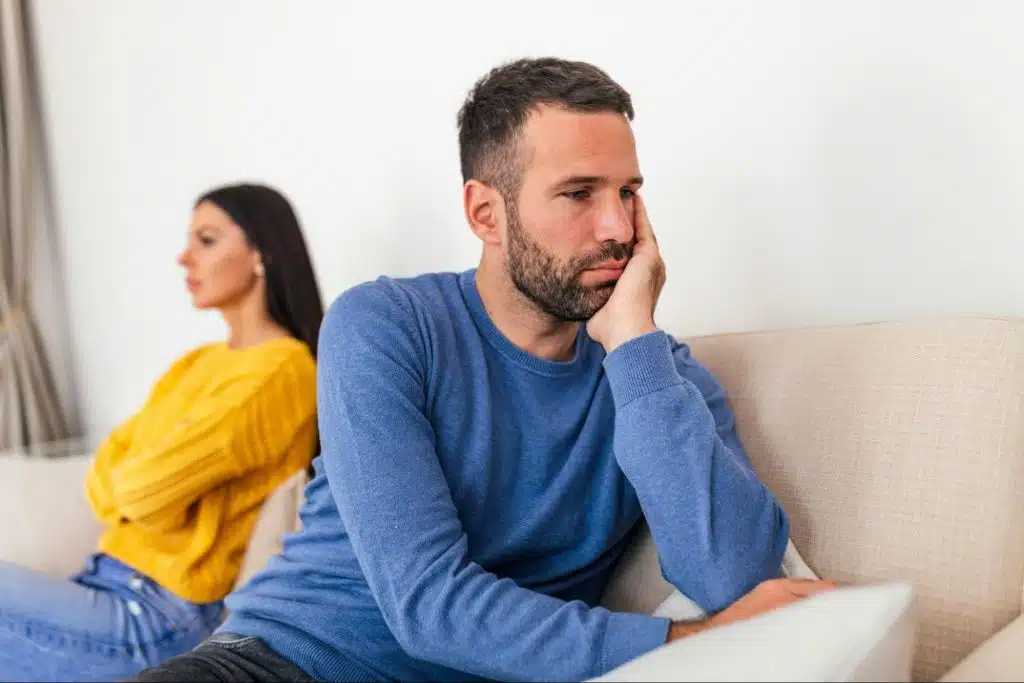
Instead of openly stating concerns, she might hint, joke, or use vague comments. This indirect communication is often a sign of emotional exhaustion. She doesn’t want conflict, but she also doesn’t feel heard enough to express her needs plainly. These subtle remarks are her way of signaling discomfort. When appreciation fades, clarity often disappears with it.
She Reacts More Strongly to Being Overlooked

Moments when she is interrupted, ignored, or dismissed trigger sharper responses. These reactions come from accumulated emotional strain, not sudden anger. Feeling unappreciated amplifies sensitivity to being unseen. Her strong responses aren’t about the moment, they’re about everything leading up to it. These patterns highlight deeper emotional imbalance.
She Starts Noticing Others’ Efforts More Than Yours

This doesn’t imply comparison or romantic interest, it reflects a need for acknowledgment. When someone feels unseen, they become more aware of appreciation elsewhere. Compliments or gestures from others stand out because they contrast what’s missing at home. This sensitivity is a sign of emotional deficit. It reveals a longing for recognition.
She Laughs Less Around You Than She Used To
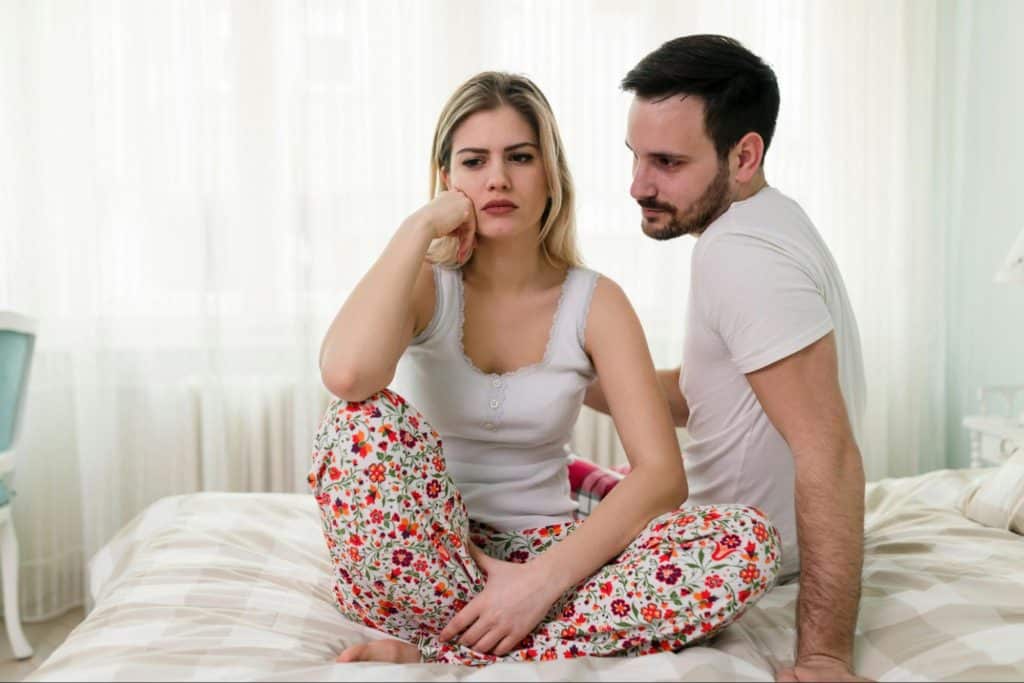
Laughter requires relaxation, and emotional tension makes it harder to express. Her humor becomes muted, or smiles feel rare. Lightheartedness fades quietly when someone feels unappreciated. The atmosphere becomes heavier without either person intending it. Her diminishing laughter reflects emotional distance.
She Stops Initiating Affection or Touch
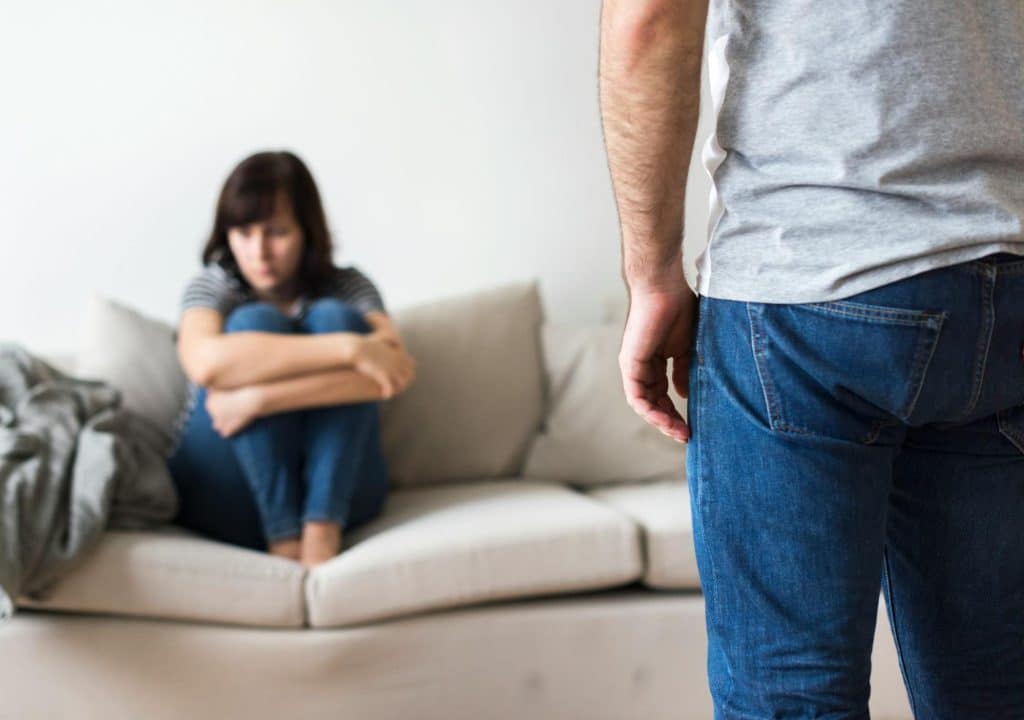
Initiating closeness requires emotional safety. When she feels underappreciated, she may not reject affection but doesn’t initiate it either. The absence of warmth signals internal withdrawal. Physical connection becomes less instinctive and more hesitant. This shift often appears long before major relationship concerns surface.
She Handles Emotional Conflicts Alone

Instead of turning to you for comfort, she processes her emotions internally. This withdrawal isn’t avoidance, it’s a belief that expressing needs won’t change anything. Emotional independence grows when appreciation thins. She stops expecting shared problem-solving. Her silence during difficult moments signals deeper hurt.
She Over-Explains Her Feelings
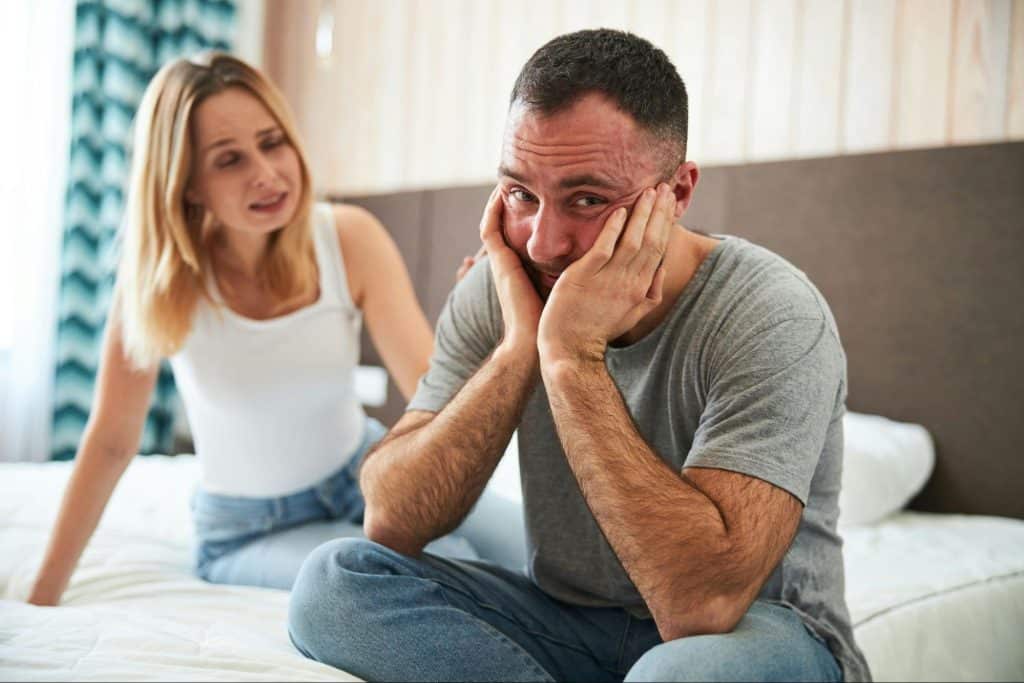
Partners who feel unappreciated often try harder to justify their emotional responses. She may give long explanations or repeat concerns, hoping they will be understood. This behavior shows she doesn’t feel her emotions hold weight anymore. Over-explaining is an attempt to regain acknowledgment. It highlights where validation is missing.
She Seems Relieved When You Take Initiative
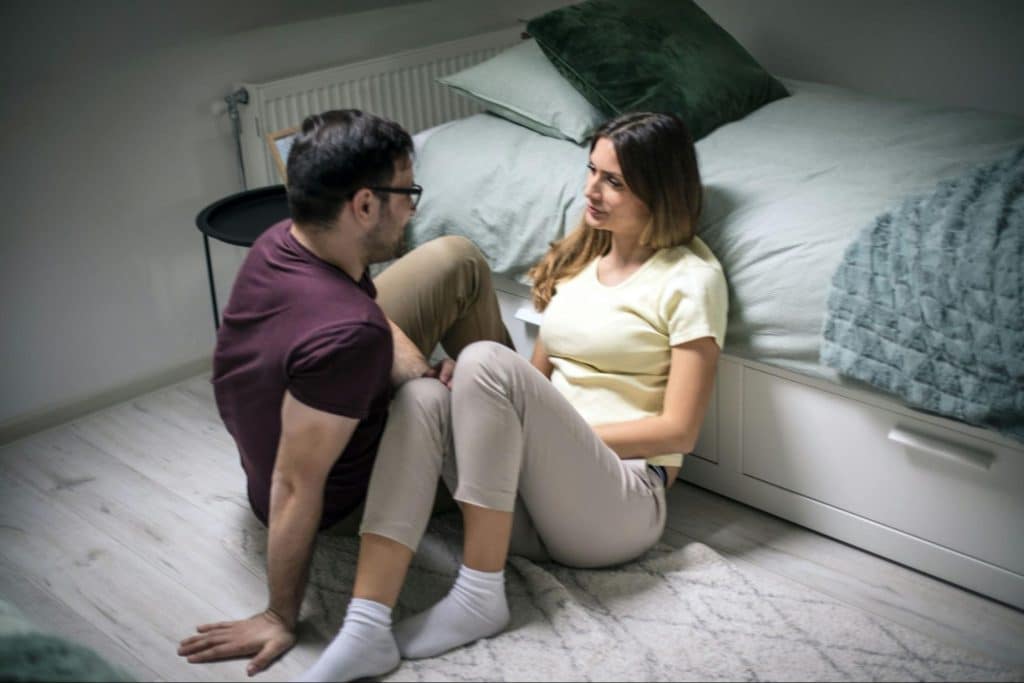
A partner who feels undervalued often carries more emotional weight than she admits. When you take action without prompting, the relief becomes visibly genuine. It shows how long she has felt alone in the effort. Her reaction reflects the contrast between what she needed and what she received. Relief is a clear clue that appreciation has been lacking.
She Doesn’t Get Excited About Shared Plans Anymore

Future plans used to spark enthusiasm, but now the reactions are subdued. It doesn’t mean she doesn’t care, it means emotional fatigue has dulled her excitement. Feeling unappreciated makes long-term joy harder to access. Even good news feels muted when connection feels unbalanced. Her lack of enthusiasm signals deeper emotional strain.
Conclusion

Unappreciated partners rarely express the feeling directly; instead, the signs appear quietly in behavior, tone, and emotional presence. These subtle clues reveal where connection has weakened long before conflict begins. Understanding them isn’t about blame but about awareness, the foundation of strengthening any relationship. When appreciation fades, the entire dynamic shifts in ways that often go unnoticed. Recognizing these signs early allows both partners to restore balance, rebuild trust, and ensure the relationship grows instead of quietly unraveling.








Ask Me Anything