
When dating moves past the first rush of attraction, what keeps it growing isn’t grand gestures–it’s the subtle shifts in mindset, behavior, and communication that build trust and emotional intimacy over time. Real partnership begins when both people start thinking beyond “me” and “you,” and start building a “we.” The transition can be tricky because it often happens slowly, through the quiet choices we make every day.
Here are 18 subtle yet powerful changes that can turn a casual dating relationship into a real, lasting partnership.
1. You Start Thinking in “We,” Not “I”

One of the clearest signs that dating is turning into a partnership is when your mindset shifts from independence to interdependence. You start naturally using “we” instead of “I,” not out of obligation but genuine connection. You plan with your partner in mind–what’s convenient for them, how decisions affect both of you. This small linguistic change reflects a big emotional one: you’re no longer just two people enjoying time together; you’re starting to move as a unit.
2. You Argue to Understand, Not to Win

Early dating arguments often come with ego or defensiveness, but in a real partnership, the goal changes. You start to care less about being right and more about being understood. You learn to take a breath before reacting, to ask questions instead of launching into accusations. These small shifts build emotional safety–because partnership isn’t about proving points, it’s about protecting connection.
3. You’re Comfortable Showing the Messy Parts

When you stop curating a perfect version of yourself, the relationship deepens. Real connection thrives on honesty, not performance. Sharing your insecurities, fears, or bad days lets your partner see the real you–and respond with empathy instead of judgment. That’s when trust grows roots: when you realize you don’t have to impress them anymore to keep them.
4. You Start Talking About the Future Naturally

Talking about the future isn’t just about marriage or kids–it’s about shared direction. You find yourselves saying things like, “Next summer we should…” or “When you move closer…” without overthinking it. The future stops being a scary topic and becomes part of normal conversation. That’s how emotional investment solidifies–through small, forward-looking remarks that show you’re both imagining what’s next together.
5. You Respect Each Other’s Independence

Real partnerships don’t smother–they strengthen. You stop feeling threatened by their solo plans or friendships, because you trust the bond. Supporting each other’s individuality creates balance and prevents resentment. The healthiest couples know that space isn’t distance; it’s oxygen. Encouraging each other’s growth outside the relationship makes what you share inside it richer.
6. You Handle Discomfort Without Running
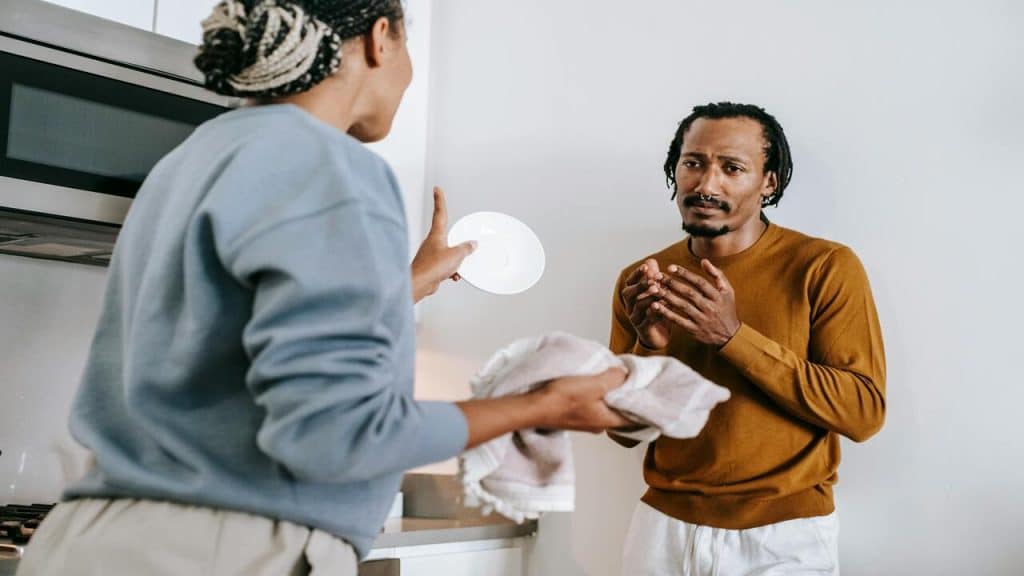
In the early stages, conflict or awkwardness can feel like dealbreakers. But once dating becomes a partnership, you stop bolting at the first sign of discomfort. You stay in the tough conversations, even when they sting. That resilience signals emotional maturity–and builds a stable foundation where both people know they can face issues instead of avoiding them.
7. You Make Decisions Together

Partnership means collaboration. Whether it’s planning a trip or choosing where to live, decisions stop being solo missions. You ask for each other’s input, weigh options together, and find middle ground instead of pushing for your own way. These small, everyday choices build equality and respect–the hallmarks of a lasting relationship.
8. You Start Feeling Safe Enough to Be Silent Together

In the beginning, silence can feel awkward. But as connection deepens, comfortable quiet becomes its own form of intimacy. You can share space without filling it. Whether driving, eating, or simply sitting side by side, the stillness feels peaceful, not tense. That comfort signals emotional safety–the kind that only comes when two people truly trust each other’s presence.
9. You Support Each Other’s Goals, Not Just Your Own

A relationship shifts from dating to partnership when both people start championing each other’s dreams. You celebrate their wins as your own, offer support through setbacks, and adjust plans to help them succeed. That kind of mutual investment builds emotional equity–it says, “Your growth matters to me too.”
10. You Stop Keeping Score

In early dating, it’s easy to keep mental tabs–who texted first, who paid last, who apologized more. But true partners let go of the scoreboard. You start giving freely because you want to, not because you expect something back. That generosity of spirit creates emotional abundance and replaces competition with compassion.
11. You Start Having Real Conversations About Values

Flirtation gives way to depth when you start discussing what truly matters–integrity, family, purpose, money, faith, or personal growth. You may not agree on everything, but you start exploring how your values align and differ. Those honest talks are how couples move from attraction to alignment–understanding not just who the other person is, but what they stand for.
12. You Learn Each Other’s Emotional Language

Partnership means learning how your partner gives and receives love–through words, actions, time, or touch. You start noticing their subtle cues and adjusting how you show affection or apologize. Emotional fluency takes time, but once you speak each other’s language, misunderstandings shrink and intimacy deepens.
13. You Become Teammates in Daily Life

Beyond romantic moments, partnership is about practical teamwork–sharing chores, running errands, or managing stress together. You stop treating these as burdens and start seeing them as chances to build rhythm and trust. Couples who handle life as a team tend to handle everything else better, too.
14. You’re Honest Even When It’s Uncomfortable

Telling the truth–especially when it’s hard–is one of the biggest markers of maturity. Real partners don’t hide feelings to keep the peace. They express what’s real respectfully, trusting the relationship can handle honesty. The more transparent you are, the fewer misunderstandings and resentments build over time.
15. You Learn How to Apologize Well

Apologizing in a partnership means more than saying “I’m sorry.” It’s about taking responsibility, making amends, and changing behavior. When both people learn to own their mistakes without shame or defensiveness, the relationship becomes safer and more resilient. A sincere apology is one of the most healing forms of intimacy.
16. You See Each Other’s Flaws–And Stay Anyway

Dating often runs on idealization, but partnership begins when you see each other clearly–warts and all–and choose to stay. Accepting flaws doesn’t mean ignoring them; it means loving the whole person, not just their highlights. That acceptance breeds stability and allows both people to grow without fear of being “too much.”
17. You Start Protecting the Relationship Together
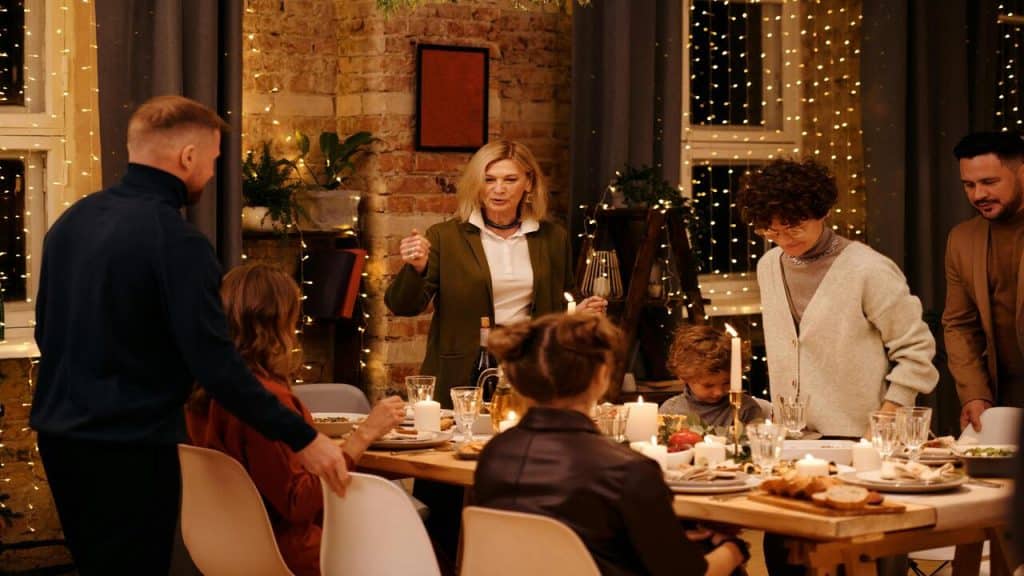
In real partnerships, both people become guardians of the connection. You don’t let outside pressures, gossip, or distractions erode the bond. You communicate before resentment festers and address issues as a team. Protecting the relationship becomes a shared mission–because you both value what you’ve built.
18. You Feel Like You’re Growing Together, Not Apart
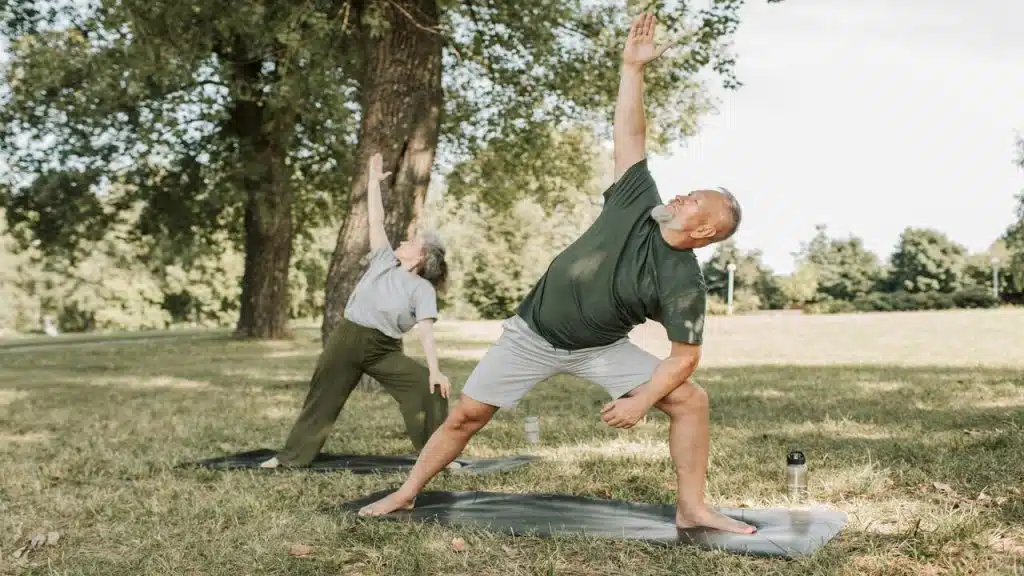
The final sign dating has evolved into partnership is growth that moves in sync. You both keep changing, but in ways that complement each other. You inspire one another to be better–emotionally, mentally, even spiritually. It’s not about perfection; it’s about progress. When both people keep choosing each other as they evolve, that’s when love becomes partnership in its truest sense.








Ask Me Anything