
Strong couples know that retirement isn’t an ending, it’s a transition. The shift from decades of work to a slower rhythm tests communication, patience, and purpose. Those who handle it best prepare early, talk often, and approach change as a team. It’s not just about savings; it’s about shared vision. Real preparation isn’t found in numbers but in how two people stay aligned when everything else starts to slow down.
When Planning Becomes Partnership

They don’t treat planning as a solo task. Instead of letting one person handle the finances or logistics, they discuss choices openly. From budgets to bucket lists, everything is built on shared understanding. They value transparency over control, and teamwork replaces tension. Planning together becomes a reflection of how they’ve handled every challenge before, side by side.
They Revisit Goals, Not Just Finances

Retirement isn’t only about what’s in the bank; it’s about what’s next. Strong couples review not just investments, but intentions. They talk about what kind of life they want, whether it’s travel, community work, or simply rest. Their goals evolve, and so does their teamwork. The vision becomes a living conversation, not a one-time plan.
They Communicate Before Problems Appear

Many couples wait for stress to start the talk. Strong couples don’t. They discuss expectations early, from spending habits to how they’ll spend their days. They’re honest about fears, too, not just dreams. Open communication removes resentment before it builds. They prepare emotionally so retirement feels like harmony, not shock.
They Practice Living With Less Structure

The loss of daily routine can be disorienting. Strong couples start adjusting early, setting flexible schedules, learning to enjoy slower mornings, and rediscovering leisure together. They replace the structure of work with rhythm, not rigidity. The goal isn’t to fill time, but to share it meaningfully.
They Keep Independence Intact

Togetherness doesn’t mean dependency. Strong couples give each other space to maintain individual purpose, hobbies, friendships, or personal projects. They know that emotional closeness grows when both people remain whole. Independence keeps respect alive, even after routine fades.
They Relearn How to Share Space
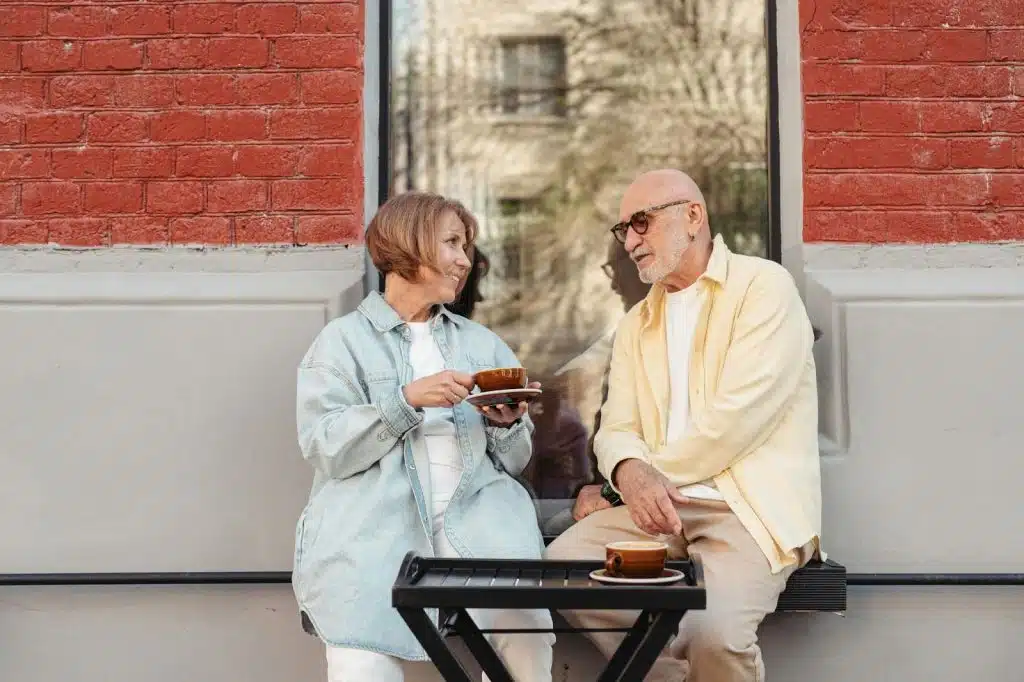
After decades of separate work lives, being home together full-time can feel new again. Strong couples don’t ignore this, they adjust with patience. They set boundaries, balance alone time with shared activities, and communicate needs openly. The adjustment becomes smoother because they face it as a learning curve, not a conflict.
They Update Health Habits Together

Retirement isn’t peaceful without well-being. Strong couples support each other’s health through exercise, mindful eating, and regular checkups. They don’t nag; they model consistency. Wellness becomes a shared commitment, not a chore. Staying healthy together ensures they can enjoy the life they’ve built.
They Align on Spending Styles

Money means emotion, freedom for one, security for another. Strong couples talk about it without ego. They find balance between saving and living, planning and spontaneity. Financial transparency prevents small frustrations from turning into lifelong tension. They understand that unity in spending preserves peace in partnership.
They Build a Shared Routine of Joy
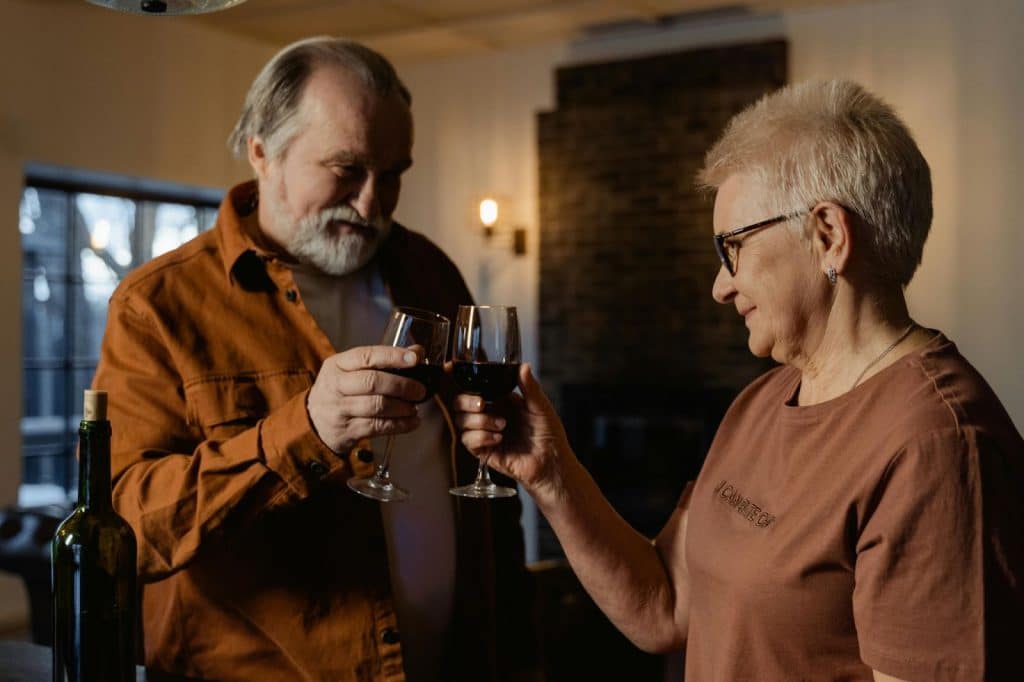
Without the structure of work, small rituals become anchors, morning coffee, evening walks, shared meals. Strong couples build these routines with intention. The joy lies in predictability, not monotony. Their days feel rich not because of grand plans, but because of consistent connection.
They Talk About Where “Home” Really Is

Some dream of moving somewhere quiet; others want to stay near family. Strong couples talk about this before the decision is urgent. They weigh emotional ties as much as cost or climate. Home, to them, is less about geography and more about mutual comfort. Choosing together deepens trust.
They Prepare for Role Shifts
Retirement can change identity, especially if one partner worked longer or harder hours. Strong couples acknowledge that adjustment takes time. They support each other through new roles, whether it’s managing the house, volunteering, or mentoring. Respect fills the gaps left by old routines.
They Keep Learning Together

Growth doesn’t stop when work ends. Strong couples stay curious, taking classes, exploring new skills, or reading side by side. Learning keeps the mind sharp and the bond fresh. It’s not about achievement; it’s about staying alive in spirit. Curiosity becomes their new shared language.
They Plan for Both Togetherness and Solitude

Constant proximity can create friction if not managed with balance. Strong couples intentionally create moments apart, time for reflection, hobbies, or quiet solitude. Absence, even short, restores appreciation. It reminds them that love thrives in both closeness and space.
They Discuss Legacy Beyond Wealth

Their focus shifts from accumulation to contribution. Strong couples talk about what kind of impact they want to leave, through family, mentorship, or community. Legacy becomes about influence, not inheritance. They see fulfillment not in leaving behind money, but meaning.
They Prepare Emotionally for Change

Even good transitions carry grief. Strong couples acknowledge the emotional weight that comes with ending a working chapter. They don’t dismiss sadness or fear, they navigate it together. Emotional preparation makes joy easier to find on the other side. Acceptance becomes the foundation for peace.
They Celebrate What They’ve Built

Before rushing into the next phase, they pause to look back. Reflection reminds them how much they’ve endured and achieved, as partners and as individuals. Gratitude softens the uncertainty ahead. Strong couples celebrate the story they’ve written before beginning the next chapter.
They Protect Connection Above All Else

In the end, the plans, savings, and schedules all mean little without connection. Strong couples know that the way they treat each other day to day defines the quality of retirement. They protect laughter, tenderness, and respect like investments. Love, maintained with intention, becomes their truest form of security.
When Partnership Becomes Legacy

Retirement isn’t about slowing down, it’s about growing differently. Strong couples don’t prepare out of fear; they prepare out of love. They see planning as a way of honoring the life they’ve shared. What makes them strong isn’t that they have it all figured out, it’s that they keep choosing each other, through every season of change.








Ask Me Anything