
Stress isn’t just in your head, it affects your body, energy, sleep, and long term health. For men, chronic stress is linked to heart disease, weight gain, irritability, and burnout. Ignoring it doesn’t make it go away. The key is to catch it early and use healthy habits to manage it. Start with awareness, not avoidance.
Recognize the Early Signs

Before stress knocks you down, it whispers. Watch for trouble sleeping, irritability, fatigue, tension in your shoulders, or a short fuse. These are early alerts that your body is overloaded. Acknowledging these signals gives you a chance to course correct. Don’t wait until it boils over.
Take Control of Your Breathing

Deep, controlled breathing lowers cortisol, the hormone tied to stress. It also slows your heart rate and sharpens focus. Try box breathing: inhale for 4 seconds, hold for 4, exhale for 4, hold again for 4. Do this for just 2 to 3 minutes daily. It’s one of the fastest ways to regain calm.
Move Daily, Even If It’s Just a Walk

Exercise is one of the best natural stress relievers available. Physical activity boosts endorphins and helps you process tension through motion. You don’t need a full workout, just get your body moving. A 20 minute walk clears your head and improves your mood. Make it a non negotiable.
Cut Down the Caffeine Cycle

Too much caffeine spikes anxiety, disrupts sleep, and worsens stress. Many men rely on it to power through fatigue, but it often backfires. Limit yourself to 1 to 2 cups before noon and skip energy drinks altogether. Swap in water, herbal tea, or matcha for more stable energy. Less buzz means less burnout.
Use Cold Showers to Reset

Cold exposure isn’t just a trend, it stimulates your nervous system and builds stress resilience. Cold showers reduce inflammation and increase alertness. Start with 30 seconds at the end of your usual shower and build from there. You’ll feel sharper, calmer, and more in control. It’s discomfort with a payoff.
Journal to Clear Mental Clutter

Putting your thoughts on paper helps untangle what’s bothering you. Journaling doesn’t have to be deep, write three things you’re grateful for or list what’s on your mind. It gives your brain space to breathe and your emotions somewhere to land. Just five minutes a day can bring major clarity. No one else has to read it but you.
Fix Your Sleep to Fix Your Stress

Lack of sleep makes stress harder to manage. It impairs focus, weakens willpower, and amplifies negative emotions. Create a wind down routine: dim the lights, shut down screens, and go to bed at the same time each night. Sleep isn’t lazy, it’s fuel for handling life better. Aim for 7 to 9 hours consistently.
Create Boundaries with Your Time
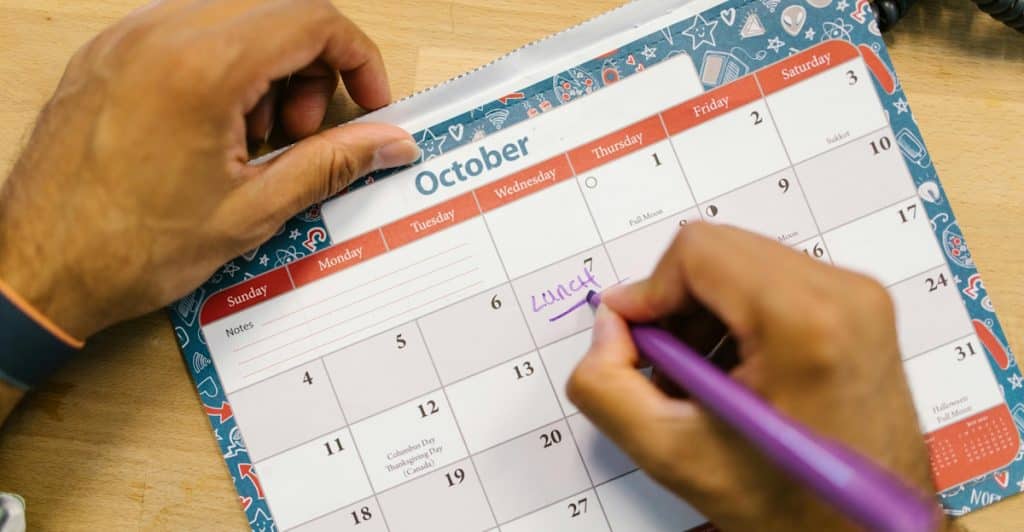
Stress multiplies when your schedule owns you. Start saying no to nonessential commitments. Block time for recovery just like you do for work or workouts. Protecting your time protects your energy. You don’t have to be available 24/7 to be valuable.
Talk to Someone You Trust

Bottling things up doesn’t make you strong, it makes you stuck. Talking with a friend, coach, or therapist releases pressure and offers perspective. You don’t need a crisis to ask for support. Having a space to vent keeps small problems from becoming big ones. Vulnerability isn’t weakness, it’s maintenance.
Break the Doomscrolling Habit

Endless scrolling hijacks your brain and ramps up anxiety. News, arguments, and unrealistic images all drain mental energy. Set app limits or use a digital detox hour daily. Replace screen time with books, music, or a walk. Less input means more inner peace.
Try Mindfulness Without Overcomplicating It

You don’t need to sit cross legged or chant. Mindfulness is simply focusing on the present without judgment. Try five slow breaths while brushing your teeth or noticing the sounds on your commute. These micro moments of presence can lower stress throughout the day. Start small and build consistency.
Eat to Support a Calm Brain

Your food choices directly impact mood and stress levels. Fuel up on omega 3s (like salmon), magnesium (like spinach), and complex carbs (like oats or quinoa). Avoid sugar spikes, they create mood crashes. Nourishing your brain is a key part of managing your emotions. You can’t out think a poor diet.
Redefine Recovery as Productive

Resting isn’t quitting. It’s how you come back stronger. Take an hour to yourself, cancel that extra commitment, or take a nap when you’re exhausted. High performance requires high recovery. The goal isn’t to avoid stress, it’s to bounce back faster.
Stress Will Visit Don’t Let It Stay

Stress is part of life, but it doesn’t have to run your life. Learn to spot it, respond early, and use these habits to stay grounded. Healthy routines make you resilient, not reactive. The stronger your habits, the lighter your mental load. You can’t always control what happens but you can control how you handle it.








Ask Me Anything