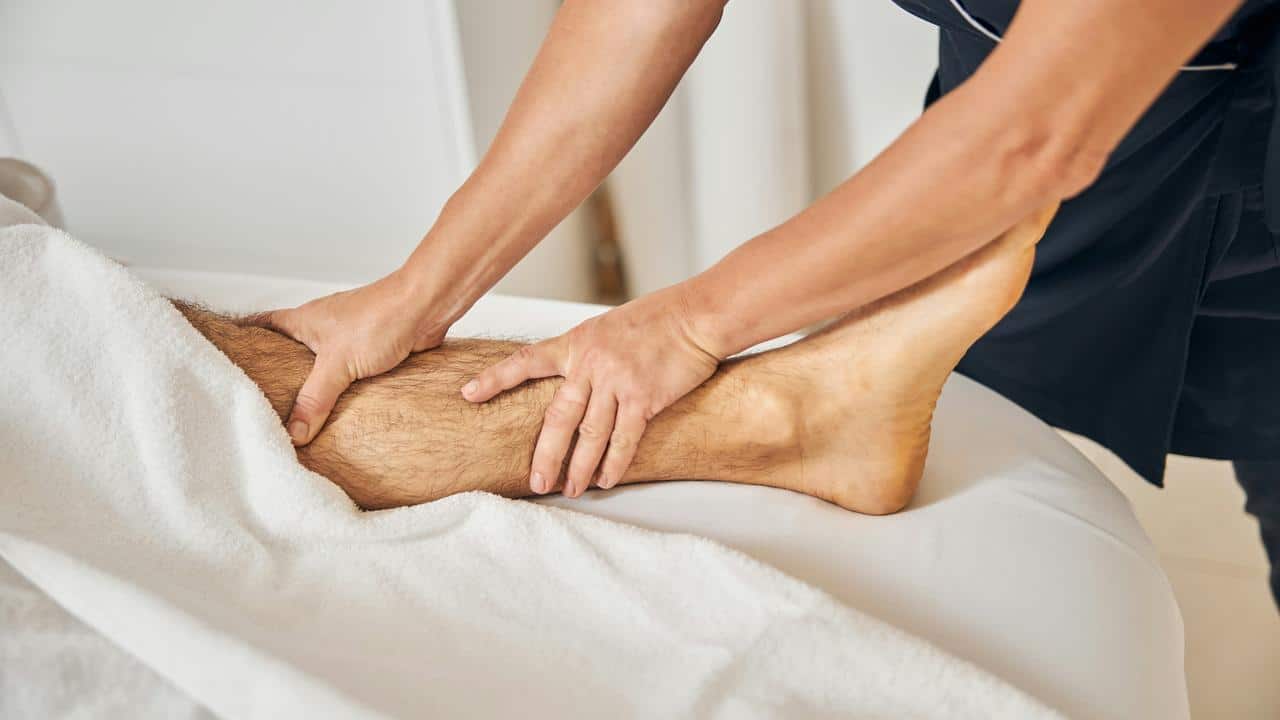
Your joints take a beating from your daily grind, even if your “grind” is mostly scrolling on the couch. Meanwhile, the density of your bones decreases with each passing day. While you may feel “alright” for now, that feeling will change quickly as you age.
These tips are about building habits now that your future self will thank you for. Here are 17 practical and surprisingly easy ways to keep your joints and bones working like they should.
1. Eat more leafy greens

Leafy greens are loaded with calcium, vitamin K, and antioxidants that your bones absolutely love. Think spinach, kale, or collard greens as examples that really pull their weight in the bone health department.
Even if you’re not big on salads, tossing a handful of greens into eggs or blending them into smoothies can make a difference. Your joints will also thank you since leafy greens help keep inflammation under control.
2. Add more protein to your plate

Protein is an important building block for bones and cartilage. Without enough protein, your bones get weaker and your joints lose support to function properly.
Mix it up with chicken, fish, beans, eggs, or nuts. Each meal’s a chance to give your muscles and bones the reinforcements they need to keep you moving.
3. Lift weights regularly
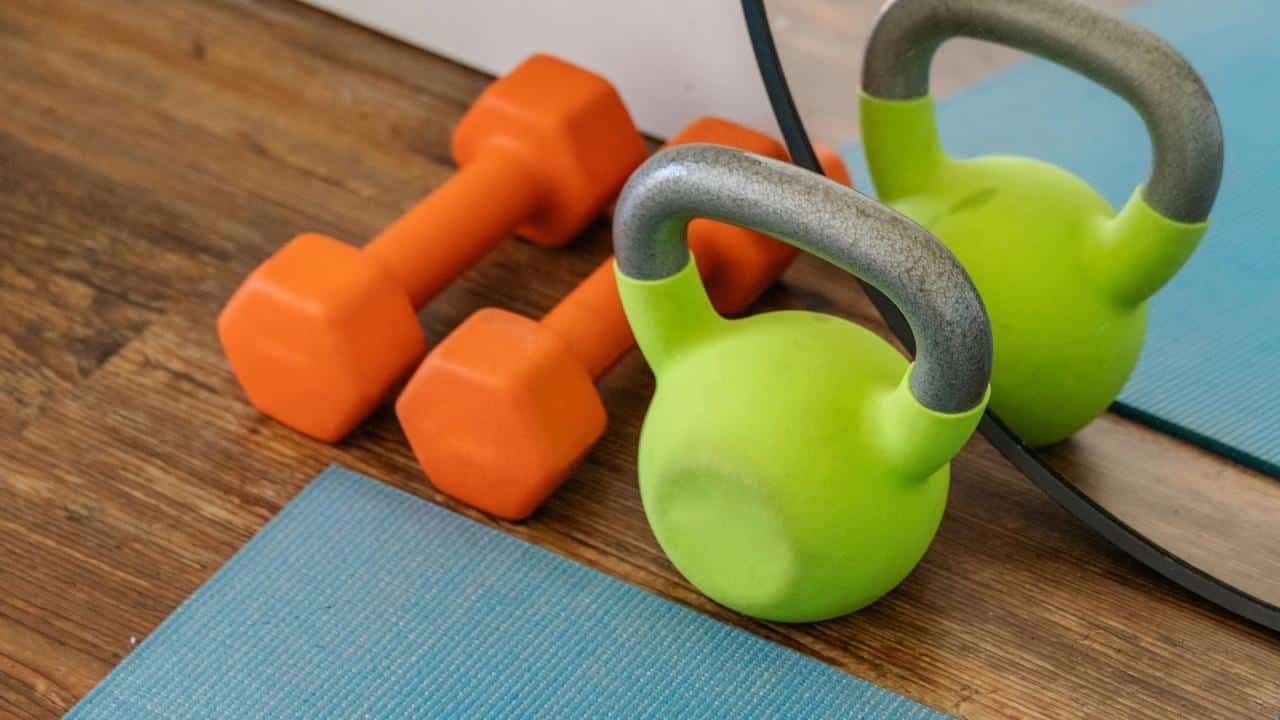
Strength training puts healthy stress on bones, which encourages them to get denser and stronger. This matters even more as you get older and bone density naturally starts dropping.
Even short, consistent sessions with dumbbells or resistance bands can do wonders for both bone health and joint stability.
4. Get enough vitamin D

Vitamin D helps your body absorb calcium. Without it, even the most calcium-packed diet won’t work as well. Sunlight’s one of the easiest ways to get it, but food and supplements can help fill the gap.
Fatty fish, eggs, and fortified foods are great options. Try combining these with safe sunlight exposure for a double win.
5. Stretch before and after workouts

Stretching helps keep flexibility and range of motion, which means less stress on joints when you move. Skipping it can make muscles tighten up and pull on your joints in uncomfortable ways.
Keep it simple with just a few minutes before and after the activity to keep things looser and more comfortable.
6. Maintain a healthy weight
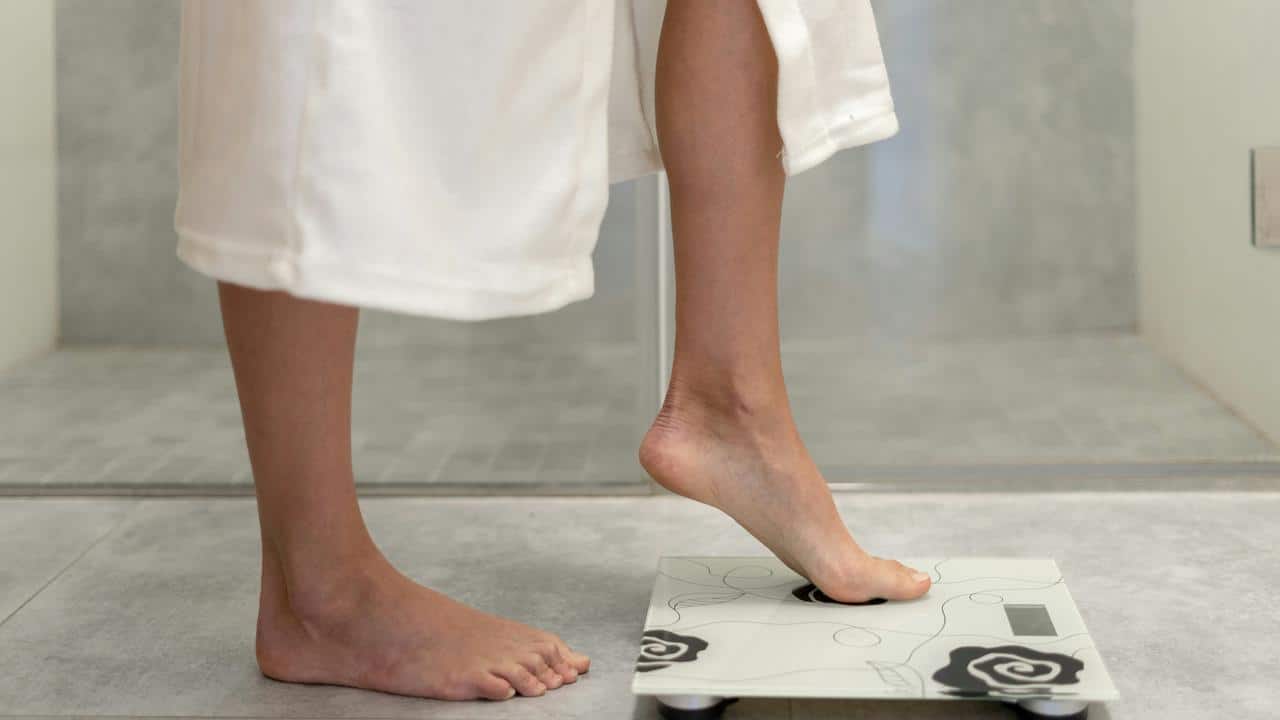
Extra weight can put more strain on your joints, especially the knees and hips. That added pressure can speed up wear and tear.
By keeping a steady weight, you help your joints handle everyday movements more easily. Even a small change can make a big difference over time.
7. Stay hydrated

Cartilage, the cushioning between bones, is made mostly of water. If you’re dehydrated, you can lose some of your bounce and make your joints feel stiff.
Drinking enough water throughout the day keeps everything gliding smoothly. It’s a simple habit with huge benefits for joint comfort.
8. Add more omega-3 fatty acids

Omega-3s help cut down joint inflammation and might even protect against bone loss. Fish like salmon and sardines are top sources, but flaxseeds and walnuts work too.
They’re like oil for your joints that helps keep them lubricated and functioning properly.
9. Focus on posture

Poor posture can mess with how your joints line up, leading to aches in the neck, shoulders, and back. Over time, it can even affect bone health.
Make a habit of checking your posture while sitting, standing, or walking. A few tweaks here and there can prevent long-term strain.
10. Include balance exercises

Better balance means fewer falls, and fewer falls mean less risk of fractures. Activities like yoga or simple one-leg stands can boost stability and coordination.
Your bones stay intact longer when you’re less likely to take unexpected spills.
11. Snack on nuts and seeds
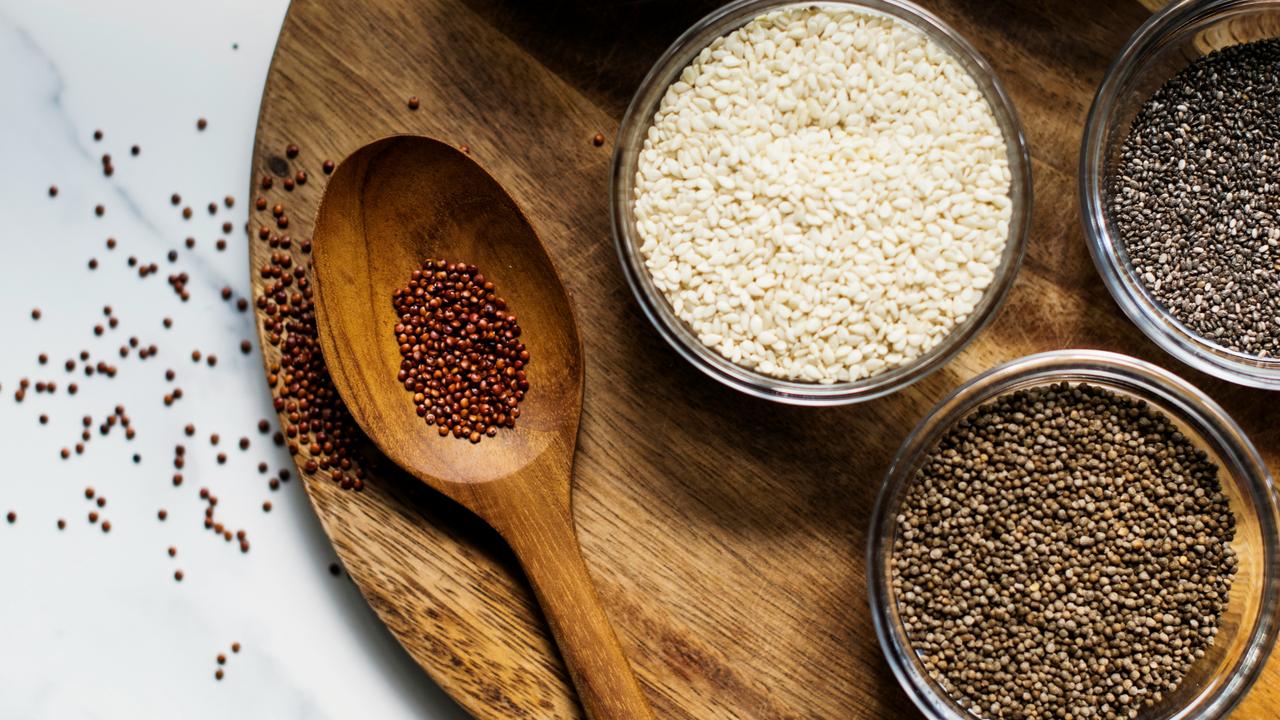
Nuts and seeds are packed with healthy fats, protein, and minerals like magnesium. All of these are crucial for strong bones and healthy joints.
A small handful a day is enough to give your body an easy, nutrient-rich boost. You can even add them as toppings to your cereals and yogurts for that extra crunch.
12. Avoid sitting for long periods

Long hours in one position can stiffen joints and slow blood flow to the muscles and bones. That stiffness often creeps up when you stand.
Taking short breaks to move around keeps your joints lubricated and bones active.
13. Add more dairy or alternatives

Dairy products are one of the most well-known sources of calcium. If you’re not into dairy, fortified plant milks or yogurt alternatives can still get the job done.
Strong bones need a steady supply of calcium, so work it into your day however you like.
14. Sleep well every night

Deep sleep’s when your body repairs itself, including bones and joints. Without enough rest, your body misses out on that nightly maintenance.
Aim for a consistent schedule and a comfortable sleeping setup. Your joints will feel better in the morning.
15. Walk daily

Walking is low-impact and weight-bearing, which makes it great for bone and joint health. It also helps keep blood flowing to all the right places.
Even a brisk 20-minute walk can support stronger bones and looser joints over time.
16. Add high-calcium vegetables

Broccoli, bok choy, and Brussels sprouts are surprisingly good sources of calcium. They’re a great way to change things up from the usual dairy route.
Toss them into stir-fries, roast them, or steam them. Just get them on your plate regularly.
17. Listen to your body

Your body often gives little hints before something becomes a problem. A slight ache after a workout or stiffness in the morning might mean you need to adjust.
Paying attention early can prevent bigger issues and keep your joints and bones strong for years to come.








Ask Me Anything