
Double standards often exist quietly in relationships, rarely called out but deeply felt. Men notice them, even if they don’t always speak up. These patterns aren’t about blame, but about imbalance that affects respect and connection. Many seem small in isolation but add up over time. Here are 18 double standards men see in marriage and relationships, and why they matter more than most realize.
Her Jealousy = Care, His Jealousy = Insecurity

When a woman shows jealousy, it’s often framed as concern or passion. When a man does, it’s seen as insecurity or control. The same emotion receives two different judgments. Men notice this unequal framing and learn to suppress feelings. But suppressed emotions don’t build trust; they build walls.
She Can Share Flaws, He’s Told to “Man Up”

Women are often encouraged to speak openly about struggles. Men, however, are frequently told to toughen up or hide weakness. This creates pressure to present a perfect exterior. Over time, vulnerability disappears, and with it, connection. Men need space to be human too.
Her Emotions Are Sensitivity, His Are Instability

When women express emotion, it’s seen as depth. When men do, it’s labeled unstable or unpredictable. This unequal view discourages men from speaking honestly about feelings. Silence becomes safer than openness. But a relationship without shared emotion weakens quietly.
She Can Ask for Romance, He’s Seen as Needy

A wife asking for flowers, dates, or attention is considered natural. A husband asking for the same is sometimes called clingy. This double standard undervalues men’s need for romance. Love isn’t one-directional, it requires effort on both sides. Men notice when their needs are dismissed.
Her Sacrifices Admired, His Expected
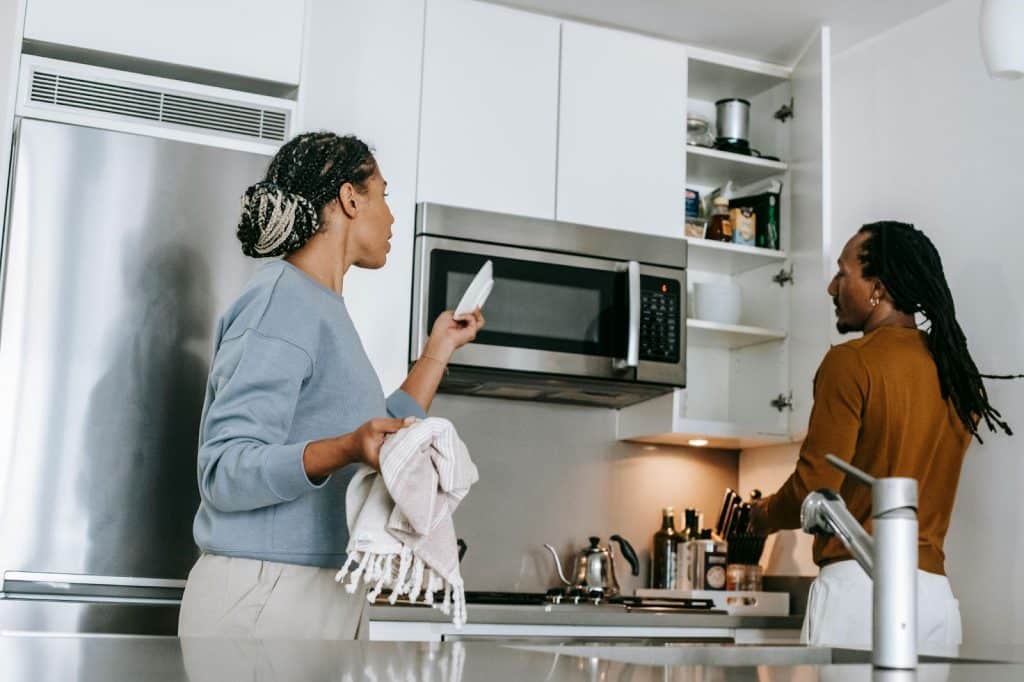
When women give up things for their family, it’s praised. When men do the same, it’s treated as an obligation. Sacrifice without recognition feels invisible. Over time, men stop seeing value in giving more. Respect grows when sacrifices are acknowledged equally.
Her Mistakes Forgiven, His Remembered

Women’s mistakes are often brushed off as human. Men’s mistakes can linger as permanent labels. This creates resentment when apologies don’t restore balance. Forgiveness should be shared, not selective. Men notice when errors define them longer.
Her Time Alone = Self-Care, His = Withdrawal

Women taking time for themselves is seen as healthy. Men doing the same is sometimes criticized as avoidance. Both partners need space to recharge. Without equal respect for downtime, resentment grows. Rest is human, not gendered.
Her Weight Concerns Reassured, His Laughed Off

When women worry about appearance, reassurance is quick to follow. When men do, it’s often met with jokes. This sends the message that men’s insecurities don’t matter. Over time, it discourages openness. Respect grows when all concerns are met with care.
Her Social Media Posts = Romantic, His = Performative

When women post about love online, it’s celebrated. When men do, it can be mocked as fake or performative. This discourages men from public expressions of love. Affection shouldn’t be judged by gender. Men notice when their efforts are diminished.
Her Canceled Plans = Overwhelmed, His = Unreliable

When women cancel, it’s explained as exhaustion or overwhelm. When men cancel, it’s seen as carelessness. The same act is interpreted through very different lenses. Over time, this erodes fairness. Life happens to both sides, judgment shouldn’t be uneven.
Her Friendships Prioritized, His Dismissed

Women’s friendships are encouraged, while men’s are treated as secondary. This minimizes the importance of male bonds. Men need camaraderie just as much as women do. Friendships bring balance and perspective. Dismissing them leaves men quietly isolated.
Her Venting Normal, His Oversharing

When women vent to friends, it’s called healthy communication. When men do, it’s labeled disloyalty or oversharing. This forces men to bottle up frustrations. But silence doesn’t resolve, it builds resentment. Support should be mutual, not one-sided.
She Can Question Spending, He’s Controlling If He Does

Financial conversations often play out unequally. Women asking about money are seen as smart; men asking are seen as controlling. This discourages men from being transparent about concerns. Money requires teamwork, not suspicion. Double standards here create financial tension.
Her Boundaries Respected, His Viewed with Suspicion

A woman wanting privacy is seen as healthy. A man asking for space is treated as secrecy. Men notice when their boundaries are doubted. Respect means trusting both sides equally. Privacy should be protection, not proof of guilt.
She Gets Credit for Multitasking, He’s Just Doing Basics
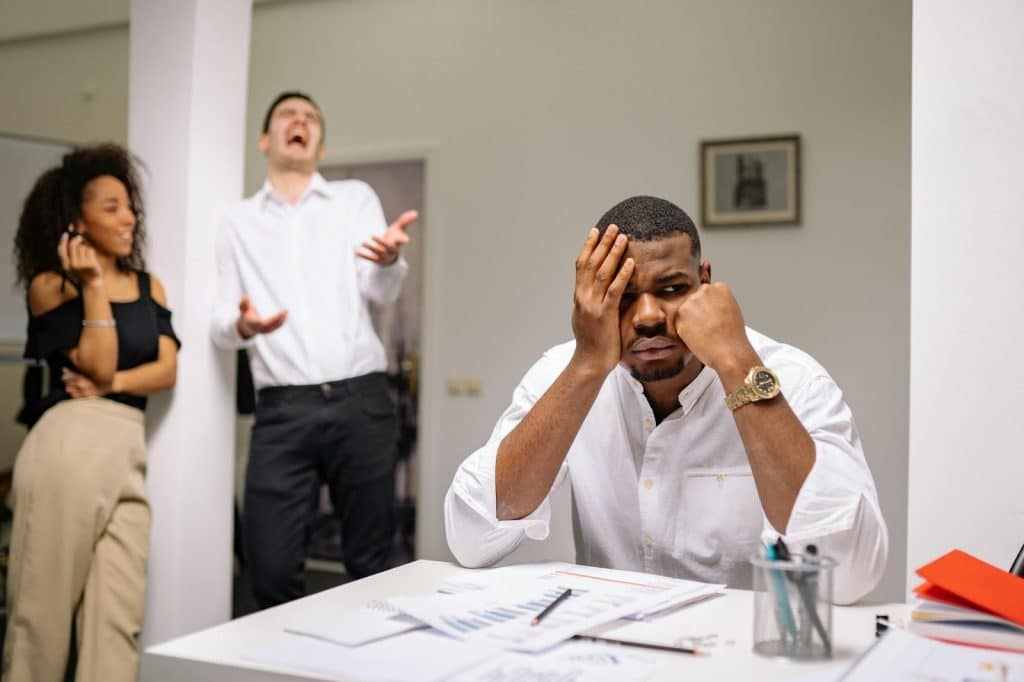
When women multitask, it’s celebrated. When men do, it’s brushed off as simply “helping out.” This downplays men’s efforts at home. Recognition should match the task, not the gender. Equal work deserves equal respect.
Her Speaking Up = Empowered, His = Confrontational

When women assert themselves, it’s praised. When men do, it can be called aggressive. This discourages men from voicing opinions. Respect grows when both partners’ voices are welcomed equally. Power shouldn’t be judged by tone alone.
Her Needing Help = Strength, His = Weakness

Women asking for help is seen as wisdom. Men asking for help are framed as weakness. This prevents men from seeking needed support. Strength lies in knowing limits, not in denial. Respect grows when vulnerability is valued on both sides.
Her Choices Supported, His Scrutinized

Women’s decisions are often encouraged, even if unconventional. Men’s choices, however, can be second-guessed. This creates quiet frustration over autonomy. Trust requires equal confidence in both partners. Doubt applied unevenly erodes respect.
Conclusion

Double standards don’t always announce themselves, but they shape how men experience love and respect. These 18 patterns are small on the surface yet significant in impact. Men notice them, even when silence hides frustration. Marriage thrives on fairness, not uneven rules. The strongest relationships are built when respect is applied equally on both sides.








Ask Me Anything