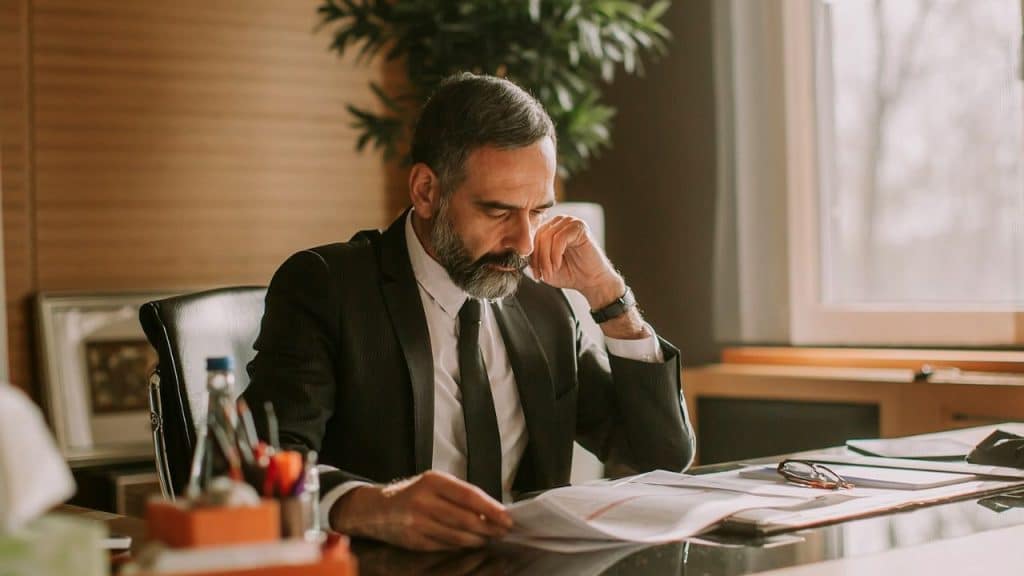
Western culture lionizes the stoic, uncomplaining man – tough, self-reliant, and quietly enduring any hardship. Men hear from a young age that real men don’t cry or complain. This praise for strength often means men bottle up pain and stress. Boys are often rewarded for being stoic and not showing tears, receiving messages that talking about emotions is a sign of weakness. Over time, this creates a cultural blueprint that portrays men as people who simply shouldn’t have feelings, reinforcing the idea that vulnerability should never be seen.
Stoicism as a Badge of Manhood
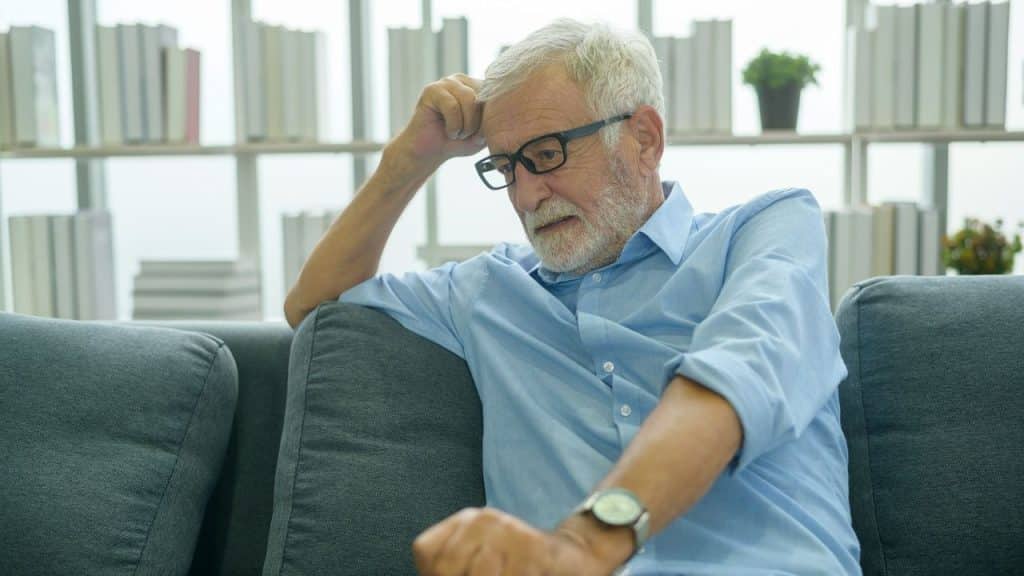
Guys grow up learning that endurance is a virtue. The cultural rule teaches men not to show weakness or admit when something is wrong, rewarding those who remain stoic and avoidant about the things affecting them. While women often receive sympathy when they are upset, men are typically expected to absorb hardship quietly and simply deal with it. In practice, this pressure pushes many men to shrug off their own pain in order to fit the ideal of the unshakable provider or protector.
Vulnerability Triggering Shame
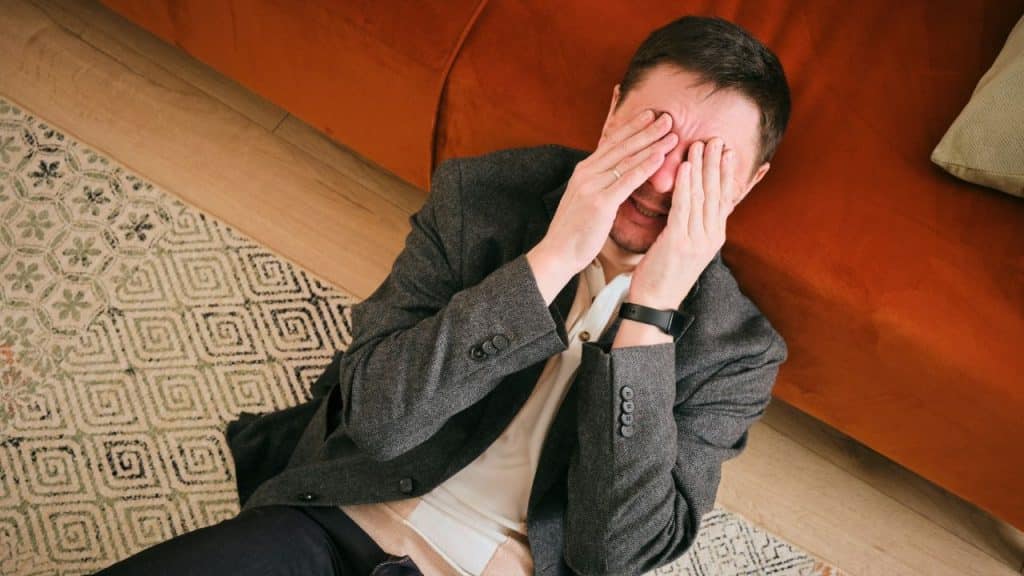
Confiding struggles can backfire for many men. When a man admits that he is afraid or needs help, it often comes with the internal belief that asking for help makes him weak. This ingrained voice of shame discourages men from opening up about their struggles. Instead of simply dealing with anxiety or stress, many men feel that experiencing these struggles somehow makes them less of a man, compounding shame onto the original problem. As a result, genuine emotions such as fear, sadness, or emotional pain are often labeled as weakness, even by friends or peers who may not realize the harm this causes.
Help-Seeking Seen as Not a Man’s Role

For many men, asking for therapy, counseling, or emotional support still feels taboo. Even when they acknowledge mental strain, the response is often to shrug it off and claim everything is fine. The underlying message many men receive is that if they are struggling, they are expected to deal with it on their own. Support systems and public conversations about mental health often focus more heavily on women, which reinforces the idea that emotional struggles are not something men are supposed to talk about openly.
Double Standards in Empathy
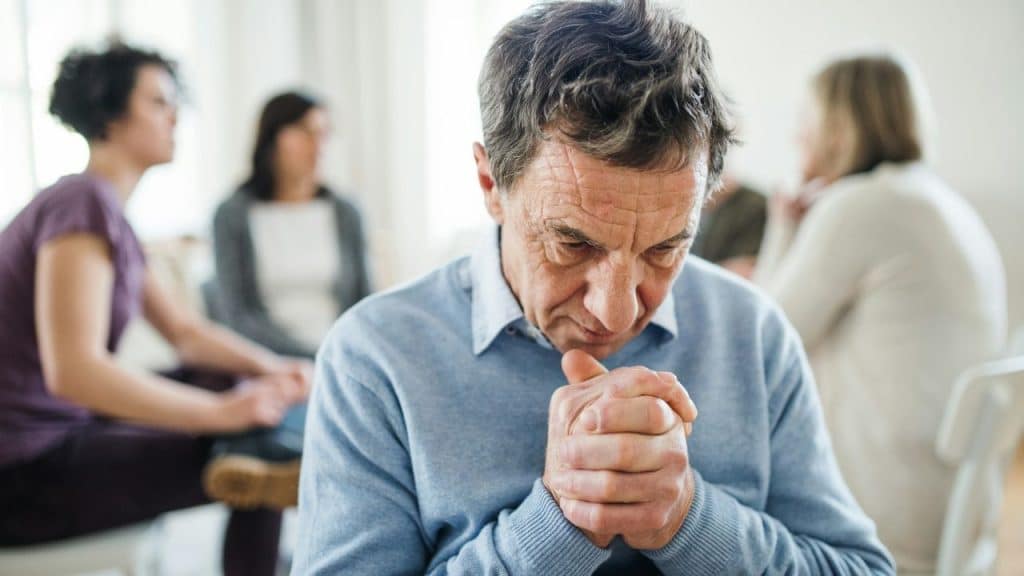
A noticeable double standard exists in how emotional pain is treated. When girls or women cry or express distress, the response is often comfort and support. Boys and men, however, are frequently told to toughen up and move on. Experiences such as bullying, harassment, or emotional abuse are often taken less seriously when men describe them. This dynamic teaches many men early in life that emotional wounds are something they should hide rather than seek help for.
Lack of Safe Outlets
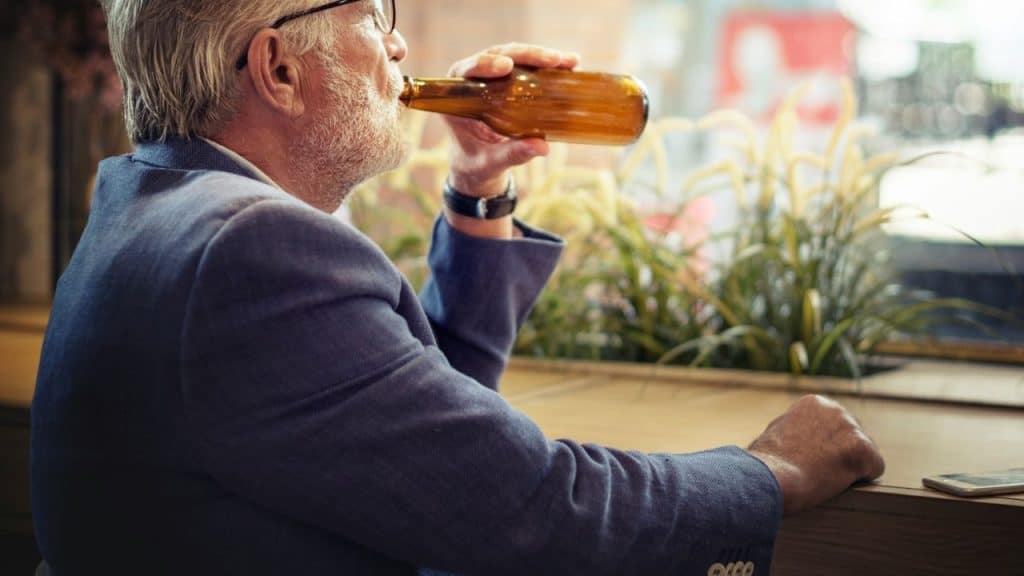
Many men feel they lack safe spaces where they can openly talk about emotional struggles. While women often maintain strong social networks that encourage sharing feelings, men tend to have fewer outlets for vulnerability. Fear of judgment, ridicule, or appearing weak discourages many men from confiding in friends, partners, or counselors. Even social spaces like sports teams or hobby groups often reinforce the idea that emotions should be pushed aside rather than explored.
Midlife Crisis and Burnout

Many professionals in their thirties, forties, and fifties quietly experience feelings of numbness or loss of purpose. Despite having stable careers, families, or outward success, some men find themselves feeling emotionally detached or unfulfilled. Burnout from long work hours and constant responsibility can lead to a sense of operating on autopilot. Society often expects men to appear unaffected by pressure, which makes it harder for them to admit when the weight of those responsibilities is becoming overwhelming.
Pressure to Provide and Protect
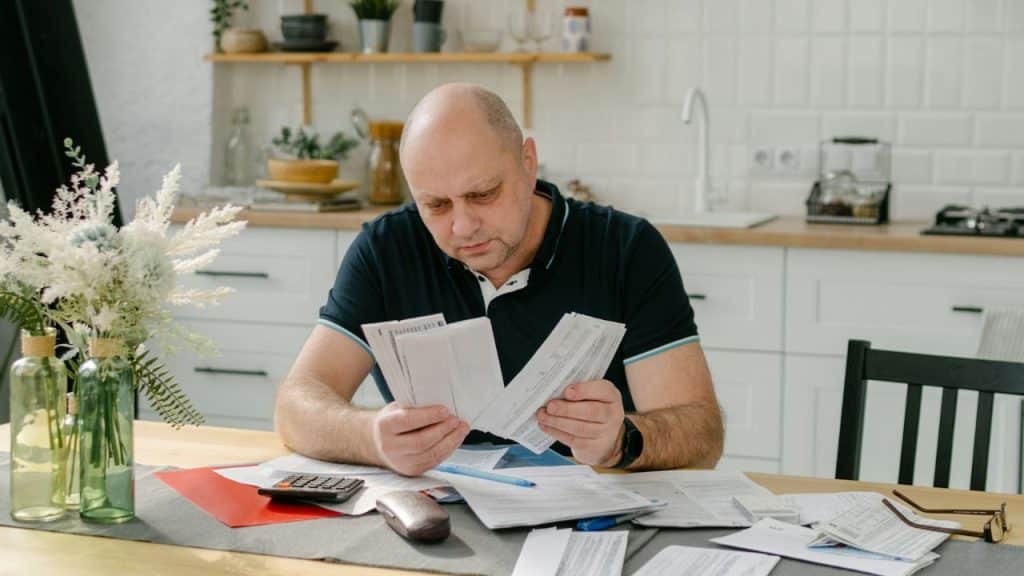
A recurring pressure many men feel is the responsibility to provide and protect. Working long hours to support families and meet financial expectations can place enormous weight on men’s shoulders. Cultural expectations reinforce the image of men as providers, protectors, and laborers who carry burdens without complaint. When the pressure becomes overwhelming, the expectation of stoicism often prevents men from acknowledging the strain or asking for help.
Mental Health Stigma and Silent Suffering
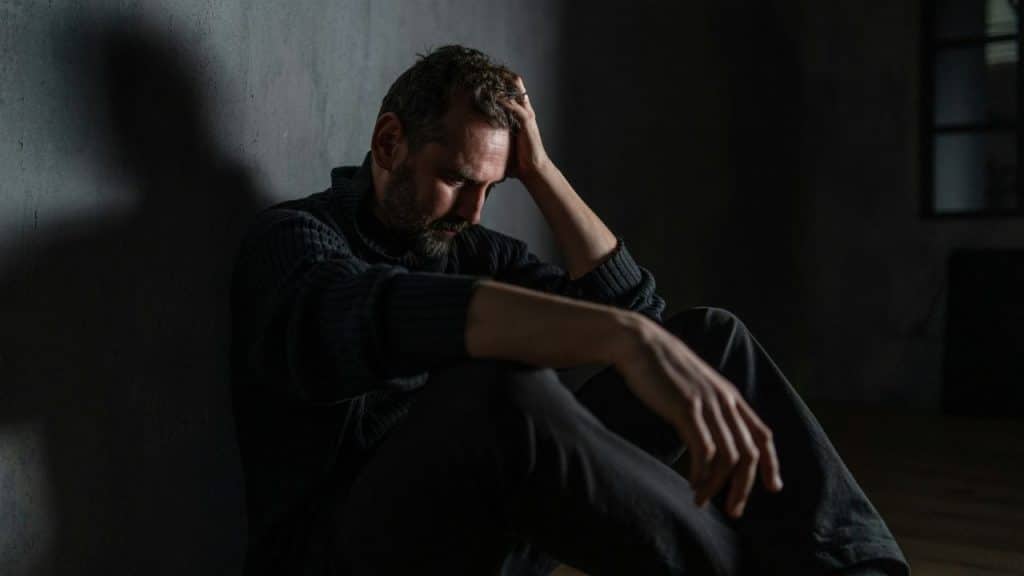
The hidden cost of emotional suppression can be severe. Men experience significantly higher suicide rates than women, and many of these struggles happen in silence. When men believe they must handle problems alone, they often wait until their situation becomes unbearable before seeking help. Chronic suppression of emotions can deepen depression and anxiety, while shame prevents many men from reaching out before they reach a breaking point.
Girls Cry, Boys “Man Up”
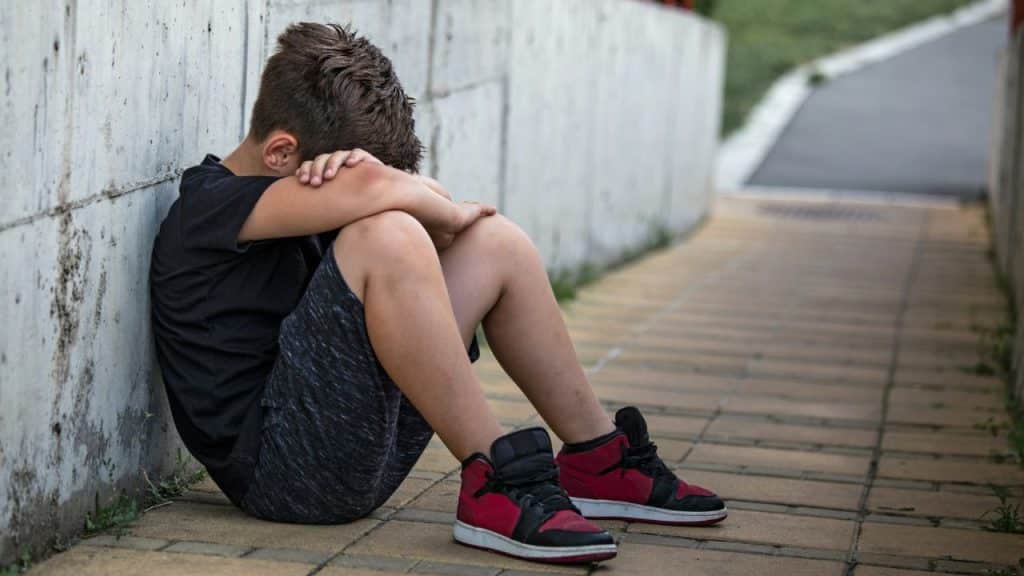
From childhood, boys often receive harsher messages about emotional expression. Girls are generally encouraged to share feelings and seek connection, while boys are rewarded for staying tough and not showing tears. This pattern teaches boys to hide pain, especially in environments like sports or competitive settings where vulnerability can invite ridicule. These early experiences reinforce the belief that strong men should not need comfort.
Invalidation from Partners

Even within relationships, some men feel their emotional struggles are not taken seriously. While vulnerability is often encouraged in theory, men sometimes experience negative reactions when they express deep fears or insecurities. This creates mixed signals, where men are told to open up but feel punished when they do. Over time, these experiences can lead men to retreat emotionally and avoid sharing personal struggles with their partners.
Numbing and Distraction as Coping
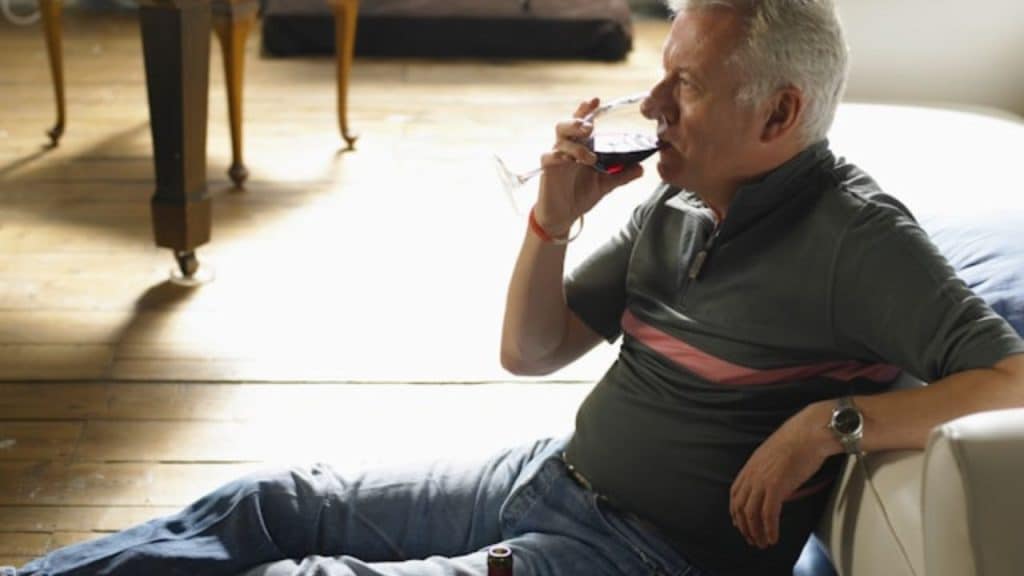
Without healthy outlets for emotional expression, many men turn to distraction to cope. Throwing themselves into work, entertainment, hobbies, or constant activity can temporarily mask deeper issues. While these distractions provide short-term relief, they rarely address the underlying emotional strain. In more extreme cases, men may turn to alcohol, substance use, or risky behavior as a way to escape emotional numbness or pressure.
Creative Outlets and Safe Spaces Needed

Healthy emotional outlets can make a significant difference for men dealing with stress and isolation. Activities that allow creativity, expression, or reflection can provide productive ways to process emotions. Supportive environments—such as peer groups, mentorship networks, or counseling—can give men a space where vulnerability is accepted rather than judged. However, such spaces are still relatively uncommon, and many men continue to receive the message that they should simply push through their struggles.
Breaking the Cycle

Despite these challenges, conversations about men’s emotional well-being are slowly expanding. Some men are beginning to encourage younger generations to see emotional openness as a form of strength rather than weakness. Parents, mentors, and communities can play a role by showing boys that expressing feelings and asking for help are normal parts of being human. Until society consistently acknowledges men’s emotional struggles and provides real support, many men will continue to carry their burdens quietly and alone.








Ask Me Anything