
Long-term relationships often drift out of balance gradually, not through dramatic moments but through subtle shifts that go unnoticed. Daily routines settle into patterns, and certain responsibilities or emotional roles begin to fall more heavily on one partner. These imbalances rarely start as intentional choices; they form from convenience, habit, or exhaustion. Over time, both partners adjust to these unspoken roles without realizing how uneven things have become. What once felt like teamwork may slowly start resembling two people carrying different loads. These small shifts shape the emotional climate long before anyone names them. This introduction sets the stage for recognizing how equality fades in quiet, familiar ways.
When One Partner Becomes the Planner

The responsibility of organizing schedules, appointments, and family logistics often slowly shifts onto one partner. Planning becomes an unspoken expectation rather than a shared task. Even small decisions, like managing social commitments or remembering key dates, begin to fall on that same person. This creates a subtle imbalance where one carries the mental load while the other simply participates. Over time, this difference shapes how connected or supported the relationship feels. What starts as efficiency becomes emotional labor if it remains one-sided. The imbalance forms not from intent, but from habit.
When Apologies Become Uneven

In many long-term relationships, the same partner becomes the one who repairs small tensions first. They are quicker to say sorry, even when the situation is mutual or unclear. This builds a dynamic where emotional responsibility feels heavier for one person than the other. Over time, being a consistent peacemaker can feel less like cooperation and more like obligation. The imbalance doesn’t come from conflict but from the expectation to mend it. It reinforces who is responsible for keeping the peace. This pattern shapes the emotional landscape without anyone discussing it.
When One Person Manages Both Reassurance and Repair

Providing reassurance after arguments, misunderstandings, or stressful periods can fall into a predictable pattern. One partner ends up soothing fears, calming tensions, and restoring closeness. While these actions are valuable, they can become exhausting when not shared. Emotional repair becomes their role by default rather than choice. This dynamic often goes unnoticed because the relationship continues functioning smoothly. Yet the emotional effort required grows heavier over time. Small actions accumulate into a significant load.
When One Partner Holds the Hard Conversations

Discussions about finances, boundaries, expectations, or future plans often rely on one partner taking initiative. They become the one who addresses issues before they grow. The role isn’t inherently negative, but carrying the emotional responsibility for tough dialogues impacts the sense of partnership. Over time, this pattern can create quiet resentment or fatigue. The other partner may not realize they’ve stepped back emotionally. The balance shifts simply because one person consistently steps forward.
When One Partner Always Initiates Connection

Emotional closeness requires consistent effort, yet one partner may become the sole initiator of affection, conversations, or quality time. This leads to a subtle imbalance where one person feels responsible for maintaining the bond. The lack of reciprocity isn’t necessarily intentional; routines and comfort often play a role. Over time, the effort feels one-directional even if the relationship still functions. This pattern shapes how valued or desired each partner feels. Connection thrives on mutual action, not just habitual roles.
When One Person Adjusts Their Needs More Often

In long marriages, one partner often learns to minimize or delay their needs for the sake of harmony. They become flexible while the other remains steady in their preferences. This imbalance starts small, choosing restaurants, adjusting routines, or handling disruptions, but grows over the years. The partner who yields more frequently carries unspoken emotional weight. Over time, this quiet self-sacrifice shapes the relationship’s sense of fairness. Equality fades not from conflict but from repeated concessions.
When Compromises Lean in One Direction

Compromise is essential, yet patterns form when one partner’s comfort consistently takes priority. The imbalance may not be obvious because the relationship still feels stable. However, repeated one-sided concessions slowly shift emotional dynamics. The partner who gives more may begin to feel unnoticed, while the other becomes accustomed to ease. These patterns rarely come from selfishness; they come from unexamined comfort. Over time, the relationship feels less like a partnership and more like an adaptation.
When Household Rhythms Shift Unevenly

Chores, routines, and daily responsibilities often fall into predictable roles. Even when both partners contribute, the distribution may not reflect equal effort. Small daily tasks, cleaning, organizing, meal planning, or managing schedules, accumulate into substantial work. The partner taking on more may not vocalize the imbalance, assuming it’s simply their role. The other partner may interpret stability as fairness. Over time, the uneven rhythm shapes the emotional energy each partner brings into the relationship.
When Help Starts Feeling Like an Expectation

Acts of help often shift from being appreciated to being assumed. This transition happens slowly as routines develop. What once felt thoughtful becomes something that “should” be done without acknowledgment. Over time, the lack of appreciation impacts motivation and emotional closeness. The partner contributing more may feel invisible, even while the relationship appears functional. This pattern changes how both partners interpret effort and value.
When Gratitude Fades Before Effort Does

Long-term familiarity sometimes leads to declining verbal appreciation. Efforts continue, but recognition becomes scarce. The partner who once heard “thank you” frequently may now feel taken for granted. The absence of gratitude doesn’t always reflect lack of love, it reflects comfort. Yet comfort can unintentionally breed emotional neglect. Over years, this shift alters how equal the relationship feels.
When Emotional Availability Isn’t Reciprocated

One partner may consistently offer emotional support while receiving significantly less of it in return. This creates an imbalance where one becomes the listener, the comforter, or the stabilizing force. Even if both partners care deeply, the emotional reciprocity doesn’t match. Over time, the supportive partner may feel drained without knowing why. This imbalance shapes the relationship’s emotional structure. Equality fades quietly, behind seemingly normal interactions.
When Support Isn’t Returned Equally

Support during stressful periods may become uneven as one partner steps up more often. The imbalance isn’t intentional, it may simply reflect who notices needs or reacts faster. Yet over time, the partner offering more begins to feel the weight. The other partner may not realize the difference because things continue functioning. Emotional support becomes one-sided without acknowledgment. This shift affects how safe or held the relationship feels.
When One Partner Sacrifices More Personal Time

Caregiving, responsibilities, or emotional management may cause one partner to give up hobbies or downtime more often. These sacrifices accumulate over the years without explicit discussion. The imbalance becomes part of the relationship’s rhythm. The other partner may assume things are fine because everything keeps running smoothly. But the sacrificed time creates emotional fatigue. The relationship feels less equal even if the intentions remain caring.
When Stress Responses Don’t Match Effort

One partner may react more intensely to stress, requiring the other to stabilize emotions regularly. This shifts the emotional load significantly. The calmer partner becomes the consistent anchor, even at personal cost. Over time, this dynamic creates an uneven emotional landscape. The relationship depends on one person’s steadiness more than the other’s contribution. This imbalance forms quietly, without deliberate choice.
When Fatigue Dictates Who Shows Up
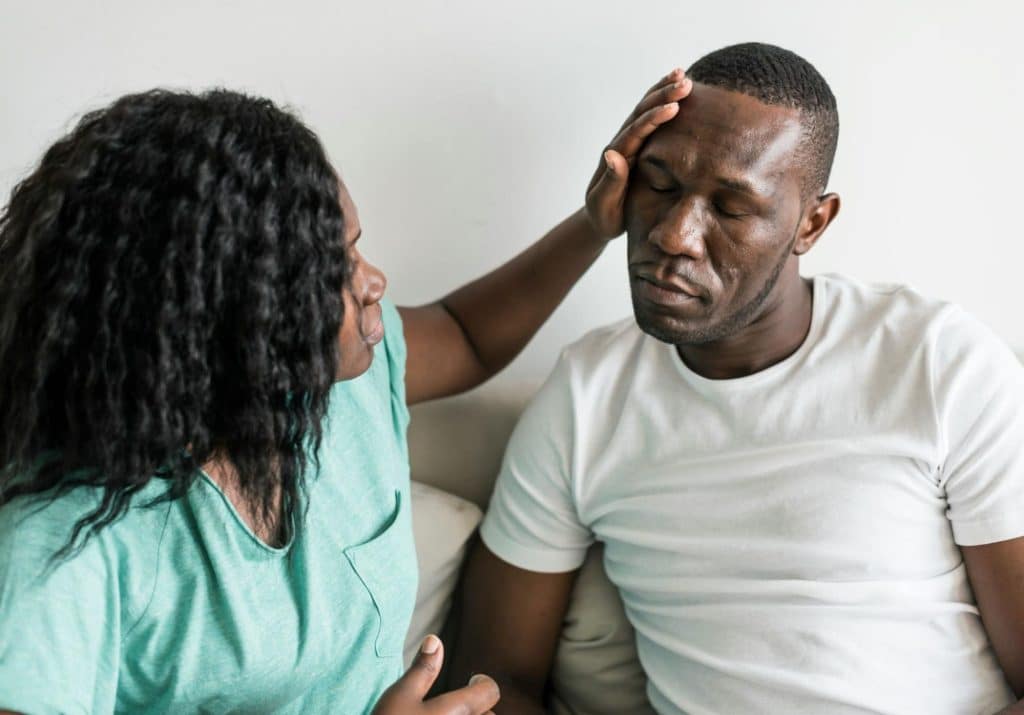
Daily exhaustion may lead one partner to withdraw more often, leaving the other to maintain routines or emotional stability. The imbalance begins as practicality but becomes a long-term pattern. The partner showing up more frequently begins to shoulder a larger share of the relationship’s functioning. The other may not realize how much is being carried on their behalf. Fatigue becomes an unspoken factor in relational equality. The imbalance grows each year.
When the Relationship Becomes “Two Speeds”

Partners often develop different emotional or logistical paces as they age. One moves quickly through tasks or decisions, while the other takes more time to process. These differences can shift responsibilities unintentionally. The faster-moving partner may take over decisions simply because it’s easier. Over time, this creates a subtle hierarchy rather than a balanced partnership. The relationship’s equality shifts with these small differences in rhythm.
Conclusion – Equality Doesn’t Disappear Overnight

Long-term relationships rarely become unequal through deliberate choices. Instead, small habits, assumptions, and unspoken adjustments gradually shape the balance between partners. These patterns form in the quiet moments, through routines, emotional roles, and daily actions that feel normal. Recognizing them isn’t about blame but awareness. Equality can be restored when both partners notice how the load has shifted and choose to rebalance it together. Understanding these subtle signs helps preserve connection, fairness, and long-term emotional health.








Ask Me Anything