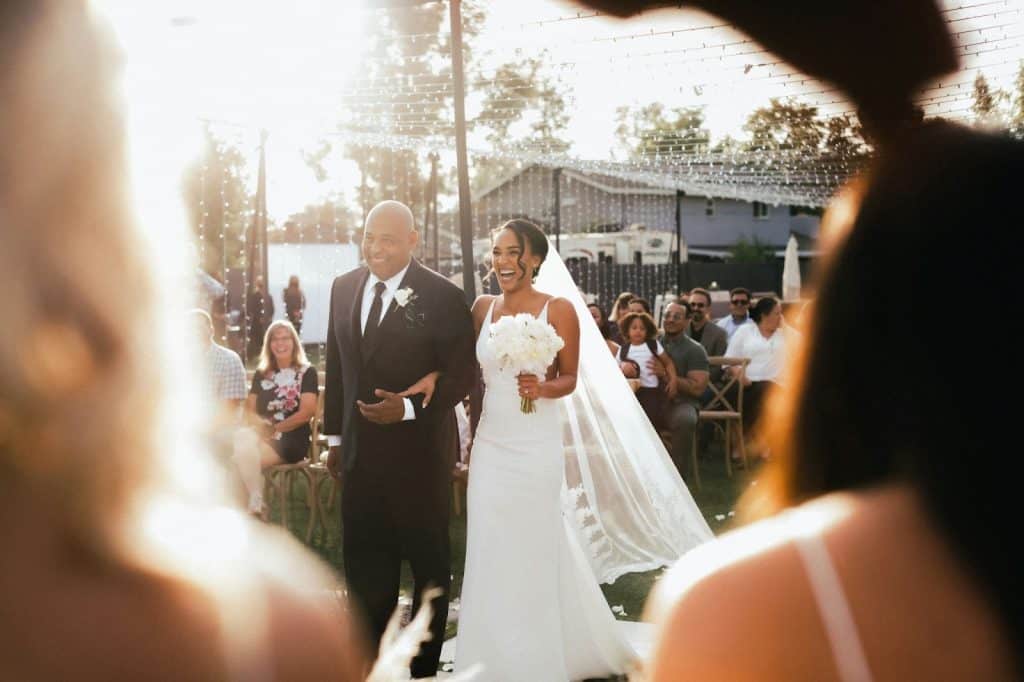
Marriage isn’t strengthened only by grand romantic gestures, it’s built on the quiet, everyday choices partners make for each other. These sacrifices often seem minor in the moment, but they carry deep meaning over time. They show care, commitment, and a willingness to put the relationship first. From small acts of consideration to moments of selflessness, these choices keep love resilient. Here are 18 sacrifices that can make a big difference in a marriage.
Giving Up the Last Bite

Offering the final bite of dessert or the last slice of pizza may seem like a small thing, but it’s an act of thoughtfulness. It communicates that your partner’s enjoyment matters as much as your own. These little moments of putting the other first help create an atmosphere of mutual care. Over time, such gestures become a quiet language of love. Small, repeated acts like this help nurture trust and warmth.
Changing Plans When Needed

Flexibility is an underrated form of love. Adjusting personal plans to accommodate your partner’s needs shows that their comfort and priorities matter. It could mean canceling an outing, shifting schedules, or delaying something you wanted to do. While it might feel small at the moment, it communicates that the relationship comes first. Over the years, these adjustments form a strong foundation of support.
Letting Them Choose the Movie or Music

Sometimes the best way to connect is by letting your partner’s preferences take the lead. Allowing them to pick the movie, playlist, or game night activity shows respect for their tastes. Even if it’s not your top choice, the shared experience matters more than the selection. These everyday compromises add up to a more harmonious relationship. They show that personal enjoyment can happily make room for shared happiness.
Staying Up Late to Talk

Late-night conversations can create some of the most intimate moments in a marriage. Sacrificing sleep to stay up and listen, laugh, or simply be together communicates deep care. It shows that your partner’s thoughts and feelings are worth prioritizing over personal rest. These moments are often remembered long after the tiredness fades. They strengthen emotional closeness in a way few other acts can.
Adjusting the Thermostat

Temperature disagreements are common in households. Choosing to be a little warmer or cooler so your partner is comfortable is a subtle yet meaningful gesture. It’s a small sacrifice that avoids unnecessary tension and promotes harmony. Over time, these acts of compromise build goodwill. Comfort becomes a shared priority rather than a personal one.
Making Space for Their Hobbies

Supporting your partner’s interests, even when you don’t share them, requires flexibility. It might mean giving up the TV for their show or rearranging plans for their hobby time. This shows respect for their individuality and passions. It communicates that their joy matters even outside your shared activities. Such support helps maintain balance and personal fulfillment in the relationship.
Doing Chores They Dislike

Taking on tasks your partner dislikes is a simple but impactful way to show love. Whether it’s handling dishes, laundry, or cleaning, it lightens their load. These actions aren’t about keeping score, they’re about easing each other’s daily stress. Over time, these small efforts build a sense of teamwork. They remind both partners that marriage is about mutual support.
Waiting to Eat Together
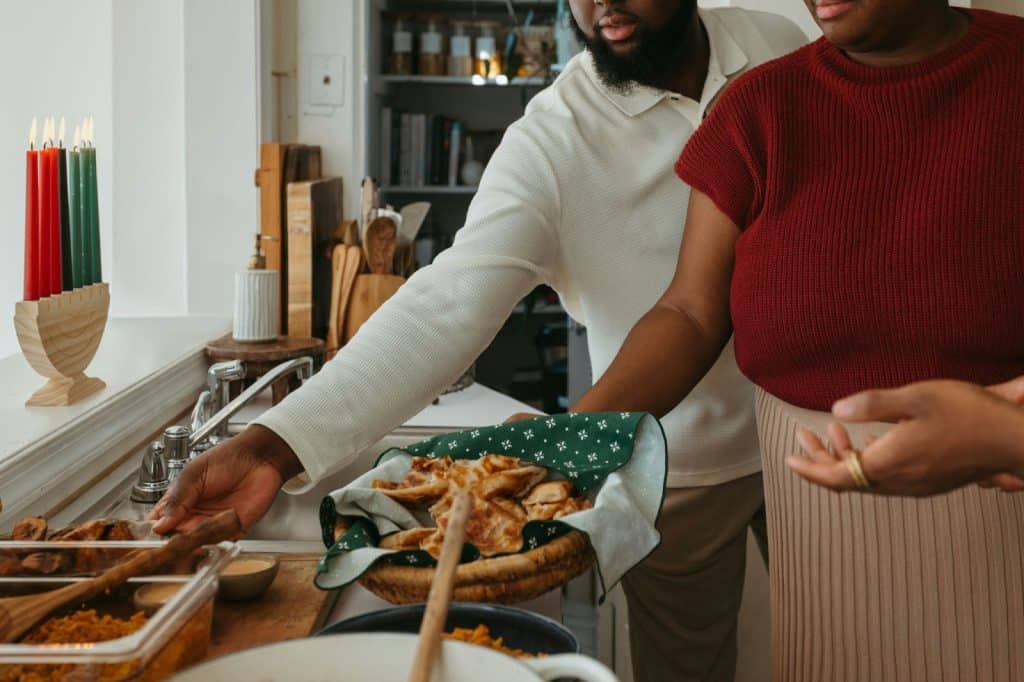
Even when hungry, waiting for your partner to join you turns a meal into a shared moment. It’s a quiet way of saying that togetherness matters more than immediate satisfaction. These moments encourage connection and routine bonding. Over the years, such gestures become part of the relationship’s rhythm. They reinforce the value of shared time.
Learning Something They Love

Taking an interest in your partner’s passions shows genuine care. Whether it’s a sport, hobby, or favorite book series, making the effort to understand it deepens connection. Even if you don’t become an expert, your willingness to learn sends a clear message. It shows that their world matters to you. This can open new avenues for shared joy and conversation.
Saying “I’m Sorry” First

Apologizing first, even when it’s uncomfortable, can shift a disagreement toward resolution. It’s a sacrifice of pride for the sake of harmony. This act shows that the relationship’s health is more important than being right. Over time, it encourages a culture of openness and humility. It makes it easier to navigate future conflicts without lasting resentment.
Listening Without Interrupting

True listening requires patience and restraint. Choosing not to interrupt lets your partner feel fully heard. This can prevent misunderstandings and make conversations more productive. It’s a small sacrifice of control in the moment, but it builds long-term trust. Feeling heard is a key part of feeling loved.
Biting Your Tongue in Heated Moments

In moments of frustration, it’s tempting to say things you don’t mean. Choosing restraint protects the relationship from unnecessary harm. This isn’t about avoiding issues but about approaching them thoughtfully. Over time, this habit creates emotional safety. It reinforces respect, even during disagreements.
Attending Events That Matter to Them

Showing up for important moments, even ones that don’t interest you personally, is a powerful sign of support. Whether it’s a work event, a friend’s gathering, or a performance, your presence matters. It says, “I’m with you in the things that matter to you.” Over the years, these gestures create a strong sense of partnership. They remind your partner that you value their world.
Waking Up Early for Shared Time

Adjusting your routine to match your partner’s schedule can make a big difference. It might be sharing a morning coffee or saying goodbye before they leave. Even a few minutes of connection can set a positive tone for the day. These moments become small but cherished rituals. They show that your time together is a priority.
Driving When They’re Tired

Taking the wheel when your partner is exhausted or stressed is a quiet form of care. It’s a practical way to lighten their load. Even short drives become opportunities to show support. Over time, these acts contribute to a sense of safety and partnership. It’s a reminder that love often shows up in everyday responsibilities.
Skipping a Personal Indulgence for a Shared Goal

Sometimes love means holding off on something you want for something you both want more. This might be skipping a purchase to save for a trip or future plan. It’s a sacrifice of immediate gratification for long-term benefit. These choices show alignment in priorities. They help build trust and shared vision.
Giving Them Space When Needed

Allowing your partner personal time, even when you’d prefer to be together, is a mature act of love. It supports independence while maintaining connection. This shows trust in the relationship’s strength. Over time, space can make togetherness even more meaningful. It keeps the relationship healthy and balanced.
Letting Them Win Sometimes

Whether it’s a friendly game, a playful debate, or a minor decision, letting your partner “win” on occasion is a lighthearted form of sacrifice. It’s not about losing, it’s about creating joy. This can help avoid unnecessary tension over small matters. Over the years, these moments add to the sense of fun and teamwork. They remind both partners that not every battle needs to be fought.
Conclusion – The Lasting Impact of Small Sacrifices

In marriage, it’s often the small, consistent sacrifices that make the biggest difference. They show care, build trust, and nurture connections in ways grand gestures can’t always match. These acts, repeated over time, create a resilient bond that weathers challenges. They remind both partners that love is as much about daily choices as it is about milestones. When both people are willing to give a little, the relationship gains a lot.








Ask Me Anything