
Sleep in your 40s isn’t what it was in your 20s–and pretending it is only sets you up for fatigue, poor recovery, and creeping health issues that don’t fix themselves. Testosterone dips, stress runs higher, and the bounce-back time from a short night gets longer. That’s not a complaint–it’s just biology. The good news? Sleep can still be powerful and restorative. But only if you treat it like the daily investment it is, not something you “hope” happens after midnight.
Here are the sleep habits that actually move the needle–especially once you’re 40 and want to feel sharper, stronger, and calmer every day.
1. Cut Caffeine by 2PM–Earlier If You’re Wired

Caffeine has a half-life of 5 to 8 hours, so that innocent 3PM coffee might still be in your bloodstream come bedtime. As we age, our ability to metabolize caffeine slows down, which means it hits harder and lingers longer. If you’re finding it hard to fall asleep–or waking up too early–it could be your afternoon espresso pretending to be innocent. Try cutting it by noon for a week and watch your sleep shift.
2. Keep a Consistent Bedtime (Even on Weekends)

Your body thrives on rhythm, and by 40, irregular sleep patterns hit harder. Staying up late on weekends and trying to “catch up” later confuses your circadian clock and can leave you groggy for days. Think of it like jet lag without the travel. Keep your sleep window steady–even a 30-minute swing matters. Your brain and hormones will reward you with deeper, more restorative sleep.
3. Ditch the Nightcap–Alcohol Isn’t a Sleep Aid

Alcohol may make you feel sleepy, but it wrecks your REM cycle and fragments your sleep architecture. You may fall asleep fast, but you’ll wake up more often and feel less rested. Over 40, your liver processes alcohol less efficiently, amplifying the disruption. If you drink, stop at least 3 hours before bed–and if you’re serious about improving your sleep, reconsider making it a nightly thing at all.
4. Cool Your Bedroom to 65–67°F
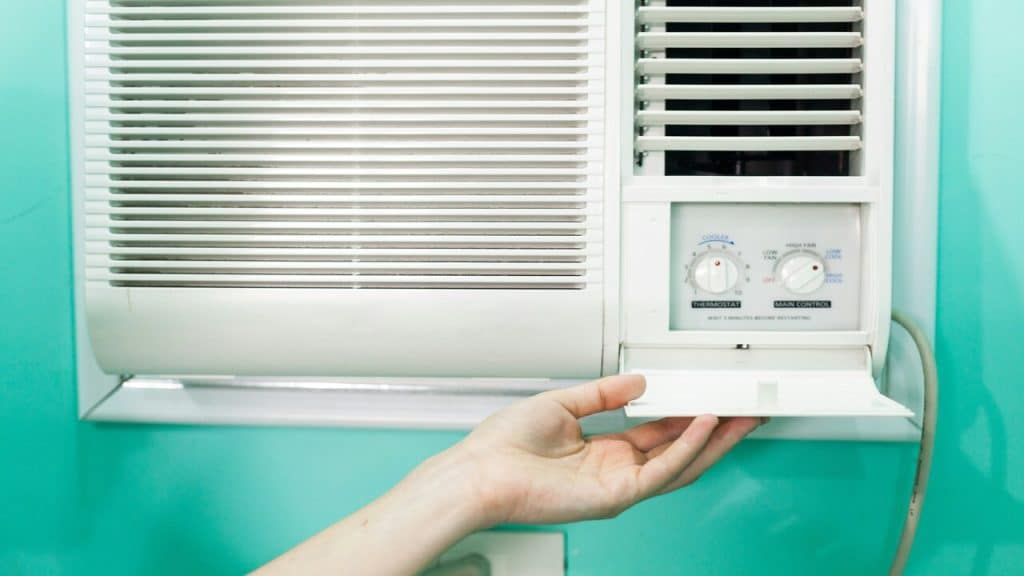
Temperature matters more than you think. Your core body temp needs to drop about 2°F to initiate and maintain deep sleep. If your bedroom’s too warm, you’ll toss, turn, and wake up sweating. Most men sleep better in rooms that feel a little too cool at first. If you’re unsure, start at 67°F and drop it by one degree a night until your sleep feels deeper. A cool room and a warm blanket? Game-changer.
5. Get Sunlight Within 30 Minutes of Waking

Morning light sets your internal clock and boosts cortisol naturally, which gives you energy early and helps melatonin kick in at night. The key is exposure to actual outdoor light–your kitchen lamp doesn’t count. Even 10 minutes of sunlight within the first half hour of waking can improve your mood, metabolism, and sleep rhythm. If you can, pair it with a walk. Your body will thank you 16 hours later.
6. Don’t Scroll in Bed–Train Your Brain That It’s for Sleep

Your bed should signal one thing: sleep. (Okay, maybe two.) But if you’re used to scrolling TikTok or checking email under the covers, your brain won’t know when it’s time to shut down. That glow? It’s delaying melatonin. But the bigger issue is psychological conditioning–you’re training yourself to associate bed with stimulation. Charge your phone across the room. Read a physical book. Let your brain downshift.
7. Eat Your Last Meal 2–3 Hours Before Bed

Digestion and deep sleep don’t mix well. A late-night dinner (or worse, a fridge raid at 10PM) forces your body to stay metabolically active when it should be powering down. That can mean heartburn, disrupted sleep stages, and next-day fog. Over 40, digestion slows and night eating hits harder. Give yourself a cutoff time–and stick to it. Sleep is recovery, not mealtime.
8. Upgrade Your Mattress If It’s Over 8 Years Old

Your back and joints change with age, and your mattress should evolve with them. If yours is sagging, squeaking, or leaves you sore in the morning, it’s time. A mattress over 8 years old has likely lost 25–50% of its support. You don’t have to spend a fortune–but don’t cheap out either. Look for medium-firm support and cooling materials. You’ll feel the difference on day one.
9. Use Magnesium Before Bed

Magnesium helps regulate melatonin and calms the nervous system, but most men are deficient–especially after 40. A dose of magnesium glycinate or citrate 30–60 minutes before bed can ease muscle tension and improve sleep quality. Just avoid the oxide form (less absorbable) and check with your doctor if you’re on meds. Think of it like giving your nervous system a gentle brake.
10. Cut Out Blue Light an Hour Before Sleep

Blue light from phones, laptops, and TVs tells your brain it’s daytime–so melatonin gets suppressed. After 40, your sensitivity to this disruption increases. Try switching to amber glasses, using Night Shift mode, or just powering down. Better yet, create a “tech off” ritual: one hour before bed, no screens. The drop in stimulation will cue your body to wind down–naturally.
11. Keep a Notepad Beside the Bed

Racing thoughts are one of the biggest reasons guys can’t fall asleep. And at 40+, work stress and life load don’t magically shrink. Instead of trying to ignore your thoughts, give them somewhere to go. Jot them down–no judgment, no filter. A simple brain dump tells your mind, “I’ve got it handled.” You’ll rest easier knowing your ideas aren’t going anywhere.
12. Limit Late-Night News or Arguments

Mental stimulation spikes cortisol. And nothing winds you up like doomscrolling the news or getting into a heated debate before bed. What seems like a harmless chat or scroll can set off a stress response that tanks your sleep. Create a mental “buffer zone” 60–90 minutes before bed. Keep it light. Save the debates and deadlines for earlier in the day.
13. Build a Wind-Down Routine (and Stick to It)

Just like kids need a bedtime routine, so do grown men. A consistent wind-down sequence–dim lights, warm shower, light stretching, reading–cues your brain to shift gears. Over time, this ritual becomes a sleep trigger. The key? Consistency. It’s not about what you do–it’s that you do it the same way, at the same time. Ritual is rhythm.
14. Avoid High-Intensity Workouts After 7PM

Exercise is great for sleep–unless it’s too close to bedtime. High-intensity workouts spike adrenaline, elevate heart rate, and heat up your body–exactly what you don’t want before bed. If you train at night, give yourself at least 2 hours to cool down and shift into rest mode. Gentle stretching or yoga? That’s a better evening option.
15. Get Your Testosterone Checked

Sleep and testosterone are a two-way street. Poor sleep lowers T levels, and low T can mess with sleep quality. If you’re over 40 and dealing with fatigue, irritability, or inconsistent sleep, it’s worth checking your hormone panel. Don’t self-diagnose–get tested. If there’s an issue, fixing it could improve your sleep (and a whole lot more).
16. Address Your Snoring (It’s Not Just a Joke)

Snoring can be more than annoying–it can signal sleep apnea, which fragments sleep and reduces oxygen flow. Left unchecked, it raises your risk for heart issues, brain fog, and more. Over 40, snoring often gets worse as muscle tone decreases. If your partner says you snore (or you wake up gasping), get tested. A simple sleep study could change everything.
17. Try Mindfulness or Breathwork

If you’re lying there with your brain running wild, give it something gentle to focus on. A 4-7-8 breath cycle or a 10-minute guided body scan can lower your heart rate and shift you into parasympathetic mode. It doesn’t need to be spiritual–just intentional. Training your mind to slow down helps your body follow.
18. Get Up If You Can’t Sleep After 20 Minutes

Tossing and turning only trains your brain to associate the bed with frustration. If you’ve been lying there for 20 minutes wide awake, get up. Do something quiet and non-stimulating–read a book, stretch, or sit in low light. Return to bed only when you feel sleepy. Over time, this habit retrains your body to fall asleep faster.
19. Don’t Oversleep–It Can Make You More Tired

It sounds counterintuitive, but sleeping too long can leave you groggy and mess with your internal clock. If you’re routinely getting more than 9 hours and still feel tired, it’s worth checking your sleep quality. Sometimes oversleeping is a symptom of fragmented or low-quality sleep–not recovery. Track your sleep with a wearable or app and aim for consistency over quantity.
20. Respect the Power of Sleep–Don’t Just “Wing It”

Sleep is not optional recovery. It’s a core pillar of your health, mood, metabolism, and mental sharpness. Especially over 40, when your margins for error shrink. Stop treating it like a passive event and start treating it like the ritual it is. When you do, everything else–your workouts, your focus, your patience–starts to work better too.








Ask Me Anything