Let’s be honest: Boomers didn’t just “have it different.” They had it harder—no Google, no safety nets, no shortcuts. You messed up, you learned, you moved on. There was no crying about “burnout” because no one cared. You either got it done or got replaced. Today’s world runs on instant gratification and Wi-Fi, but back then, resilience was built the old-fashioned way—through struggle. So here’s a dose of reality about what Boomers endured that would make most Gen Zers tap out by lunch.
Memorizing Phone Numbers Was a Survival Skill
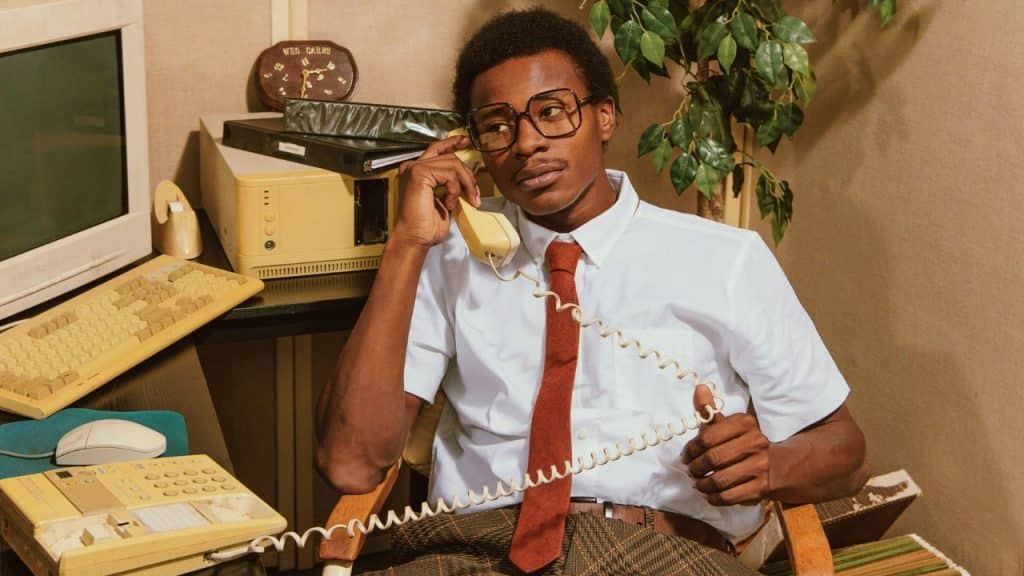
Before smartphones, remembering 10-digit numbers was a life skill, not a party trick. You didn’t just “save” a contact—you carried it in your head. Forget someone’s number? Too bad. You walked to their house or waited by the phone like a loyal retriever. It built memory, patience, and a sense of reliability that most people couldn’t fake today.
Teen Jobs Were Expected, Not Optional

Boomers didn’t need motivation quotes to work. They were bagging groceries, flipping burgers, or mowing lawns before they could drive. Work wasn’t a “choice”—it was expected. Those first jobs taught them grit, humility, and the power of earning their own cash. Compare that to today’s endless job-hopping and “soft quitting,” and the difference is obvious.
Waiting Was a Way of Life
There was no instant anything. No texts, no streaming, no next-day delivery. You waited for letters, for film to develop, and for the 6 o’clock news to tell you what happened that day. It sounds miserable, but it taught a rare muscle called patience. When everything isn’t available now, you learn to make do—and that’s a dying skill.
Getting Hit Was Just “Discipline”

Back then, “timeout” meant your dad’s arm got tired. Wooden spoons, belts, and switch branches were the norm, not abuse. You didn’t call social services—you learned not to do it again. It sounds brutal by today’s standards, but it kept boundaries clear. Fear may not be healthy, but accountability sure was.
College Was a Privilege, Not a Promise

Not everyone went to college, and no one cried about it. You learned a trade, joined the military, or found a job that paid the bills. Success wasn’t about degrees; it was about showing up and doing the work. Maybe that’s why so many Boomers can fix things without Googling “how to change a tire.”
Privacy Was a Fantasy

If you had a diary, your mom probably read it. If you had a phone call, someone picked up the other line. Boundaries didn’t exist, and personal space was a luxury. It was frustrating, sure—but it made you thick-skinned. When everyone’s in your business, you learn to hold your own and speak your truth louder.
Healthcare Was Expensive and Distant

You didn’t “book an appointment online.” You prayed your local doctor had time. There were fewer specialists, longer drives, and no urgent-care safety nets. People didn’t run to the hospital for every headache; they toughed it out. It wasn’t glamorous, but it taught self-reliance—and that’s something today’s convenience culture could use.
Bullying Was Real and Unfiltered

There were no anti-bullying assemblies or safe spaces. If someone picked a fight, you handled it after school and moved on. Teachers didn’t step in, and parents rarely knew. It was rough, but it taught Boomers how to stand up for themselves. Conflict wasn’t canceled—it was survived.
Learning Meant Libraries, Not Google

If you didn’t know something, you hit the library. You flipped through a card catalog, hunted down the right book, and hoped it wasn’t checked out. It took time, focus, and effort. You didn’t scroll—you searched. And when you finally found the answer, it stuck because you actually worked for it.
You Couldn’t Avoid People

There was no ghosting, no blocking, no “leaving them on read.” If you had beef with someone, you saw them in person—at school, work, or the grocery store. That forced honesty and confrontation. It’s funny how being forced to face people made relationships stronger, not weaker.
Travel Was Rare and Earned
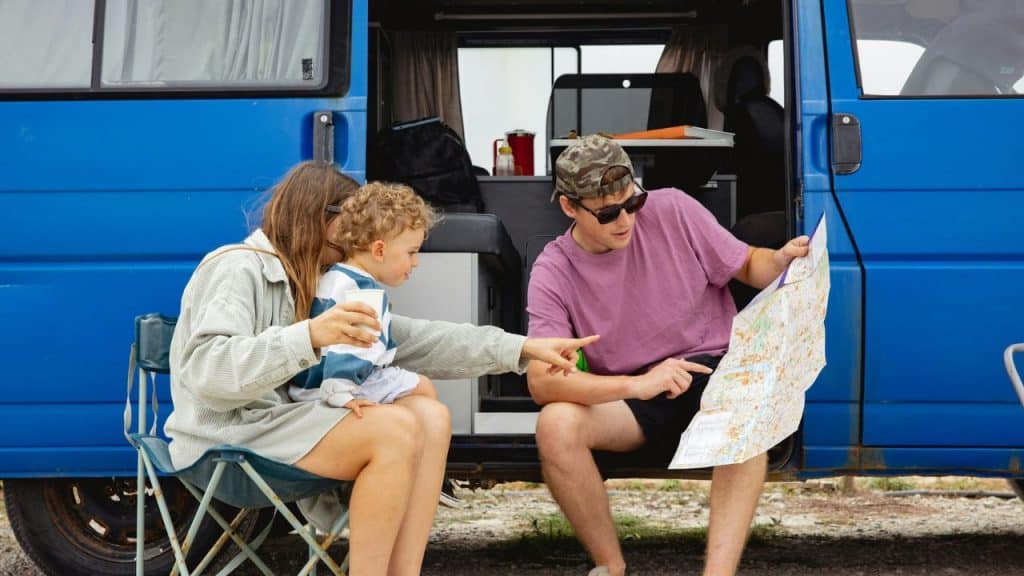
Vacations weren’t every summer. Plane tickets cost a fortune, and road trips meant car sickness and paper maps. But when you finally got there, it mattered. Boomers learned to appreciate the journey because it wasn’t guaranteed. Maybe that’s why they still stop to admire the view instead of taking selfies of it.
Dress Codes Actually Mattered

You didn’t wear hoodies to class or
Failure Wasn’t Padded with Excuses

If you failed a class, you repeated it. If you missed work, you didn’t get paid. No one blamed “burnout” or “mental blocks.” Consequences were part of life, and Boomers understood that early. It didn’t make them cold—it made them capable.
News Came from Three Channels and a Newspaper
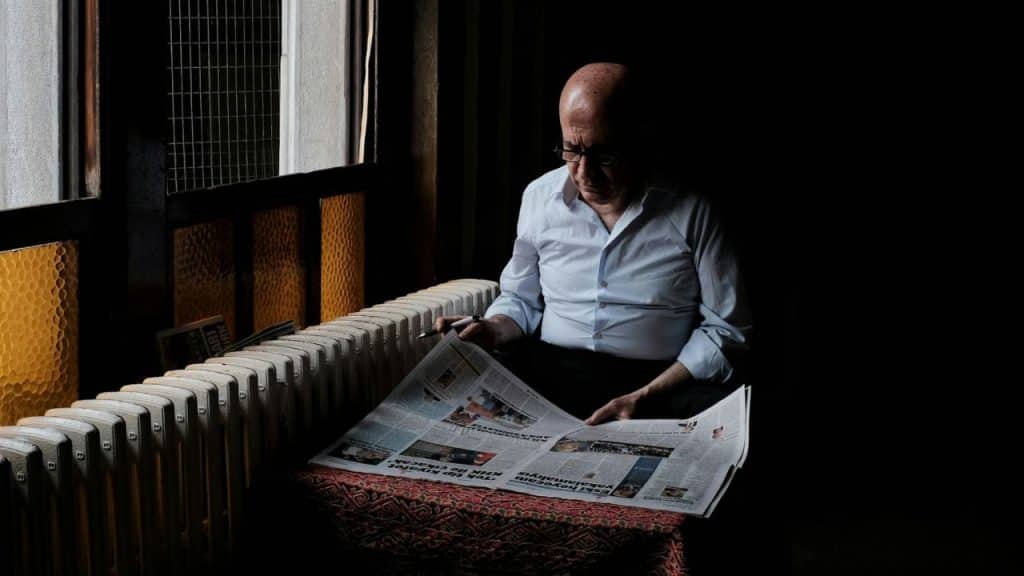
Boomers didn’t have algorithmic feeds; they had Walter Cronkite and trust. You believed the evening news, not random influencers. Fewer options meant more focus and less noise. Whether that was better or worse is up for debate—but at least they didn’t drown in misinformation.
Messages Required Planning
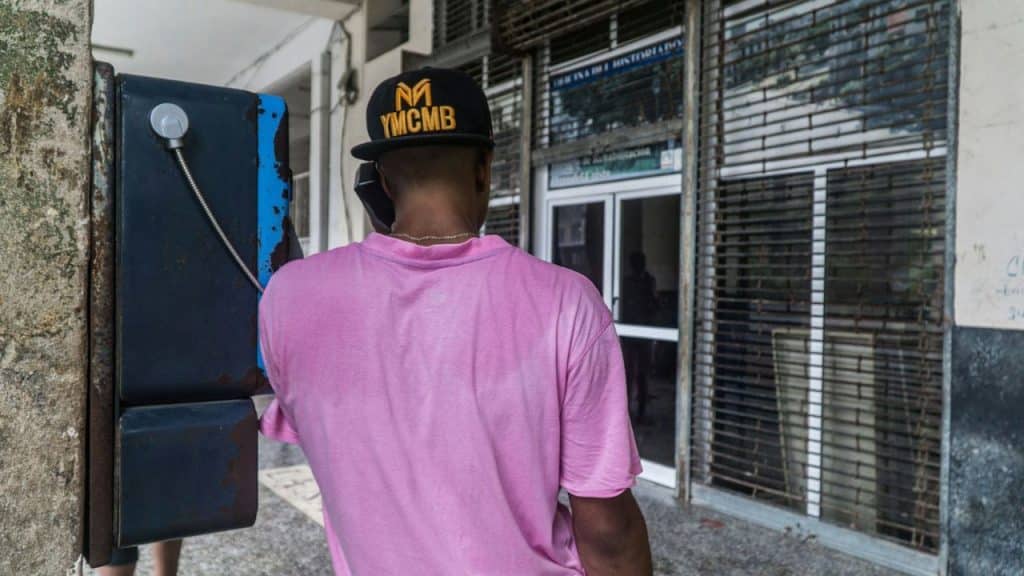
If you wanted to see someone, you made plans and stuck to them. Missed calls stayed missed. You couldn’t just text “on my way.” Communication took effort, and that made relationships stronger. You learned reliability because flaking wasn’t an option.
Mental Health Wasn’t Talked About

Anxiety and depression weren’t dinner topics—they were secrets. You were told to “suck it up” and move on. It’s easy to mock that now, but it shaped a generation that didn’t crumble under pressure. Maybe they carried too much silently, but they also learned endurance the hard way.
Bills, Budgets, and Brutal Interest Rates

Try handling 15 percent mortgage rates and gas shortages without complaining online. Boomers did. They didn’t have side hustles or crypto—they had overtime. It wasn’t glamorous, but it was real. Financial pain forced creativity, and that’s why many still balance a checkbook better than you balance your screen time.








Ask Me Anything