
By the time you’re in your mid-30s, you’ve seen enough to know that social media rarely tells the full story. Still, the version of single life it sells is tempting. Independence. Money. Travel. No compromises. No drama.
What doesn’t show up are the trade-offs that quietly accumulate once the novelty wears off. Not the obvious stuff people joke about, but the slower, more personal shifts that change how your days feel and how you see yourself. Single life after 35 isn’t a mistake or a failure, but it’s also not the frictionless upgrade Instagram makes it look like.
The highlight reel hides the emotional maintenance

Online, single life looks energetic and full. Offline, it requires constant self-management. When there’s no shared emotional load, everything runs through you. Motivation, reassurance, processing stress, celebrating wins — it all stays internal unless you deliberately share it. Over time, that can feel less like freedom and more like quiet labor no one sees.
Freedom doesn’t feel unlimited forever

At first, doing whatever you want feels refreshing. Eventually, it starts feeling repetitive. Freedom without contrast can flatten out, especially when there’s no one to share decisions or memories with. The issue isn’t a lack of options, but the absence of shared meaning behind them.
Loneliness doesn’t arrive as sadness

Most men expect loneliness to feel dramatic or emotional. It rarely does. Instead, it shows up as low-grade restlessness or a sense that something is missing without being able to name it. You can be productive, healthy, and socially functional while still feeling oddly disconnected.
Your social world reorganizes without asking you

As friends marry or have kids, access changes. Not intentionally, just structurally. Conversations shorten, plans require more coordination, and spontaneous time disappears. You’re still welcome, but no longer central. That shift isn’t personal, but it still lands.
Dating becomes more transactional

After 35, dating often moves faster and feels heavier. People carry clearer expectations, more history, and less patience for uncertainty. That can be efficient, but it also strips away curiosity and playfulness. The process becomes less about discovery and more about evaluation.
Casual connections start feeling expensive

Not financially — emotionally. Short-term dating demands energy, recovery time, and repeated vulnerability. When you’ve done it enough, the cost becomes obvious. It’s not that casual dating is wrong, it’s that it stops feeling worth the effort.
You stop romanticizing potential

Experience sharpens perception. You see patterns earlier and ignore fewer red flags. That’s growth, but it also removes optimism. Hope becomes cautious, and caution can feel like restraint even when it’s wisdom.
Career success doesn’t substitute for connection

Professional progress offers validation and structure, but it doesn’t respond to you. There’s no shared context at the end of the day. When work slows down or becomes routine, its limits become clearer. Achievement satisfies, but it doesn’t replace emotional resonance.
Weekends expose the gap more than weekdays

Workdays stay busy and purposeful. Weekends stretch wider. When most social activity centers around families or couples, free time can feel unclaimed. That’s often when single life feels most visible to yourself.
Standards rise even when expectations don’t

You’re not looking for perfection, but you are less willing to compromise on core issues. You’ve learned what drains you and what sustains you. That clarity protects you, but it also narrows the field. Fewer options doesn’t mean fewer chances — it means fewer tolerable ones.
Physical health becomes part of your identity
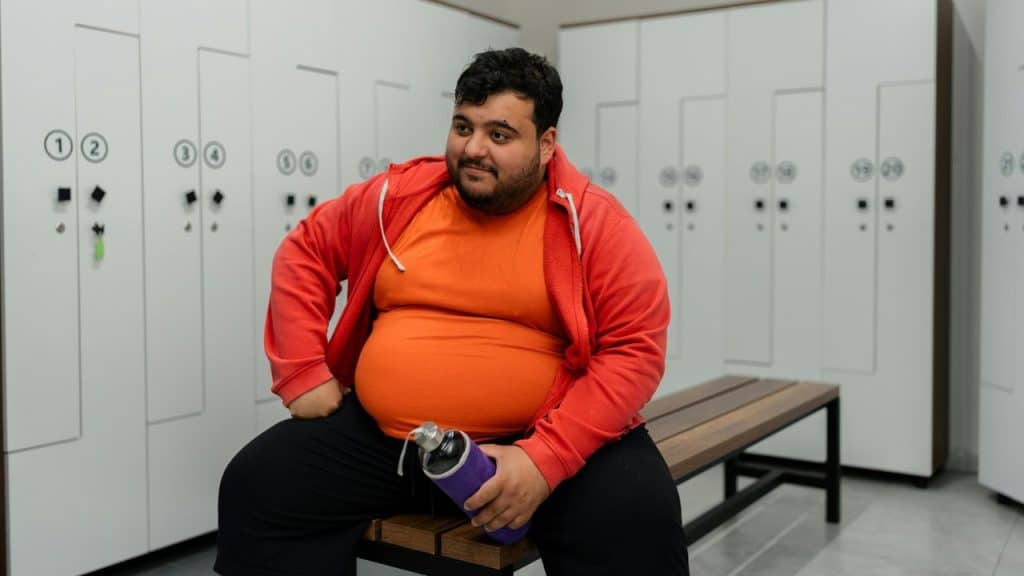
Recovery, energy, and sleep stop being background details. They affect confidence, mood, and social engagement. Dating and social life feel different when energy is limited. This isn’t fear of aging — it’s practical awareness.
Confidence has diminishing returns

Confidence opens doors, but it doesn’t build connection on its own. Emotional availability, patience, and communication matter more as relationships get more complex. Confidence without depth stops carrying the weight it once did.
You feel judged even when no one says anything

Being single after 35 invites assumptions. That you’re avoiding commitment. That something didn’t work out. That you’re overly focused on work. Even when unspoken, those narratives exist. Navigating them quietly takes effort.
Technology makes disengagement effortless

Dating apps make exits clean and immediate. That convenience reduces friction, but it also reduces commitment. When leaving is always easier than staying, depth requires conscious resistance. Not everyone is willing to do that work.
Regret surfaces in specific moments

Not constantly, and not always loudly. It appears during milestones, holidays, or unexpected reminders. Often, it’s not about being single, but about timing, choices, or paths not taken. Ignoring it doesn’t help, but neither does dwelling.
Some men build strong lives alone

For those who choose it intentionally, single life can be stable and fulfilling. They invest in friendships, routines, and personal growth. The difference isn’t personality — it’s direction. Singlehood works best when it’s designed, not defaulted.
Meaning doesn’t automatically replace partnership

Being single gives space, but space needs structure. Without deliberate purpose, freedom turns into drift. Fulfillment comes from what you build inside that space, not from the absence of a partner.








Ask Me Anything