
Fatherhood can be deeply fulfilling–but it’s also a silent battlefield for many men. Behind the smiles, bedtime stories, and weekend family photos, countless husbands wrestle with invisible pressures they rarely talk about. From the weight of responsibility to the quiet fear of failing their families, these struggles can chip away at their confidence, energy, and sense of self. Yet most fathers feel they must bear it all silently, believing that showing strain equals weakness. Understanding these hidden battles doesn’t just build empathy–it opens the door to stronger marriages and healthier families.
Here are 18 silent struggles many husbands face in fatherhood, and what they wish more people understood.
1. The Pressure to Be the “Rock”

Many husbands feel an unspoken rule that they must always be steady and strong, even when they’re overwhelmed. Society often paints men as the emotional anchors of the family, leaving little room for vulnerability. This pressure can lead them to suppress stress or anxiety, which only builds up over time. Real strength isn’t silence–it’s learning to express emotions in healthy ways and trusting that their partner won’t see them as weak for doing so.
2. Balancing Career and Family Expectations

Fathers often find themselves pulled in two directions: providing financially and being present emotionally. The modern dad wants to be hands-on, but work demands can make that nearly impossible. The guilt of missing milestones or coming home too exhausted to engage takes a real emotional toll. True balance starts with redefining success–not just by salary or promotions, but by connection and presence at home.
3. Losing Their Sense of Identity

Before becoming a father, men often have clear roles and hobbies that define who they are. But once parenthood begins, many feel their personal identity dissolving into “dad mode.” Over time, this can create a quiet resentment or sense of loss. Reclaiming even small parts of their individuality–through hobbies, friendships, or solo downtime–can help them stay grounded and fulfilled.
4. The Fear of Not Being a Good Enough Dad

Many fathers carry an invisible fear: “Am I doing this right?” They compare themselves to other dads, to social media, or to their own fathers–sometimes harshly. This self-doubt can lead to burnout and emotional withdrawal. The truth is, kids don’t need a perfect dad; they need a present one who’s willing to learn and love out loud, flaws and all.
5. Feeling Invisible in Parenting Conversations
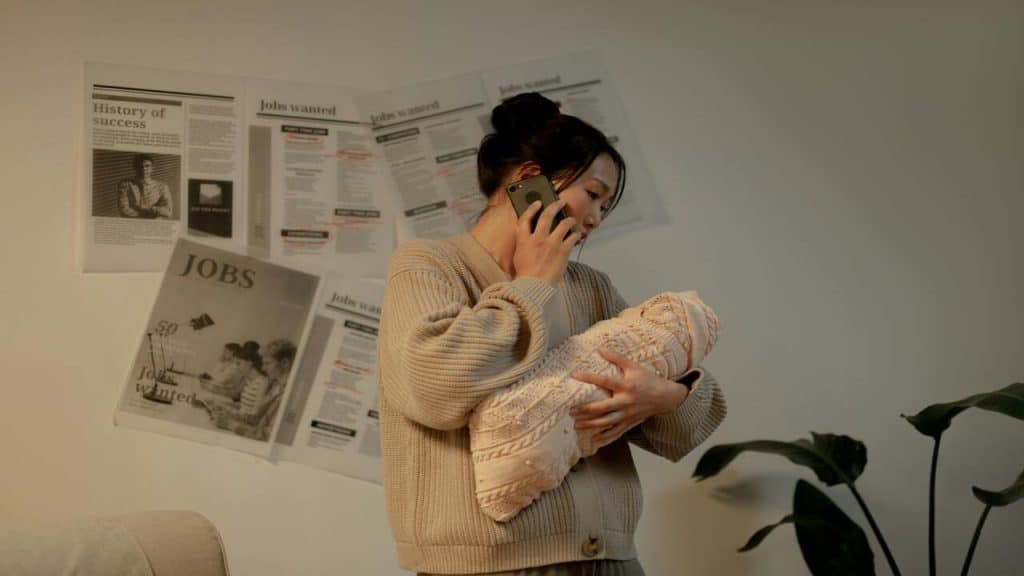
Parenting spaces–online or offline–are often dominated by mothers, leaving many dads feeling unseen. Their input or struggles are rarely acknowledged, even though they care deeply and face unique pressures. Encouraging open, inclusive conversations about fatherhood can help men feel more connected and valued in the parenting journey.
6. Struggling with Emotional Expression

Many men grew up being told to “toughen up,” which makes emotional openness in fatherhood a challenge. When stress, fear, or guilt arise, they often bottle it up rather than voice it. Over time, that emotional silence can erode intimacy with their spouse and children. Breaking that cycle starts with unlearning the old script–and recognizing that showing emotion models strength, not weakness, for their kids.
7. The Pressure to Provide Financial Stability
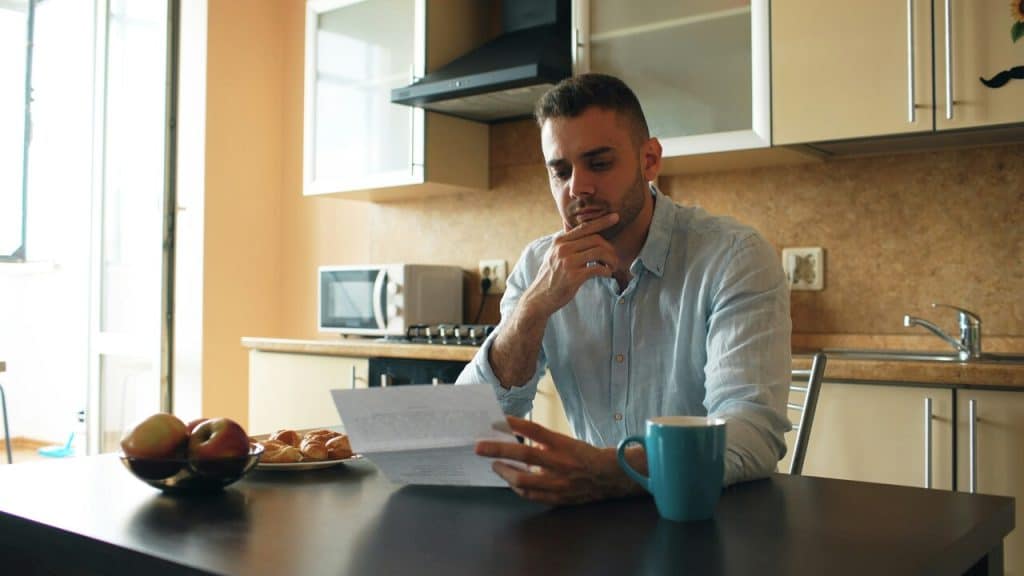
Even in dual-income homes, many husbands still feel a deep-rooted pressure to be the main provider. Every bill, expense, or emergency can feel like a reflection of their worth. When financial stress hits, it can silently eat away at their confidence. The key is honest communication with their partner–sharing the burden, rather than quietly carrying it alone.
8. Feeling Disconnected from Their Partner

After children arrive, marriage dynamics often shift dramatically. Husbands may feel sidelined as attention naturally turns to the kids. Without intentional effort, physical affection, and emotional intimacy can fade. Reconnection starts with small, consistent gestures–date nights, honest check-ins, or simply showing appreciation for each other beyond parenting roles.
9. Coping with Exhaustion and Burnout

Sleep deprivation and constant demands can leave fathers running on fumes. But unlike mothers, men rarely have a social outlet to talk about parental burnout. The expectation to “push through” can lead to irritability or detachment. Building routines that include rest, exercise, and self-care isn’t selfish–it’s essential for sustainable fatherhood.
10. Feeling Incompetent in Early Childcare

Many new dads quietly struggle with feeling clumsy or unsure when caring for infants. They fear being judged by their spouse or others when they don’t instinctively know what to do. Instead of retreating, fathers should lean into learning–changing diapers, soothing cries, or feeding–because confidence grows through participation, not perfection.
11. The Silent Weight of Regret

Some men carry regrets–missing key moments, snapping in frustration, or not being as patient as they hoped. These memories can replay quietly, feeding shame. What they often forget is that fatherhood is a long journey, not a single moment. Repairing, apologizing, and recommitting are all part of what makes them a great dad in the long run.
12. Navigating Changes in Intimacy
Physical intimacy often changes after kids, and many husbands feel confused or rejected by the shift. They may misinterpret their spouse’s exhaustion or disinterest as personal rejection. Rebuilding closeness means moving beyond physical expectations–showing affection, empathy, and teamwork first. Emotional safety always reignites passion over time.
13. Managing Unspoken Expectations

Husbands often juggle countless unspoken expectations–from being a patient father to a romantic partner to a steady provider. The pressure to “do it all” can quietly overwhelm them. The healthiest approach is to communicate clearly about roles, needs, and capacity, rather than assuming each person should just know. Clarity brings peace to both partners.
14. The Guilt of Wanting Personal Space

Many dads crave quiet time or solo hobbies but feel guilty for wanting it. They fear it’ll make them look selfish or disconnected. But recharging isn’t neglect–it’s necessary. A father who takes time to rest and reset shows his kids that self-care is part of being responsible, not an escape from it.
15. Feeling Replaced by Their Children
After kids are born, many men quietly feel displaced. The bond between mother and child can be so strong that husbands start to feel like outsiders in their own home. Rather than withdrawing, it helps to find unique ways to bond–through play, routines, or shared rituals–that make them indispensable in their child’s world.
16. The Fear of Repeating Their Own Father’s Mistakes
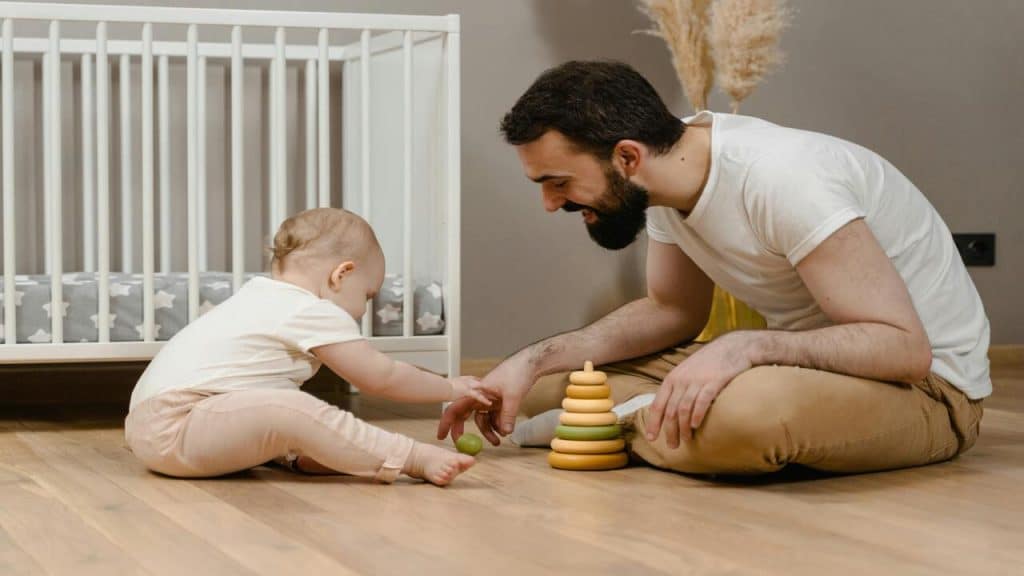
Some men carry painful memories from their upbringing and are determined to do better. But that determination can turn into anxiety–constantly worrying they’ll repeat the past. Growth happens when they forgive their parents, acknowledge their progress, and focus on being the father their kids need, not the one they feared becoming.
17. Struggling with Societal Expectations of Masculinity

Modern fathers often face mixed messages–be sensitive, but not too soft; be involved, but not overbearing. The constant pressure to strike the perfect balance can be draining. The healthiest dads reject those stereotypes altogether, embracing authenticity instead of performance. Fatherhood isn’t about fitting a mold–it’s about being real, reliable, and present.
18. The Loneliness of Silent Sacrifice

Fathers give up a lot–sleep, free time, sometimes even personal dreams–but rarely get acknowledged for it. That quiet sacrifice can feel isolating. What helps most is having open conversations about appreciation and partnership at home. When husbands feel seen and valued, the weight of those sacrifices transforms into a shared pride rather than silent pain.








Ask Me Anything