
People get called “too sensitive” or “too anxious” when they point out something that feels off. But not every gut feeling is insecurity. Sometimes the mind is noticing inconsistency, distance, or disrespect and trying to make sense of it. The problem is that confusing relationships train people to doubt themselves. Then real warning signs get ignored until the damage is bigger. This list is not meant to create paranoia or turn healthy relationships into investigations. It is meant to name the common signs that often indicate something genuinely needs attention. If several of these feel familiar, the discomfort may be based on reality, not imagination. The goal is clarity, not panic.
The Consistency Clues: When Words and Actions Don’t Match

Many relationships feel “off” when predictability disappears. Predictability is not boring; it is emotional safety. When someone’s words sound caring but their behavior looks inconsistent, the nervous system stays on alert. That alertness gets labeled overthinking. But it is often a response to mixed signals. Consistency is one of the strongest trust builders. Inconsistency is one of the strongest anxiety triggers. These signs often show that mismatch clearly. They do not prove a worst-case scenario, but they do explain why the mind feels unsettled. Patterns matter more than single moments.
Plans Keep Changing Without Real Effort to Make It Up

Occasional schedule changes are normal. The problem is when cancellations happen repeatedly without replacement plans. It starts feeling like low priority disguised as bad luck. Over time, trust shrinks because effort looks optional. A person who values you usually tries to make it right, not just apologize. Repeated cancellations also create emotional whiplash. It becomes hard to relax because excitement keeps getting interrupted. That is not overthinking; it is noticing reliability. Reliability is a relationship foundation. When reliability is weak, anxiety makes sense.
Responses Are Warm Sometimes, Cold Other Times

Hot-and-cold behavior often creates constant guessing. A partner may be affectionate one day and distant the next without explanation. That unpredictability can make anyone feel anxious. Many people blame themselves and try to “earn” the warm version back. This creates a chase dynamic that is emotionally exhausting. A healthy relationship can have busy days, but the tone should not swing drastically. If warmth feels random, the bond feels unstable. Instability is a real reason to feel uneasy. Calm consistency is what builds security.
Promises Sound Good but Follow-Through Is Rare

Hope is often fueled by words. But trust is fueled by behavior. If promises are repeated and results never arrive, it is normal to feel unsettled. This pattern often leads to disappointment cycles: talk, hope, delay, repeat. Over time, the relationship becomes emotionally tiring. Many people call this “being patient,” but endless patience can become self-abandonment. Follow-through does not need to be perfect, but it should exist. If change never appears, something is off. This is not overthinking. It is observing repeated outcomes.
They Avoid Clarity When It Matters

Clarity includes defining the relationship, making future plans, and addressing important issues directly. If clarity always gets dodged, uncertainty becomes the relationship’s normal state. Uncertainty creates anxiety because the future feels shaky. Some people avoid clarity because they fear commitment or responsibility. Others avoid clarity because they want the benefits without the obligations. Either way, avoidance is a real pattern. It keeps the other person emotionally unsettled. Wanting clarity is not needy. It is a normal need for security.
The Emotional Safety Signs: When Honesty Feels Risky

Emotional safety is the ability to speak without fear of punishment. When safety is low, people start censoring themselves. They say less, ask less, and settle for less. That self-censorship often gets called “keeping the peace.” But peace without honesty becomes distance. Distance is not a healthy peace. These signs often explain why someone feels tense even when nothing dramatic is happening. A relationship can look calm and still feel unsafe. Safety is felt in tone and response. If honesty feels risky, the nervous system will stay alert. That alertness is not random.
You Feel Nervous to Bring Up Simple Issues

If small feedback creates defensiveness or conflict, it becomes scary to speak up. That fear often shows up as overthinking. But the cause is behavioral: conversations are not safe. Safe partners can hear concerns without making it a battle. Unsafe partners turn concerns into blame or shutdown. Over time, you may stop bringing things up. Silence grows. Silent relationships become emotionally lonely. Feeling nervous about basic honesty is a real sign. It suggests the relationship lacks repair skills or emotional maturity. A healthy bond should make communication easier, not harder.
They Minimize Your Feelings or Call You “Too Much”

Dismissal is a major safety killer. When a partner labels emotions as dramatic, sensitive, or irrational, self-trust declines. Many people then start doubting their own reality. That doubt is painful because it removes clarity. A relationship should not require shrinking to be tolerated. Validation does not mean agreement; it means respect. If respect is missing, closeness becomes unsafe. Over time, people become quieter and colder. If feelings are repeatedly minimized, something is off. This is not overthinking. It is noticing disrespect disguised as “logic.”
They Get Defensive Instead of Curious

Defensiveness turns communication into conflict. It makes normal questions feel like accusations. Over time, you start choosing silence because it feels easier. But silence does not solve anything. It just stores resentment. Many people sense this and feel anxious. That anxiety is often labeled as overthinking. But it is a reasonable response to a pattern where honesty triggers chaos. Curious partners want to understand. Defensive partners want to win. Winning kills trust. Trust is required for peace.
They Punish Boundaries With Coldness or Guilt

A boundary is a healthy statement of comfort and safety. If a boundary triggers sulking, coldness, or guilt trips, that is a real red flag. It teaches you to stop setting boundaries. Then resentment grows silently. Silent resentment becomes emotional distance. A person who respects you will respect your “no,” even if disappointed. Disappointment can be handled maturely. Punishment is not mature. If boundaries create consequences, the relationship becomes unsafe. Feeling uneasy in that environment makes sense. It is not random. It is a response to control dynamics.
The Respect and Trust Leaks: When Dignity Starts Eroding

Many people feel “off” when respect starts slipping. Respect is not only big gestures. It is a daily tone, fairness, and dignity. When respect leaks, attraction and trust often leak too. People may not recognize it immediately, but the body feels it. The relationship starts feeling more tense and less warm. These signs often show that respect is being weakened. They may not always mean the relationship is ending. But they do mean it needs correction. Respect is not optional in long-term love.
You Feel Like an Option, Not a Priority

If effort appears only when convenient, you will feel unstable. Being treated like an option creates insecurity because the relationship feels conditional. Conditional love creates anxiety. Anxiety is not a personal flaw; it is a response to uncertainty. Many people try to “earn” priority by overgiving. That often leads to burnout. Burnout leads to resentment. Resentment leads to distance. If you consistently feel like the last priority, that matters. Feeling like a priority should not require begging. A relationship should not feel like competition.
They Speak Differently to You in Public vs Private

A respectful partner stays respectful in both settings. If someone is warm in private and dismissive in public, it damages dignity. Public disrespect changes how safe you feel with them. It can also create shame and insecurity. Shame makes people withdraw. Withdrawal reduces intimacy. Even small jokes at your expense can add up. A partner should protect your dignity, not trade it for laughs. If public behavior makes you feel smaller, it is a real sign. It suggests the relationship is not emotionally protective.
You Keep Catching Small Lies or “Convenient Omissions”

Trust usually breaks through small cracks first. Small lies train big doubt. If a partner often changes stories, hides details, or gives unclear explanations, it creates suspicion. Suspicion makes you feel anxious and hyperaware. That can look like overthinking. But it is often a response to inconsistent truth. A relationship should not require detective work. Trust should grow over time, not shrink. If honesty feels unstable, your nervous system will notice. That is not random.
Apologies Happen, But Behavior Never Changes

An apology without change becomes a pattern of emotional debt. Each apology creates hope, and each repeated behavior kills that hope. Eventually, the relationship feels like a loop. Loops create exhaustion. Exhaustion creates detachment. Detachment is often the beginning of the end. People who change show it through consistent behavior, not emotional speeches. If the same issue repeats with no improvement, your discomfort is valid. The relationship is giving you data. Data should be respected.
They Stop Repairing After Conflict

Repair is what prevents conflict from becoming a permanent distance. If conflicts end with silence, avoidance, or unresolved tension, the relationship becomes emotionally heavy. You may feel anxious for days after arguments. That anxiety is a sign that closure is missing. Closure makes the relationship feel safe again. Without closure, the nervous system stays activated. Activated nervous systems do not feel affectionate. They feel guarded. If repair is rare, the bond becomes fragile. Fragile bonds create constant unease. Unease is not always overthinking; it is a response to unfinished conflict.
Tips: How to Get Clarity Without Starting a War
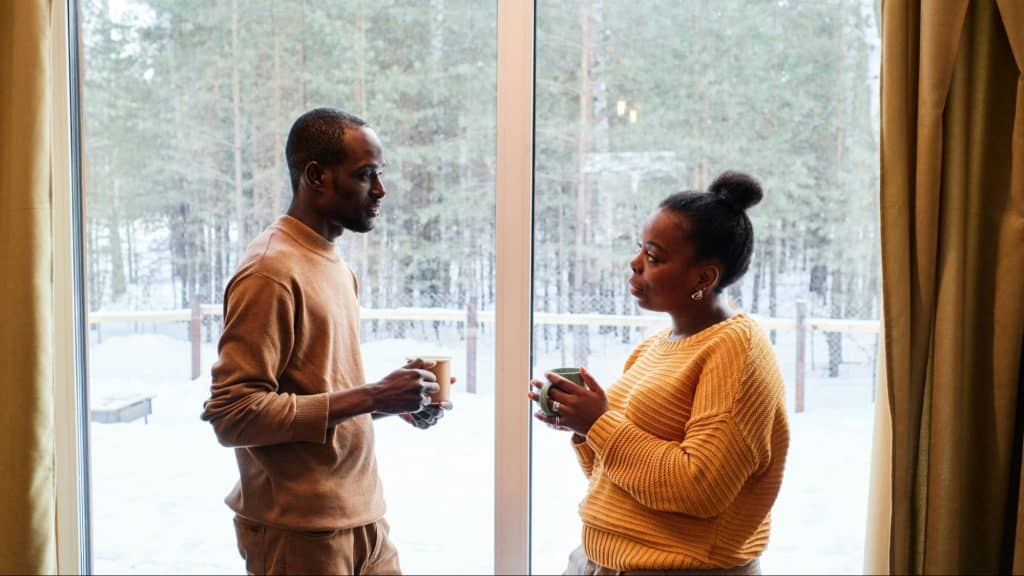
Pick one or two patterns and describe them calmly, not emotionally. Use specific examples rather than general accusations. Ask direct questions about intent, boundaries, and expectations. Watch the response more than the words. A healthy partner stays calm and curious, even if uncomfortable. A defensive partner escalates or dismisses. If needed, set a boundary like, “This needs to improve consistently.” Keep the focus on behavior and impact, not character labels. Clarity comes from calm observation and direct conversation. Do not chase emotional reassurance; chase consistent behavior.
Tips: What to Do If You Keep Doubting Yourself

Write the pattern down to separate facts from fear. Look for repetition over time, not one moment. Notice how you feel after interactions: calmer or more anxious. Anxiety after contact often signals instability. Talk to a trusted friend who can check reality without feeding drama. Pay attention to whether boundaries are respected. Respect is easy to spot. If respect is missing, the discomfort is likely real. Self-trust grows when patterns are acknowledged. Denial keeps anxiety alive.
Tips: When It’s Time to Stop “Waiting It Out”

If the same issue repeats for months with no consistent change, it is not a phase. If honest conversation leads to punishment, it is not safe. If boundaries cause guilt and coldness, it is not healthy. If trust keeps shrinking over time, the relationship is moving in the wrong direction. If you feel consistently smaller, more anxious, and less like yourself, that matters. If you are doing all the repair work alone, that is unsustainable. Waiting works only when effort is mutual. Mutual effort looks like real change, not promises. If change is not happening, consider stronger boundaries or stepping back.
Discomfort Is Often a Signal That Deserves Respect

Overthinking is real, but so is pattern recognition. If multiple signs on this list feel familiar, your discomfort may be telling the truth about the relationship climate. Relationships should feel safer over time, not more confusing. When trust, respect, and consistency are strong, anxiety usually drops. When they are weak, anxiety usually rises. The goal is not to accuse or panic. The goal is to get clarity and protect emotional health. Healthy partners respond to concerns with curiosity and repair. Unhealthy patterns respond with defensiveness and repetition. If the signs are real, it is okay to treat them as real. You deserve a relationship that feels stable, respectful, and emotionally safe.








Ask Me Anything