
Emotional loneliness in marriage does not always look dramatic. It often looks like silence, routine, and a relationship that functions but does not connect. Many couples share a home, children, and responsibilities while feeling unseen as people. Over time, the absence of warmth can feel heavier than frequent arguments. Emotional loneliness is not just “lack of talking,” it is lack of being known. It can also make you doubt yourself because nothing “big” happened. These signs help clarify when the marriage is present on paper, but missing in the heart.
You Stop Sharing Good News First

When something happens, your instinct is not to tell your spouse. You may tell friends, coworkers, or keep it to yourself. It is not revenge, it is habit built from past indifference. You learned that excitement will be met with a flat response or a quick return to distractions. Over time, you stop offering pieces of your inner life. That silence becomes normal, then permanent. A marriage starts to feel like parallel lives.
Conversations Stay on Logistics Only

Most talks are about schedules, bills, chores, and reminders. There is very little curiosity about thoughts, fears, or dreams. If you try to go deeper, the moment gets redirected or shut down. It begins to feel pointless to bring up emotional topics. The relationship becomes a management system, not a bond. You may feel efficient, but not connected. Logistics can keep a home running while intimacy quietly dies.
You Feel More Yourself Around Other People

You notice you laugh more with friends than with your spouse. Your personality shows up outside the home, but shrinks inside it. Around your partner, you feel tense, guarded, or emotionally flat. This can happen when criticism, disinterest, or dismissal has trained you to be small. You stop expressing because it feels unsafe or unrewarded. That creates a lonely kind of self-editing. Over time, you miss the version of you that used to exist in the marriage.
Affection Feels Rare or Performative

Touch becomes brief, functional, or inconsistent. Hugs feel like politeness, not desire or comfort. Compliments are rare, or they feel like they come only when someone wants something. You may still have physical intimacy, but it feels disconnected from emotional closeness. Or you may have none at all, and it is never addressed honestly. Either way, warmth stops feeling natural. When affection feels staged, loneliness grows fast.
You Feel Like a Burden When You Have Emotions

When you are stressed or sad, you hesitate to share it. You expect annoyance, minimising, or a quick solution rather than comfort. Your feelings may be treated like drama or inconvenience. So you learn to handle things alone. That independence might look strong, but it often comes from repeated disappointment. Emotional support is supposed to be a key benefit of marriage. When it is missing, you start surviving instead of bonding.
You Stop Asking for Help Because It Never Changes Anything

You have tried to communicate needs, but the response fades quickly. Promises happen, but follow-through does not. After enough cycles, asking starts to feel embarrassing. You do not want to beg for basic care. So you become quiet, practical, and self-sufficient. That quietness is often mistaken for “everything is fine.” In reality, it is emotional resignation.
You Feel Like You Have to Earn Kindness

Kindness shows up when you are useful, agreeable, or low-maintenance. When you disagree or need support, the tone shifts. You start performing “easy” to avoid tension. This creates a relationship where love feels conditional. You may become careful with words, timing, and expression. That constant self-monitoring is exhausting. When kindness feels earned, emotional safety disappears.
You Dread Even Simple Check-Ins

A normal question like “How was your day?” feels loaded. You expect criticism, conflict, or indifference. Sometimes you avoid talking altogether to prevent mood swings or negative reactions. The home starts to feel emotionally unpredictable. Even if there is no yelling, there is tension. You may feel relief when your spouse is busy or out. Relief is a warning sign when it replaces longing.
You Feel More Like a Coworker Than a Partner

Your spouse interacts with you like someone on a team, not someone they cherish. You coordinate tasks, but there is little tenderness. Appreciation may be missing or taken for granted. You might feel like your only value is what you do, not who you are. That dynamic can make you feel replaceable. Marriage is supposed to feel like “we,” not “you handle that.” When teamwork has no warmth, loneliness is guaranteed.
You Notice You’re Always the One Reaching Out

You initiate conversations, dates, affection, and problem-solving. If you stop, nothing happens. The relationship runs on your effort like a generator. That imbalance creates quiet humiliation over time. You start testing: “If I do nothing, will they notice?” Often, the answer is painful. Feeling emotionally alone is common when effort is one-sided. Consistent one-sided effort becomes a form of abandonment.
Your Spouse Doesn’t Really Know What You’re Dealing With

You could name your spouse’s schedule, stressors, and preferences, but they cannot do the same for you. They miss important details about your life. They may forget what matters to you or dismiss it as “not important.” You start feeling like you live beside a stranger. Not knowing each other is not a small issue in marriage. It means attention and care are missing. Being unknown inside a marriage is a specific kind of loneliness.
You Feel Like You Have to Prove Your Worth Constantly

Instead of being accepted, you feel evaluated. Mistakes are remembered longer than efforts. Your spouse may focus on what you did wrong more than what you do right. You begin to feel like you are constantly failing an invisible test. That pressure kills emotional closeness because it makes you defensive or numb. Love should feel like support, not surveillance. When you feel judged more than valued, emotional loneliness is inevitable.
Conflict Never Resolves—It Just Gets Buried

Arguments do not end with repair, they end with silence. Issues disappear, then come back later in new forms. Nothing gets truly discussed, and no behaviour changes. You learn that bringing things up only creates stress. So you bury it to keep peace. But buried issues do not disappear, they rot. Emotional loneliness grows when repair is absent. A marriage without repair becomes emotionally unsafe.
You Stop Imagining the Future Together

You plan the future as an individual, not a couple. You stop picturing trips, goals, or growth with your spouse included. When something good is ahead, you do not automatically think “we.” That is not always conscious; it just becomes your default. This happens when hope has dropped quietly over time. A shared future is a key part of emotional connection. When the future feels separate, the marriage already feels emotionally over.
You Feel Lonely Even During “Family Moments”

Even when the house is full, you feel emotionally isolated. Holidays, birthdays, and gatherings feel hollow rather than bonding. You may smile for others, then feel empty later. The loneliness is not about people, it is about connection with the one person who is supposed to know you best. This can be one of the most confusing signs because it looks like a normal life. But it feels like living behind glass. Being surrounded and still alone is a major indicator.
You Catch Yourself Daydreaming About Emotional Safety Elsewhere

You imagine what it would be like to be with someone who listens. It may not be about leaving, it is about craving relief. You might fantasise about being understood, appreciated, or chosen again. Sometimes it shows up as emotional attachment to fictional stories, online content, or private conversations. The fantasy is not always about physical intimacy, it is about comfort. This is a sign that your needs are starving. When safety becomes fantasy, the marriage is in trouble.
You Avoid Sharing Opinions to Prevent Reactions
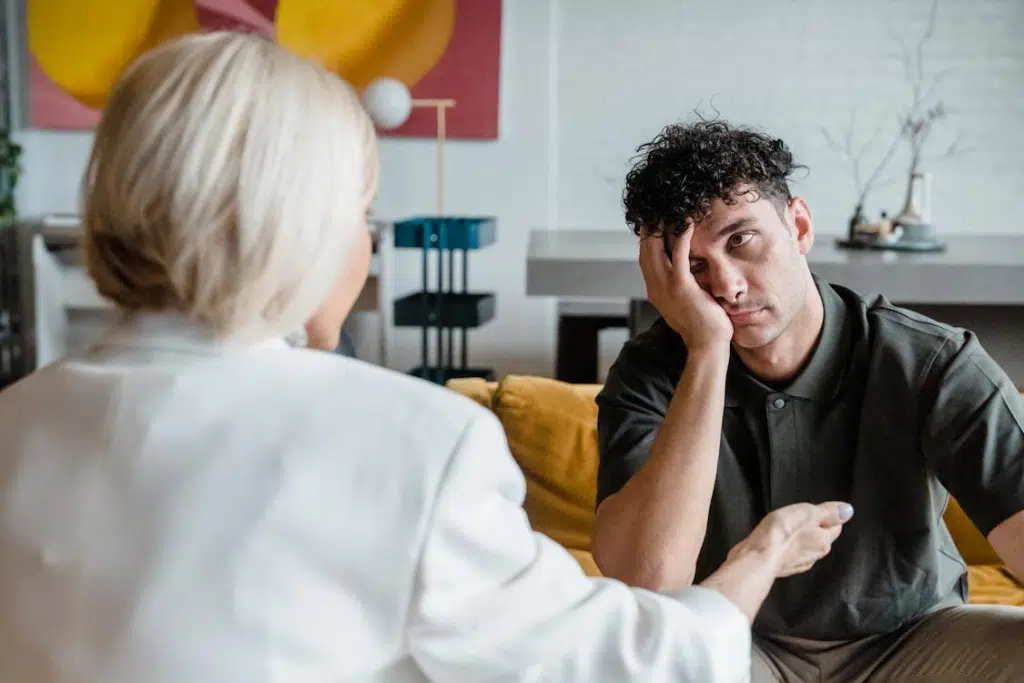
You keep thoughts to yourself because disagreement feels costly. Your spouse might mock, dismiss, lecture, or punish with coldness. So you become agreeable to keep the temperature stable. That might keep the peace, but it kills intimacy. Intimacy requires honesty, and honesty requires safety. When you cannot be yourself, you are alone. Silence becomes your survival strategy.
Your Body Reacts Like the Marriage Is a Stressor

You feel tension when they walk into the room. Your nervous system braces for criticism, indifference, or conflict. You may sleep poorly, feel on edge, or feel relief when you are apart. This is not always about fear, it is about chronic emotional stress. Your body often notices emotional loneliness before your mind admits it. When home feels like stress, connection cannot grow. Safety is a physical experience, not just a concept.
You Feel Like You’re Grieving Someone Who’s Still Alive

You miss the version of your spouse who used to care. You miss the closeness you once had, even if you cannot pinpoint when it faded. There is sadness, but also numbness, because you have adapted to disappointment. This grief can exist even if you still love them. Emotional loneliness often feels like mourning a relationship that is technically still there. That is why it hurts so deeply. It is loss without closure.
Emotional Loneliness Is a Signal, Not a Personality Trait

Being emotionally alone in marriage is usually the result of repeated disconnection, not personal weakness. These signs often show that attention, repair, warmth, and emotional safety are missing. The next step is not blame, it is clarity: honest conversation, specific needs, and measurable change. If both people are willing, emotional connection can be rebuilt through new patterns. If only one person cares, loneliness usually deepens. Either way, naming the loneliness is the first step to stopping it from becoming permanent.








Ask Me Anything