
Here’s the thing about parenting: the wins don’t always look like what you expected. You’re not getting a gold star every time you do something right, and your kids certainly aren’t handing out performance reviews. But if you pay attention to the everyday moments, you’ll find all the proof you need that you’re raising good little human beings.
The signs are there in how they treat people, how they handle tough situations, and how they show up in the world when you’re not even watching. So if you’ve been doubting yourself (and let’s be honest, who hasn’t?), take a look at this list. And if you’re seeing these things in your kids? You’re crushing it.
1. They Still Want to Spend Time With You, Even if They Don’t Always Say It

Your child might roll their eyes when you suggest a movie night, but they still plop down on the couch next to you. They’ll act like they’re doing you a favor, but notice how they stay through the whole thing, even the credits. That’s not an accident.
When your kid chooses to hang around the kitchen while you’re cooking dinner instead of disappearing into their room, that tells you something. They’re not there for the food (well, maybe a little). They’re there because being near you still feels like home, and that’s everything you need to know about whether you’re doing this right.
2. They’re Able to Say What They’re Feeling
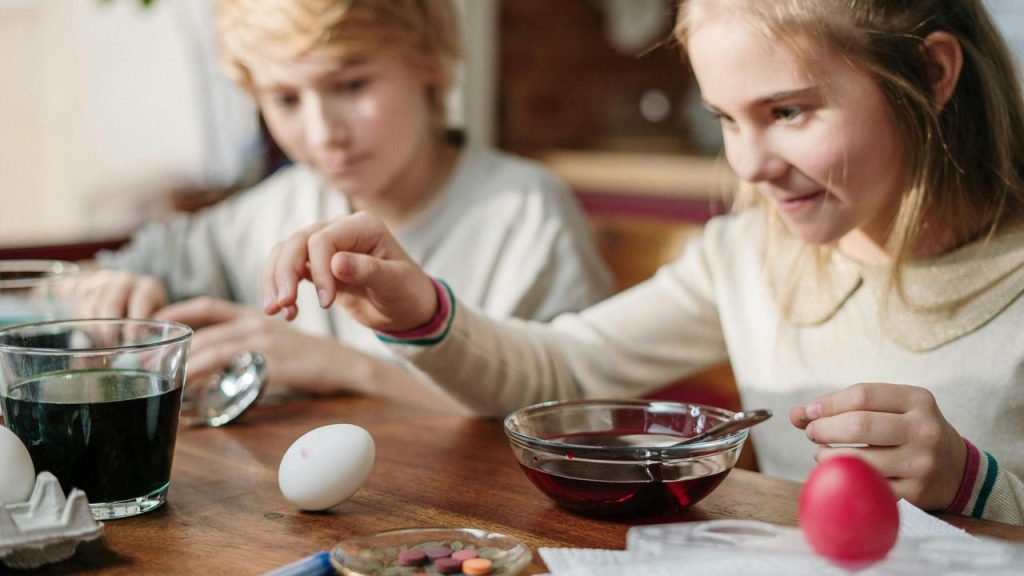
“I’m really frustrated right now” hits differently than a slammed door, doesn’t it? When your kid can actually name what’s going on inside them instead of exploding or shutting down, you’ve given them something that’ll serve them their whole life. That ability didn’t appear out of nowhere.
You taught them this by listening when they were upset instead of dismissing them. Now, when something’s wrong, they have the words to tell you (or anyone else) instead of letting it eat them alive or come out sideways. That’s huge.
3. They Naturally Make Room for Others

Watch your kid at the playground or during a family gathering. Do they notice when someone’s left out? Do they scoot over to make space, invite the new kid to play, or check on their younger sibling without being told? If so, you’ve raised someone who sees beyond themselves.
This doesn’t happen by accident. Kids mirror what they experience at home. If you’ve made them feel seen and included, they’ll do the same for others. And in a world that can be pretty brutal, raising a person who makes room for someone else? That’s parenting gold right there.
4. They Actually Remember What You’ve Taught Them
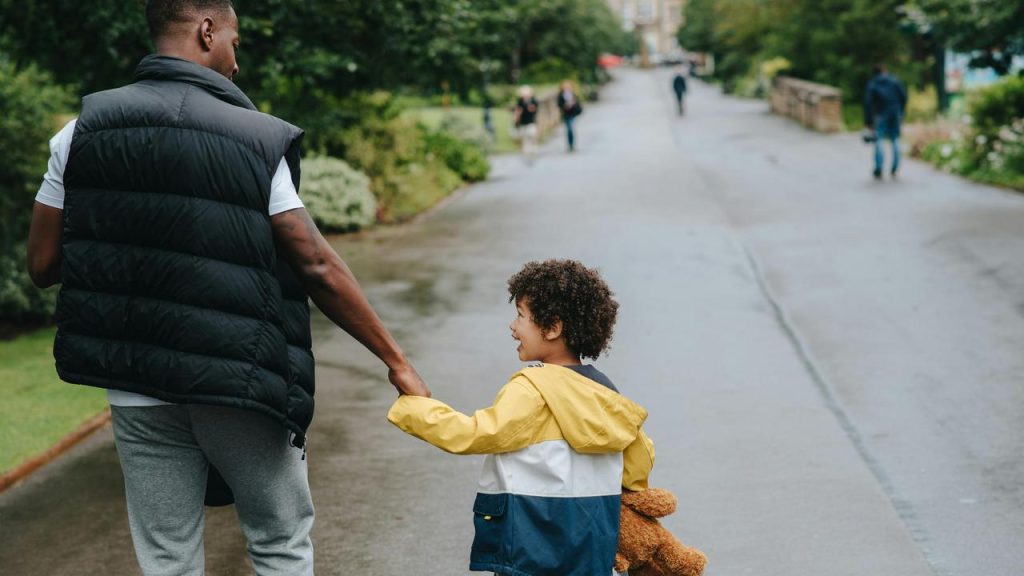
You’ve said “be kind” about ten thousand times, and honestly, you weren’t sure it was landing. Then one day, you overhear your kid defending someone at school or see them help an elderly neighbor carry groceries. They remembered. They were listening the whole time, even when it seemed like your words were bouncing off a brick wall.
The lessons you repeat about honesty, respect, effort, and treating people well sink in deeper than you realize. Your kids might not quote you back or thank you for the wisdom (they won’t), but watch what they do. That’s where you’ll find the proof that your words made it through.
5. They Can Handle Hearing “No” Better Than You’d Expect
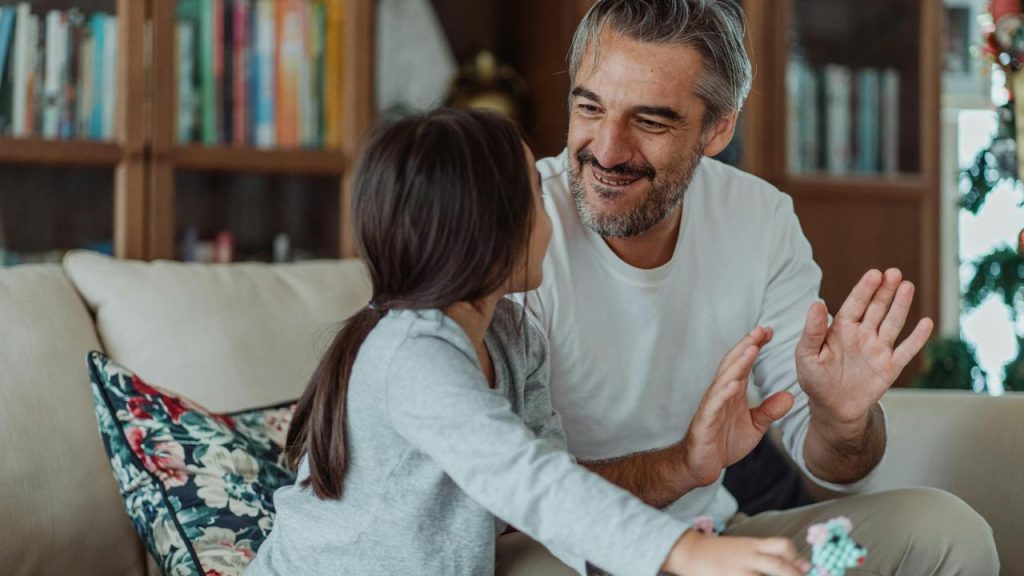
Sure, they might be disappointed when you say they can’t have something or can’t go somewhere. But if they can accept it without a full meltdown or three hours of negotiating, you’ve taught them something critical: they won’t always get what they want, and that’s okay. Life has boundaries, and you’ve prepared them for that reality.
This skill separates the kids who grow into resilient adults from the ones who crumble when things don’t go their way. When your child hears “no” and moves on (even if they’re bummed), that’s your parenting showing up in real time. You’ve given them the gift of learning to cope with disappointment early, which beats learning it at 25.
6. They Joke With You and Enjoy Laughing Together

If your kid makes fun of your terrible dad jokes or teases you about that embarrassing thing you did last week, congratulations. You’ve built something real. Kids who feel safe enough to joke around with their parents have a relationship built on trust, not fear. They know you won’t lose it over a little ribbing.
Laughter in your house means there’s space to be human, to mess up, to not take everything so seriously. When you can laugh together (not at each other, but with each other), that’s a family that’s going to weather the hard stuff. Those inside moments of humor create memories that’ll matter more than you know.
7. They Pay Attention to How Others Are Doing
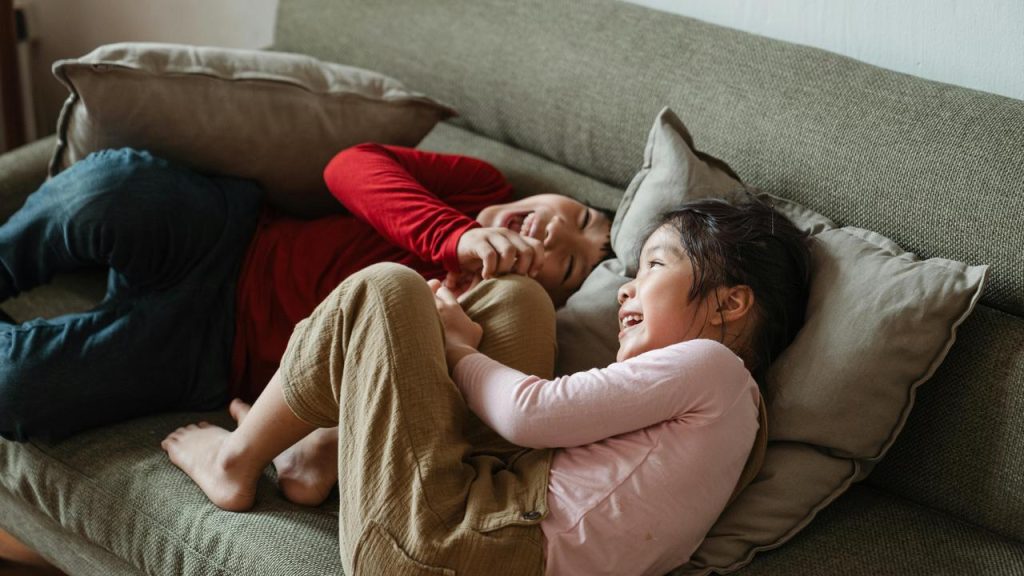
Does your kid notice when you’ve had a rough day? Do they ask if their friend is okay when something seems off? This level of awareness doesn’t develop in kids who’ve only been taught to think about themselves. You’ve modeled empathy, and now they’re living it out.
When children pick up on emotional cues and actually care about how someone else feels, that’s extraordinary. It means they’ve learned that other people’s experiences matter. In a culture that often celebrates self-interest, you’ve raised someone who looks outward. That’s the kind of person the world needs more of.
8. They’re Willing to Share Even When No One’s Watching
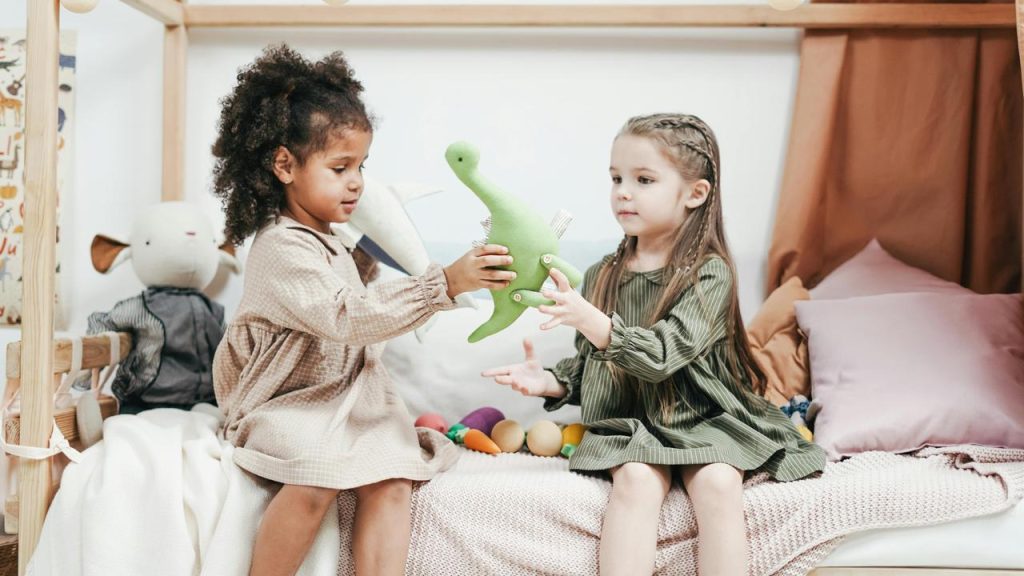
Sharing when a parent’s standing right there saying, “let your brother have a turn,” is one thing. Sharing when nobody’s looking? That’s character. If your kid offers their snack to a friend or gives up the good controller without being prompted, you’ve taught them generosity at a level that’s become instinctive.
This tells you they’ve internalized the value of thinking beyond themselves. They’re not sharing to avoid getting in trouble or to look good. They’re doing it because it feels right. That internal compass you’ve been building? It’s working. And that’s something you should feel proud of every single day.
9. They Don’t Fall Apart When Things Don’t Work Out
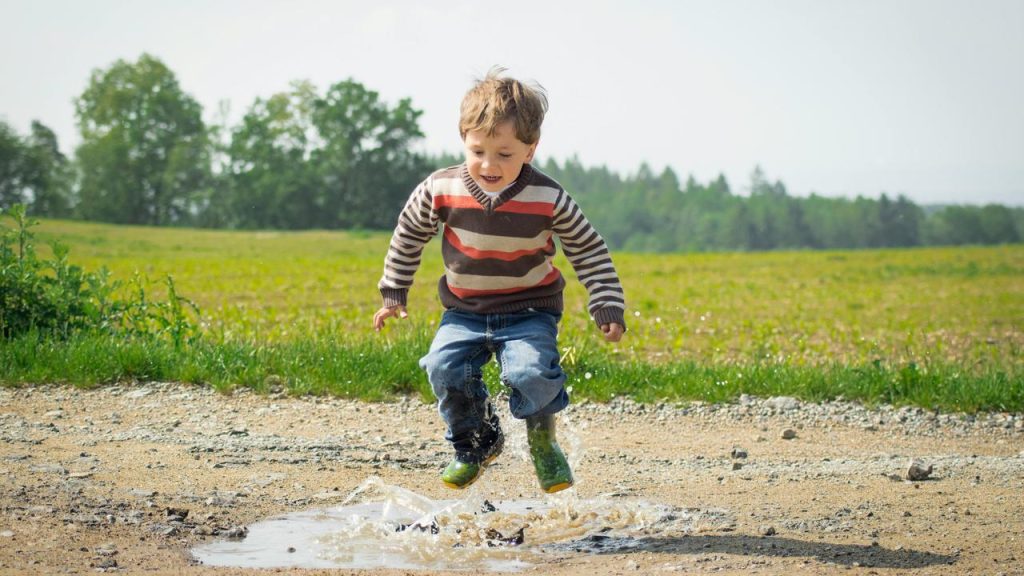
Life will knock your kids down more times than you can count. But if they can lose the game, bomb the test, or miss the goal and not spiral into complete despair, you’ve taught them resilience. They’ve learned that failure is part of the process, not the end of the world.
You gave them this by how you responded when they messed up. You didn’t freak out or make them feel worthless. You helped them see setbacks as temporary. Now, when life gets hard (and it will), they won’t crumble. They’ll get back up, dust themselves off, and try again. That’s the foundation for everything.
10. They Feel Confident Being Exactly Who They Are
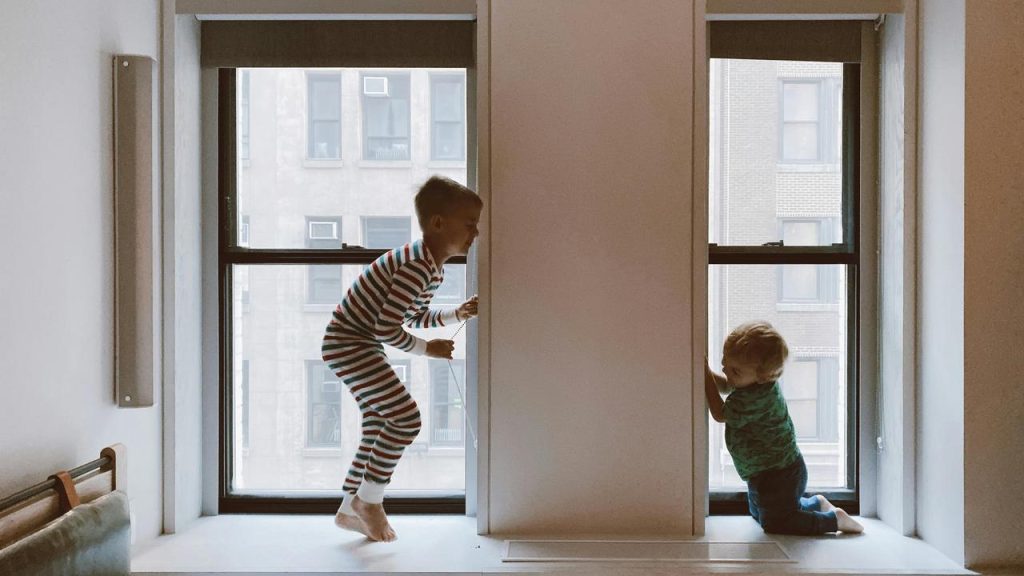
Maybe your kid’s a little weird, a little quirky, marches to their own beat, and they’re completely fine with it. If they can be themselves without constantly looking over their shoulder for approval, you’ve given them the ultimate gift: self-acceptance. They know they’re loved for who they are, not who they pretend to be.
This confidence comes from being celebrated at home, not criticized or molded into someone else’s vision. When your kid can say “this is who I am” and mean it, that’s your love showing up in their bones. They’ll face peer pressure, social media, and a million other forces trying to change them, but they’ll have a foundation strong enough to stand on.
11. They Show They Care in Small, Unexpected Ways
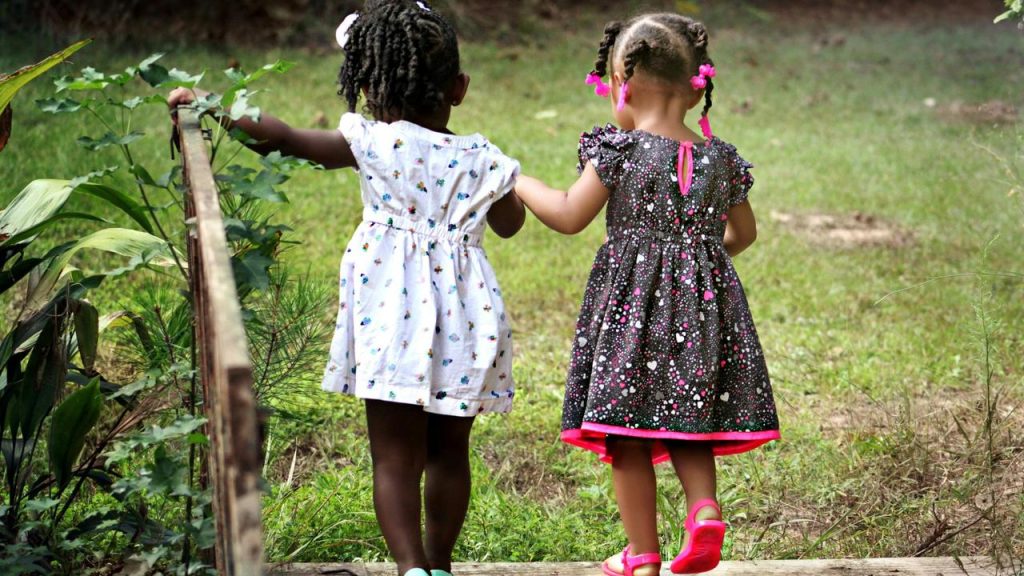
Your daughter draws you a picture, “because I thought you’d like it.” Your son saves you the last cookie. These little gestures, the ones they don’t have to do, reveal what’s in their heart. They’ve learned that love shows up in actions, not speeches, and they’re already practicing it.
You taught them this by doing the same. All those lunches you packed, scraped knees you bandaged, bedtime stories you read when you were exhausted. They saw love in those actions. Now they’re giving it back in their own way, and that circle of care you created keeps going. That’s legacy.
12. They Can Speak Up for Themselves Without Being Rude
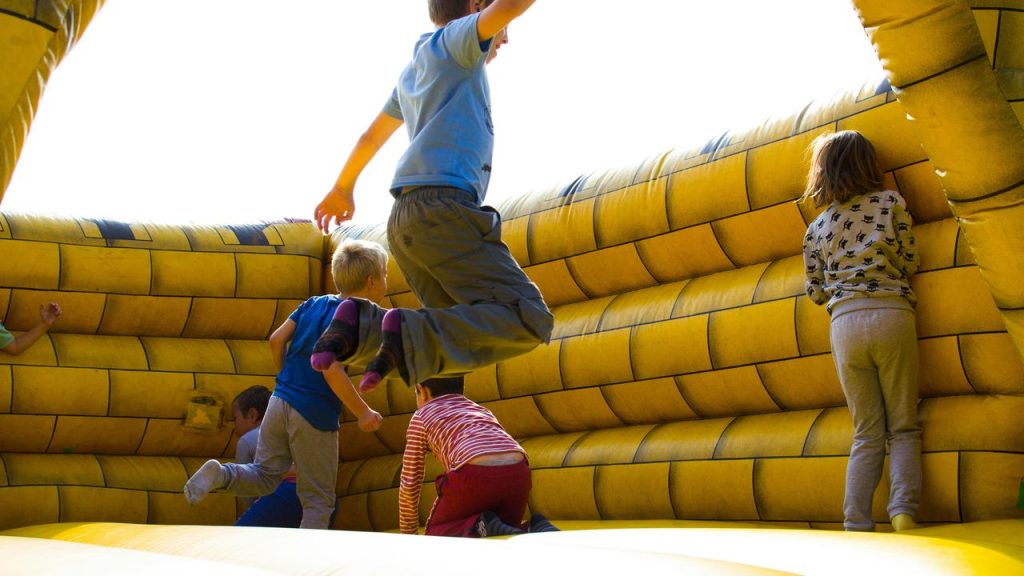
There’s a difference between a kid who demands what they want and a kid who can advocate for themselves respectfully. If your child can say “I’d like a turn” or “that hurt my feelings” without yelling or being a jerk about it, you’ve taught them how to use their voice effectively.
This balance of standing up for yourself while still respecting others is hard even for adults. But you’ve shown them it’s possible. They’ve watched you set boundaries without being mean, and now they’re doing the same. That skill will save them in friendships, relationships, and every workplace they’ll ever enter.
13. They’re Endlessly Curious and Full of Questions
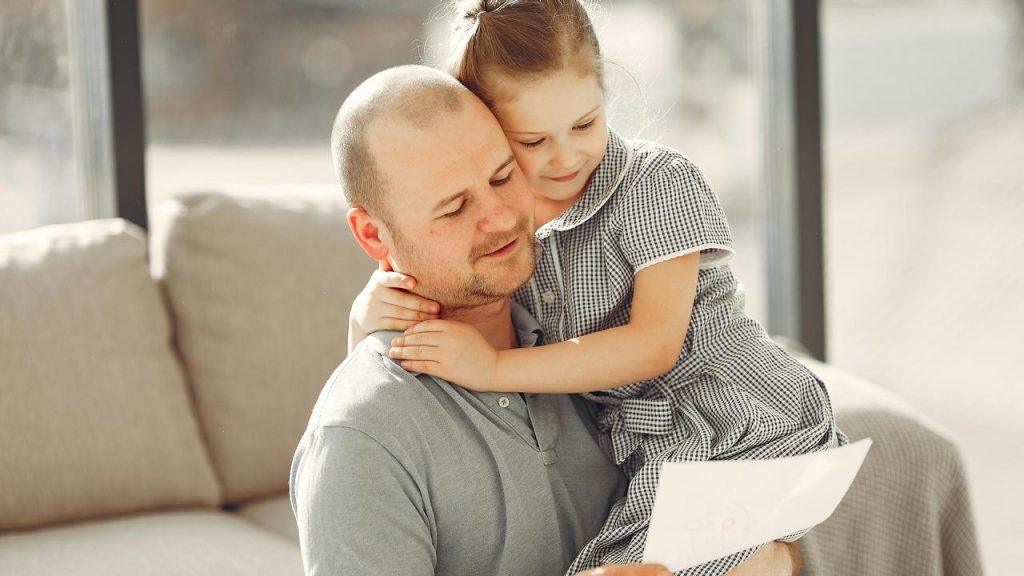
“Why is the sky blue? How do cars work?” If your kid never stops asking questions (even when you’re exhausted and have no idea how to answer), that means they feel safe exploring the world. Their curiosity hasn’t been shut down or punished. It’s been encouraged.
You did this by taking their questions seriously instead of brushing them off. Even when you didn’t know the answer, you explored it together or admitted you weren’t sure. Now they believe the world is worth understanding, that learning matters, and that it’s okay not to know everything. That mindset will take them further than any single fact you could teach them.
14. They Say Sorry Because They Mean It, Not Because They’re Told To
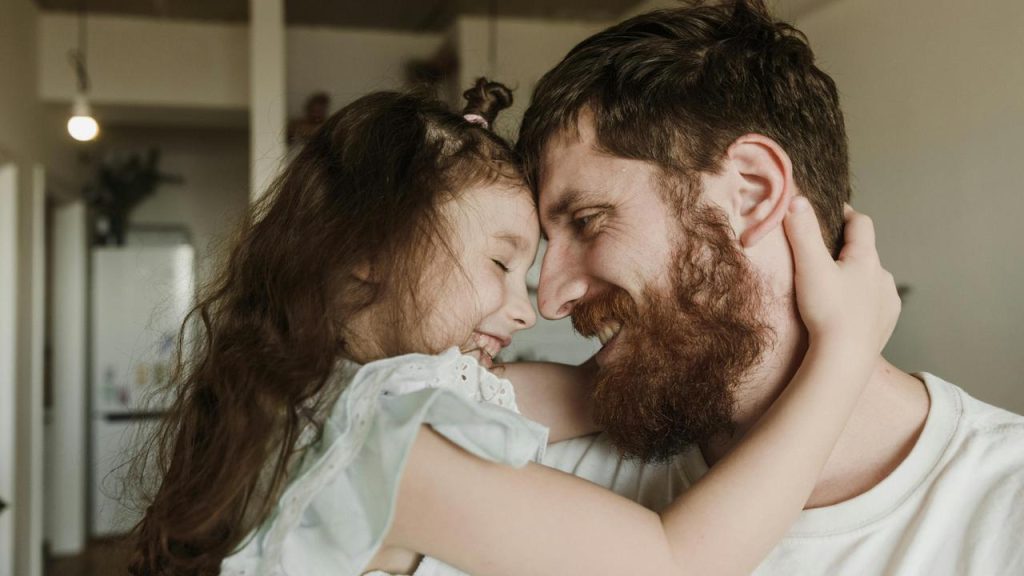
A forced apology means nothing. But when your kid comes to you (without prompting) and says, “I’m sorry I yelled at you” or “I shouldn’t have done that,” they’ve learned what real accountability looks like. They understand that owning your mistakes is how you repair relationships and grow as a person.
This happened because you modeled it. You apologized to them when you messed up, showing them that saying sorry is never a bad thing. Now they have the emotional intelligence to recognize when they’re wrong and the courage to admit it. Most adults never get there. Your kid already has.
15. They Sometimes Tidy Up on Their Own (And That Counts)
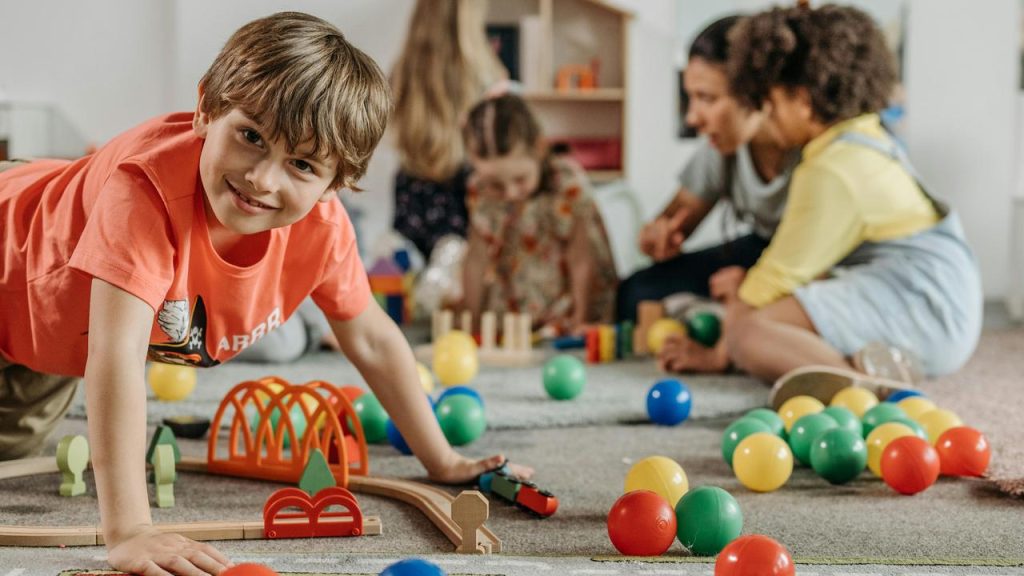
Look, we’re not talking about a spotless room here. But if your kid occasionally picks up their dishes, puts their shoes away, or cleans up a mess without you threatening their screen time? That’s progress. It means they’ve internalized some sense of responsibility for their space and the people they live with.
You’ve been nagging about this for years (let’s be real), and it finally clicked. They’ve realized that taking care of your environment matters, that other people shouldn’t have to pick up after you constantly. Will their room ever be perfect? Probably not. But this small shift shows they’re thinking beyond themselves, and that’s what matters.








Ask Me Anything