
It doesn’t happen overnight–but one day, you might realize your marriage feels more like a shared lease than a living, breathing relationship. The spark that once made everything feel alive can quietly fade into routine, replaced by logistical check-ins and surface-level interactions. When love gets buried under chores, silence, and emotional distance, you stop being partners and start being cohabitants. The good news? You can spot the shift early and course-correct before disconnection becomes your new normal.
Here are 18 warning signs you might be slipping into “just roommates” mode–and how to reclaim your bond before it’s too late.
1. Conversations Are All Business

If your daily talks revolve around bills, errands, and schedules–and never dreams, feelings, or inside jokes–it’s a red flag. Practical talk is necessary, but it shouldn’t replace emotional or personal connection. Start sprinkling curiosity back into your conversations: ask how their day felt, not just what happened. Small, intentional check-ins rebuild intimacy and remind you both that you’re more than teammates managing a household.
2. Physical Touch Has Disappeared

Touch is one of the quietest ways to say, “I see you.” When hugs, kisses, or hand-holding vanish, emotional distance often follows. You don’t need grand gestures–just reach out more often. Brush their shoulder, hold hands while watching TV, or initiate a kiss before bed. Physical touch reignites chemistry and reassures both partners that affection still lives in the relationship.
3. You Sleep Like Strangers

If bedtime feels like a cold truce rather than a chance to connect, something’s off. Sleeping back-to-back every night, scrolling on separate phones, or constantly choosing the couch over the bed can reflect unspoken disconnection. Try reclaiming nighttime as couple time–no screens, just quiet talk, shared laughter, or even a few minutes of closeness before lights out.
4. You Don’t Date Each Other Anymore

When you stop making plans to go out together–or worse, don’t miss it–it’s a sign you’re coasting. Dates don’t have to be fancy; they just need to be intentional. Plan a walk, a shared hobby, or even a night in that feels different from your usual routine. The goal isn’t entertainment–it’s reminding each other why you chose this life together in the first place.
5. You Avoid Deep Topics
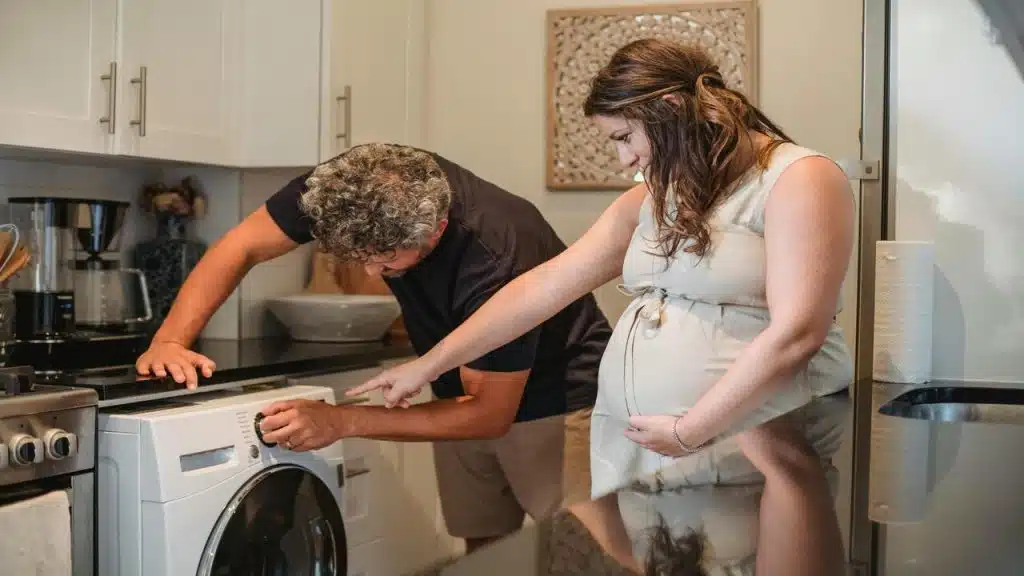
Avoidance might feel peaceful, but it’s emotional starvation. When you stop discussing your worries, hopes, or frustrations, you’re protecting comfort at the expense of connection. Real intimacy requires honesty, even when it’s uncomfortable. Start small: share one thing that’s been on your mind. Vulnerability often pulls couples back from the edge of emotional detachment.
6. You Feel More Like Roommates Than Lovers

When chores, logistics, and routines dominate your dynamic, it’s easy to forget that love once led the way. If you’re functioning efficiently but feeling emotionally flat, that’s the “roommate” trap in action. Rebalance by reintroducing play, flirtation, or spontaneous gestures. Efficiency keeps a house running–affection keeps a relationship alive.
7. You Don’t Miss Each Other Anymore

It’s normal not to text every hour, but if separation feels like relief instead of longing, it’s worth asking why. Missing your partner is a sign of emotional investment. If that’s faded, intentionally create moments apart that make reunion something to look forward to–like a midweek coffee date or a “see you later” kiss before work.
8. Everything Feels Predictable

Routines are comforting until they become numbing. When every week feels like a carbon copy of the last, you start losing emotional spark. Disrupt the monotony–try something new together, even small things like cooking a new recipe or exploring a different part of town. Novelty keeps couples curious and emotionally engaged.
9. You Prioritize Others Over Each Other

When friends, kids, or work get your best energy, and your partner gets the leftovers, connection naturally weakens. It’s not about ignoring responsibilities–it’s about recalibrating priorities. Schedule time where your partner is the focus, not the afterthought. Even 15 minutes of undivided attention daily can rebuild closeness.
10. You No Longer Laugh Together

Shared laughter is the heartbeat of intimacy. When humor fades, so does warmth. If you can’t remember the last time you laughed together, it’s time to lighten up. Watch a funny movie, recall silly memories, or let yourself be playful again. Laughter disarms tension and reminds you that love doesn’t always have to be serious.
11. You Keep Score
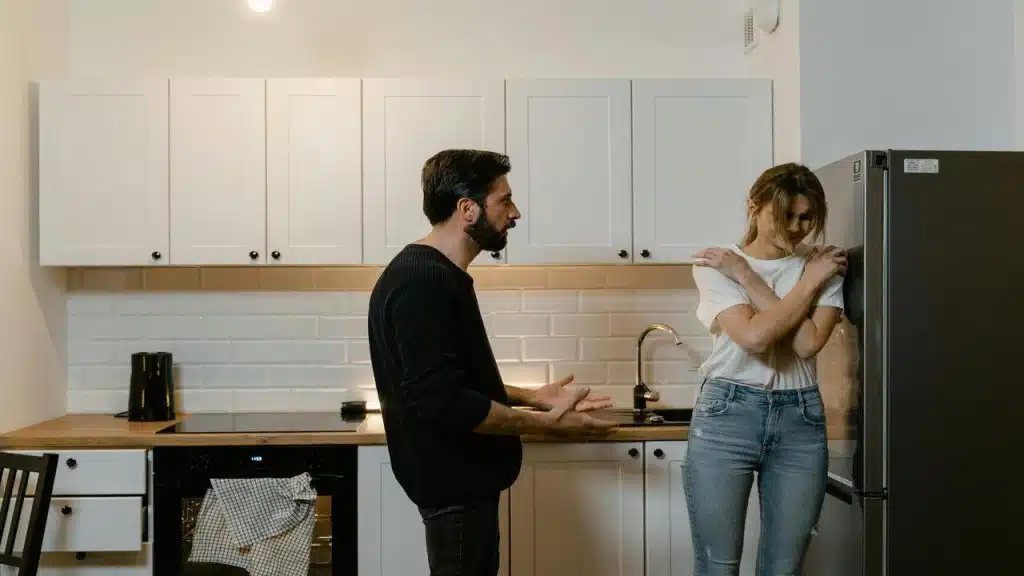
When you start tallying who does more chores, who apologizes first, or who tries harder, you’ve shifted from partnership to competition. Relationships thrive on generosity, not accounting. Focus on contribution, not comparison. When both partners give freely, resentment loses its grip.
12. You Avoid Eye Contact

It sounds small, but sustained eye contact builds emotional safety. If you’re always looking at screens or past each other, you lose that wordless connection that says, “I’m here.” Make eye contact during conversations–even brief ones. It’s a powerful, silent way to say, “We still matter.”
13. You Rarely Compliment Each Other

Over time, partners stop verbalizing appreciation, assuming the other “already knows.” But everyone needs to feel seen. Compliments are small deposits into your emotional bank account. Notice the haircut, thank them for dinner, or praise their effort. Gratitude creates warmth where indifference once settled in.
14. You’d Rather Be on Your Phone

When scrolling feels more appealing than talking to your partner, that’s not just distraction–it’s avoidance. Phones offer easy escape from awkward silence or tension, but they also rob you of connection. Set phone-free zones or times. Real presence beats digital noise every time.
15. Intimacy Feels Forced or Nonexistent

If physical intimacy feels like a chore or a memory, that’s a serious warning sign. Sex isn’t just physical–it’s emotional glue. When it’s gone, emotional distance often deepens. Don’t wait for passion to magically return; start rebuilding trust, affection, and curiosity in small, nonsexual ways. Emotional safety paves the way for physical closeness.
16. You Stop Dreaming Together

Couples who dream together stay connected. When future plans stop being a shared topic, your emotional partnership starts shrinking. Talk about what you both want–trips, goals, new experiences. Dreaming together keeps your relationship forward-focused instead of stuck in the daily grind.
17. Silence Feels Heavy, Not Comfortable

There’s a difference between peaceful quiet and emotional distance. When silence feels tense or loaded, it’s a symptom of unspoken issues. Don’t let that silence calcify. Break it gently with curiosity: “You seem distant lately–are we okay?” Honest talk can turn awkward silence into healing dialogue.
18. You’ve Stopped Fighting Altogether

Ironically, the absence of conflict can signal deep disengagement. Healthy couples argue because they care enough to fix things. When you stop fighting, it may mean you’ve stopped hoping. If disagreements have turned into indifference, it’s time to talk about what’s really happening beneath the quiet. Passion, even in conflict, means there’s still something to fight for.








Ask Me Anything